Table of Contents >> Show >> Hide
- Why Mac and Cheese Works (Even When Your Day Doesn’t)
- A Quick, Honest History (Because This Dish Has Been Around)
- Stovetop vs. Baked: Choose Your Adventure
- The Foolproof Mac and Cheese Formula (No Sacred Recipe Required)
- How to Keep Cheese Sauce Smooth (The Anti-Grainy Checklist)
- Toppings and Add-Ins That Upgrade Without Hijacking
- Make-Ahead, Storage, and Reheating Without Turning It Into Paste
- Common Mac and Cheese Problems (and How to Fix Them)
- Mac and Cheese Experiences (Extra Stories to Make This Dish Feel Even More Real)
- Conclusion: Your Best Mac and Cheese Is One Batch Away
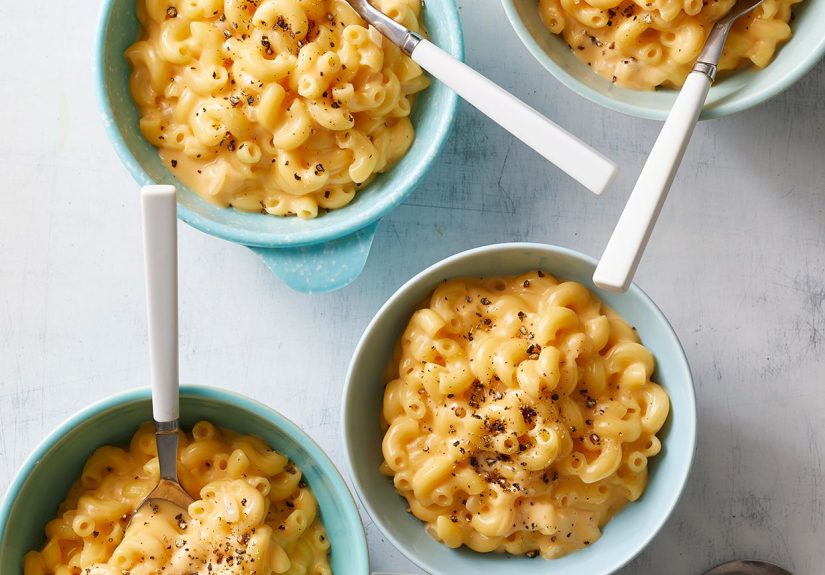
Macaroni and cheese is the edible equivalent of a warm blanket that also happens to be made of pasta and dairy.
It’s comfort food with great PR: it can be weeknight-easy, holiday-fancy, kid-approved, adult-obsessed, and
“I totally meant to make leftovers” practical.
But here’s the secret: the best mac and cheese isn’t about dumping “more cheese” into a pot and hoping for the best.
It’s about understanding how cheese behaves, why sauce turns grainy, and when baked mac is worth turning on the oven.
Let’s break it downwithout turning dinner into a science fair (unless you like lab coats with pockets for hot sauce).
Why Mac and Cheese Works (Even When Your Day Doesn’t)
The magic of macaroni and cheese is balance:
- Texture: tender pasta + creamy sauce + optional crunchy topping = instant “one more bite.”
- Flavor: salty, savory, slightly tangy cheese hits all the happy buttons.
- Flexibility: it welcomes upgrades (bacon! broccoli! roasted peppers!) and forgives substitutions.
- Nostalgia: many of us grew up with a boxed versionhomemade tastes like the “grown-up remix.”
Also, mac and cheese is one of the few dishes that can be both a side dish and the main character.
It’s the friend who shows up early, stays late, and still helps you clean the kitchen.
A Quick, Honest History (Because This Dish Has Been Around)
Versions of pasta with cheese have existed for centuries, traveling through different kitchens and cultures
before becoming the icon you know today. In the United States, early macaroni-and-cheese-style recipes show up in
early American cookery, shifting from “company food” to an everyday staple as pasta became easier to find and
cheese became a dependable refrigerator resident.
The modern American love affair also reflects how the dish adapted across regions and communitiessometimes baked,
sometimes stovetop-creamy, sometimes cut into squares like a casserole you can hold with confidence.
Stovetop vs. Baked: Choose Your Adventure
There are two classic roads to mac and cheese greatness. Neither is “better.” They’re just different vibes.
Stovetop Mac: Creamy, Fast, Weeknight-Friendly
Stovetop mac is all about a smooth, glossy sauce that clings to every curve of pasta. It tends to be:
- Faster (often 20–30 minutes total)
- Creamier and “saucier”
- Easier to customize on the fly
The best stovetop versions rely on gentle heat and smart stabilization. Instead of blasting cheese with high heat
(which can cause separation), you build a sauce base that encourages an emulsionmeaning fat and liquid stay friends
instead of breaking up dramatically in your saucepan.
Baked Mac: Golden, Cozy, and Crowd-Ready
Baked mac is what you make when you want a bubbling casserole dish, browned edges, and a top that crunches a little
when your spoon breaks through. It’s often:
- Better for feeding a group
- More structured (less soupy, more scoopable)
- Perfect for make-ahead meals
Baked versions frequently start with a flour-and-butter base (a roux) plus milk, which becomes a creamy white sauce.
Add cheese, fold in pasta, top it, bake itthen try not to “just taste” half the pan before serving.
The Foolproof Mac and Cheese Formula (No Sacred Recipe Required)
Think of mac and cheese like a formula you can bend without breaking:
1) Pasta: Pick a Shape That Holds Sauce Like It’s Getting Paid
Classic elbows are popular for a reason: they’re scoopable, familiar, and hold sauce well. But you’ve got options:
- Cavatappi: spirals that trap sauce inside the twist (great for baked mac).
- Shells: little sauce bowls (great if you like extra creamy bites).
- Cellentani/rotini: lots of ridges, lots of grip.
Pro move: cook pasta just shy of fully tender if you plan to bake it. Overcooked pasta + oven time = mushy regret.
2) Sauce Base: Choose Your Method
Option A: Roux + Milk (classic baked style)
- Melt butter, whisk in flour, cook briefly (you’re removing the raw flour taste, not starting a tan).
- Whisk in warm milk gradually until smooth, then simmer until slightly thickened.
- Remove from heat and add cheese slowly so it melts gently.
Option B: Starch + Dairy (quick stovetop style)
- Use pasta starch (from cooking pasta) plus a dairy component to help emulsify.
- Gentle heat + grated cheese + stirring = smooth sauce.
- Optional helpers like a pinch of cornstarch (tossed with cheese) can prevent graininess.
3) Cheese: Build a Blend With a Job Description
Great mac and cheese usually uses a blend, because cheeses have different superpowers:
- Flavor base: sharp cheddar brings classic “mac” taste.
- Melt + stretch: fontina, Monterey Jack, or young gouda help keep things silky.
- Nutty depth: gruyère adds a fancy edge without stealing the show.
- Salt booster: a little parmesan can lift flavor (but don’t rely on it for melting).
If your sauce has a history of turning grainy, don’t “fix” it by turning up the heat. That’s like fixing a leaky roof
with a garden hose. Instead, use gentle heat and consider a stabilizer strategy (more on that below).
4) Seasoning: Small Tweaks, Big Payoff
Cheese is salty and bold, but it loves backup:
- Mustard powder or Dijon: doesn’t make it taste like mustardjust makes cheese taste cheesier.
- A tiny pinch of nutmeg: classic in creamy white sauces; adds warmth and depth.
- Cayenne or hot sauce: not “spicy,” just brighter.
- Garlic/onion powder: easy weeknight flavor without chopping.
How to Keep Cheese Sauce Smooth (The Anti-Grainy Checklist)
Grainy mac and cheese happens when the sauce “breaks”fat separates, proteins tighten up, and you end up with
oily puddles and sad clumps. Here’s how to prevent it:
Use Low Heat When Adding Cheese
High heat is the #1 chaos agent. Once your base is hot and thickened, reduce heat or remove the pan from the burner.
Add cheese gradually, stirring until each handful melts before adding the next.
Grate Cheese Yourself (Yes, It Matters)
Pre-shredded cheese is convenient, but it often contains anti-caking agents that can interfere with smooth melting.
A quick grate takes minutes and usually gives you a silkier sauce.
Stabilize Smartly: Starch, Protein, or Emulsifiers
- Starch: a light toss of cornstarch with grated cheese can help keep things cohesive.
- Protein-rich dairy: some dairy options help sauces stay creamy and stable.
- Emulsifying salts: in tiny amounts, they can help keep any cheese sauce smooth and pourable.
You don’t need to turn your pantry into a chemistry aisle. Start with gentle heat + freshly grated cheese, then add
stabilization tricks only if you need them.
Toppings and Add-Ins That Upgrade Without Hijacking
Crunchy Toppings
- Buttered breadcrumbs or panko: classic, crisp, and easy.
- Crushed crackers: salty and nostalgic.
- Parmesan + breadcrumbs: extra savory crunch (best in baked mac).
Mix-Ins That Actually Belong
- Broccoli or roasted cauliflower: makes you feel like a responsible adult.
- Bacon or smoked sausage: instant “main dish energy.”
- Caramelized onions: sweet-savory depth.
- Roasted peppers or jalapeños: bright, punchy, and not boring.
- Shredded chicken: great for leftovers that want a glow-up.
Gluten-Free or Dairy-Light Adjustments
You can absolutely make mac and cheese work with dietary needs:
- Gluten-free: use a sturdy gluten-free pasta and consider cornstarch as a thickener if a flour roux is tricky.
- Dairy-light: choose strong-flavored cheeses so you can use a bit less; keep sauce creamy with smart technique, not extra fat.
- Plant-based: results vary widely by branduse products designed for melting, and expect a different (but still tasty) personality.
Make-Ahead, Storage, and Reheating Without Turning It Into Paste
Mac and cheese is a champion leftoverif you treat it right.
Storage Tips
- Cool leftovers quickly and refrigerate promptly.
- Store in a shallow container so it chills evenly.
- For baked mac, keep a little topping separate if you want it crunchy later.
Reheating Tips (Flavor + Food Safety)
For safety, leftovers should be reheated until hot all the way throughcommonly recommended to reach 165°F when measured with a food thermometer.
For texture, add moisture as you reheat:
- Microwave: add a splash of milk, cover loosely, heat in short bursts, stir often.
- Oven: cover with foil, add a bit of milk, bake gently until heated through; uncover briefly to re-crisp the top.
- Stovetop: low heat, a splash of milk, and patience.
If you keep reheating the same batch over and over, it will dry out and the sauce can separate. Reheat what you plan to eat,
then return the rest to the fridge promptly.
Common Mac and Cheese Problems (and How to Fix Them)
“My Sauce Is Grainy”
- Cause: cheese overheated, added too fast, or used very aged cheeses as the main melter.
- Fix next time: lower heat, add cheese gradually, use a melt-friendly blend, consider a light starch assist.
“It’s Too Thick”
- Fix: stir in warm milk a tablespoon at a time until glossy again.
“It’s Bland”
- Fix: salt carefully, add a tiny pinch of mustard powder, a little sharp cheese, or a splash of hot sauce. Taste as you go.
“It’s Dry on Top, Wet Underneath”
- Fix: bake covered for most of the time, then uncover briefly at the end. Also, don’t overbakemac and cheese keeps cooking after it comes out.
Mac and Cheese Experiences (Extra Stories to Make This Dish Feel Even More Real)
Mac and cheese isn’t just a recipeit’s a recurring character in people’s lives. You can spot it at milestones and
messy Tuesdays alike, showing up like a delicious, dependable friend who never asks you to “circle back.”
There’s the holiday pan that arrives like a celebrity. Someone carries it in with both hands, as if transporting a priceless artifact.
It hits the table next to the turkey, and suddenly everyone is acting like they didn’t come primarily for the mac.
The top is browned, the corners are extra crisp, and the first scoop makes that soft “shhh” soundlike the casserole is
whispering, “Yes, I am worth the carbs.”
Then there’s potluck mac, which teaches a valuable social lesson: people say they want salad, but they stand in line for cheese.
Potluck mac also reveals personality types. Some guests go straight for the center (maximum creaminess).
Others hunt the edges (maximum crust). And one brave soul will always ask, “Is it spicy?”even when it’s clearly not
as though cayenne is hiding behind the pasta like a cartoon villain.
Mac and cheese is also the unofficial mascot of college and first-apartment cooking.
It’s the meal you make when you own exactly one saucepan and your culinary résumé is “I have watched cooking videos.”
You learn quickly that cheese doesn’t like being bullied by high heat. You learn that stirring is not optional.
And you learn that adding a splash of milk while reheating is basically the difference between “creamy comfort”
and “pasta brick you could use as a doorstop.”
In family kitchens, mac and cheese becomes a negotiation tool. It can convince picky eaters to try broccoli
(“It’s wearing a cheese coat!”). It can turn leftovers into lunch people actually look forward to.
It can smooth over the mood after a rough daybecause it’s hard to stay mad when your fork keeps delivering warm,
savory bites that taste like someone is quietly rooting for you.
And finally, there’s the moment when you make mac and cheese for someone else and realize you’re passing along a
little piece of comfort. Maybe it’s for a new neighbor. Maybe it’s for a friend who’s sick. Maybe it’s for a kid who
just had a big week and needs a win. Mac and cheese is rarely “just food.” It’s a gesture that says,
“I want you to feel cared for,” in a language that requires no translationonly a spoon.
Conclusion: Your Best Mac and Cheese Is One Batch Away
The best macaroni and cheese isn’t defined by a single “perfect” recipe. It’s defined by a few smart choices:
pasta that holds sauce, a blend of cheeses with different strengths, and gentle heat that keeps everything smooth.
Choose stovetop for fast and creamy. Choose baked for golden and crowd-ready. Either way, you’re building comfort food
with real technique behind itand that’s how you get a dish that tastes like nostalgia, but better.