Table of Contents >> Show >> Hide
- Table of Contents
- What happened (and why it matters)
- Why sand can become dangerous so quickly
- How common are sand-hole and dune collapses?
- The biggest risk factors families miss
- Simple beach hole safety rules that actually stick
- What to do if a collapse happens
- How to talk to kids about it without terrifying them
- Real-world experiences and lessons people share after sand incidents
- Final thought
- SEO tags (JSON)
The beach has a well-earned reputation as a “safe” kind of wild: salty air, sunscreen, snacks that somehow taste better in a zip-top bag,
and kids who become tiny civil engineers the moment they see sand. A shovel appears. A moat emerges. A sandcastle rises. Everyone relaxes.
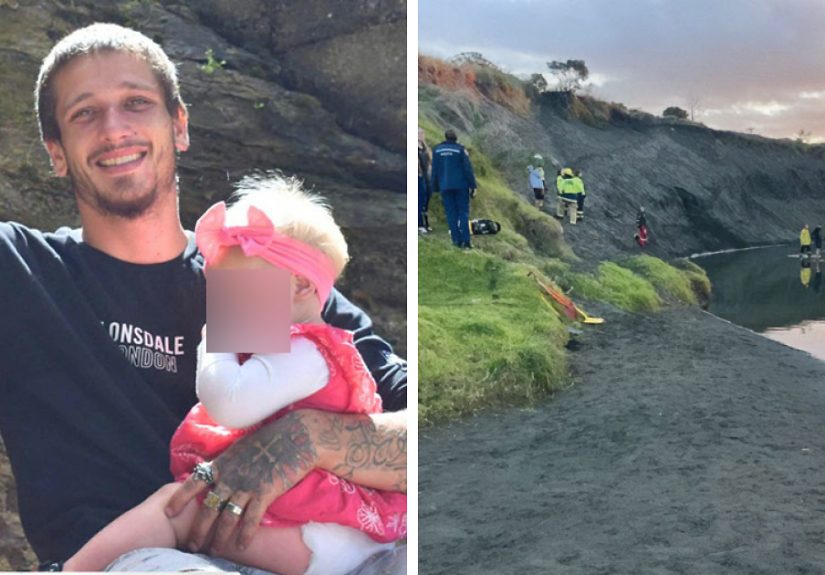
And that’s exactly why tragedies like this one hit so hard. In late August 2025, a 28-year-old dad on a family beach outing near Auckland,
New Zealand, was digging into a sand dune with his kids when the sand suddenly collapsed around him. What started as ordinary play turned into
a rapid emergency. Despite rescue efforts, he later died in the hospital.
The phrase “life can be so cruel” doesn’t feel like a headline in moments like this. It feels like the only sentence your brain can form.
But if we stop at heartbreak, we miss the part that can protect other families: sand collapses are a real, documented hazardoften underestimated,
fast-moving, and preventable with a few rules that are easy to remember when you’re already thinking about snacks and sunscreen.
What happened (and why it matters)
Reporting on the incident described a family outing that changed in seconds. The dad was digging into a dunean elevated sand bank that can look
like a giant sandbox wallwhen a section gave way. Dunes can be deceptively unstable, and once sand shifts, it can flow and settle quickly.
Emergency responders were called, and bystanders tried to help, but the outcome was devastating.
It’s important to say this plainly and respectfully: nobody goes to the beach expecting a fatal accident. This wasn’t a “reckless stunt” story;
it was a normal-family-play story with a hidden hazard. And that’s the point. Beach sand feels soft and forgiving. But when you dig deep enough,
or dig into a slope like a dune, you’re creating conditions that can behave less like “sandcastle time” and more like a cave-in.
Why sand can become dangerous so quickly
1) Sand isn’t “light” when it shifts
A handful of sand is nothing. A collapsing wall of sand is something else entirely.
Sand grains interlock. Moisture can temporarily “cement” layers. Then one shiftsomeone stepping near an edge, a child wriggling in a hole,
a section drying out, a tunnel wideningcan break the structure. When it fails, sand can move fast and pack tightly.
The danger isn’t drama; it’s physics. Loose material can flow into open space and settle in a way that makes movement difficult.
That’s why experts compare deep sand holes to other collapse hazards (like trench cave-ins): the material can pin you in place before you
realize you’re in trouble.
2) Dunes and tunnels raise the stakes
Digging into a dune is different from digging on a flat stretch of beach. A dune is already a slope, often layered and undercut by wind and foot traffic.
When you carve into it, you’re removing support. Add a tunnel (even a “small” one), and you’ve created a roof.
Roofs have one job: stay up. Sand roofs are not great at that job.
If you remember nothing else, remember this: holes are risky; tunnels are riskier; tunnels in dunes are the “please don’t” trifecta.
Your kids may beg to build a “sand cave,” but sand does not care about their enthusiasm.
3) The beach vibe makes the risk feel impossible
The most dangerous part might be psychological. Beaches are associated with relaxation, not hazards.
So people do things they would never do in another setting. If you wouldn’t let your child dig a tunnel into a dirt hillside at a park,
don’t let them do it in a dune just because it’s wearing flip-flops and holding a piña colada.
How common are sand-hole and dune collapses?
Sand collapses are not everyday events, but they’re not one-in-a-million mysteries either.
Safety reporting and coastal experts have documented recurring incidents involving deep holes and tunnelson beaches, at parks, and even in sand piles.
The pattern is consistent: a deep excavation plus an unstable edge or tunnel can fail suddenly.
In the U.S., fatal sand-hole collapses have repeatedly made the news over the years, including incidents involving children and teens.
These stories tend to surge into public attention right after a tragedythen fade, even though the underlying risk never left.
That’s why prevention messaging often focuses on simple limits: keep holes shallow, avoid tunnels, and fill everything in before leaving.
The goal isn’t to turn the beach into a rulebook. It’s to keep “core memories” from becoming “core trauma.”
The biggest risk factors families miss
Most dangerous sand scenarios aren’t obvious while you’re standing there thinking, “This is fine.”
Here are the common risk multipliers:
- Depth beyond knee level: The deeper the hole, the more pressure on the wallsand the harder it is to climb out if sand shifts.
- Vertical walls: Straight sides look neat, but they’re structurally unfriendly in loose material.
- Tunnels and “caves”: A roof made of sand is a countdown clock with no display.
- Digging into slopes or dunes: You’re removing support from a structure that’s already angled and layered.
- People standing near the edge: Weight near the rim can trigger a collapse (especially if the sand is dry and loose).
- Wet-to-dry transitions: Sand can feel firm when damp, then become unstable as it dries.
- Leaving holes behind: Even shallow holes can injure runners, kids, or someone carrying chairsand can create hazards for wildlife.
A quick gut-check: If your “sand project” requires one person to be inside while others stand above it… it’s time to redesign the project.
Make it wider, flatter, and shallowermore “moat” than “mine shaft.”
Simple beach hole safety rules that actually stick
Safety advice only works if you can remember it while balancing a beach bag, a juice box, and a child who is already sprinting toward the water.
Here are the rules that coastal safety experts and public safety campaigns repeat because they’re practical:
The knee-deep rule
Don’t dig holes deeper than the knee height of the shortest person in your group. If your youngest is 5, your hole gets 5-year-old knees.
It’s not a “challenge.” It’s a limit.
No tunnels. No caves. No sand basements.
Kids love tunnels for the same reason they love forts: it feels secret and brave.
But tunnels are where collapses turn from “oops” into emergency. If a kid asks for a tunnel, offer a trade:
“We can do a shallow river that wraps around the castle,” or “Let’s build a bridge instead.”
(Bridges are the socially acceptable version of tunnels. They also look great in photos.)
Stay off dunes for digging
Dunes are not just sand piles; they’re part of a coastal system, and they can be unstable.
Many beaches also protect dunes to reduce erosion and protect habitats. Even if there’s no sign, it’s a smart default:
play on flatter sand, not on steep banks.
Dig wide, not deep
Want maximum fun with minimum risk? Go for shallow engineering:
a broad moat, a racetrack for toy cars, a “sea turtle runway” for seashells, a splashy tidal pool experiment (with adult supervision),
or a castle with a shallow defensive perimeter that would make a medieval architect weep with joy.
Dig a hole, fill a hole
Before you leave, fill everything in. Smooth it over. Make it look like you were never there.
This protects other beachgoers from tripping hazards and reduces risk for wildlife. Turn it into a family ritual:
“Last job before snacks in the car: we erase the construction site.”
Be extra cautious when no lifeguards are present
Lifeguards aren’t just watching swimmers; many also flag unsafe sand digging when they see it.
If you’re at an unguarded beach, treat that as an extra reason to keep sand play conservative and visible.
What to do if a collapse happens
This section is intentionally simple. In an emergency, complicated plans don’t survive stressand some rescue attempts can put more people at risk.
The safest priorities are:
- Call emergency services immediately (or have someone nearby do it while you stay with the person).
- Get lifeguards or trained responders involved as fast as possible, if they’re present.
- Keep bystanders back from the edge so additional weight doesn’t trigger more collapse.
- Do not create new hazards: avoid rushing onto unstable sand banks or dunes where you could also become trapped.
The key message: speed matters, but so does safety. Getting help fast and preventing additional collapse can make a difference.
How to talk to kids about it without terrifying them
Kids don’t need scary details to follow smart rules. They need a simple explanation that matches what they can see.
Try something like:
- For little kids: “Sand can fall like a big spill. We keep our holes small so nobody gets stuck.”
- For older kids: “When holes get deep, the sides can collapse. So we do shallow builds and no tunnels.”
- For teens: “Treat deep sand holes like a collapse hazard. Knee-deep max, no tunnels, and fill it in.”
Then redirect the creativity. Kids who want tunnels often want a “project,” not danger.
Give them a mission that feels epic: design the widest moat, build a bridge strong enough for a truck-shaped shell,
or create a “storm channel” that guides waves safely away from the castle.
Real-world experiences and lessons people share after sand incidents
People who’ve had close calls with sand collapses often say the same thing: “I didn’t think sand could do that.”
Not because they’re carelessbecause almost nobody grows up getting a beach-safety lesson about holes the way we do about rip currents.
The hazard is real, but the awareness is patchy. That’s why these experiences matter: they translate abstract risk into something families can picture.
Parents talk about the moment the “fun project” crosses an invisible line.
The hole starts as a harmless scoop-and-laugh routine. Then it becomes a competition: deeper, wider, faster.
A kid wants to stand inside it. Someone says, “Careful,” but keeps filming, because it looks like a cute memory.
The lesson many parents share afterward is surprisingly practical: set the limit early, before the hole becomes a “thing.”
Knee-deep is easiest to enforce at six inches, not at two feet. It’s like sunscreenyou don’t wait until you’re already burned.
Lifeguards describe how they approach families without ruining the vibe.
The best interventions are calm and normal, not alarmist. A guard might walk up and say,
“Hey, just a heads upcan you keep that hole knee-deep and fill it before you go? We’ve had collapses.”
The tone is important: nobody wants to feel scolded in front of their kids.
But many families respond well when the advice is framed as a standard rule, the same way you’d remind someone to swim near the flag or watch the tide.
The takeaway: if a lifeguard asks you to change your sand setup, treat it like a seatbelt reminderannoying for three seconds, valuable for years.
Teen memories often involve tunnels.
Teens love the engineering challenge: “What if we can connect two holes?” “What if we can make a chamber?”
People who’ve outgrown those beach days sometimes admit they can still remember the sound of sand shiftinglike a sudden whoosh
and the instant realization that the project wasn’t a game anymore. The lesson isn’t “don’t build anything cool.”
It’s “build cool things that don’t require a roof.” Wide trenches for marbles, sculpted ramps, shallow obstacle courses, and sand art murals
scratch the same creative itch without creating a collapse hazard.
First responders and safety educators emphasize one emotionally hard truth:
once a collapse happens, the situation becomes complex fast. Sand is heavy. Edges are unstable.
Well-meaning helpers can accidentally trigger more collapse by standing too close or digging in a way that shifts the walls.
That’s why experienced responders stress two habits: call for help immediately, and keep the scene stable while trained people arrive.
It may feel counterintuitive in the moment, but preventing a second collapse protects everyoneincluding the person you’re trying to help.
Some families turn the lesson into a tradition instead of a fear.
They build a “leave no trace” routine into every beach day: five minutes before packing up, everyone fills holes, smooths sand, and checks the area.
Kids can even make it a game: “Spot three holes and fix them,” or “Erase our footprints like secret agents.”
Instead of scaring children away from sand play, this approach teaches stewardship and safety at the same time.
And it replaces helplessness with something concrete: a habit that reduces risk for the next family walking by barefoot.
Finally, many people who read about tragedies like the 2025 dune collapse say it changes how they see “normal” play.
Not because the beach becomes scarybut because it becomes more real.
The ocean demands respect through obvious power. Sand demands respect through quiet deception.
A simple rule setknee-deep max, no tunnels, avoid digging into dunes, fill holes before leavingkeeps beach creativity alive
while reducing the chance that a joyful day becomes a lifelong grief story.
Final thought
A father’s death during what should have been ordinary family play is a brutal reminder that some dangers don’t look dangerous.
The goal isn’t to outlaw sandcastles. It’s to keep them in the category of “fun,” not “risk.”
If your family remembers the knee-deep rule and the no-tunnel rule, you’re already doing something meaningful:
you’re turning a cruel headline into a quieter, safer beach day for someone else.