Table of Contents >> Show >> Hide
- What Exactly Is a Kelim Rug?
- Why Go Large?
- Choosing the Right Size: The “No Floating Furniture” Rule
- Color & Pattern: Making Geometry Work for You
- Materials & Construction: What You’re Paying For
- Buying a Large Kelim Rug: Vintage, Antique, or New?
- Rug Pads: The Secret Ingredient Under a Large Kelim Rug
- Care & Cleaning: Keeping a Large Kelim Rug Looking Sharp
- Styling a Large Kelim Rug Like You Meant to Do That
- Common Mistakes (So You Don’t Have to Learn the Hard Way)
- Real-World Experiences with a Large Kelim Rug (The Part Nobody Tells You)
- Wrap-Up
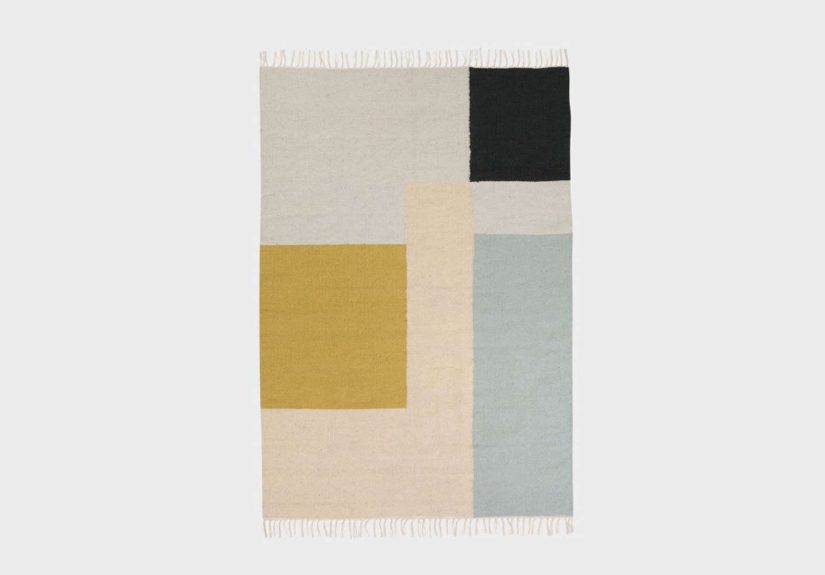
A large kelim rug is one of the fastest ways to make a room look like you hired a designer… or at least borrowed one for the weekend.
It’s colorful without being fussy, flatwoven without being flimsy, and somehow both “worldly” and “goes with my IKEA sofa.”
The catch? Big rugs don’t forgive bad sizing, sloppy placement, or “I’ll get a rug pad later” procrastination.
This guide breaks down what a large kelim (also spelled kilim) rug actually is, why oversized flatweaves work so well in American homes,
how to choose the right size (without accidentally buying a “postage stamp”), and how to keep it looking sharp when life happenskids, pets,
red wine, and that one chair that insists on scooting like it’s training for the Olympics.
What Exactly Is a Kelim Rug?
Flatweave 101: no pile, all pattern
Kelim rugs are flatwoven textiles, meaning there’s no plush “pile” like you’d find in a traditional knotted carpet.
Instead, the design comes from colored wefts woven through warp threads in a tight, structured grid. The result is a rug that’s usually thinner,
lighter, and often reversiblebasically the “two-in-one outfit” of the floor décor world.
Because the surface is flat, kelims tend to show crisp geometric motifs, stripes, medallions, and stylized symbols that can look modern even when
the rug is vintage. That’s why a large kelim rug can sit comfortably in a minimalist living room and still look right at home in a boho space that
features at least one plant named “Fernando.”
Why some large kelims have seams (and why that’s not a scandal)
Here’s a detail that surprises first-time buyers: some large kelim rugs were woven in panels and then joined together. That’s not a defect;
it’s often a practical solution when a loom’s width limits the size of a single woven piece. On large vintage examples, a central seam can be
part of the rug’s original constructionmore “heritage detail” than “oops.”
Why Go Large?
Because tiny rugs make rooms feel… tiny
A big rug anchors furniture, defines the seating area, and makes a room feel intentionally designed rather than “I moved in last week and I’m
still deciding who I am.” Designers routinely warn that rugs that are too small can visually shrink a space and make the layout feel disconnected.
In plain English: small rugs look like they’re floating, and floating rugs make your furniture look like it’s avoiding commitment.
Large kelims add character without the “high-maintenance” vibe
Compared with thick shag or high-pile rugs, flatwoven kelims can be easier to vacuum, easier to reposition, and less likely to trap every crumb
from last night’s snack. They’re also great in high-traffic zones because doors swing over them more easily and chairs move without getting stuck
in a plush pile.
Choosing the Right Size: The “No Floating Furniture” Rule
Before you fall in love with a pattern, measure your room and decide how you want the furniture to interact with the rug.
If you do this step last, the rug will punish you by being 14 inches too small. Rugs are petty like that.
Living room sizing (where most rug regrets are born)
In many U.S. living rooms, common “large rug” sizes are 8′ x 10′ and 9′ x 12′. For bigger rooms or open layouts, 10′ x 14′ can be the sweet spot
that makes everything feel cohesive. A reliable rule of thumb: make the rug at least 6–8 inches wider than the sofa on both sides when possible,
and try to get at least the front legs of major seating pieces on the rug.
- Option A (classic): Front legs of sofa and chairs on the rug, back legs off.
- Option B (luxury look): All legs of sofa and chairs on the rug (needs a bigger size).
- Option C (small-space friendly): Rug fully under the coffee table, with sofa legs just touching the edge (use carefullycan look “floaty”).
Dining room sizing (aka “chair legs must stay on the rug”)
Dining rooms are not the place to flirt with undersizing. You want a large kelim rug that extends beyond the table so chairs stay on the rug even
when pulled out. A common approach is to allow roughly 24 inches (or more) of rug beyond the table edges. That way, guests aren’t doing that
awkward chair-leg wobble that makes everyone suddenly interested in their water glass.
Bedroom sizing (wake up, step on something nice)
For bedrooms, large area rugs typically work best when they extend under the lower two-thirds of the bed, leaving generous rug exposure on the sides
and at the foot. If a full-room rug isn’t in the budget, you can also use runners on both sides of the bedstill cozy, with less square footage to buy.
The easiest measuring trick: tape it out
Use painter’s tape to outline the rug size on the floor before you buy. Live with that outline for a day.
Walk around it. Open doors. Pull out dining chairs. If the tape outline feels right, you’ve just saved yourself the hassle of returning a 9′ x 12′
rug (which is basically the equivalent of returning a small sail).
Color & Pattern: Making Geometry Work for You
If your room is neutral
A large kelim rug can be the “hero piece” in a neutral space. If your sofa is gray, beige, white, or a tasteful shade of “oat milk,” you can go bold:
saturated reds, indigo blues, terracotta, and high-contrast patterns. The flatweave texture keeps it from feeling too heavy.
If your room is already busy
If you’ve got patterned curtains, statement wallpaper, and a gallery wall that’s thriving, choose a kelim with a simpler repeatstripes, smaller motifs,
or a limited palette. Another smart move is to pull one or two existing colors from your room and let the rug echo them, so it looks layered rather than loud.
Materials & Construction: What You’re Paying For
Wool, cotton, and blends
Traditional kelims are often woven with wool for the visible design threads, while warp threads can be wool or cotton.
Wool brings resilience and warmth; cotton can add stability and reduce stretch. Many modern kelim-style rugs also come in wool-cotton blends or
even synthetics designed for easy care (useful if your household regularly hosts sticky-fingered guests under 10).
Natural dye charm (and why “perfectly uniform” isn’t always the goal)
Vintage and artisan-made kelims may use natural dyes that create subtle variationslight shifts in tone across the field.
These variations can be part of the rug’s character, not a flaw. Think of it like wood grain: you’re not trying to eliminate it; you’re trying to enjoy it.
Quality clues to look for
- Even edges: Gentle waviness can happen, but severe rippling may signal tension issues or wear.
- Tight weave: Denser weaving typically improves durability and helps patterns stay crisp.
- Clean joins (if paneled): If there’s a seam, it should feel secure and lie flat.
- Stable fringe/ends: Fringe is often warp ends; check for unraveling or weak spots.
Buying a Large Kelim Rug: Vintage, Antique, or New?
Vintage vs. new: the real trade-offs
Vintage kelim rugs can offer one-of-a-kind designs, softer hand-feel from age, and that impossible-to-fake “this has lived a life” patina.
They may also show wear, repaired areas, or color mellowingoften desirable, sometimes not.
New kelim rugs can be made with consistent sizing, predictable durability, and often easier returns. Some are handwoven; others are
machine-made “kilim-inspired” flatweaves that mimic the look at a friendlier price. Decide what matters most: uniqueness, budget, durability, or convenience.
A quick authenticity and fit checklist
- Ask what fibers are used (wool, cotton, synthetic) and whether dyes are natural or synthetic.
- Confirm the rug’s thickness and whether it needs a pad (spoiler: it probably does).
- Check if the rug is reversible and whether both sides are presentable.
- For vintage pieces, ask about repairs, moth damage history, and any odor issues.
- Make sure the return policy is realistic for a large item (read the fine print before your hallway becomes a rug warehouse).
Rug Pads: The Secret Ingredient Under a Large Kelim Rug
A rug pad is the unsung hero of the large kelim rug setup. It reduces slipping, adds comfort underfoot, protects flooring, and helps a flatweave lie better.
It also makes the whole room feel quieterless scrape, less slide, less “why does it sound like a hockey rink in here?”
Felt + rubber is the go-to combo for most homes
Many home experts recommend a felt-and-rubber pad because it adds cushion and grip. Typically, felt grips the rug while rubber grips the floor.
For a thin flatweave, a thicker pad (often around 1/4 inch or more) can make a noticeable comfort difference.
Size it slightly smaller than the rug
Cut the pad so it sits just inside the rug’s edges. This helps prevent the pad from peeking out and reduces tripping hazards.
If you’re between sizes, choose the larger pad and trim it downmost felt/rubber pads are designed to be cut to size.
Care & Cleaning: Keeping a Large Kelim Rug Looking Sharp
Everyday maintenance (the “two-minute habit”)
- Vacuum regularly using suction rather than aggressive beater bars (flatweaves don’t love a full-contact brawl).
- Shake out or air out when practicalespecially if the rug is in a dusty spot.
- Rotate every few months so traffic patterns and sunlight don’t concentrate wear in one area.
Spill protocol: blot, don’t rub (your rug is not a magic lamp)
If something spills, act fast:
- Blot immediately with a clean, light-colored cloth or paper towels to pull up as much liquid as possible.
- Use cool water first on a damp cloth and continue blotting. Often that’s enough for many spills.
- If needed, use a mild detergent (wool-safe for wool rugs), diluted in water. Test in an inconspicuous area first.
- Rinse by blotting with clean water (don’t soak) so residue doesn’t attract dirt later.
- Dry thoroughly with airflow. Avoid leaving dampness trapped under furniture.
When to call a pro
If the rug is antique, heavily stained, has dye bleeding, or smells musty, professional cleaning is usually the safer choice.
Also: if the spill includes anything oily, sugary, or suspiciously neon, calling an expert can prevent long-term discoloration.
Always follow any care guidance provided by the seller or maker.
Styling a Large Kelim Rug Like You Meant to Do That
Modern + kelim = surprisingly perfect
The easiest way to make a large kelim rug look intentional in a modern room is to keep the big furniture shapes simple:
a clean-lined sofa, solid curtains, and a few sculptural accessories. The rug becomes the artno extra drama required.
Layering for texture (and for “I travel” energy)
Layering is a smart move if you have a beloved vintage kelim that’s slightly smaller than ideal. Place it on top of a larger neutral rug (like jute
or a subtle wool) to create a framed look. This can also add cushioning and reduce wear on the kelim.
Open-plan homes: use a large kelim rug to “zone” the space
In open layouts, a large rug can define a living area, separate it from dining, and create a visual “room within a room.”
The trick is to keep the rug big enough that the seating arrangement feels unitedif your chairs look like they’re avoiding the rug, the zone won’t read.
Common Mistakes (So You Don’t Have to Learn the Hard Way)
- Buying too small: The #1 issue. If the rug doesn’t anchor furniture, the room looks choppy.
- Skipping the rug pad: Slipping, curling edges, and faster wear tend to follow.
- Placing in harsh sun without rotation: Color fading is realrotate and consider window treatments.
- Over-scrubbing stains: Rubbing can push spills deeper and rough up fibers; blotting is safer.
- Ignoring chair friction: Dining chairs can chew up flatweaves without a supportive pad and mindful placement.
Real-World Experiences with a Large Kelim Rug (The Part Nobody Tells You)
People who live with a large kelim rug tend to have a shared set of “oh, so that’s how it works” momentsand learning them upfront is way cheaper
than learning them after a party. One common experience: the rug becomes the unofficial “center of gravity” for the entire room. Even if you change
your sofa pillows, swap the coffee table, or repaint a wall, the kelim’s colors keep everything from feeling random. Homeowners often describe it as
the piece that makes mismatched furniture look curated instead of accidental. It’s like the rug quietly whispers, “Don’t worry, I’ve got this.”
Another very real moment arrives the first time you walk barefoot across it and think, “Wait… should I have bought a rug pad?” Flatweaves are
famously thinner, and on hardwood or tile they can feel a bit like a stylish poster on the floorpretty, but not exactly plush. Once people add a
quality pad, the rug suddenly feels more expensive and more comfortable, and it stops shifting during everyday life. If you have pets, you’ll notice
the difference even more because dogs and cats will test traction like tiny quality-control inspectors.
Speaking of pets: owners often report that kelims are a mixed blessing in the best way. The flat surface can make vacuuming easier because fur sits
on top instead of burrowing into a tall pile, but claws and repeated zoomies can stress the weave if the rug is loose or sliding. That’s why you’ll
hear a lot of “I love it, but it needed a pad immediately.” Families with kids often mention a similar pattern: crumbs are easier to find (and blame
appropriately), but spills demand quick blotting. The upside is that many kelims have busy, geometric motifs that camouflage everyday life better than
a solid ivory rug ever could. In other words, your rug can be beautiful and realistic about humanity.
Large kelim rugs also change how people use space. In living rooms, the rug often becomes the boundary that encourages guests to gather closer,
making conversation areas feel warmer and more intentional. In open floor plans, people frequently say the rug “fixed the echo” and made the room
feel less like a big box. And if your furniture layout has always felt slightly off, a correctly sized kelim can make the arrangement clicklike the
final puzzle piece that proves the picture was there all along.
Finally, there’s the long-term experience: kelims tend to age with personality. Small variations in color, subtle wear in high-traffic lanes, and
gentle softening over time can make a large kelim rug feel more like a home artifact than a disposable décor item. People who buy vintage pieces
often say they enjoy imagining the rug’s history, while people who buy new ones like watching it “break in” and become part of daily life.
Either way, the most consistent takeaway is simple: if you buy the right size, use a good pad, and treat spills like a minor emergency (not a tragedy),
a large kelim rug becomes one of those rare purchases that feels better every year.
Wrap-Up
A large kelim rug is equal parts design shortcut and daily-life upgrade: it anchors furniture, adds instant character, and works across styles from
modern to bohemian to “I don’t know my style but I do know I’m tired of bare floors.” The key is choosing the right size, pairing it with a rug pad,
and maintaining it with gentle, consistent care. Do that, and your rug won’t just decorate your roomit’ll organize it.