Table of Contents >> Show >> Hide
- What Is a Laminate Countertop, Exactly?
- The Pros of Laminate Countertops
- The Cons of Laminate Countertops
- How Much Do Laminate Countertops Really Cost?
- Durability, Lifespan, and Everyday Care
- Finish, Edge, and Color: Choosing the Right Look
- Laminate vs. Quartz vs. Granite: Quick Comparison
- Buying Checklist: Questions to Ask Before You Order
- Real-World Experiences with Laminate Countertops
- Conclusion: A Smart, Stylish Budget Choice
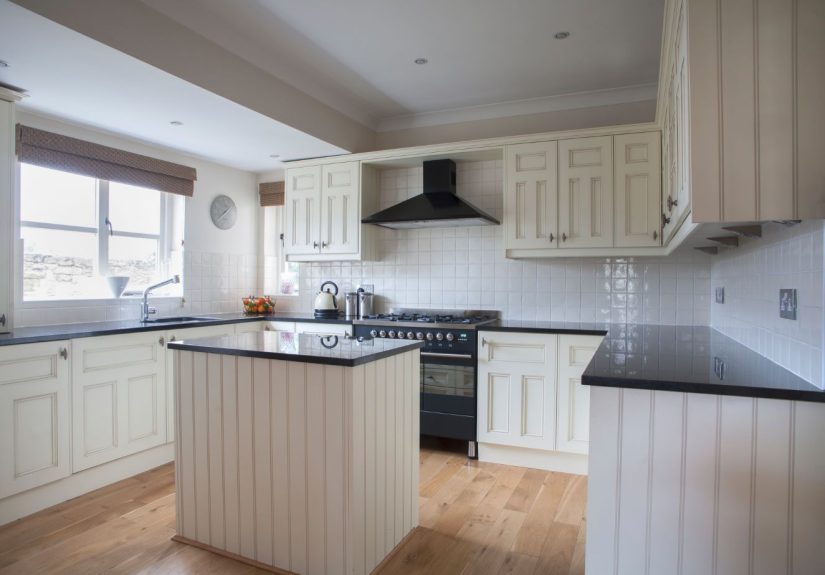
If you’ve ever priced out quartz or granite and immediately needed to lie down, laminate countertops might feel like a breath of fresh (and affordable) air. Modern laminates are not the cheap, plasticky counters you remember from your grandparents’ avocado-green kitchen. Today, they come in surprisingly realistic stone, wood, and concrete looks, with sleek edges and finishes that can seriously upgrade a kitchen or bath without wrecking your budget.
Still, laminate isn’t perfect. It has quirks, limits, and a few things you really shouldn’t do to it unless you enjoy burn marks and swollen seams. Before you order a single linear foot, it helps to understand how laminate countertops work, what they cost, how long they last, and whether they’re the right match for your home and lifestyle.
Consider this your no-nonsense, slightly opinionated guide to laminate countertopspros, cons, real-world performance, and the details most brochures gloss over.
What Is a Laminate Countertop, Exactly?
How Laminate Countertops Are Made
Laminate countertops are made by bonding a decorative sheet of plastic laminate (often high-pressure laminate, or HPL) to a substrate, usually particleboard or MDF. The laminate itself is created from layers of kraft paper soaked in resin, topped with a printed design layer and a clear wear layer, then fused together under heat and pressure.
The result is a hard, thin surface that’s glued and rolled onto the core. Edges are finished with matching laminate or a contrasting material, and seams are sealed to help keep out moisture. Big brands like Formica and Wilsonart have refined this process over decades, so modern laminate is tougher and better looking than older versions.
Modern Looks and Edge Profiles
If you’re picturing loud speckles and visible brown seams, good news: those days are mostly gone. Laminate now comes in patterns that mimic marble, quartz, soapstone, terrazzo, butcher block, and even raw concrete. You can choose from:
- Stone-look laminates that imitate veining and subtle color variations.
- Wood-look laminates that resemble butcher block without the maintenance.
- Solid and neutral tones that pair well with minimalist or Scandinavian-style kitchens.
Edge options have also improved. In addition to traditional square edges, you’ll see:
- Post-formed edges with a soft curve and no visible seam along the front.
- Ogee and beveled edges that mimic high-end stone profiles.
- Custom edges that let you mix materials, like a wood trim along the front.
The bottom line: laminate can convincingly pass as a more expensive surface in photos and at first glance, especially when paired with good lighting and thoughtful design choices.
The Pros of Laminate Countertops
1. Budget-Friendly Pricing
Laminate’s biggest selling point is cost. Many laminate countertops fall roughly in the range that’s often quoted as about the low to mid double digits per square foot installed, while quartz or granite can easily cost more than twice that per square foot installed in many U.S. markets. For a full kitchen, that can mean thousands of dollars savedmoney you can put toward new appliances, better cabinets, or, let’s be honest, your coffee habit.
If you’re doing a starter home remodel, a rental, a basement kitchenette, or a quick refresh before selling, laminate offers a lot of visual impact for a relatively small investment.
2. Huge Variety of Colors and Patterns
Laminates are basically printed surfaces, which means the design possibilities are almost endless. You can get:
- White marble looks with gray veining
- Black “soapstone” with soft movement
- Warm butcher-block styles for farmhouse and rustic kitchens
- Solid, bold colors for retro or modern spaces
This variety makes laminate a great choice if you’re chasing a specific trend but don’t want to commit stone-level money. If tastes change, you won’t feel bad swapping surfaces again down the road.
3. DIY-Friendly Installation
Pre-cut laminate countertop sections (often in 4-, 6-, 8-, or 10-foot lengths with integrated backsplash) are widely available at big-box home improvement stores. Confident DIYers can cut, scribe, and install them with basic tools, which saves even more money.
Professional templating and installation are also widely available if you prefer a seamless, custom-fit look, particularly around corners, sinks, and tricky walls.
4. Easy, Low-Maintenance Surface
Daily care for laminate countertops is refreshingly simple. They don’t need sealing or special stone cleaners. In most cases, a soft cloth, mild dish soap, and water are enough. Because the surface is non-porous, spills don’t soak in quickly, and everyday messes wipe up easily.
For many households, especially busy families, renters, or anyone who doesn’t want a high-maintenance kitchen, this is a big win.
The Cons of Laminate Countertops
1. Limited Heat Resistance
Here’s the rule with laminate and heat: if it’s hot enough to burn you, it’s hot enough to damage your countertop. Laminate can blister, discolor, or bubble when exposed to high temperatures, like a hot pan straight from the oven or a slow cooker used without a trivet.
This isn’t a deal-breaker, but it means you must train yourself (and everyone else in the house) to use trivets and hot pads every single time. If you’re used to casually dropping hot pots on granite, laminate will require a habit change.
2. Vulnerability to Scratches and Chips
Laminate is fairly tough for everyday use, but it’s still a thin surface layer over a softer core. Deep scratches, dropped heavy objects, or sliding something sharp across the counter can gouge or chip it. And unlike solid stone, you can’t sand or refinish laminateonce it’s damaged, it’s there for good unless you replace the section.
Using cutting boards, avoiding dragging heavy appliances, and being mindful with metal cookware helps minimize cosmetic damage.
3. Moisture and Seams
Laminates don’t like standing water at seams, inside sink cutouts, or along the backsplash. If moisture sneaks into the core through a chipped edge, unsealed seam, or poorly caulked sink, the particleboard can swell and the laminate can bubble or delaminate.
Quality installation, proper caulking, and wiping up standing water quickly are important. If your household’s motto is “we’ll get to that puddle eventually,” laminate around sinks needs extra attention.
4. Shorter Lifespan Than Stone
With reasonable care, many laminate countertops last roughly 10 to 20 years. That’s respectable, but not in the same league as stone surfaces, which can last for decades with proper care. If you’re planning a “one and done” forever kitchen, laminate may feel more like a medium-term solution than a lifetime investment.
5. Resale and Trend Considerations
Design trend reports show that quartz and other stone-like materials dominate the “dream kitchen” category for many buyers. Laminate won’t necessarily hurt resaleespecially if it looks fresh, clean, and well chosenbut it generally won’t be a wow factor in the listing the way stone might be.
That said, a dated, damaged stone countertop can be just as off-putting as old laminate. A well-designed laminate kitchen that fits the home’s price point is still a smart, market-friendly upgrade.
How Much Do Laminate Countertops Really Cost?
Exact numbers vary by region and project complexity, but laminate is consistently one of the most affordable countertop materials on the market. Your total cost is affected by:
- Material grade: Basic colors usually cost less than premium stone-look or designer lines.
- Edge profile: Specialty edges and thicker-looking builds can add to the price.
- Custom vs. stock: Pre-cut sections are cheaper than custom templates.
- Installation: DIY saves money, but professional installation offers cleaner seams and better long-term performance.
Even at the higher end of laminate pricing, it typically undercuts quartz and granite by a wide margin. For homeowners on a tight budget or those renovating multiple spaces at once (kitchen, laundry room, and a basement bar, for example), laminate can make the numbers work without feeling like a compromise.
Durability, Lifespan, and Everyday Care
How Long Laminate Countertops Last
Modern high-pressure laminates are surprisingly tough. With regular careno hot pans, no soaking seams, no cutting directly on the surfacemany countertops will easily survive a decade or two of normal use. Homes with gentler traffic (think empty nesters vs. three toddlers with toy hammers) may see even better longevity.
Lifespan depends on:
- Material quality: Brand-name laminates and quality substrates generally outperform bargain options.
- Installation: Well-sealed seams and properly caulked sink cutouts resist water damage.
- Maintenance habits: Promptly wiping spills, using trivets, and avoiding abuse drastically extend life.
Day-to-Day Cleaning
Caring for laminate countertops is refreshingly low drama:
- Use a soft cloth or sponge with mild dish soap and warm water.
- Skip abrasive powders, scouring pads, or harsh chemicals that can dull the finish.
- For sticky messes, let a soapy cloth sit on the spot for a few minutes, then wipe.
No sealing, no polishing, no special cleanersjust common sense.
Smart Habits That Keep Laminate Looking Good
- Always use trivets and hot pads under hot pans, slow cookers, and air fryers.
- Use cutting boards for chopping, slicing, and food prep.
- Wipe up standing water near seams, dish racks, and around the sink.
- Lift, don’t drag small appliances and heavy items across the surface.
None of these habits are difficult, but they make the difference between a laminate countertop that ages gracefully and one that looks tired after a few years.
Finish, Edge, and Color: Choosing the Right Look
Finish Options: Gloss vs. Matte
Laminates are available in glossy, semi-gloss, and matte or textured finishes. Each has trade-offs:
- High gloss looks dramatic but shows scratches, smudges, and water spots more easily.
- Matte and low-sheen finishes are more forgiving, hiding minor wear and crumbs better.
- Textured patterns can disguise small dings and add a subtle, stone-like feel.
In busy kitchens, a matte or lightly textured laminate is usually the most practical choice.
Edge Styles
Edge details are a small design choice that can have a big visual impact. Post-formed edges provide a smooth, rounded front with no seam at the corner, which looks streamlined and helps shed spills. Decorative routed edges or faux-stone profiles can elevate the look, especially on stone-look patterns.
Ask to see full-size samples or display installations before decidingedges can make a budget countertop look noticeably more custom.
Color and Pattern Tips
Picking the right pattern can be overwhelming, but a few guidelines help:
- Think about cabinets first. Warm woods pair well with cream, tan, or warm gray laminates; cool white cabinets look great with soft grays or black stone-looks.
- Consider light levels. Dark counters can look moody and chic, but in a dim kitchen they may make the space feel smaller.
- Be cautious with heavy patterns. Bold, busy designs can look amazing in photos but may dominate a small kitchen in real life.
If possible, bring samples home and view them at different times of day. Laminate patterns can look very different under your actual lighting versus in a showroom.
Laminate vs. Quartz vs. Granite: Quick Comparison
| Feature | Laminate | Quartz | Granite |
|---|---|---|---|
| Approximate Cost | Lowest; often less than half the price of stone | Mid to high; often more than double laminate | Mid to high, depending on slab and fabrication |
| Heat Resistance | Fair; needs trivets for hot pans | Very good, but trivets still recommended | Excellent, though extreme heat can still cause damage |
| Scratch & Impact Resistance | Good for light use; can scratch or chip | Very good; dense and durable | Very good, though edges can chip |
| Maintenance | No sealing; simple soap-and-water cleaning | No sealing; easy to clean | Requires periodic sealing; mild cleaners only |
| Lifespan | Roughly 10–20 years with care | Decades with proper use | Decades with proper use |
| Design Variety | Extremely wide range of patterns and colors | Many consistent stone-style options | Natural variation; each slab is unique |
If your priority is the absolute lowest long-term maintenance and maximum durability, quartz or granite may win. If you’re balancing style and a strict budgetor you’d rather upgrade cabinets, lighting, or flooring insteadlaminate can deliver a lot of visual value for the money.
Buying Checklist: Questions to Ask Before You Order
Before you swipe your card or sign on the dotted line, work through this quick checklist:
- What’s the total installed cost? Get itemized quotes that separate material, fabrication, removal of old tops, and installation.
- Which brand and thickness are being used? Ask about the manufacturer, product line, and substrate quality.
- How will seams be handled? Find out where seams will be located and how they’ll be sealed.
- What about the sink? Discuss whether you’ll use a drop-in or undermount sink and how the cutout will be protected from moisture.
- What edge profile is included? Confirm edge style and whether upgrades affect price.
- Is there a warranty? Ask what’s covered, for how long, and what voids the warranty (like misuse or neglect).
- Can I see full-size samples? Viewing a large sample or showroom display will give you a much better feel for pattern scale.
Spending an extra hour on these details will save you from surprises once the counters are installed.
Real-World Experiences with Laminate Countertops
Numbers and specs are helpful, but nothing beats real-life stories. Here are some common experiences homeowners report with laminate countertopsand what you can learn from them.
The “I Wasn’t Expecting Much, but I’m Impressed” Crowd
Plenty of homeowners admit they chose laminate simply because their budget demanded it. Later, many are pleasantly surprised. They find the counters easy to live with: spills wipe up quickly, they don’t worry about staining like they would with marble, and the lighter weight makes installation simpler. In photos, friends often assume the counters are quartz or solid surface.
The lesson: If you’re hesitant because laminate feels “cheap,” spend some time looking at the newest patterns and finishes in person. You may discover that it looks more high-end than you expect, especially once installed with good cabinets, hardware, and lighting.
Households with Kids and Pets
Families with younger kids or big dogs often appreciate the forgiving nature of laminate. When a cup of juice spills across the counter, you don’t have to panic about staining. Crayon marks, cookie dough explosions, and cereal milk splashes wipe away quickly.
That said, kids are also experts at testing surfaces in…creative ways. Playing with metal toys on the counter, banging utensils, or using knives without a cutting board will eventually leave marks. Parents who enforce a few ground rulesno cutting directly on the counter, trivets for hot pans, and wiping up puddlesusually report that their laminate holds up very well.
Long-Term Users and Vintage Kitchens
Some older homes still have laminate countertops from decades ago. While the patterns may shout “1970s,” the surface itself often remains surprisingly intactproof that laminate can be durable when cared for reasonably well. You’ll see some chips, scratches, and discoloration near hot spots, but the counters still function.
These kitchens demonstrate that even older versions of laminate could go the distance in real-world use. If you’re installing a modern high-pressure laminate today and treating it kindly, you can expect solid performance for many years.
Where Laminate Shines the Most
Homeowners tend to be most satisfied with laminate in spaces where extreme abuse is less common but budget still matters, such as:
- Guest suites or in-law kitchenettes
- Basement bars and entertainment areas
- Laundry rooms and utility spaces
- Home offices or craft rooms with work surfaces
- Modest rental properties where durability and affordability are key
In these rooms, laminate delivers a clean, finished, easy-care surface without overspending on premium stone.
Common Regretsand How to Avoid Them
When people are unhappy with their laminate countertops, the issues usually fall into a few predictable categories:
- Underestimating heat sensitivity: Someone puts a hot pan down “just this once,” leaving a permanent burn mark.
- Poorly sealed seams around sinks: Over time, water sneaks in, the core swells, and the laminate bubbles.
- Choosing a pattern too trendy or busy: It looks cool for a few years, then feels dated or overwhelming.
You can avoid most of these regrets by choosing a durable finish, insisting on good installation around wet areas, and committing to simple daily habits. When in doubt, pick a classic, versatile patternit will age better than something ultra-trendy.
Is Laminate Right for You?
Laminate countertops make the most sense if you:
- Have a tight or moderate budget
- Want a big visual upgrade without stone pricing
- Are willing to use trivets and cutting boards
- Are okay with a 10–20 year lifespan instead of “forever” counters
- Are renovating spaces where high-end stone doesn’t fit the home’s value or your goals
If you prefer to invest once in an ultra-durable surface that will handle almost anything you throw at it, quartz or granite may be worth the extra cost. But for many real, everyday kitchens and utility spaces, laminate delivers a very smart balance of style, price, and practicality.
Conclusion: A Smart, Stylish Budget Choice
Laminate countertops aren’t trying to compete with the luxury of natural stone or engineered quartzbut they don’t need to. Modern laminates offer fresh, stylish looks, easy care, and very friendly pricing. As long as you understand their limits with heat, scratching, and moisture, they can serve your kitchen, bath, or laundry room reliably for years.
Take time to compare patterns in your actual space, ask good questions about installation, and set realistic expectations about lifespan. Do that, and laminate countertops can be one of the smartest upgrades you makequietly doing their job while your budget breathes a sigh of relief.