Table of Contents >> Show >> Hide
- What Are Korean Beef Lettuce Wraps?
- Quick Analysis: Why This Recipe Works
- Ingredients
- Optional Sauces (Because Sauce Is a Love Language)
- Step-by-Step Instructions
- Recipe Card
- Best Lettuce for Lettuce Wraps
- Flavor Boosters and Smart Substitutions
- Serving Ideas
- Meal Prep and Storage Tips
- Common Mistakes (and How to Avoid Them)
- Nutrition Notes (General Guidance)
- FAQ
- Real-Life Experiences With Korean Beef Lettuce Wraps (The “I’ve Made This a Lot” Section)
- Conclusion
If dinner had a “fast, loud, and delicious” category, Korean beef lettuce wraps would take the trophy,
do a victory lap, and still make it home before your rice cooker finishes humming. You get savory-sweet beef kissed with
garlic and ginger, a little heat from gochujang, and a cool, crunchy lettuce “bun” that makes every bite feel fresheven
when you go back for wrap number four (no judgment; that’s just good decision-making).
This recipe is Korean-inspired and weeknight-friendly: quick stovetop beef, easy toppings, and a choose-your-own-adventure
sauce situation. Whether you’re cooking for picky eaters, spice lovers, or your future self doing meal prep, these wraps
are a reliable win.
What Are Korean Beef Lettuce Wraps?
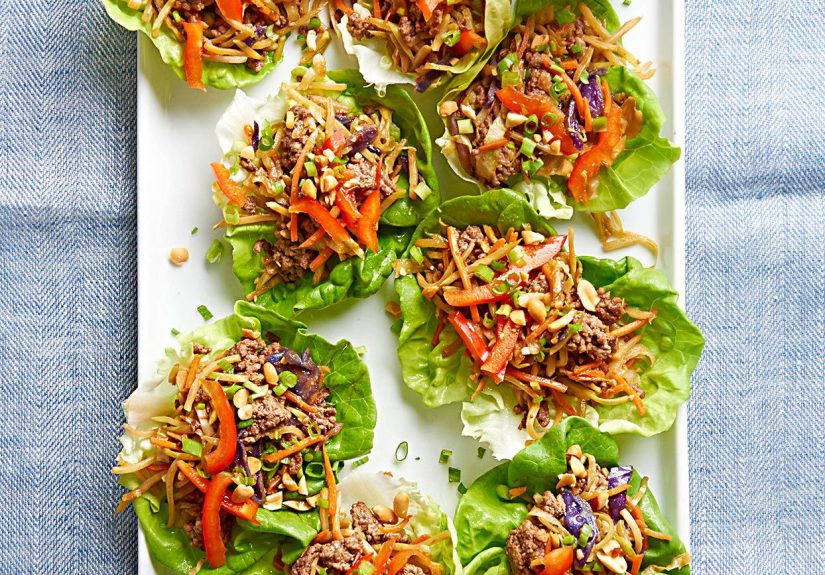
Think of them as a handheld bowl: seasoned beef (usually ground beef) piled into crisp lettuce leaves, topped with crunchy
vegetables and finished with a sauce that’s spicy, savory, creamy, or all three. The flavor profile leans classic Korean:
soy sauce, sesame oil, garlic, ginger, and often
gochujang (Korean chili paste) for sweet heat and depth.
Quick Analysis: Why This Recipe Works
- High heat = better flavor: Browning the beef builds savory depth fast (hello, caramelized bits).
- Balanced sauce: Salty (soy), sweet (brown sugar/honey), spicy (gochujang), nutty (sesame), bright (vinegar/lime).
- Texture contrast: Warm beef + cold lettuce + crunchy toppings makes it feel “restaurant nice” with minimal effort.
- Customizable: Mild for kids, fiery for spice fans, gluten-free with tamari, lighter with turkey or tofu.
Ingredients
For the Korean-Inspired Beef
- 1 lb (450 g) ground beef (80/20 for best flavor; lean works too)
- 2–3 cloves garlic, minced
- 1 tbsp fresh ginger, grated (or 1 tsp ground ginger in a pinch)
- 3 tbsp low-sodium soy sauce (or tamari for gluten-free)
- 1–2 tbsp gochujang (adjust to taste)
- 1 tbsp brown sugar or honey (more if you like it sweeter)
- 1 tbsp rice vinegar (or apple cider vinegar)
- 1–2 tsp toasted sesame oil
- 2 green onions, sliced (whites and greens separated if you want to be fancy)
- 1–2 tsp neutral oil (avocado/canola/vegetable), if needed
- Optional: 1 tsp gochugaru (Korean chili flakes) for extra heat
For Serving
- 1–2 heads butter lettuce, Bibb, or romaine hearts (crisp and cup-shaped are ideal)
- Cooked jasmine rice or cauliflower rice (optional but highly comforting)
- Sesame seeds for garnish
Topping Ideas (Mix and Match)
- Shredded carrots
- Thinly sliced cucumber
- Radishes or quick-pickled onions
- Kimchi (if you like bold, tangy heat)
- Fresh cilantro or mint
- Crushed roasted peanuts or cashews
Optional Sauces (Because Sauce Is a Love Language)
1) Quick Gochujang Mayo
- 3 tbsp mayonnaise
- 1 tbsp gochujang
- 1–2 tsp lime juice or rice vinegar
- Pinch of sugar (optional)
2) Fast Ssam-Style Dip (Ssamjang Shortcut)
- 2 tbsp gochujang
- 1 tbsp miso paste (white or yellow)
- 1 tsp sesame oil
- 1 tsp honey
- 1 tbsp water to loosen (as needed)
Step-by-Step Instructions
-
Prep the lettuce and toppings. Wash and dry the lettuce leaves thoroughly (wet lettuce is basically a
slip-and-slide for beef). Slice toppings and set everything out like a build-your-own wrap bar. -
Brown the beef. Heat a large skillet over medium-high heat. Add a little neutral oil if your beef is
lean. Add ground beef and cook, breaking it up, until browned and cooked through (about 6–8 minutes). Drain excess fat
if needed, but leave a little for flavor. -
Add aromatics. Stir in garlic and ginger. Cook 30–60 seconds, just until fragrant (don’t let garlic
burnit turns from “yum” to “why does it taste like regret?”). -
Make it Korean-inspired. Add soy sauce, gochujang, brown sugar (or honey), rice vinegar, and sesame oil.
Stir well and simmer 1–2 minutes until glossy and slightly thickened. Taste and adjust:- Too salty? Add a touch more sugar or a splash of water.
- Not spicy enough? Add more gochujang or a pinch of gochugaru.
- Want more brightness? Add a little extra vinegar or lime juice.
-
Finish with green onions. Stir in sliced green onion whites, then sprinkle greens on top at the end for
freshness. -
Assemble and eat immediately. Spoon beef into lettuce cups, add toppings, drizzle sauce, sprinkle sesame
seeds, and enjoy that perfect hot-cool-crunchy bite.
Recipe Card
| Prep Time | 10 minutes |
| Cook Time | 10 minutes |
| Total Time | 20 minutes |
| Servings | 4 (about 2–3 wraps per person, depending on enthusiasm) |
| Difficulty | Easy |
Best Lettuce for Lettuce Wraps
The best lettuce is crisp, sturdy, and shaped like a little edible scoop. Here are top picks:
- Butter/Bibb lettuce: Soft, cup-shaped, and flexibleclassic for lettuce wrap recipes.
- Romaine hearts: Crunchy and strong; great if you like a bigger, sturdier wrap.
- Iceberg: Maximum crunch, less “cup,” but great if you want crisp and refreshing.
Pro tip: If your lettuce leaves are small, double them up. Nobody wants a beef escape incident.
Flavor Boosters and Smart Substitutions
Protein Options
- Ground turkey or chicken: Lighter and still deliciousadd a bit more sesame oil for richness.
- Crumbled tofu: Pan-fry until golden, then sauce it the same way.
- Mushroom-beef blend: Half beef, half chopped mushrooms for extra umami and a lighter feel.
Make It Gluten-Free
Swap soy sauce for tamari (or certified gluten-free soy sauce). Check gochujang labels too, since some
brands may contain wheat.
Adjust the Heat Level
- Mild: Use 1 tbsp gochujang and add more honey.
- Medium: 1½ tbsp gochujang plus a pinch of chili flakes.
- Spicy: 2 tbsp gochujang + gochugaru, and add sliced fresh chili as a topping.
Serving Ideas
- Classic: Beef + lettuce + shredded carrots + cucumber + sesame seeds.
- Rice-bowl hybrid: Add rice inside the lettuce cup for extra comfort.
- Party platter: Arrange lettuce leaves, beef, toppings, and sauce in bowlseveryone builds their own.
- Weeknight deluxe: Add kimchi and a drizzle of gochujang mayo. It’s loud in the best way.
Meal Prep and Storage Tips
Make Ahead
Cook the beef up to 3–4 days ahead and store it in an airtight container in the refrigerator. Keep lettuce and toppings
separate so everything stays crisp.
Reheating
Reheat beef in a skillet over medium heat with a splash of water to loosen the sauce, or microwave in short bursts,
stirring halfway through.
Freezing
The beef freezes well for up to 2–3 months. Thaw overnight in the fridge and reheat gently. (Freeze the beef, not the lettuce.
Frozen lettuce is basically salad confetti.)
Common Mistakes (and How to Avoid Them)
- Soggy lettuce: Dry leaves thoroughly. Water + warm beef = instant slump.
- Flat flavor: Don’t skip browning. Those caramelized bits do heavy lifting.
- Too salty: Use low-sodium soy sauce, and balance with sweet/acid.
- One-note spice: Gochujang is complex, but adding vinegar/lime keeps it bright and addictive.
Nutrition Notes (General Guidance)
These wraps can fit a range of eating styles depending on how you build them. Using lettuce instead of tortillas keeps things
lighter, while adding rice makes it more filling. For a leaner version, use ground turkey, reduce sweetener slightly, and
load up on crunchy vegetables.
FAQ
Can I make Korean beef lettuce wraps without gochujang?
Yes. You’ll lose some of the signature sweet heat, but you can approximate it with a mix of chili garlic sauce or sriracha
plus a little extra sugar/honey and a tiny bit of miso (or even a dab of tomato paste for body). Taste and tweak as you go.
What’s the best beef for this recipe?
Ground beef with some fat (like 80/20) browns beautifully and tastes richer. Lean beef works toojust add a little oil and
consider an extra teaspoon of sesame oil at the end for depth.
How do I keep lettuce wraps from falling apart?
Use sturdy leaves, don’t overfill, and double up leaves if needed. Also, keep the filling thick and glossy (not watery) so it
sits neatly in the lettuce cup.
Real-Life Experiences With Korean Beef Lettuce Wraps (The “I’ve Made This a Lot” Section)
Korean beef lettuce wraps are the kind of recipe that sneaks into your routine and then refuses to leavelike that one song
you swore you didn’t like but now somehow know all the lyrics to. The first time I tried making them, I treated the lettuce
like a flimsy afterthought. I washed it, shook it twice, and called it “dry enough.” Spoiler: it was not. The beef slid around
like it was auditioning for an action movie, and the wrap experience turned into a “chase the filling across the plate” sport.
Now I’m loyal to the salad spinner (or a stack of paper towels) because dry lettuce is the difference between “handheld joy”
and “dinner with cleanup consequences.”
Another thing I learned: browning matters more than you think. When you’re hungry, it’s tempting to stir the beef nonstop and
move on. But the best batches happen when you let the meat sit for a minute or two to develop color. Those browned bits grab
onto the sauce like they’ve been training for it. The result tastes deeper, slightly smoky, and less like “I added sauce to
cooked beef” and more like “I did something impressive on a Tuesday.” If you’ve ever wondered why restaurant versions taste
so good, it’s usually a combination of heat, browning, and not being afraid of flavor.
The topping bar is where these wraps really earn their keep. I’ve made them with the “classic” shredded carrots and cucumbers,
and I’ve also made them with whatever was in the fridge: leftover slaw mix, thinly sliced bell peppers, and even diced apples
(surprisingly great with spicy beefsweet crunch is a vibe). Kimchi is a turning point ingredient: if you like it, it makes the
whole plate feel instantly more Korean-inspired, tangy, and alive. If you don’t like kimchi, no worriesquick pickles do a similar
job. One time I had no vinegar left and used lime juice instead, and it worked so well I now do it on purpose when I want a brighter
flavor.
These wraps are also a sneaky crowd-pleaser. For family dinners or casual hangouts, I set everything out and let people build their
own. The picky eaters can keep it simple (beef + lettuce), the spice lovers can pile on gochujang mayo, and the “I’m just here for
the crunch” folks can add extra cucumbers and sesame seeds. It’s a choose-your-own-dinner situation that makes hosting easier because
you’re not guessing what anyone wantsyou’re basically providing delicious Lego pieces.
Meal prep-wise, the beef is a champion. I’ve cooked a double batch, stored it, and used it three ways: lettuce wraps one night, rice
bowls the next, and a quick “fusion” breakfast with a fried egg on top (not traditional, but very effective). The flavor holds up, and
the sauce often gets even better after it sits. The only thing that doesn’t keep well is the lettuceso I treat it like a fresh add-on
and prep it closer to serving. If you try these once, you’ll probably start keeping gochujang in your fridge permanently, because after
you’ve had sweet-spicy beef with sesame and garlic wrapped in crisp lettuce, plain weeknight dinners start feeling a little… underdressed.
Conclusion
Korean beef lettuce wraps hit that rare sweet spot: fast enough for busy nights, flavorful enough for “I should invite
someone over” energy, and flexible enough to suit almost any palate. Brown the beef well, balance salty-sweet-spicy with a little acid,
and build your wraps with crisp lettuce and crunchy toppings. Once you’ve got the basic formula, you can remix it endlesslydifferent
proteins, different sauces, different toppingswithout losing the magic.