Table of Contents >> Show >> Hide
Knee pain has a dramatic talent for showing up at the worst possible time: halfway down the stairs, during a “quick” jog that becomes a slow limp, or right when you stand up from the couch and your knee makes a sound like a tiny bowl of cereal. The good news? Knee pain is common, often treatable, and frequently preventable with the right mix of smart habits, early care, and not pretending you are still the same athlete you were in high school.
This guide explains the most common causes of knee pain, how doctors usually evaluate it, what treatments may help, and how to protect your knees before they start sending angry emails to the rest of your body. This article is educational and should not replace medical advice, especially if pain is severe, sudden, swollen, or linked to an injury.
What Is Knee Pain?
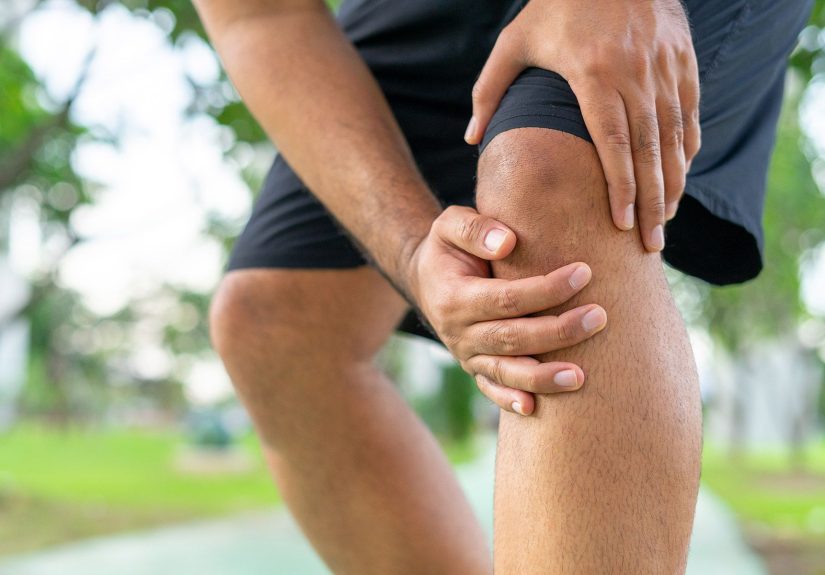
Knee pain is discomfort in or around the knee joint. It may feel sharp, dull, burning, stiff, unstable, swollen, or sore after activity. Some people feel pain in the front of the knee, others on the inside, outside, or behind it. The location can offer clues, but it does not always tell the whole story. Knees are complicated little hinges with bones, cartilage, ligaments, tendons, muscles, bursae, and nerves all trying to work together like a group project where everyone has different standards.
The knee is also one of the body’s hardest-working joints. It helps you walk, run, squat, climb stairs, jump, kneel, sit, stand, and make questionable decisions during recreational sports. Because it carries body weight and absorbs force, even small changes in strength, flexibility, alignment, footwear, training load, or body mechanics can create irritation over time.
Common Causes of Knee Pain
1. Acute Injuries
Sudden knee pain often follows a twist, fall, collision, awkward landing, or direct blow. Common knee injuries include ligament sprains, meniscus tears, tendon injuries, fractures, and kneecap dislocations. A torn ligament, such as an ACL injury, may cause a popping sensation, swelling, instability, and difficulty bearing weight. A meniscus tear may cause joint-line pain, swelling, clicking, catching, or a feeling that the knee locks.
Not every injury requires surgery, but a knee that swells quickly after trauma, feels unstable, cannot bear weight, or has severe pain deserves prompt medical attention. Your knee is not a mystery novel; you do not have to wait until chapter twelve to find out what happened.
2. Overuse and Repetitive Stress
Overuse knee pain develops gradually when the joint or surrounding tissues are loaded more than they can comfortably handle. This is common among runners, cyclists, jumpers, dancers, hikers, warehouse workers, gardeners, and anyone who suddenly decides to “get fit” with the enthusiasm of a motivational poster and the preparation of a potato.
Patellar tendinitis, often called jumper’s knee, involves irritation of the tendon connecting the kneecap to the shinbone. Iliotibial band syndrome can cause pain on the outside of the knee, especially with running or cycling. Bursitis may develop from repeated kneeling or direct pressure. These conditions often respond well to rest, activity modification, targeted strengthening, and gradual return to movement.
3. Patellofemoral Pain Syndrome
Patellofemoral pain syndrome, sometimes called runner’s knee, usually causes aching pain around or behind the kneecap. It may worsen when climbing stairs, squatting, running, jumping, or sitting for a long time with bent knees. Weak hip muscles, tight tissues, poor movement patterns, training errors, or kneecap tracking issues can contribute.
This condition is not limited to runners. It can happen to students, office workers, athletes, weekend hikers, and people who simply own stairs. Treatment often focuses on strengthening the quadriceps, hips, and glutes, improving flexibility, and reducing activities that flare symptoms until the knee calms down.
4. Arthritis
Knee arthritis is a major cause of chronic knee pain. Osteoarthritis is the most common type and occurs when joint cartilage and surrounding structures change over time. It can cause pain, stiffness, swelling, reduced range of motion, and a grinding or creaking sensation. Symptoms may be worse after activity, after sitting too long, or first thing in the morning.
Rheumatoid arthritis and other inflammatory conditions can also affect the knee. Unlike simple soreness after exercise, inflammatory arthritis may involve warmth, swelling, prolonged morning stiffness, fatigue, or symptoms in multiple joints. Because treatment differs by type, persistent swelling or unexplained joint pain should be evaluated by a healthcare professional.
5. Excess Body Weight and Mechanical Stress
Extra body weight can increase stress on weight-bearing joints, especially the knees. This does not mean knee pain is a character flaw or that every person with knee pain needs to focus only on weight. It means that, for some people, modest weight loss combined with strengthening and low-impact activity can reduce pressure and improve function.
The healthiest approach is practical, not punishing: build strength, improve nutrition, walk more if tolerated, sleep better, and choose habits that your real life can actually support. Crash diets and extreme workouts are not knee care; they are just chaos wearing sneakers.
6. Referred Pain and Other Conditions
Sometimes knee pain does not begin in the knee. Hip problems, lower back issues, nerve irritation, or foot and ankle mechanics can change how the knee moves. Gout, infection, cysts, and certain medical conditions can also cause knee pain. This is why persistent pain, unusual swelling, fever, redness, or pain that does not match your activity level should not be ignored.
Symptoms That Help Identify the Problem
Knee symptoms can vary widely. Pain in the front of the knee often points toward patellofemoral pain, tendon irritation, bursitis, or kneecap-related problems. Pain on the inside of the knee may involve the medial collateral ligament, medial meniscus, or arthritis in the inner knee compartment. Pain on the outside may suggest IT band irritation, lateral meniscus issues, ligament injury, or arthritis. Pain behind the knee may involve a Baker’s cyst, tendon irritation, arthritis, or other soft-tissue causes.
Swelling is another important clue. Rapid swelling after injury can suggest internal damage, while gradual swelling may occur with arthritis or overuse. Locking, catching, giving way, fever, redness, inability to straighten the knee, or inability to bear weight are signs that deserve medical evaluation.
When to See a Doctor for Knee Pain
Seek urgent care if knee pain follows major trauma, you cannot bear weight, the knee looks deformed, swelling appears quickly, you have severe pain, or you notice fever, redness, and warmth around the joint. These signs may suggest fracture, infection, serious ligament injury, or another condition that needs fast attention.
Schedule a medical visit if knee pain lasts more than a few days despite rest, keeps returning, limits daily activities, affects sleep, or prevents normal walking. You should also get checked if your knee repeatedly buckles, locks, or swells after activity. A good rule: if your knee has become the main character in your daily life, it is time for a professional opinion.
How Knee Pain Is Diagnosed
Diagnosis usually starts with a medical history and physical exam. A clinician may ask when the pain started, where it hurts, what makes it better or worse, whether there was trauma, and whether you have swelling, instability, locking, fever, or previous knee problems. They may check range of motion, strength, tenderness, swelling, walking pattern, and specific tests for ligaments, meniscus, kneecap tracking, or tendon irritation.
Imaging is not always necessary. X-rays may help evaluate arthritis, fractures, alignment, or chronic pain. MRI may be considered when symptoms suggest soft-tissue damage, surgery is being considered, or pain continues despite appropriate conservative care. Blood tests or joint fluid analysis may be used when infection, gout, or inflammatory arthritis is suspected.
Knee Pain Treatments That May Help
Rest, Ice, Compression, and Elevation
For mild, recent knee pain, short-term rest can reduce irritation. Ice may help with swelling and soreness, especially after a new injury or flare-up. Compression sleeves or wraps can provide support, and elevation may reduce swelling. The goal is not to become permanently attached to the couch; it is to calm symptoms so you can return to smart movement.
Activity Modification
Activity modification means reducing or changing movements that trigger pain while keeping the body active in safer ways. For example, a runner with irritated knees might temporarily switch to cycling, swimming, walking, or strength training. Someone with pain from deep squats may reduce depth, improve form, or use chair-supported exercises.
Pain is information, not always danger. Mild discomfort during rehabilitation may be acceptable, but sharp pain, worsening swelling, limping, or pain that lingers long after activity means the plan may be too aggressive.
Physical Therapy and Strength Training
Physical therapy is one of the most useful treatments for many types of knee pain. A physical therapist can identify weakness, stiffness, movement habits, balance issues, and training errors that may be contributing to pain. Strengthening the quadriceps, hamstrings, hips, glutes, calves, and core can improve knee stability and reduce stress on irritated structures.
Common exercises may include straight-leg raises, bridges, step-ups, wall sits, calf raises, controlled squats, hip abduction work, balance drills, and mobility exercises. The exact program depends on the diagnosis and your pain level. Copying random internet exercises can work occasionally, but so can guessing a Wi-Fi password. A personalized plan is better.
Medications
Over-the-counter pain relievers may help some people manage knee pain. Acetaminophen may reduce pain, while nonsteroidal anti-inflammatory drugs, or NSAIDs, may reduce pain and inflammation. Topical NSAID gels are often used for knee osteoarthritis and may have fewer whole-body side effects than oral medications for some people.
Medication choices should be discussed with a healthcare professional, especially if you have stomach ulcers, kidney disease, heart disease, high blood pressure, take blood thinners, are pregnant, or use other medications. Pain relief is helpful, but safety still gets a seat at the table.
Braces, Supports, and Shoe Changes
Knee braces, sleeves, taping, shoe inserts, or supportive footwear may help certain conditions. A brace may improve confidence after ligament injury or reduce discomfort from arthritis. Shoe changes may help if worn-out footwear or poor support contributes to symptoms. These tools work best when paired with strengthening and movement correction, not as permanent substitutes for muscle function.
Injections
For some people with arthritis or inflammation, clinicians may consider injections. Corticosteroid injections can reduce inflammation and pain for a period of time, especially during arthritis flares. Other injections may be discussed depending on the diagnosis, evidence, and patient goals. Injections are not magic oil for the knee engine, but they can be part of a broader treatment plan.
Surgery
Surgery may be needed for certain fractures, major ligament tears, severe meniscus injuries, advanced arthritis, or mechanical problems that do not improve with conservative treatment. Knee replacement may be considered when arthritis causes severe pain and disability that does not respond to other care. However, many knee problems improve without surgery, especially when treatment begins early and follows a structured plan.
How to Prevent Knee Pain
Build Strength Around the Knee
Strong muscles protect the knee. The quadriceps help control kneecap movement and absorb force. The hamstrings support knee stability. The glutes and hip muscles help keep the leg aligned during walking, running, stairs, and squats. A knee prevention plan should not only train the knee; it should train the entire lower body.
Increase Activity Gradually
Many knee problems begin when ambition outruns preparation. Increase running mileage, hiking distance, workout intensity, or sports participation gradually. Sudden jumps in training load are a classic recipe for overuse injuries. Your knees prefer a polite invitation, not a surprise party.
Warm Up and Improve Mobility
A simple warm-up increases blood flow and prepares muscles and joints for movement. Try five to ten minutes of easy walking, cycling, or dynamic movement before exercise. Stretching tight calves, hip flexors, quadriceps, and hamstrings may also help, especially when stiffness changes your mechanics.
Use Proper Technique
Technique matters. During squats, lunges, stairs, jumps, and running, watch for knees collapsing inward, excessive twisting, poor landing control, or pain-driven compensation. Good form reduces unnecessary stress and helps muscles do their jobs. If you play sports, learning safe landing and cutting mechanics can reduce injury risk.
Choose Low-Impact Exercise When Needed
Walking, swimming, cycling, water aerobics, elliptical training, tai chi, and strength training can help maintain fitness without excessive joint impact. Low-impact does not mean low-value. In fact, for many people with knee arthritis or recurring pain, low-impact exercise is the secret sauce that keeps them active without declaring war on their joints.
Maintain a Healthy Weight
For people carrying extra weight, even modest weight loss may reduce knee stress and improve symptoms. Combine realistic nutrition habits with regular activity and strength training. The goal is not perfection; it is reducing load, improving energy, and helping your knees feel less like they are filing a complaint with management.
Practical Experiences and Lessons From Real Life
Many people first notice knee pain during ordinary moments, not dramatic sports injuries. One common story starts with stairs. Going up may feel fine, but going down creates a sharp or achy feeling around the kneecap. At first, the person ignores it. Then they avoid stairs. Then they begin doing the sideways “crab descent” while pretending everything is normal. This pattern often suggests that the knee is not tolerating load well, especially around the kneecap. The lesson is simple: early discomfort is easier to fix than a problem you have negotiated with for six months.
Another familiar experience is the weekend warrior flare-up. Someone sits at a desk all week, then plays two hours of basketball, runs five miles, or tackles a steep hike on Saturday. By Sunday morning, the knee feels swollen and offended. The issue is not that exercise is bad. It is that the knee was asked to go from zero to superhero without training. A better approach is to build weekly consistency: short walks, two or three strength sessions, mobility work, and gradual increases in intensity.
Office workers often describe stiffness after sitting. The knee feels tight for the first few steps, then loosens up. This can happen with arthritis, patellofemoral irritation, or general deconditioning. A useful habit is movement snacking: stand up every 30 to 60 minutes, walk for two minutes, do gentle calf raises, or practice a few controlled sit-to-stands. These tiny breaks are not glamorous, but neither is groaning every time you leave a chair.
Runners frequently learn that knee pain is not always solved by simply buying expensive shoes, although good shoes can help. Often the bigger issue is training load, hip strength, cadence, recovery, or running form. If knee pain appears after increasing mileage, adding hills, or changing surfaces, reduce the load temporarily and rebuild gradually. Strength training for hips, glutes, calves, and quadriceps can be the missing piece.
People with knee arthritis often fear movement because they worry exercise will “wear out” the joint faster. In many cases, the opposite is true: appropriate exercise improves strength, mobility, balance, mood, and daily function. The key word is appropriate. A painful knee may not love jump squats, but it may tolerate cycling, water exercise, walking, tai chi, or carefully progressed resistance training. Movement should be adjusted, not abandoned.
The biggest experience-based lesson is this: knees like consistency. They do not need heroic workouts, miracle supplements, or dramatic routines. They need steady strength, flexible activity choices, enough recovery, supportive shoes, and attention when symptoms change. Treat your knees like long-term business partners. Listen early, invest regularly, and avoid surprising them with ridiculous demands after months of neglect.
Conclusion
Knee pain can come from injuries, overuse, arthritis, tendon irritation, kneecap tracking problems, body mechanics, or medical conditions. The right treatment depends on the cause, but many cases improve with rest, activity modification, physical therapy, strengthening, low-impact exercise, weight management, and smart prevention habits. Severe pain, swelling, instability, fever, redness, or inability to bear weight should be evaluated promptly.
Your knees are built for movement, but they appreciate planning. Train gradually, build strength, respect recovery, and do not ignore pain that keeps returning. A little attention now can save you from a long-term relationship with ice packs, stairs anxiety, and suspicious clicking noises.