Table of Contents >> Show >> Hide
- Is Peter Krause Really Leaving 9-1-1?
- What Happened to Bobby Nash?
- Why Did 9-1-1 Kill Off Bobby Nash?
- Was Peter Krause Written Out Because He Wanted to Leave?
- How Did Fans React to Bobby Nash’s Death?
- What Happens to Station 118 After Bobby?
- Will Bobby Nash Ever Return?
- What Is Peter Krause Doing After 9-1-1?
- Why Bobby Nash’s Death Hit So Hard
- Experience Section: Watching Bobby Nash Leave Felt Like Losing the Calm in the Chaos
- Final Verdict: Is Peter Krause Leaving 9-1-1?
Spoiler alert: If you are not caught up on 9-1-1 Season 8 and Season 9, proceed with caution. There are emotional sirens ahead, and unlike the 118, they do not arrive with backup.
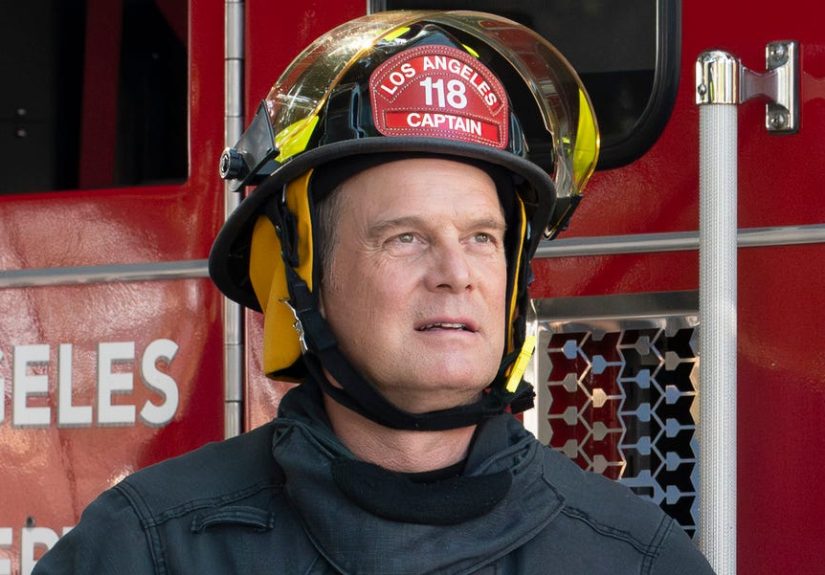
So, is Peter Krause leaving 9-1-1? The answer is yesat least as a regular on-screen presence as Captain Bobby Nash. The ABC first-responder drama made one of its boldest moves in Season 8 when Bobby died in the episode “Lab Rats,” a devastating turn that ended Peter Krause’s eight-season run as the steady, soulful captain of the 118.
For longtime fans, Bobby Nash was not just another TV firefighter with heroic cheekbones and a calm voice in chaos. He was the emotional backbone of the show. He led the team, anchored Athena Grant-Nash’s love story, mentored Buck, supported Hen and Chimney, and somehow made even the wildest 9-1-1 emergencies feel survivable. Bees, cruise disasters, collapsed buildings, plane landings, exploding everythingBobby had seen it all. Then the show did the one thing viewers had trained themselves not to expect: it made the danger permanent.
Is Peter Krause Really Leaving 9-1-1?
Yes. Peter Krause’s character, Captain Bobby Nash, was killed off in Season 8, Episode 15, titled “Lab Rats.” The death was not presented as a dream, fake-out, coma hallucination, secret witness-protection twist, or any of the other TV escape hatches fans desperately tried to build with emotional duct tape.
Showrunner Tim Minear has repeatedly explained that Bobby’s death was a creative decision, not a case of Peter Krause suddenly deciding he wanted to abandon the firehouse, the cast, or the fans. In other words, this was not a behind-the-scenes “I’m out, good luck with the bees” situation. The writers chose Bobby because his death would change every character’s story and raise the stakes for the series moving forward.
That distinction matters. When beloved actors leave long-running shows, fans naturally wonder whether there was drama behind the camera. In this case, the public explanation has been consistent: the decision was about story. It was painful, risky, and wildly controversialbut it was not framed as Peter Krause demanding an exit.
What Happened to Bobby Nash?
Bobby Nash died after being exposed to a lethal virus during a hazardous biolab emergency. The episode placed members of the 118 in a nightmare scenario involving a deadly contagion, a limited cure, and impossible choicesthe kind of setup where you know television is about to hurt your feelings and then ask you to thank it for the privilege.
During the crisis, Chimney was gravely ill after exposure to the virus. Bobby discovered that his own protective gear had been compromised, meaning he had also been infected. Instead of revealing the truth immediately, Bobby made the choice that defined his character: he gave the only available treatment to Chimney and kept his own exposure hidden until it was too late.
That final decision was classic Bobby Nashselfless, protective, and quietly devastating. He did not die because he was careless. He died because he chose his team. He chose Chimney’s future. He chose to give someone else another day, even though it meant he would not get one.
Bobby’s Final Goodbye to Athena
The emotional center of Bobby’s death was his goodbye to Athena Grant-Nash, played by Angela Bassett. Their relationship had become one of 9-1-1’s most beloved love stories: mature, complicated, tender, funny, and strong enough to survive the kind of disasters most couples only encounter if they live inside a network television writers’ room.
In Bobby’s final moments, he and Athena were separated by glass. That visual choice made the scene even more painful. They were close enough to see each other, close enough to speak, but unable to touch. For a couple whose relationship had been built on showing up for each other, the physical separation was brutal.
Bobby told Athena he was not choosing to leave her. He was choosing to save his team because it was the right thing to do. That line landed like a fire truck through the chest because it captured the tragedy perfectly: Bobby wanted to live. He wanted his marriage, his rebuilt home, his future, his family at the 118. His sacrifice was not a surrender. It was love under pressure.
Why Did 9-1-1 Kill Off Bobby Nash?
The simplest explanation is that the show wanted real stakes. For years, 9-1-1 has specialized in huge emergencies that flirt with absurdity but somehow still produce sincere emotion. The characters have survived rebar wounds, shootings, tsunamis, cruise ship disasters, collapsed buildings, and enough professional trauma to make a group therapy waiting room burst into flames.
That survival pattern became part of the fun. Fans would panic, but deep down, many expected the core characters to pull through. Bobby’s death changed that contract. It told viewers that the main cast was not untouchable. The 118 could lose someone. The show could break its own safety net.
From a storytelling perspective, Bobby was the most devastating choice because he connected nearly every major character. To Buck, he was a father figure. To Chimney, he was a captain, friend, and the man who saved his life. To Hen, he was a leader who respected her strength. To Athena, he was a husband and partner. To the firehouse, he was the steady center.
Remove Bobby, and the entire emotional architecture of the show shifts. That is exactly why the choice hurt so muchand why the writers made it.
Was Peter Krause Written Out Because He Wanted to Leave?
Based on the public comments from the creative team, no. Tim Minear has made it clear that Bobby’s death was not written because Peter Krause asked to leave. In fact, the message from multiple interviews has been that nobody wanted to lose Krause personally. The loss was tied to Bobby’s arc, not to a reported breakdown between actor and production.
Peter Krause also addressed the departure with grace, acknowledging that fans had every right to be upset. He described Bobby’s ending as a meaningful sacrifice that honored first responders. That response fits the tone of the character: dignified, humble, and just emotionally destructive enough to make viewers stare at the wall for a while.
For fans asking “Why Peter Krause?” the answer is really “Why Bobby Nash?” The show did not simply remove an actor; it concluded a character arc that began with guilt, grief, and a search for redemption. Bobby arrived in Los Angeles as a man haunted by the family he lost and the mistakes he could not undo. Over time, he built a new life. He found love with Athena. He became a captain his team trusted with their lives. His final act completed that long journey from surviving guilt to choosing sacrifice from a place of love.
How Did Fans React to Bobby Nash’s Death?
Let’s put it gently: the fandom did not take it like a calm workplace memo.
Bobby’s death sparked shock, grief, anger, tribute posts, theory threads, and the kind of emotional online activity usually reserved for series finales and surprise album drops. Some fans praised the boldness. Others felt betrayed. Many simply mourned. The reaction was especially intense because Bobby was not a side character who wandered in three episodes ago holding a clipboard and a tragic destiny. He had been there from the beginning.
Part of the backlash came from how safe Bobby felt as a character. He was the captain. He was the adult in the room. He was the person who made the chaos feel manageable. Killing him was like removing the handrail from a staircase and then asking everyone to enjoy the architecture.
But the emotional response also proves how effective Bobby was. Television deaths only create this level of conversation when audiences feel they have lost someone important. Bobby Nash mattered because Peter Krause played him with warmth, restraint, humor, and deep humanity. He was heroic without being flashy, broken without being melodramatic, and wise without sounding like a motivational calendar.
What Happens to Station 118 After Bobby?
Bobby’s death created a leadership vacuum at Station 118. The show did not immediately replace him with a shiny new captain and a welcome basket. That would have felt cheap. Instead, the series allowed the characters to sit with the loss.
Season 8’s final episodes explored grief, guilt, and uncertainty. Chimney struggled with the fact that Bobby died so he could live. Athena had to face life without the man who had become her home. Buck, Hen, Eddie, Maddie, and the rest of the team had to understand what the 118 meant without the captain who held it together.
In Season 9, Bobby’s legacy continued in a visible way: Station 118 was honored as the Captain Robert W. Nash Memorial Station 118. That detail matters because it shows the writers were not treating Bobby’s death as a quick ratings shock. His absence became part of the show’s physical and emotional landscape. The firehouse remained “Bobby’s house,” even without Bobby walking through it.
Will Bobby Nash Ever Return?
Bobby is dead in the main storyline, but television has more memory tools than a scrapbook. Flashbacks, dreams, visions, grief sequences, recorded messages, and emotional callbacks can all allow Peter Krause to appear without reversing the death.
That is the important distinction. A future appearance would not necessarily mean Bobby survived. It could mean the show is using memory, grief, or imagination to keep his presence alive. Given how central Bobby was, it would make sense for 9-1-1 to revisit him in moments where Athena, Buck, Chimney, or the team need to process what he meant to them.
Still, fans hoping for a secret resurrection should be cautious. 9-1-1 has survived some wild plotlines, but Bobby’s death was staged with finality. The body bag, the goodbye, the aftermath, and the memorial all point in one direction: Bobby’s story as a living character has ended.
What Is Peter Krause Doing After 9-1-1?
Peter Krause is not disappearing from television forever. After his 9-1-1 exit, he was reported to have joined the NBC pilot Protection, a drama involving a law-enforcement family targeted by a mysterious assassin. If the project moves forward, it would mark Krause’s first major TV role after leaving 9-1-1.
That next step makes sense. Krause has built a long television career on emotionally grounded characters, from Sports Night and Six Feet Under to Parenthood and 9-1-1. He has a talent for playing men who carry emotional weight without making every scene feel like an acting exercise. Whether he is leading a firehouse or navigating family drama, he brings a quiet authority that audiences trust.
For 9-1-1 fans, seeing him in another role may feel strange at first. Bobby Nash’s helmet is not easy to take off emotionally. But Krause’s next chapter also gives viewers something to look forward to after a goodbye that felt more like losing a TV family member than simply watching a character exit.
Why Bobby Nash’s Death Hit So Hard
Bobby’s death worked because it was not random. It was painful, yes, but it was rooted in who he had always been. From the beginning, Bobby carried guilt over the deaths of his first wife and children. His life in Los Angeles was built on service, recovery, faith, and the hope that helping others might give meaning to what he had survived.
Over eight seasons, Bobby learned that he was more than his worst day. He became a mentor, husband, captain, and friend. He learned to accept love instead of merely earning forgiveness through sacrifice. That is what makes his ending so tragic: he had finally built a life he wanted to keep.
If Bobby had died because he secretly wanted death, the ending would have been bleak. But the episode framed his sacrifice differently. Bobby wanted to stay. He wanted Athena. He wanted the 118. He wanted tomorrow. That is why the choice had weight. He gave up something precious, not something empty.
Experience Section: Watching Bobby Nash Leave Felt Like Losing the Calm in the Chaos
For many viewers, the experience of watching Bobby Nash die was not just about shock. It was about losing the character who made the show feel safe. Every series has that one person who seems to steady the room. On 9-1-1, Bobby was that person. He could walk into a disaster involving fire, flood, panic, explosives, or one of those emergencies that makes you wonder whether the writers’ room has a whiteboard labeled “What if Tuesday got worse?” and still make everyone breathe a little easier.
That is why the episode felt so personal. Fans were not merely watching a plot twist; they were watching the emotional center of the show step out of the story. The 118 without Bobby feels different because Bobby was more than a boss. He represented the idea that broken people can rebuild, that leadership can be gentle, and that family is sometimes the group of exhausted people standing beside you in turnout gear after the worst day imaginable.
One of the most relatable parts of the fan response was the strange mix of anger and admiration. Viewers could hate the decision and still understand the storytelling logic. They could say, “How dare you?” while also admitting, through tears and probably a half-empty snack bowl, that Bobby’s sacrifice fit him. That emotional contradiction is part of good television. It makes people argue, rewatch, write essays, make edits, and text friends in all caps.
The death also changed how earlier Bobby scenes feel. His quiet advice to Buck, his partnership with Athena, his moments of faith, his kitchen-table warmth, his captain speecheseverything now carries extra meaning. That is one of the strange powers of a major character death. It rewrites memory. Scenes that once felt comforting now feel like clues, blessings, or goodbyes we did not know we were receiving.
For viewers who found comfort in Bobby, the loss may feel like the show took away its emotional seatbelt. But it also left behind a legacy. Bobby’s influence continues through the people he loved and led. Buck’s growth, Chimney’s survival, Hen’s strength, Athena’s grief, and the firehouse’s identity all carry pieces of him. The 118 may continue answering calls, but every alarm now rings in a world Bobby helped shape.
That is why “Is Peter Krause leaving 9-1-1?” became more than a casting question. It became a grief question. It became a legacy question. It became a test of whether the show could survive losing the man who made survival feel possible. And honestly? That is a lot to ask from viewers who just wanted their weekly emergency drama and maybe a tiny break from emotional destruction. But if Bobby Nash taught fans anything, it is that love, service, and family do not end just because the person who embodied them is gone.
Final Verdict: Is Peter Krause Leaving 9-1-1?
Yes, Peter Krause has left 9-1-1 as a main cast member after Bobby Nash’s death in Season 8. Bobby died after sacrificing himself to save Chimney during the biolab virus crisis in “Lab Rats.” The exit was publicly explained as a creative decision designed to give the show real stakes and complete Bobby’s long redemption arc.
It was heartbreaking. It was controversial. It was the kind of television moment that makes fans threaten to quit watching and then immediately search for the next episode preview. But whether viewers loved or hated the choice, Bobby Nash’s final act was true to the character: he protected his people, honored his calling, and left behind a firehouse that will never be the same.
Captain Bobby Nash may be gone, but his legacy is still riding with the 118. And somewhere in TV heaven, he is probably calmly organizing the emergency response while everyone else is crying into their helmets.