Table of Contents >> Show >> Hide
- What Naloxone Is (And What It Isn’t)
- Why “First Aid Kit Naloxone” Is Becoming a Normal Question
- Who Should Consider Keeping Naloxone on Hand?
- Naloxone Options: What You’ll See in Real Life
- How to Recognize a Possible Opioid Overdose
- What To Do: A Practical, First-Aid Style Response
- “Will One Dose Be Enough?” and Other Real-World Questions
- What It Feels Like When Naloxone Works
- Where Naloxone Fits in a “Modern” First Aid Kit
- Training: The Confidence Upgrade
- Legal and Safety Considerations (Because People Worry)
- Quick FAQ
- Experiences People Share: What “Having Naloxone” Looks Like in Real Life (About )
- Conclusion
Most first aid kits are built for the “everyday emergencies”: scraped knees, small burns, a dramatic encounter with a kitchen knife
that ends in a bandage and a life lesson. But the modern world has a new kind of emergency that can happen in a parking lot, a bathroom,
a bedroom, or a break roomand it doesn’t announce itself politely.
That’s where naloxone comes in. Think of it as a “pause button” for an opioid overdose: it can temporarily reverse opioid effects,
especially dangerously slowed or stopped breathing, long enough for emergency help to take over. It doesn’t replace 911. It doesn’t “fix” addiction.
It doesn’t turn a crisis into a calm afternoon. But it can buy timeand time is the whole point.
If you keep an AED in public buildings because heart attacks happen, it’s not a big leap to ask: Should naloxone be treated the same way?
For many households, workplaces, and community spaces, the answer is increasingly “yes.”
What Naloxone Is (And What It Isn’t)
Naloxone is an opioid antagonist, which is a science-y way of saying it blocks opioids from attaching to receptors in the brain and body.
When opioids are driving the emergencyespecially by slowing breathingnaloxone can reverse those effects quickly.
Here’s what naloxone is not:
- Not a pain medication.
- Not a “morning-after” cure for opioid use disorder.
- Not effective for overdoses caused only by non-opioid substances.
- Not a reason to delay calling 911 (more on that in a minute).
One of the most practical things to know: naloxone generally won’t harm someone if opioids aren’t the cause. If you’re unsure,
emergency experts commonly emphasize it’s better to treat the situation as an opioid overdose and get help than to guess wrong.
Why “First Aid Kit Naloxone” Is Becoming a Normal Question
Opioids show up in more places than many people realize. That includes prescription pain medicines (after surgery or dental work),
counterfeit pills, and illicit opioids like heroin and fentanyl. Because fentanyl has been found mixed into other drugs, people may be exposed
without expecting it. That’s why the “it won’t happen here” mindset has started to feel… optimistic.
Naloxone access has expanded significantly in the U.S., including multiple naloxone nasal sprays now approved for over-the-counter purchase.
That means you don’t need to be a clinician, an EMT, or someone with a medical badge to carry it. You just need to be a person who wants to be useful
in the worst five minutes of someone else’s life.
Who Should Consider Keeping Naloxone on Hand?
You don’t have to be “the overdose expert” of your friend group. You just need to know that risk can be closer than it looks.
Keeping naloxone makes sense for many people and settings, including:
-
Households where someone takes opioids (even as prescribed), especially if there are high doses, multiple medications,
or a history of substance use. - People in recovery or those supporting someone in recovery.
- Workplaces with public-facing restrooms or high foot traffic.
- Hospitals, clinics, shelters, and community centers (many already do).
- Friends and family of anyone at riskbecause emergencies rarely RSVP.
- College housing and events where accidental exposure risk can be higher.
The U.S. Surgeon General has also encouraged broader awareness and availability of naloxone as a public health measure. In other words:
this isn’t a fringe idea. It’s mainstream preparednesslike keeping a fire extinguisher even if you don’t plan to set the kitchen on fire.
Naloxone Options: What You’ll See in Real Life
1) Nasal spray
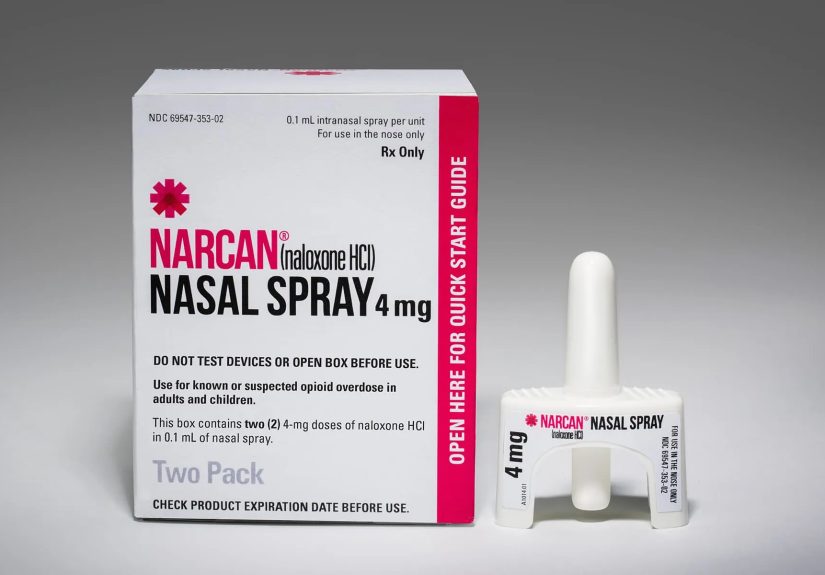
The nasal spray is the “grab-and-go” option many people recognize (often by brand names). It’s compact, simple to use, and commonly packaged
in a two-dose boxbecause some overdoses require more than one dose.
2) Injectable forms
Injectable naloxone exists in different formats, including prefilled devices in some settings. Many community programs distribute versions
along with training. Injectable options can be very effective, but may feel less approachable for people who are needle-averse
(which is… most people who have ever seen a needle).
The best option is the one you’re willing to carry and feel confident using. Confidence matters in emergencies because your brain will be busy
doing its favorite hobby: panicking.
How to Recognize a Possible Opioid Overdose
Opioid overdoses often involve breathing trouble. Signs can vary, but common red flags include:
- Very slow, irregular, or stopped breathing
- Unresponsiveness (can’t wake them, doesn’t respond to shouting or a firm rub on the sternum)
- Pinpoint pupils
- Snoring, gurgling, or choking sounds (sometimes called the “death rattle” in training materials)
- Skin that looks pale, clammy, grayish, or bluish depending on skin tone
A key point: overdose doesn’t always look like movie-drama collapse. It can look like someone “sleeping it off” but breathing badly.
If something feels off, trust that instinct and act.
What To Do: A Practical, First-Aid Style Response
This is the part people want to get “exactly right.” Here’s the truth: the best response is the one that happens fast and follows
basic emergency steps. Many public health and first aid organizations emphasize a similar sequence:
- Check responsiveness. Try calling their name, a firm shoulder tap, and a loud “Are you okay?”
-
Call 911 immediately. Even if naloxone works, the person still needs medical evaluation. Naloxone can wear off before the opioids do,
and breathing problems can return. - Give naloxone. Follow the product directions. If it’s a nasal spray, it’s designed for bystandersno assembly line degree required.
- Support breathing. If the person isn’t breathing normally, trained guidance often recommends rescue breathing until help arrives.
- Stay with them. If they start breathing on their own but remain unresponsive, place them on their side (recovery position) and monitor.
If you’re thinking, “That sounds like a lot to remember,” you’re not wrong. Emergencies are rude. The workaround is training (quick courses exist)
and keeping naloxone in a consistent place so you’re not rummaging through cabinets like you lost your car keys in a haunted house.
“Will One Dose Be Enough?” and Other Real-World Questions
Sometimes you need more than one dose
Overdoses involving potent opioids can require multiple doses of naloxone. That’s one reason many over-the-counter naloxone products come in
two-dose packs. If the person doesn’t respond after the first dose and help hasn’t arrived, a second dose may be needed.
(Again: follow the product’s instructions and emergency operator guidance.)
Naloxone doesn’t reverse everything
Naloxone specifically reverses opioid effects. If other sedatives are involved, naloxone may not “wake” the person fullybut it can still restore breathing
if opioids are part of the problem. Because the drug supply can be unpredictable, public health guidance commonly emphasizes:
give naloxone and keep supporting breathing while waiting for emergency care.
Higher-dose doesn’t automatically mean “better”
There’s been discussion about higher-dose naloxone products. Research reported in public health sources has suggested that higher doses may not improve survival
compared with standard doses in certain real-world settings, but can be associated with more withdrawal symptoms. For most people building a “first aid kit” approach,
the takeaway is simple: keep an accessible standard product, carry enough doses, and focus on rapid response plus 911.
What It Feels Like When Naloxone Works
This matters because it can be startling. If naloxone reverses an opioid overdose, the person may wake up confused, agitated, or uncomfortable.
They may feel withdrawal symptoms (like nausea or body aches). That doesn’t mean you did anything wrongit can be part of reversing opioids quickly.
The goal isn’t to create a pleasant moment. The goal is breathing and survival. Keep your voice calm, explain what happened,
and stay with them until medical help arrives.
Where Naloxone Fits in a “Modern” First Aid Kit
You don’t need a special tactical backpack. Naloxone fits in a normal kit if you plan for it. A practical setup includes:
- Naloxone (ideally a two-dose pack)
- Gloves (basic protection is smart in any emergency)
- A face shield for rescue breathing (a compact barrier device)
- Simple instructions taped inside the kit lid: “Call 911 • Give naloxone • Support breathing • Recovery position”
- Emergency contacts (especially for workplaces or community spaces)
Storage and expiration: don’t let your kit “age out”
Naloxone products should be stored according to labelinggenerally at room temperature and protected from extreme heat/cold and light.
Check expiration dates. Set a recurring reminder like you do for smoke detector batteriesbecause the one time you need it is not the moment you want
to discover you’ve been carrying a relic from three phones ago.
Training: The Confidence Upgrade
Carrying naloxone is good. Carrying naloxone and knowing what to do is better. Training can be short and practical, and it helps with:
- Recognizing overdose signs faster
- Practicing the steps so you don’t freeze
- Learning rescue breathing basics
- Understanding what to expect after naloxone is given
Many communities also offer naloxone through public health programs with education included. If you’re building readiness for a family, a staff team,
or a venue, a brief group training can turn “I hope someone else knows” into “We’ve got this.”
Legal and Safety Considerations (Because People Worry)
A common barrier is fear: “What if I get in trouble for calling 911?” Many states have some form of Good Samaritan protections related to overdose emergencies,
and public health agencies encourage calling for help. Laws vary by state, so it’s worth checking local guidance, but the public health message is consistent:
don’t let fear delay an emergency call.
Another worry: “Am I ‘enabling’ drug use?” Preparedness is not permission. Seat belts don’t encourage car crashes. Fire extinguishers don’t encourage arson.
Naloxone is a safety tool for a public health reality.
Quick FAQ
Is naloxone safe?
Naloxone is widely described by public health agencies as safe, and it works only if opioids are present. The more common “problem” is that it can trigger withdrawal
in someone dependent on opioids, which is uncomfortablebut far less dangerous than not breathing.
Do I still call 911 if the person wakes up?
Yes. Naloxone’s effects can wear off, and the person still needs medical evaluation. This is a “treat now, evaluate ASAP” situation.
Should I keep naloxone in my car?
It depends on climate. Extreme heat or cold can damage medications. If you keep it in a vehicle, follow the product’s storage guidance and consider
bringing it inside when temperatures swing.
Is it only for people who use illicit drugs?
No. Overdose risk can involve prescriptions, accidental exposures, or unexpected fentanyl contamination. Naloxone is about breathing support in an emergency,
not about judging how someone got there.
Experiences People Share: What “Having Naloxone” Looks Like in Real Life (About )
The most common “naloxone story” starts the same way: someone didn’t think they’d ever need it. They bought it because a family member had surgery.
Or because their workplace added it to the first aid cabinet. Or because they saw a community training and figured, “Better to have it and never use it.”
Then an ordinary day swerved into an emergency.
People who’ve been in that moment often describe how fast time changes shape. One minute you’re annoyed that someone is “sleeping too hard.”
The next, you notice the breathing doesn’t look rightand your brain starts flipping through possibilities like it’s speed-running a panic playlist.
In those stories, naloxone doesn’t show up as a magic wand. It shows up as something simpler: a tool that gives you something to do
while help is on the way.
In family scenarios, it’s often a spouse or parent who acts. They’ll talk about the weird calm that comes from having a plan:
“Call 911. Get naloxone. Follow the steps.” The plan doesn’t remove fear, but it organizes it.
A surprising theme is guiltpeople wondering if they “overreacted.” But emergency training messages are consistent:
if you’re seeing the signs, acting quickly is the right call. Most people would rather be embarrassed than bereaved.
In workplace and public-space stories, it’s often a coworker or staff member who finds someone unresponsive.
What stands out is how much a visible, clearly labeled kit matters. If naloxone is locked away, buried under paperwork, or stored “somewhere in the manager’s office,”
you lose precious minutes. Places that do this well treat naloxone like a fire extinguisher: easy to find, easy to grab, and paired with a simple instruction card.
Another thing people report: the moment naloxone takes effect can be intense. Some people wake up disoriented or upset, and bystanders sometimes interpret that as
“the person is angry at me.” But people who’ve been trained are more likely to stay calm and remember: agitation can happen, and it doesn’t mean you did something wrong.
They’ll keep space, use a steady voice, and focus on safety until EMTs arrive.
Community volunteers and harm reduction workers often describe a different “experience”: not the one dramatic save, but the slow work of normalization.
Handing out naloxone and teaching the steps can feel like teaching people to use a seat belt in a world that keeps inventing new roads.
Over time, the stigma can soften. People start saying, “We keep naloxone next to the first aid kit,” the same way they say, “We keep a flashlight for blackouts.”
The most honest takeaway from these shared experiences is also the simplest: having naloxone doesn’t make you paranoid. It makes you prepared.
And in an opioid overdose emergency, preparedness isn’t just a virtueit can be the difference between “we did everything we could” and “we didn’t have what we needed.”
Conclusion
Naloxone belongs in the conversation about basic safety because opioid overdoses are a reality across communities, not a problem confined to a single stereotype.
Adding naloxone to a first aid kit is a practical step: it’s small, it’s accessible, and it gives bystanders a way to act fast while professional help is on the way.
Pair it with a short training, keep it stored properly, and treat it like other emergency toolssomething you hope to never use, but you’re grateful to have.