Table of Contents >> Show >> Hide
- What Is Howard Feed-N-Wax?
- Why So Many Shoppers Keep Buying It
- Where Howard Feed-N-Wax Works Best
- How to Use Howard Feed-N-Wax the Right Way
- What Howard Feed-N-Wax Does Welland What It Does Not
- How It Compares With Other Wood-Care Options
- Common Mistakes to Avoid
- Who Should Buy It?
- Is Howard Feed-N-Wax Worth It?
- Real-World Experiences With Howard Feed-N-Wax
- Final Thoughts
Every home has at least one wooden piece that deserves an apology. Maybe it is the dining table that has survived years of hot mugs, mystery crumbs, and one unfortunate glitter project. Maybe it is the kitchen cabinet door that now looks less “warm walnut” and more “tired toast.” Whatever the case, wood has a sneaky habit of losing its glow slowly enough that you do not notice it until one day you doand then you cannot unsee it.
That is exactly why Howard Feed-N-Wax has become one of those products people recommend with the enthusiasm usually reserved for miracle snacks and shows they binge in one weekend. This wood polish and conditioner has built a loyal following because it promises something most homeowners want: richer-looking wood without the drama of a full refinishing project. In other words, it is for people who want their furniture to look revived, not reborn in a DIY identity crisis.
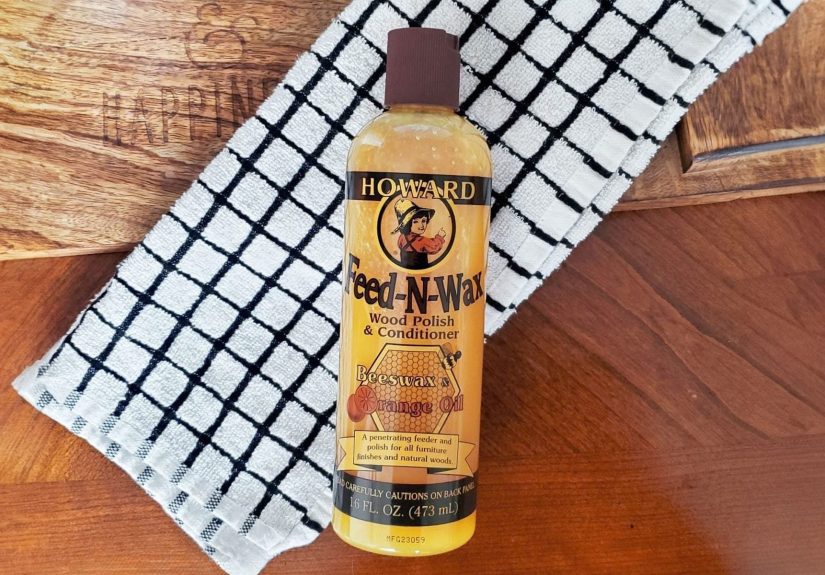
So, what is the big deal? Howard Feed-N-Wax combines beeswax, Brazilian carnauba wax, mineral oil, and orange oil in a formula designed to add luster, deepen grain, and help prevent wood from looking dry and faded. It is marketed for both finished and unfinished wood, and it is often used on antiques, furniture, cabinets, doors, and trim. That combination of easy application and visible payoff is a big reason so many shoppers keep repurchasing it instead of letting their furniture slowly turn into décor with trust issues.
In this guide, we will break down what Howard Feed-N-Wax is, why so many people love it, how to use it correctly, where it shines brightest, and where it does not belong. We will also look at real-world experiences homeowners tend to have with it, because wood care is not just about labels and instructions. It is about that deeply satisfying moment when an old tabletop suddenly looks like it got eight hours of sleep and a glass of water.
What Is Howard Feed-N-Wax?
Howard Feed-N-Wax is a wood polish and conditioner meant to refresh and maintain wood surfaces. It is not a stripper, not a stain, and not a full refinishing system. Think of it as the maintenance hero in the middle lane: more substantial than a quick dusting spray, but far less intense than sanding your weekend away.
The formula is built around two waxesbeeswax and Brazilian carnauba waxplus conditioning oils and orange oil. The waxes help leave behind a soft protective coating and low-luster sheen, while the oils help the wood look less parched and more alive. This is why people often use it on furniture that looks dull, faded, or a little neglected but is not truly ruined.
Howard also positions Feed-N-Wax as a follow-up product to Restor-A-Finish, which tells you a lot about its role. It is designed to help maintain a restored finish, not replace a finish that is failing badly. If your cabinet is scratched to the point of looking like it lost a knife fight, no conditioner is going to perform emotional support and structural repair at the same time.
One especially important detail: Howard says Feed-N-Wax is not intended for food-prep surfaces. So while it may be great for wooden cabinets near your kitchen, it is not the right choice for cutting boards, butcher block counters used for food prep, or wooden utensils. That is not a tiny footnote. That is a “please do not buff your charcuterie board with the wrong product” kind of detail.
Why So Many Shoppers Keep Buying It
It makes wood look richer fast
The main appeal is visual. Feed-N-Wax tends to deepen the grain and revive the color of wood without making it look plasticky or overdone. Instead of a fake, high-gloss showroom shine, the finish is usually described more like a soft luster. That is a big reason the product is popular with people who want their wood furniture to look cared for rather than shellacked into another dimension.
It is easy to use
Complicated wood-care routines tend to end the same way gym memberships do: with good intentions and very limited follow-through. Feed-N-Wax works because the process is simple. You wipe it on with a soft cloth, let it sit, wipe off the excess, and buff. That is manageable even for people whose idea of restoration usually begins and ends with moving something closer to better lighting.
It hits the sweet spot between polish and conditioner
Some products clean. Some shine. Some condition. Feed-N-Wax is popular because it sits at a useful intersection. It helps make wood look better right away, but it also leaves behind wax protection and a more nourished appearance. That makes it a practical option for furniture that looks dry, faded, or just plain bored with life.
The scent does not scream “industrial disaster”
Another reason people like it is the orange-oil smell. Wood-care products can sometimes make a room smell like a chemistry lab with bad intentions. Feed-N-Wax tends to go in a friendlier direction. For many users, that matters more than brands realize. A product you do not mind smelling is a product you are more likely to use again.
Where Howard Feed-N-Wax Works Best
This product tends to earn its keep on everyday wood surfaces that need cosmetic revival and light protection. Some of the most common uses include:
- Dining tables that have lost depth and warmth
- Wood kitchen cabinets that look dry or faded
- Antique furniture that needs gentle maintenance
- Desk surfaces, bookshelves, and side tables
- Interior wood doors, trim, and decorative woodwork
- Unfinished wood pieces that need extra richness and luster
It is especially appealing for older pieces that are not damaged enough to justify refinishing, but are definitely no longer winning any beauty contests. If the wood still has good bones but looks dull, thirsty, or lifeless, Feed-N-Wax is exactly the kind of product people reach for.
How to Use Howard Feed-N-Wax the Right Way
If you want the best result, do not just slap it on a dusty surface and hope for cinematic transformation. Wood is not magic. It is picky. A better routine looks like this:
1. Start with a clean surface
Before applying any polish or conditioner, remove dust, grime, or sticky buildup. Wood-care experts generally agree on the basics here: use a soft or microfiber cloth, avoid soaking the surface, and dry it promptly. If you trap dirt under a conditioning product, you are not “restoring the wood.” You are laminating your mistakes.
2. Test in a small, hidden area
Even great products deserve a trial run. Test Feed-N-Wax on an inconspicuous area first, especially if you are dealing with antiques, unknown finishes, or a piece that has already survived several decades of questionable cleaning choices.
3. Apply with a soft cloth
Saturate a small, soft cloth with the product and wipe it evenly onto the wood. Work methodically instead of going full tornado mode. The goal is coverage, not chaos.
4. Let it sit
Howard’s directions say to let the product stand for at least 20 minutes before wiping off the excess. On unfinished wood, more coats and a longer dry timesometimes overnightmay be necessary. Translation: thirsty wood is dramatic, and it may ask for seconds.
5. Buff it out
Use a clean, soft cloth to buff the surface. This is where the luster comes alive. Skipping the buffing step is like frosting a cake and refusing to smooth it. Technically possible. Emotionally unsatisfying.
6. Reapply when the wood looks faded or dry
Howard suggests using Feed-N-Wax whenever wood starts to look dry, usually about once a month or so. That does not mean you need to put your coffee table on a skin-care calendar, but regular maintenance matters. A little consistency goes a long way.
What Howard Feed-N-Wax Does Welland What It Does Not
One reason this product gets strong reviews is that it solves a very specific problem well. It improves the appearance of dull wood, enhances grain, adds a protective wax layer, and helps keep furniture looking less dry. That is already useful. But it is not a wizard in a bottle.
Feed-N-Wax will not repair deep gouges, undo serious water damage, replace missing finish, or fix structural problems. If a surface is peeling, flaking, badly stained, or heavily scratched, you may need a deeper restoration plan. This is a maintenance product, not a complete resurrection service.
That said, not every wooden piece needs to be sanded, stained, sealed, and emotionally reborn. Sometimes it just needs a good cleaning, a proper conditioning product, and a little respect. That is where Feed-N-Wax tends to feel worth it.
How It Compares With Other Wood-Care Options
Versus spray polish
Quick spray polishes are convenient, but many people find them too temporary. Some wood-care experts also warn that certain spray formulas can leave residue, especially if they contain silicone or get overused. Feed-N-Wax feels more intentional. It takes longer, but the payoff usually looks less superficial.
Versus DIY oil-and-vinegar mixes
DIY recipes can work in a pinch, but they are not always elegant. Some leave a greasy feel, some smell aggressively like salad, and some deliver shine without much staying power. Feed-N-Wax is popular because it feels more finished, more consistent, and less likely to leave you wondering why your buffet smells lightly pickled.
Versus full refinishing
Refinishing is powerful, but it is also labor-intensive, messy, and often unnecessary for wood that just looks faded. Feed-N-Wax fits the “make it look a lot better without creating a weekend project that ruins your mood” category. And honestly, that is a strong category.
Common Mistakes to Avoid
- Applying it over grime: Clean first, or you risk locking dirt into the surface.
- Using too much water when cleaning: Wood and standing moisture are not friends.
- Skipping the test patch: Especially risky on antiques or unknown finishes.
- Using it on food-prep surfaces: This product is not meant for cutting boards or butcher blocks used for food prep.
- Expecting it to fix major damage: It improves appearance; it does not perform carpentry.
- Ignoring residue buildup from other products: If a piece has years of polish, grease, or silicone-heavy product on it, clean carefully before conditioning.
Who Should Buy It?
Howard Feed-N-Wax makes the most sense for homeowners, renters, antique lovers, and furniture owners who want an easy way to revive real wood without jumping into a full restoration process. It is great for people who like visible results, low effort, and products that do not require a fifteen-step ritual and a support group.
It is also a smart buy for anyone maintaining wood after a restoration product like Restor-A-Finish. If you have already improved a piece and want to keep it looking good, Feed-N-Wax fits naturally into that routine.
On the other hand, if your main concern is a cutting board, butcher block counter, or any surface used directly for food prep, skip it and choose a product specifically made for that purpose. And if your furniture is severely damaged, you may need something more intensive than a conditioner.
Is Howard Feed-N-Wax Worth It?
For the right job, yes. Howard Feed-N-Wax earns its reputation because it does something people can see almost immediately: it makes tired wood look richer, deeper, and more cared for. It is easy enough for casual users, satisfying enough for detail-oriented homeowners, and practical enough to keep around for cabinets, furniture, antiques, and trim.
It is not flashy. It is not a gimmick. It is simply one of those rare household products that can make you say, “Oh wow, that actually worked,” which is the highest form of domestic praise. If your wood looks faded rather than destroyed, this is exactly the kind of product that can make the difference between “I should replace this” and “Wait, this looks kind of fantastic now.”
Real-World Experiences With Howard Feed-N-Wax
One reason Howard Feed-N-Wax keeps showing up in conversations, reviews, and recommendation threads is that people tend to use it on wood that already has a story. Rarely is this product bought for a brand-new, flawless piece straight out of a showroom. More often, it gets pulled into action for furniture that has been living a full and occasionally chaotic life.
A very common experience starts in the kitchen. Someone notices the cabinets look dull no matter how often they wipe them down. Maybe the wood still looks solid, but years of cooking, cleaning, fingerprints, and general family existence have taken away the warmth. After cleaning the surface first, they apply Feed-N-Wax and suddenly the grain looks more visible, the tone looks deeper, and the cabinets stop looking like they have emotionally checked out. It is not that the cabinets become brand-new. It is that they look cared for again, which in a real home is often the better goal.
Another familiar scenario involves older furnitureespecially inherited pieces, thrift finds, or antiques that are still beautiful but clearly a little thirsty. A dresser might have a finish that seems flat. A coffee table might look pale and tired under certain lighting. A desk may be perfectly functional but visually underwhelming, like it gave up after tax season three years ago. In cases like these, Feed-N-Wax often wins people over because the improvement is noticeable without looking fake. The wood looks warmer. The color looks more alive. Small imperfections feel less distracting because the overall finish looks healthier and more even.
There is also the satisfaction factor. People like products that create a visible before-and-after moment, and Feed-N-Wax does that better than many routine cleaning products. You wipe it on, let it sit, buff it out, and the wood often looks immediately richer. That kind of payoff matters. It turns maintenance from a chore into one of those oddly rewarding household tasks you end up recommending to other people with a little too much enthusiasm.
Of course, the experience is not identical on every surface. Unfinished wood often drinks up more product and may need extra time or additional coats. Heavily neglected wood might look better after one application but still benefit from a second round later. And on wood with years of sticky residue or old polish buildup, the best results usually come after proper cleaning. In other words, Feed-N-Wax tends to perform best when it is part of a smart routine, not a panic-button shortcut.
What many users seem to appreciate most is that the product feels approachable. You do not need advanced woodworking knowledge. You do not need to commit to a giant project. You just need a soft cloth, a little patience, and reasonable expectations. For people who want their home to feel polished without becoming a full-time restoration studio, that is a very appealing experience.
And then there is the smell. The orange-oil scent gets mentioned again and again because it makes the process feel less harsh and more pleasant. That might sound minor, but it changes how a product fits into real life. When something works well and does not make your house smell like a chemical ambush, you are a lot more likely to keep using it.
All of that helps explain why Howard Feed-N-Wax has the kind of loyal following most wood-care products can only dream about. It is practical, satisfying, beginner-friendly, and visually rewarding. In the world of home maintenance, that is a pretty unbeatable combination.
Final Thoughts
Howard Feed-N-Wax is popular for a simple reason: it helps wood look better without making life harder. It adds warmth, brings out grain, softens that tired, faded look, and gives furniture and cabinets a more cared-for finish. Used correctly, it can become one of those rare household staples that quietly overdelivers.
If you have wood in your home that looks dry, dull, or a little defeated, this product is worth a serious look. No, it will not rebuild a damaged finish from scratch. But if your goal is to make real wood look rich, healthy, and loved again, Howard Feed-N-Wax absolutely understands the assignment.