Table of Contents >> Show >> Hide
- What a Blackhead Extractor Actually Does
- Should You Use a Blackhead Extractor at All?
- How to Use a Blackhead Extractor Safely
- Common Blackhead Extractor Mistakes
- Which Blackhead Extractor Should You Buy?
- Best overall: Tweezerman Blackhead Extractor
- Best for added control: Tweezerman No-Slip Skin Care Tool
- Best budget pick: Ulta Beauty Collection Blackhead Extractor Skin Clearing Tool
- Best if you hate metal tools: Clinique Blackhead Solutions Self-Heating Blackhead Extractor
- Best high-tech splurge: FOREO KIWI Blackhead Remover Pore Vacuum
- What to look for before buying
- What I would skip
- What to Use Instead for Frequent Blackheads
- Common Experiences People Have With Blackhead Extractors
- Final Takeaway
Blackheads are the skin-care version of glitter: once they show up, they somehow get everywhere, and they do not leave quietly. If you’ve ever stared into the mirror, leaned in a little too close, and thought, I can fix this in five seconds, welcome to the club. That tiny metal tool called a blackhead extractor can help in some situations, but it can also turn a small clogged pore into a red, irritated regret spiral if you use it the wrong way.
The good news? You do not need to go full detective-with-a-magnifying-mirror every time your nose looks bumpy. When used carefully, a blackhead extractor can remove some visible surface blackheads. The better news? For many people, the smarter long-term move is combining very occasional extraction with a simple routine that keeps pores from clogging in the first place.
This guide walks you through how to use a blackhead extractor safely, when to skip it, and which kind is actually worth buying. Because yes, there is a difference between a solid stainless steel tool and a random gadget that looks like it belongs in a spy movie.
What a Blackhead Extractor Actually Does
A blackhead extractor, also called a comedone extractor, is usually a stainless steel tool with one or two looped ends. Its job is simple: apply even pressure around a clogged pore so the plug of oil and dead skin can lift out with less squeezing from your fingers.
That matters because fingers are messy, nails are sharp, and skin is not as forgiving as people on social media make it look. A proper extractor gives you more control, but only if you use it on the right kind of blemish.
Best for
- Visible surface blackheads
- Small, non-inflamed clogged pores
- Occasional spot treatment on the nose, chin, or forehead
Not great for
- Red, swollen pimples
- Cysts or nodules under the skin
- Anything painful, deep, or angry-looking
- Anything you have to “attack” to get out
One more reality check: not every tiny dot on your nose is a blackhead. Some are sebaceous filaments, which are normal oil-lined structures in the pore. They can look similar, but they tend to refill quickly because they are part of how skin works. So if you remove something and it seems to come right back, your skin may not be plotting against you; you may simply be dealing with normal pores doing normal pore things.
Should You Use a Blackhead Extractor at All?
Sometimes, yes. Constantly, no.
If you get a couple of obvious blackheads now and then, a blackhead extractor can be a handy tool. But if you have recurring congestion, lots of clogged pores, or inflammatory acne, the extractor should not be your main strategy. Think of it as a very specific kitchen gadget: useful for one job, not the foundation of the whole meal.
Dermatologists generally push prevention first. That means ingredients and habits that keep pores clearer over time, such as gentle cleansing, salicylic acid, adapalene, non-comedogenic moisturizers, and sunscreen. In other words, the extractor is the cameo, not the lead actor.
Skip the extractor if:
- Your skin is irritated, peeling, sunburned, or freshly exfoliated
- You see blood, crusting, or broken skin
- You are dealing with cystic acne or painful breakouts
- You have a deep blackhead that refuses to budge
- You know you get dark marks or scars easily after breakouts
And please, for the love of your skin barrier, do not use a pointed lancet tip unless you are trained. Many tools include one, which is sort of like including a chainsaw in a beginner gardening kit. Just because it’s there does not mean you should get adventurous.
How to Use a Blackhead Extractor Safely
Here is the step-by-step version that gives you the best chance of getting the blackhead out without making your face look like it lost an argument.
1. Wash your hands and cleanse your face
Start with clean hands and a gentle cleanser. Remove makeup, sunscreen, oil, and the mysterious layer of daily life. Pat your skin dry with a clean towel. No scrubbing, no “extra clean” menthol face wash that makes your face feel like a peppermint sidewalk.
2. Soften the area first
The best time to use a blackhead extractor is after a warm shower or after holding a warm, damp washcloth on the area for a few minutes. You are not literally “opening” pores like tiny doors, but warmth can help soften surface debris and make extraction easier.
3. Disinfect the tool
Wipe the extractor with rubbing alcohol before it touches your skin. This is not optional. A stainless steel tool is only as hygienic as the person holding it, and that person is currently you.
4. Choose the loop, not the sharp end
If your tool has multiple ends, stick to the rounded loop. Beginners usually do best with a small or medium loop because it concentrates pressure more precisely. The goal is controlled pressure, not brute force.
5. Place the loop around the blackhead
Set the loop gently over or slightly beside the blackhead. You do not want to jab directly down into the center like you are planting a flag. Position it so the pressure goes around the clog, not through your skin.
6. Press lightly, then rock or sweep
Press down gently and make a slight rocking or sweeping motion across the pore. Think “coax,” not “crush.” If the blackhead is ready, the plug should lift out with surprisingly little drama.
7. Stop after one or two attempts
If nothing comes out easily, stop. That blackhead is not ready, or it is deeper than a home extractor should handle. More pressure does not equal more success. More pressure equals redness, bruising, broken capillaries, and a brand-new problem.
8. Clean the skin and soothe it
After extraction, rinse the area or wipe it gently with water and a soft cloth. Follow with a lightweight, non-comedogenic moisturizer. If it is daytime, apply sunscreen. Keep the rest of your routine simple for the next day or so.
9. Clean the tool again
Wash and disinfect the extractor before putting it away. Tossing it into a drawer covered in mystery lint defeats the whole hygiene plan.
Common Blackhead Extractor Mistakes
Most extractor mistakes are not complicated. They come from impatience, overconfidence, or that dangerous inner voice saying, “One more squeeze.” Here are the most common slipups:
Using it on the wrong blemish
A blackhead extractor is for surface-level clogs, not deep pimples, cysts, or inflamed acne. If it is tender and red, back away.
Pressing too hard
This is the big one. Your face is not a tube of toothpaste. Heavy pressure can tear skin, force inflammation deeper, and leave marks that outlast the original blackhead.
Using dirty tools
If you skip disinfecting the extractor, you increase the chance of irritation and infection. Again, rubbing alcohol is your friend here.
Over-extracting the nose
People often go after every tiny dot on the nose, especially when they are really looking at sebaceous filaments. This usually ends with a red nose, visible irritation, and zero emotional growth.
Using it too often
Daily extraction is not skin care. It is a hobby, and not a good one. If you feel tempted to use your tool all the time, shift your focus to prevention products instead.
Which Blackhead Extractor Should You Buy?
If you want the short version, buy a simple stainless steel loop extractor with a good grip. That is the safest and most practical starting point for most people. The flashy gadgets can wait.
Best overall: Tweezerman Blackhead Extractor
If you want a straightforward, no-nonsense tool, this is the kind to look for. Tweezerman’s extractor is stainless steel, easy to sanitize, and shaped for controlled pressure. It is a strong choice for people who want a classic loop tool and do not want a ten-piece kit full of ends they will never use.
Best for added control: Tweezerman No-Slip Skin Care Tool
This is a smart option if you like the idea of a textured grip and different working ends. The extra control can help beginners avoid the slippery, awkward hand angle that turns a tiny extraction into accidental modern art.
Best budget pick: Ulta Beauty Collection Blackhead Extractor Skin Clearing Tool
If you want to spend less and still get a real tool from a major beauty retailer, this is a solid entry point. Budget-friendly tools can work perfectly well when the metal is sturdy and the shape is simple.
Best if you hate metal tools: Clinique Blackhead Solutions Self-Heating Blackhead Extractor
Despite the name, this is more of a treatment product than a classic metal extractor. It is a good option if you want help loosening blackheads without doing manual pressure with a loop tool. It is especially appealing if the idea of pressing metal on your face makes you immediately suspicious.
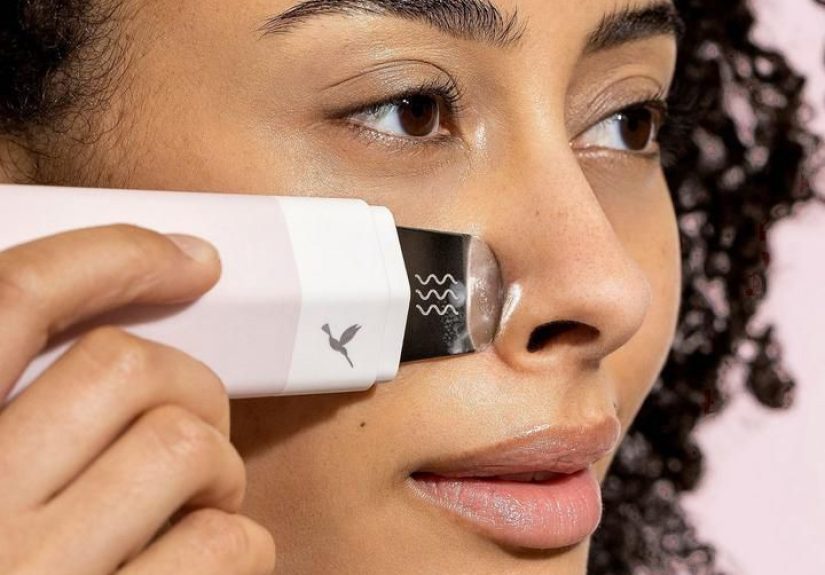
Best high-tech splurge: FOREO KIWI Blackhead Remover Pore Vacuum
This is the gadget route. Some people like the suction-based approach, but it is not my first recommendation for beginners. Pore vacuums are easier to overuse, and too much suction can leave bruising or irritation. If you go this route, use the lightest effective setting and a lot of restraint.
What to look for before buying
- Stainless steel: easier to sanitize and more durable
- A rounded loop: better for beginners than needle-style ends
- Good grip: helps you control pressure
- Simple design: one good tool beats a gimmicky kit
- Easy cleaning: absolutely essential
What I would skip
- Cheap kits with too many mystery attachments
- Sharp lancet ends if you are not trained
- Overly aggressive suction devices for frequent use
- Anything that looks more exciting than hygienic
What to Use Instead for Frequent Blackheads
If blackheads are a recurring issue, your long game matters more than your extractor technique. Here is the smarter routine:
Use salicylic acid
Salicylic acid is a beta hydroxy acid that helps clear out pore buildup. It is one of the most useful ingredients for blackheads because it works inside the pore rather than just polishing the skin surface.
Try adapalene
Adapalene is an over-the-counter retinoid that helps prevent clogged pores from forming. It is more of a marathon product than a sprint product, but it can make a big difference over time.
Keep cleansing gentle
Harsh scrubs and alcohol-heavy toners often make things worse. Gentle cleansing usually wins, even if it is less dramatic and much less fun to brag about.
Moisturize anyway
Yes, even if you have oily skin. Over-drying can backfire. Choose a lightweight, non-comedogenic moisturizer so your skin barrier stays calm.
See a professional for stubborn congestion
If your blackheads are deep, widespread, or keep coming back in the same spots, a dermatologist or experienced licensed professional can often do safer extractions and recommend a better treatment plan.
Common Experiences People Have With Blackhead Extractors
People usually imagine using a blackhead extractor will feel wildly satisfying, like peeling the plastic film off a new phone screen. Sometimes it does. But real-life experience is usually more mixed, and knowing that can save you from overdoing it.
The first common experience is surprise at how little pressure a ready blackhead actually needs. When the pore is softened, the tool is clean, and the clog is close to the surface, the extraction can be quick and almost anticlimactic. That is a good sign. The best extractor sessions are often the boring ones. A little pressure, a small plug lifts out, you clean the area, and you move on with your day feeling oddly accomplished.
The second common experience is the opposite: nothing comes out, and frustration arrives immediately. This is where people get into trouble. Instead of deciding the clog is not ready, they press harder, change angles, try again, then decide the pore has personally insulted them. By attempt four, the blackhead may still be there, but now the surrounding skin is red, swollen, and more noticeable than the original problem. In other words, the mission changes from “remove a blackhead” to “explain your nose to everyone for two days.”
Another common experience is realizing that what looked like a field of blackheads was actually a mix of normal pores, sebaceous filaments, and maybe a few true blackheads. This happens a lot on the nose. People start with great intentions, then keep extracting because they believe every dot should disappear completely. It usually does not work that way. A smoother look is realistic. Pore perfection is not.
Some people also notice a strange emotional pattern: once they buy the tool, they want to use it constantly. It becomes tempting to inspect every inch of the face under bright bathroom lighting like a tiny skin detective. This is not uncommon, but it is not especially helpful either. Frequent checking often creates more picking, more irritation, and more disappointment. A blackhead extractor works best when it is used occasionally and with a specific target in mind, not as a nightly hobby.
On the positive side, many people like the sense of precision a stainless steel loop gives them compared with squeezing with fingers. It feels cleaner, more controlled, and less likely to leave nail marks. That is one reason simple loop extractors remain popular: they are low-tech, durable, and easy to understand. If you are going to use a tool at home, that simplicity is a real advantage.
Then there is the gadget experience. Some users love pore vacuums because they feel futuristic and look dramatic in before-and-after videos. But real-world use can be trickier. The most common issue is overuse. Too much suction, lingering too long in one spot, or using the strongest setting right away can leave temporary marks or bruising. The person who wanted spa results ends up looking like they lost a gentle fight with a mini vacuum cleaner. It is not ideal.
Perhaps the most useful experience people report is this: once they pair occasional extraction with a better routine, they need the tool less often. A gentle cleanser, salicylic acid, adapalene, moisturizer, and sunscreen usually do more for long-term blackhead control than repeated extractions ever will. The extractor can still be helpful, but it stops being the hero and becomes what it should have been all alonga supporting character with a very specific job description.
Final Takeaway
A blackhead extractor can be worth buying if you want to remove the occasional visible blackhead and you can trust yourself to be gentle. The best choice for most people is a simple stainless steel loop tool with a good grip, not a complicated kit or an overly aggressive gadget. Use it on true surface blackheads only, disinfect it every time, and stop the second your skin starts arguing back.
If your blackheads are stubborn, deep, or always returning, the better investment may not be another tool at all. It may be a smart skin-care routine and, when needed, a visit to a dermatologist. Your pores do not need punishment. They need patience.