Table of Contents >> Show >> Hide
- What Does a Car Water Pump Do?
- How to Tell if a Car's Water Pump Needs Replacement: 7 Steps
- Step 1: Watch the Temperature Gauge Like It Owes You Money
- Step 2: Look for Coolant Leaks Under the Front of the Car
- Step 3: Check the Coolant Reservoir Level When the Engine Is Cold
- Step 4: Listen for Whining, Squealing, Chirping, or Grinding Noises
- Step 5: Inspect the Water Pump Area for Rust, Crust, or Coolant Stains
- Step 6: Notice Heater Problems Inside the Cabin
- Step 7: Check for Pulley Wobble or Belt Problems
- Bad Water Pump Symptoms at a Glance
- Can You Drive With a Bad Water Pump?
- Water Pump or Thermostat: How Can You Tell the Difference?
- What Causes a Water Pump to Fail?
- How Much Does Water Pump Replacement Cost?
- Preventive Tips to Help Your Water Pump Last Longer
- of Real-World Experience: What Drivers Usually Notice First
- Conclusion
Your car’s water pump is not glamorous. It does not have a touchscreen, Bluetooth, or a fancy badge. But without it, your engine can go from “smooth morning commute” to “expensive metal toaster” surprisingly fast. The water pump circulates coolant through the engine, radiator, heater core, and cooling passages so heat can move away from the engine instead of turning your dashboard temperature gauge into a panic meter.
The tricky part? A failing water pump does not always announce itself with a dramatic puddle or a cloud of steam. Sometimes the clues are subtle: a faint sweet smell, a small crusty stain, a whining sound near the front of the engine, or a heater that suddenly blows cold air when it should be warming your toes. Learning how to tell if a car’s water pump needs replacement can help you catch trouble early, avoid overheating, and save yourself from a repair bill that arrives wearing tap shoes.
This guide explains seven practical steps to identify common bad water pump symptoms, what those signs usually mean, and when it is time to stop driving and call a mechanic.
What Does a Car Water Pump Do?
The water pump is the heart of your vehicle’s cooling system. Its job is to push coolant through the engine and radiator so the engine stays within a safe operating temperature range. In many vehicles, the pump is driven by a serpentine belt, drive belt, or timing belt. Some newer vehicles use electric water pumps, but the mission is the same: keep coolant moving.
When the water pump fails, coolant circulation drops or stops. That can lead to overheating, poor heater performance, coolant leaks, belt problems, and severe engine damage if ignored. A bad water pump may leak from its gasket, bearing seal, weep hole, or housing. It may also fail internally when the impeller wears down, loosens, or no longer moves coolant effectively.
How to Tell if a Car’s Water Pump Needs Replacement: 7 Steps
Step 1: Watch the Temperature Gauge Like It Owes You Money
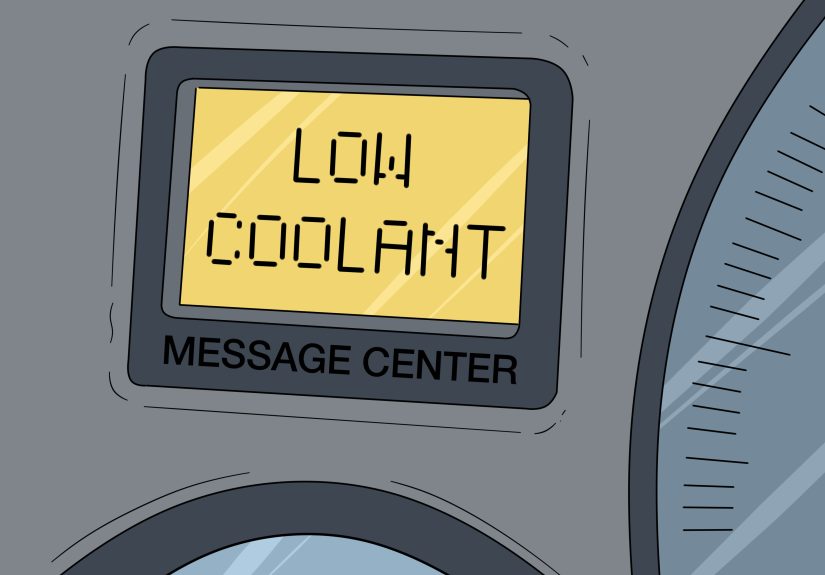
The first and most serious sign of a bad water pump is engine overheating. If the temperature gauge climbs higher than normal, the coolant warning light appears, or steam comes from under the hood, your cooling system is waving a red flag.
A failing water pump may not circulate coolant fast enough through the engine. In some cases, the pump can leak coolant until the system runs low. In other cases, the pump’s internal impeller may be damaged, meaning the coolant is present but not moving properly. Either way, heat builds quickly.
If your car overheats, do not keep driving “just a little farther.” That little farther can become a blown head gasket, warped cylinder head, or damaged engine. Pull over safely, turn off the engine, and let it cool. Never remove the radiator cap or coolant reservoir cap while the engine is hot. Hot coolant is pressurized and can cause serious burns.
Example: If your car runs normally on the highway but overheats in traffic, the problem may be a fan, radiator, thermostat, or water pump. If it overheats quickly after startup and the coolant level is low or there is noise near the pump, the water pump deserves immediate attention.
Step 2: Look for Coolant Leaks Under the Front of the Car
One of the most common signs your car’s water pump needs replacement is a coolant leak near the front-center of the engine. Coolant may appear green, orange, pink, yellow, red, or blue depending on the type used in your vehicle. It often has a sweet smell, which is your car’s way of making bad news smell strangely pleasant.
Check the ground after the car has been parked overnight. A small puddle, wet spot, or dried stain beneath the engine bay can point to a leak. However, not every water pump leak leaves a dramatic puddle. Some leaks only appear when the engine is running and the system is pressurized. Others evaporate on hot engine parts, leaving crusty residue instead of liquid.
Common leak points include the water pump gasket, pump shaft seal, housing, and weep hole. The weep hole is designed to let coolant escape when an internal seal begins to fail. If coolant is dripping from that area, the pump usually needs replacement, not a motivational speech.
Step 3: Check the Coolant Reservoir Level When the Engine Is Cold
A low coolant level can be a major clue. When the engine is cold, look at the coolant reservoir and compare the level with the “low” and “full” markings. If the level keeps dropping after you top it off, coolant is going somewhere. It may be leaking externally, burning internally, or escaping from a weak component in the cooling system.
A bad water pump can cause coolant loss through a seal or gasket. Low coolant can also damage the water pump because the pump depends on coolant for lubrication and temperature control. Running a cooling system too low can harm seals and bearings, even if you refill it later.
If you constantly need to add coolant, do not ignore it. Coolant does not disappear for fun. Your vehicle may have a water pump leak, radiator leak, hose leak, heater core issue, thermostat housing leak, or internal engine problem. A pressure test at a repair shop can help locate the source.
Step 4: Listen for Whining, Squealing, Chirping, or Grinding Noises
A healthy water pump should not sound like a haunted coffee grinder. If you hear a whining, squealing, chirping, or grinding noise from the front of the engine, the water pump, belt, pulley, or bearing may be in trouble.
A squealing sound may come from a loose, worn, or contaminated belt. Coolant leaking onto the belt can cause slipping and noise. A whining or grinding sound may point to a worn water pump bearing. If the bearing gets worse, the pulley can wobble, the belt can wear unevenly, and the pump can fail completely.
Noise alone does not prove the water pump is bad. Alternators, idler pulleys, tensioners, power steering pumps, and A/C compressors can also make unpleasant under-hood sounds. But if the noise is paired with coolant loss, overheating, pulley wobble, or visible leakage near the pump, the water pump becomes a strong suspect.
Step 5: Inspect the Water Pump Area for Rust, Crust, or Coolant Stains
Pop the hood when the engine is cold and inspect the front of the engine with a flashlight. Look around the water pump area for dried coolant stains, mineral deposits, corrosion, or crusty buildup. Dried coolant can look like white, green, orange, or pink residue, depending on the coolant formula.
Corrosion can happen when coolant is old, contaminated, mixed incorrectly, or neglected. Over time, corrosion can damage the water pump housing, impeller, seals, and surrounding components. External corrosion can also affect belt grip if residue reaches the pulley.
If you see heavy crust around the pump, do not just wipe it away and declare victory. That residue is often evidence of a slow leak. Slow leaks are still leaks. They simply have better manners than big leaks.
Step 6: Notice Heater Problems Inside the Cabin
Your car’s heater relies on hot coolant flowing through the heater core. If coolant is low or not circulating properly, the heater may blow cool air even when the engine is warm. This symptom can be especially noticeable in cold weather.
A heater that suddenly stops producing warm air may point to low coolant, trapped air in the cooling system, a clogged heater core, thermostat trouble, or water pump failure. If the heater blows cold and the temperature gauge rises, take the issue seriously. That combination can mean coolant is not circulating correctly.
For example, if your heater works at highway speed but goes cold at idle, the system may be low on coolant or struggling with circulation. If you also notice coolant loss or pump noise, the water pump should be inspected.
Step 7: Check for Pulley Wobble or Belt Problems
Many water pumps are belt-driven. If the pump bearing wears out, the pulley may wobble. A wobbling pulley can damage the belt, create noise, reduce pump efficiency, and eventually leave you stranded.
With the engine off and cold, visually inspect the belt and pulley area. Look for cracks, fraying, glazing, missing belt ribs, uneven wear, or coolant contamination. Do not place your hands near moving belts or pulleys while the engine is running. If you suspect pulley movement, have a mechanic inspect it safely.
Some water pumps are driven by the timing belt. In those vehicles, replacement can be more labor-intensive because the pump is hidden behind timing covers. If the timing belt is already due for service, many mechanics recommend replacing the water pump, tensioner, and related seals at the same time because the labor overlaps.
Bad Water Pump Symptoms at a Glance
- Engine temperature gauge rises above normal
- Coolant warning light appears
- Steam comes from under the hood
- Coolant puddle forms near the front of the car
- Sweet coolant smell after driving
- Low coolant level keeps returning
- Whining, grinding, chirping, or squealing noise near the engine
- Rust, crust, or dried coolant around the water pump
- Cabin heater blows cold air
- Water pump pulley appears loose or belt shows unusual wear
Can You Drive With a Bad Water Pump?
Usually, no. If the water pump is leaking heavily, making grinding noises, or the engine is overheating, driving can quickly make things worse. The cooling system is not optional. It is not like a broken cup holder where you can shrug and continue your day. A failing water pump can lead to major engine damage if coolant stops circulating.
If the temperature gauge rises, pull over. If coolant is pouring out, do not drive. If the belt is damaged or missing, the car may also lose alternator charging, power steering assistance, or other belt-driven functions. Calling for roadside assistance is cheaper than cooking an engine.
Water Pump or Thermostat: How Can You Tell the Difference?
A bad thermostat and a bad water pump can both cause overheating, which is why diagnosis matters. A thermostat controls when coolant flows between the engine and radiator. A water pump physically moves coolant through the system.
If the thermostat sticks closed, the engine may overheat because coolant cannot circulate through the radiator. If the water pump fails, coolant may not move properly even if the thermostat opens. Signs that lean toward water pump trouble include coolant leaking from the pump area, pulley wobble, bearing noise, corrosion near the pump, or coolant residue at the weep hole.
A mechanic may perform a pressure test, inspect the pump, check belt operation, test for combustion gases in coolant, verify fan operation, and evaluate the thermostat. In other words, the diagnosis should be more scientific than pointing at the engine and saying, “That thing looks suspicious.”
What Causes a Water Pump to Fail?
Water pumps wear out over time. Bearings and seals age, gaskets harden, and impellers can corrode or break. Poor coolant maintenance is another common cause. Old or contaminated coolant can lose its protective properties, encouraging corrosion and deposits inside the cooling system.
Other causes include improper belt tension, misaligned pulleys, wrong coolant mixture, overheating, running the system low on coolant, and poor-quality replacement parts. If a water pump is replaced but the underlying coolant problem is ignored, the new pump may have a shorter life than expected.
How Much Does Water Pump Replacement Cost?
The cost to replace a water pump varies widely by vehicle design, labor rates, and whether the pump is easy to access. A simple belt-driven pump may be relatively affordable. A timing-belt-driven pump can cost more because additional parts must be removed to reach it. Some electric water pumps are also expensive.
When replacing a water pump, shops often recommend fresh coolant, a new gasket or seal, and inspection of belts, hoses, thermostat, radiator cap, and tensioners. If the pump is timing-belt-driven and the belt is near its service interval, replacing both together can save labor later.
Preventive Tips to Help Your Water Pump Last Longer
Use the coolant type recommended in your owner’s manual. Keep the coolant level correct. Fix small leaks early. Replace aging belts and hoses before they fail. Follow the manufacturer’s coolant service interval. Avoid mixing random coolant types unless the product specifically says it is compatible with your vehicle.
Also, pay attention after any cooling system repair. If the system was not properly bled, trapped air can create hot spots and poor heater performance. A car that overheats shortly after a repair should be inspected right away.
of Real-World Experience: What Drivers Usually Notice First
In real life, water pump problems often begin with a tiny clue that drivers dismiss because the car still starts, still moves, and still plays music like nothing is wrong. One common story starts with a faint coolant smell after parking. The driver steps out, notices something sweet in the air, looks around, sees no puddle, and decides the car is probably fine. A week later, the coolant reservoir is low. Two weeks later, the temperature gauge climbs during a long drive. By then, the small leak has become a much bigger conversation.
Another common experience is the mystery noise. A driver hears a light chirp or whine near the front of the engine. At first, it only happens during startup. Then it becomes louder when accelerating. Because belts, pulleys, and water pumps live close together, the sound can be hard to identify without inspection. A leaking pump can drip coolant onto the belt, causing a squeal. A worn pump bearing can create a grinding or whining noise. The important lesson is simple: new engine noises deserve attention before they become roadside music.
Some drivers first notice the heater acting weird. The cabin heat may fade at idle or blow cool air even after the engine warms up. This can happen when coolant is low or circulation is poor. People often blame the heater itself, but the real issue may be deeper in the cooling system. When weak heat appears together with low coolant or rising engine temperature, it is time to investigate quickly.
There is also the “it only overheats sometimes” situation. Intermittent overheating can be frustrating because the car may behave perfectly during a short test drive. A water pump with worn internal vanes may circulate enough coolant at certain speeds but not enough under stress. A belt may slip only when wet or under load. A small leak may show up only when the engine is hot and pressurized. That is why a proper diagnosis may include a pressure test, visual inspection, belt check, and sometimes a cooling system flow evaluation.
One of the best habits is checking the coolant reservoir once in a while when the engine is cold. You do not need to become a full-time mechanic with a dramatic garage apron. Just learn what normal looks like. If the level drops repeatedly, something is wrong. If you see crusty residue around the pump, hoses, radiator, or thermostat housing, do not ignore it. If the temperature gauge moves higher than usual, treat it like an early warning, not a suggestion.
The biggest experience-based rule is this: overheating is never casual. A vehicle can survive many small problems, but heat damage can get expensive fast. A water pump replacement may feel inconvenient, but it is much better than replacing a head gasket or engine. Catch the symptoms early, verify the cause, and repair the cooling system before your car turns your commute into a steam-powered drama.
Conclusion
Knowing how to tell if a car’s water pump needs replacement can protect your engine, your wallet, and your schedule. The seven key steps are simple: watch for overheating, look for coolant leaks, check coolant level, listen for unusual noises, inspect for corrosion or residue, notice heater problems, and check belts or pulleys. None of these signs should be ignored, especially when two or more appear together.
A bad water pump can start small, but it rarely fixes itself. If your car is overheating, losing coolant, making grinding noises, or showing coolant stains near the pump, have it inspected as soon as possible. Your engine will not send a thank-you card, but it will keep running, which is better.
Note: This article is for general educational use. For accurate diagnosis and safe repair, have a qualified mechanic inspect the cooling system, especially if the engine overheats or coolant is leaking.