Table of Contents >> Show >> Hide
- Before You Start: Safety First (Yes, Really)
- The 90-Second “Why Won’t You Start?” Checklist
- How to Start a Modern Gas Furnace (Electronic Ignition)
- How to Start an Older Gas Furnace With a Standing Pilot
- Seasonal Startup: The “First Cold Day” Routine
- Troubleshooting: If the Furnace Won’t Start (or Starts, Then Quits)
- When to Call a Professional (No Shame in This Game)
- Conclusion
- Common Real-World Experiences (the 500-Word “Yep, Been There” Section)
Starting a gas furnace is usually less “action movie” and more “did I seriously forget to flip the one switch that looks like a light switch?”
Whether you’re firing it up after a long summer, restarting after a power outage, or moving into a place where the furnace is a mystery box in the basement,
this guide walks you through a safe, practical startupwithout turning your home into a science experiment.
One important truth up front: most modern gas furnaces don’t have a standing pilot light you manually ignite. Many use electronic ignition
(hot surface igniter or intermittent pilot) and should start automatically once power, gas, and thermostat settings are correct.
Older furnaces may have a standing pilot that you can relightif (and only if) your unit has the proper controls and a lighting instruction label.
Before You Start: Safety First (Yes, Really)
Gas furnaces are designed with layers of safety controls, but you still need to respect the basics. If anything feels off, stop and call a licensed HVAC tech.
Safety beats “I watched a video once.”
Stop immediately and get help if:
- You smell gas (especially a strong “rotten egg” odor): leave the area, avoid flames/sparks, and contact your gas utility or emergency services.
- A carbon monoxide (CO) alarm is sounding or anyone has headache, dizziness, nausea, or flu-like symptoms: get outside and call for help.
- You see soot, scorch marks, melted wires, or signs of flame “rolling out” from the burner area.
- The furnace has been flooded or has standing water inside the cabinet.
Know your furnace type (so you don’t look for a pilot light that doesn’t exist)
Open the furnace access panel (or look through the inspection window if it has one) and check for a lighting instruction label.
If your gas valve has settings like OFF / PILOT / ON, you may have a standing pilot system.
If it only has ON / OFF (or no manual pilot setting at all), it’s likely electronic ignition and should not be manually lit.
Quick tool list (optional but helpful)
- Flashlight (the basement lighting is never emotionally supportive)
- New furnace filter (right size, correct airflow direction)
- Small screwdriver (for panels)
- For standing pilot only: long match or long-nose lighter
The 90-Second “Why Won’t You Start?” Checklist
If your goal is simply “get heat,” do this quick pass first. It solves a shocking number of no-heat situations without touching anything scary.
- Thermostat: Set to HEAT, temperature set above room temp, and replace batteries if applicable.
- Fan setting: Use AUTO (so the blower runs when heating runs). “ON” can confuse troubleshooting because the fan may run even with no heat.
- Furnace power switch: Many furnaces have a nearby wall switch that looks exactly like a regular light switch. Make sure it’s ON.
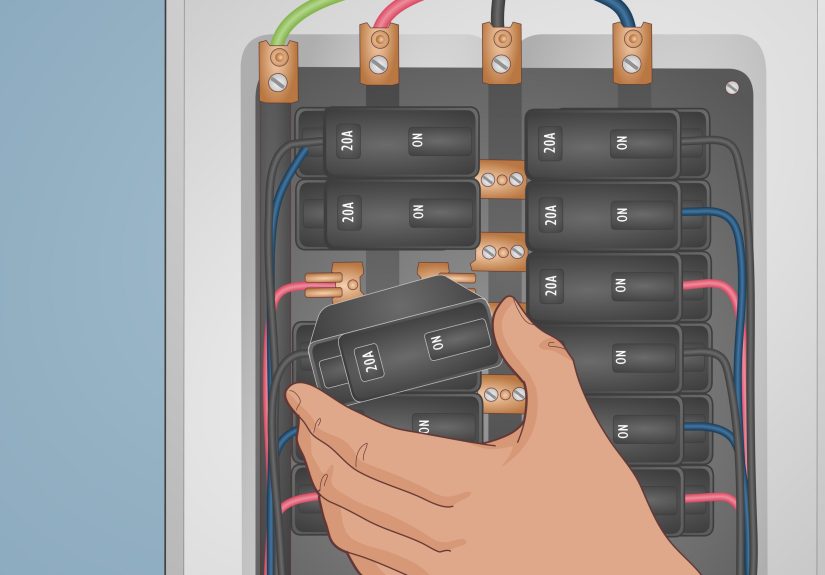
- Breaker/fuse: Check the circuit breaker panel; reset once if tripped.
- Furnace door: Make sure panels are seated properly. Many units won’t run if the door switch isn’t pressed.
- Gas shutoff valve: Confirm the manual gas valve is open (typically the handle is parallel to the pipe when open).
- Air filter: Replace it if it’s dirty. Bad airflow can trigger safety shutoffs.
- Vents/registers: Open supply vents and don’t block returns with rugs, boxes, or your “temporary” storage pile from 2021.
How to Start a Modern Gas Furnace (Electronic Ignition)
Most gas furnaces made in recent decades start themselves. Your job is to give them power, gas, and a reason (thermostat demand) to run.
Step 1: Set the thermostat correctly
- Mode: HEAT
- Temperature: set 3–5°F above the current room temperature (or more if you want it to run immediately)
- If it’s a programmable thermostat, make sure you’re not stuck in an energy-saving schedule that’s politely refusing to heat your house
Step 2: Turn on furnace power
Confirm the furnace switch is ON and the breaker is not tripped. Many furnaces have a control board with a small LED that glows or blinks when powered.
If there’s no sign of life, focus on electrical supply before anything else.
Step 3: Confirm the gas valve is open
Check the manual shutoff valve on the gas line near the furnace. For most lever-style valves, parallel to the pipe = ON, perpendicular = OFF.
If you recently moved in or had work done, it’s not unusual for the valve to be off.
Step 4: Close panels and wait through the startup sequence
With the thermostat calling for heat, many furnaces run a predictable sequence:
- Inducer motor starts (you may hear a small fan/whirring).
- Pressure switch proves airflow through the venting (safety check).
- Igniter heats up (hot surface glow) or a spark ignites an intermittent pilot.
- Gas valve opens, burners light.
- Blower starts after a short delay so you don’t get a blast of cold air.
Give it a few minutes. It’s normal for warm air to arrive after a short delay because the furnace waits until the heat exchanger is actually warm
before turning on the blower.
Step 5: Confirm it’s actually heating
- You should feel warm air at registers after the blower starts (again: delayed start is normal).
- If the furnace starts and stops repeatedly (short-cycling), note it and move to troubleshootingdon’t keep “resetting” forever.
- If there are error codes blinking on the control board, write them down for reference.
How to Start an Older Gas Furnace With a Standing Pilot
If your furnace has a standing pilot, you’ll typically see a gas valve control with OFF / PILOT / ON and a lighting instruction label.
Follow the label firstalways. The steps below match the most common process, but your furnace’s instructions are the boss.
Step 1: Turn the thermostat to OFF (or lower it)
You don’t want the furnace trying to start while you’re working. Set the thermostat to OFF or turn it down so it won’t call for heat.
Step 2: Shut off power to the furnace
Flip the furnace switch OFF (or the breaker). You’re about to work near burners and gas controls; don’t keep it powered.
Step 3: Turn the gas control knob to OFF and wait
Turn the gas valve knob to OFF and wait at least 5 minutes. This allows any unburned gas to clear. Do not skip this step.
Step 4: Set the control to PILOT and light the pilot
- Turn the gas knob to PILOT.
- Press and hold the pilot/reset button or knob (this allows gas to flow to the pilot).
- Use a long match or long-nose lighter to ignite the pilot at the pilot burner opening.
- Keep holding the button for 30–60 seconds so the thermocouple heats up and can “prove” flame.
Step 5: Turn the gas knob to ON
Once the pilot stays lit after you release the button, turn the knob to ON. Replace panels.
Step 6: Restore power and call for heat
Turn the furnace switch/breaker back ON. Set the thermostat to HEAT and raise the temperature to trigger a heating cycle.
Watch the first ignition cycle if possible (from a safe distance). If the pilot won’t stay lit, or it lights but burners won’t stay on, stop and call a pro.
Seasonal Startup: The “First Cold Day” Routine
If your furnace has been off for months, a little prep makes the first run smoother, cleaner, and less likely to trigger safety shutdowns.
Do this once per heating season:
- Replace the filter (don’t just admire it and put it back).
- Open all registers and make sure returns aren’t blocked.
- Clear the area around the furnace for airflow and service access.
- Check vent/intake terminations outside (high-efficiency furnaces often use PVC pipes). Remove leaves, snow, or critter condos.
-
If you have a condensing (high-efficiency) furnace: look for the condensate drain line and ensure it’s not kinked or clogged.
A blocked drain or trap can trigger shutdowns. - Run a 10–15 minute test cycle and listen for anything unusual (grinding, banging, repeated clicking, or frequent restarts).
Troubleshooting: If the Furnace Won’t Start (or Starts, Then Quits)
Here’s a sensible, homeowner-friendly order of operations. The goal is to catch the simple stuff firstbecause the simple stuff is common.
1) Thermostat issues
- Confirm HEAT mode and setpoint above room temperature.
- Replace batteries if the thermostat uses them.
- If the thermostat display is blank, you may have a power issue (or a blown low-voltage fuse in the furnace).
2) Power problems
- Check the furnace switch and breaker again.
- Make sure the furnace access door is firmly in place (door switch engaged).
- If your furnace has a service switch on the unit, confirm it’s ON.
3) Gas supply problems
- Confirm the manual gas valve at the furnace is open.
- If multiple gas appliances aren’t working, check whether there’s a utility interruption and contact your gas provider.
4) Airflow and overheating shutdowns
Furnaces protect themselves from overheating. Restricted airflow is one of the most common causes of “it runs for a minute, then stops.”
- Replace a dirty filter.
- Open closed vents and remove obstructions.
- Make sure return grilles aren’t blocked.
-
If the blower runs constantly but heat won’t stay on, the furnace may have tripped a temperature limit switch.
Fix airflow issues first before attempting resets.
5) Ignition and flame sensing issues (common in modern furnaces)
Electronic ignition systems are reliable, but they’re picky about safety. If flame isn’t detected quickly, the control board shuts off gas.
One frequent culprit is a dirty flame sensor (a small metal rod near the burners). Cleaning it is often simple for a technician, but if you’re not comfortable,
it’s a great “call the pros” moment.
6) Condensate and pressure-switch issues (high-efficiency furnaces)
Condensing furnaces produce water (condensate) as they run. That condensate must drain properly through a trap and drain line.
If the drain is blocked or the trap is compromised, the furnace can shut down to prevent unsafe operation.
7) Error codes and “resetting” responsibly
Many furnaces have a diagnostic LED that flashes a pattern. If you see blinking, write down the sequence (for example: “two flashes, pause, three flashes”).
Turning the furnace power off for about 30 seconds can reset some lockouts, but repeated resets without fixing the cause is like restarting your laptop
because your printer is out of paper.
When to Call a Professional (No Shame in This Game)
Call a licensed HVAC technician if:
- You smell gas or suspect a leak.
- A CO alarm sounds, or you suspect combustion problems (soot, scorch marks, unusual odors).
- The furnace repeatedly shuts down or locks out after ignition attempts.
- You see water leaking from a high-efficiency furnace (condensate issue) and it keeps happening.
- You have an older furnace with a pilot that won’t stay lit (thermocouple/valve issues are common).
- You’re unsure what you’re looking atand your “plan” is becoming interpretive.
Conclusion
To start a gas furnace safely, think in three lanes: thermostat (a call for heat), power (switch/breaker/door),
and gas (valves open). Modern furnaces usually handle ignition automatically once those basics are correct.
If you have a standing pilot, follow the furnace’s lighting label, wait for gas to clear, and never force anything.
If your furnace starts but won’t stay running, don’t get trapped in an endless reset loop. Check airflow (filter and vents), look for error codes,
and call a pro when safety controls are doing their job a little too well. And if you want the best “start every time” upgrade of all:
schedule annual inspection and maintenance before the first truly cold week arrives.
Common Real-World Experiences (the 500-Word “Yep, Been There” Section)
If you’re starting your gas furnace for the first time in a new home, you’ll probably have a moment where you stare at the thermostat like it owes you money.
That’s normal. One of the most common experiences homeowners report is assuming the furnace is broken when the thermostat is simply set to COOL
(or the schedule is set to “away” because the previous owner apparently left for the airport and never returned).
The fix is anticlimactic: set it to HEAT, raise the setpoint, and wait through the normal startup delay.
Another classic: the mystery light switch. Many furnaces have a wall switch nearby for emergency shutoff and servicing.
It often looks exactly like a regular light switch and is sometimes labeled with the helpful instruction “FURNACE,”
which is usually covered by a paint job from 1998. People flip basement lights on and off, accidentally toggle the furnace switch,
and then spend the next 45 minutes wondering why the heat is gone. If your furnace “randomly stopped working,” check that switch before you
start blaming the control board, solar flares, or your neighbor’s new Wi-Fi router.
Then there’s the “it runs, but it doesn’t heat” experience. You hear the blower, air comes out of the vents, but it’s room-temperature air,
and you begin drafting a dramatic monologue about betrayal. Often, this is just the normal delay while the burners warm the heat exchanger,
especially on the first run of the season. But if it keeps blowing cool air for a long time, homeowners commonly find one of three things:
the gas valve is off, the furnace is cycling off on a safety limit due to restricted airflow, or the burners never actually lit.
The airflow angle is sneakyfilters can get so clogged they resemble a craft project. A fresh filter and open vents solve a surprising number
of “my furnace hates me” stories.
If you have a high-efficiency condensing furnace, a frequent experience is discovering that “heat makes water.”
Condensate is normal, but a clogged drain line isn’t. Homeowners often notice the furnace tries to start, then shuts down, sometimes with an error code.
The root cause can be a blocked condensate trap or drain. It’s not glamorous, but it matterslike flossing for your HVAC system.
Keep the drain path clear and address recurring leaks quickly.
Finally, for people with older standing-pilot furnaces, the most common experience is the pilot light going out at the worst possible time:
the first cold night, during a holiday, or 20 minutes before guests arrive. Relighting is usually straightforward if your furnace has a pilot setting
and a lighting label, but the key is patience: turn the gas control to OFF, wait for gas to clear, then hold the pilot button long enough
for the thermocouple to heat up. If the pilot won’t stay lit, that’s not a “try harder” situationit’s a “get it serviced” situation.
The good news? Once you learn the basics, starting a gas furnace stops feeling mysterious. It becomes another home skilllike finding the stud
in a wall, except this time the wall fights back less.