Table of Contents >> Show >> Hide
- Introduction: The Allure (and Danger) of Monkshood
- H2 – Choosing the Right Spot and Soil
- H2 – Planting Monkshood (Step-by-Step)
- H2 – Care and Maintenance
- H2 – Pests, Problems & Safety Notes
- H2 – Choosing Varieties and Garden Uses
- H2 – A Sample Planting Timeline
- H2 – Frequently Asked Questions (with a Fun Twist)
- Conclusion
- My Own Monkshood Adventures (Because I Tried It So You Don’t Have To… Or Can) – Extra
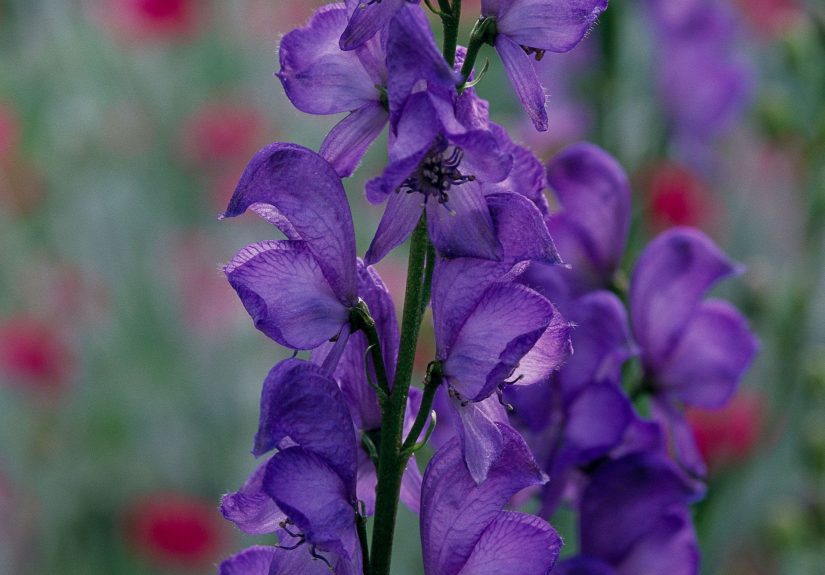
If you’re looking for a perennial plant that delivers dramatic flairand a cautionary talemeet the bold beauty known as monkshood (genus Aconitum). With tall spires of hood-shaped flowers in deep blues, purples (and occasionally whites or yellows), monkshood brings a Gothic elegance to the garden. Just don’t forget: it’s as poisonous as it is pretty. In this guide you’ll learn how to plant and grow monkshood the right wayhow to pick the right spot, get the soil and water dialled in, propagate it, manage its quirks, and keep your gloves ready. Consider this your gardener’s invitation: enter if you dare (with gloves on).
Introduction: The Allure (and Danger) of Monkshood
Picture this: a border in summer, many plants winding down their show, when along the back row rise tall stems crowned with helmet-like blooms that look like something from a fairytaleor a witch’s potion room. That’s monkshood. Native to cool mountainous areas of the Northern Hemisphere, this plant (also known by eerie names like “wolf’s bane”) thrives in moist, cool conditions.
But here’s the twist: every part of monkshood is toxic. Its alkaloids (chiefly aconitine) have been used historically as poisons. Yes… your beautiful flower has a dark side. Gardeners must handle it with respect (gloves mandatory), place it with caution (away from pets, children, edible beds) and never treat it casually.
Despite the danger, when grown properly monkshood is surprisingly low-maintenance, pest-resistant, and an excellent late-season bloomer. So if you want something that waves its “skip me, I’m dramatic” flag in your garden, read on.
H2 – Choosing the Right Spot and Soil
Light and Location
Monkshood prefers a somewhat sheltered location: in the cooler climate zones it can handle full sun, but in warmer or humid regions it is happier with **partial shade** (morning sun, afternoon shade) to avoid wilting or flop. For example, a spot facing east or west is ideal, or a border near trees that filter intense afternoon sun.
Soil Requirements
Think of monkshood as a mountain meadow plant: it wants **moist but well-drained**, **rich in organic matter**, and pH from slightly acidic to neutral (around 5.5–7.0). Very heavy, waterlogged soil = no go (root and crown rot will quickly follow). Light soils should be improved with compost or rotted manure before planting.
Spacing and Suitability
Most monkshood varieties grow between 2–4 feet tall (0.6-1.2 m) and about 1–2 feet wide (30-60 cm). Leave about 12 – 18 inches (30-45 cm) between plants to allow airflow and reduce disease risk. Also: once planted, monkshood doesn’t like to be moved, so choose your spot wisely.
H2 – Planting Monkshood (Step-by-Step)
Starting with Nursery Plants or Bare Roots
If you’re buying a plant (rather than starting seeds), here’s what to do: dig a hole ~2-3 times the size of the rootball or bare root. Soak the bare root in water for an hour if recommended. Place the plant at the same depth it was in the pot, backfill with amended soil (your compost-rich mix), press gently and water thoroughly.
Best time: early spring or early fall (in zones where winters aren’t brutal) so the plant can establish before heat or cold stress.
Growing From Seed (Patience Required)
Want to start from seed? Buckle up. Monkshood seeds require cold stratification (a period of chilling) to germinate. Some growers sow directly outdoors in late fall or winter so the seeds naturally experience cold; others start indoors by chilling seeds for 3–6 weeks then moving to grow lights.
Important: germination may take weeks or even months, so don’t bail too soon. Once seedlings appear, harden them off before transplanting outside.
H2 – Care and Maintenance
Water and Feeding
Keep soil **evenly moist**especially when plants are young or during dry spells. A rule of thumb: about one inch (2.5 cm) of water per week, more in hot, dry climates. That said, do *not* let soil stay soggygood drainage is still essential. For feeding: a light application of balanced slow-release fertilizer in spring is enough; too much nitrogen leads to leggy growth.
Support and Staking
Some varieties can reach 4 feet or more and might benefit from staking or support in windy or exposed areas. But many grow upright enough on their own.
Deadheading, Pruning, Division
After flowering, remove spent blooms (deadhead) to tidy up the plant and prevent excessive self-sowing (which can weaken the clump). Cut back the crown when frost kills top growth.
Dividing: every 3-5 years prune or divide the clumps in early spring just as new growth begins. This refreshes the plant, controls size and keeps it vigorous.
H2 – Pests, Problems & Safety Notes
Pest and Disease Watchlist
Good news: monkshood is generally pest-resistant (thanks to its toxicity). But diseases can show up: crown rot (in overly wet soils), powdery mildew (especially in humid/shady conditions), and less commonly verticillium wilt.
Prevention tips: ensure good airflow, avoid overhead watering, use well-drained soil, don’t over-fertilize with nitrogen.
Safety First: Toxicity Reminder
Every part of monkshood is poisonous to humans and animals if ingested; skin contact may cause irritation. Gloves are mandatory when handling soil, plants or even compost with debris from this plant. Always wash your hands afterward, and plant at a safe distance from pets or children.
H2 – Choosing Varieties and Garden Uses
There are many species and cultivars of monkshood. For example, Aconitum napellus, A. carmichaelii, and hybrids like ‘Spark’s Variety’. Many produce tall upright spires with rich blue/purple flowers, though some offer white or yellow blooms.
Garden uses:
- Back of a mixed border (adds height and late season punch)
- Woodland garden with dappled light
- Near water features (but not soggy!)
- A dark-themed garden (with gothic vibes!)
In warmer climates, give it a cooler micro-site (even a shade cloth) to avoid heat stress. Too much intense sun can lead to floppiness or poor bloom.
H2 – A Sample Planting Timeline
Here’s a quick timeline (for Zone 4-7 as an example):
- Early Spring – prepare soil (add compost), plant bare root or nursery plants.
- Spring to Early Summer – keep soil moist, stake if needed, allow good growth.
- Mid to Late Summer – blooms appear; enjoy the show and deadhead if desired.
- Fall – cut back after frost, divide if needed, mulch if zone requires.
- Late Fall/Winter – ensure ground is mulched if you’re in a very cold zone; otherwise plant is hardy in zones 3-8.
H2 – Frequently Asked Questions (with a Fun Twist)
“Can I grow monkshood in full sun all day?”
Maybebut only if you live somewhere where midday heat is polite. If you live in Kansas in summer, you’ll want some afternoon shade or the plant will sulk (and flop). In cooler zones full sun is fine.
“Is it deer-proof since it’s poisonous?”
Yes! That’s one of the perks. Deer (and most pets) tend to avoid it. So if Bambi is treating your border like a salad bar, monkshood is a polite “no thanks” sign.
“Can I plant it next to my vegetable patch?”
Errno. Unless your vegetable patch is also a potion-lab. Plant monkshood away from edible veggies, herbs, or places children reliably roam. Better safe than dramatic.
“How long will it live?”
With good care many clumps can live a decade or more (10-20 years or even more in some cases).
Conclusion
In short: if you’re willing to give it the right soil, location and respect (plus the gloves!), the spectacular monied menace that is monkshood will reward you with vertical color, late-season drama and minimal pest headaches. Choose your spot, plant carefully, water thoughtfully and enjoy one of the garden’s most dramatic performerswhile keeping your fingers safe. Now go ahead and give your backyard the cloak, the hood, the mysterious bloomit’s time for monkshood to make its entrance.
Experience Section
My Own Monkshood Adventures (Because I Tried It So You Don’t Have To… Or Can) – Extra
I’ll confess: the first time I planted monkshood I was drawn by those deep indigo spires humming “I’m mystical!” from the catalogue. I ordered a bare-root plant labeled Aconitum carmichaelii ‘Arendsii’, thinking, “Yes! A little late-summer drama.” First lesson: take the glove warning seriously. Digging the soil, I slipped on old garden gloves and felt like I was gearing up for medieval alchemy. Fortunately no fingers were lost.
I chose a spot along the north side of the house where afternoon sun is shaded by a tree. Soil was okay, but I mixed in generous compost and a handful of bone meal to give it some energy (while not going overboard with nitrogenmonkshood hates floppy stems). After planting I watered deeply, mulched lightly, and left it alone until I saw signs of new growth.
The following summer I watched in delight (and mild trepidation) as tall stems rose, topped with hood-like blossoms that seemed to nod in the breeze. A bonus: bees loved themthey swarmed happily among the flowers even though humans must steer clear. I deadheaded half the blooms to see if I could get a second wave; I did, and it was like an encore. Win.
But yes, there were a couple of bumps: in a particularly humid week I noticed a faint film of powdery mildew on a few leaves. I removed the worst ones, improved airflow around the plant (trimmed a neighboring hosta) and things cleared up. This taught me: even tough plants need monitoring.
My favourite memory: late August, dusk falling, the tall monkshood spires catching the last light. The blue-purple tones glowed like twilight. A friend asked “What plant is that?” and I replied, theatrically, “Oh, that one keeps wolves away.” She laughed; I clarified “Because its other common name is wolf’s bane, but seriously, keep your dog away from it too.”
In year two I divided the clump (on a cool spring morning) and moved half to a different border. I was nervous: “Will it survive the transplant?” I whispered. But it didand rewarded me with a flash of blooms the next season. Now I have two monkshood stands, one at the back of a shady border and one in more sun with afternoon shade. Each gives a distinct mood: one calm and cool, the other bold and dramatic.
The takeaway? If you’re plant-curious and like a bit of theatrical flair in your garden, monkshood is more than worth it. Just treat it with respectchoose your site, keep those gloves handy, and enjoy the show. And maybe, just maybe, feel a little like a garden wizard every time you walk past those hooded blooms.