Table of Contents >> Show >> Hide
- What Are Zucchini Noodles (and Why Do They Get Weird)?
- Ingredients and Tools
- Pick the Right Zucchini (Size Matters, Sorry)
- How to Make Zucchini Noodles With a Spiralizer
- No Spiralizer? Make Zoodles Anyway (4 Easy Methods)
- The #1 Problem: Soggy Zoodles (How to Prevent It)
- How to Cook Zucchini Noodles (Choose Your Adventure)
- Make Zoodles Taste Like Dinner (Not Deprivation)
- Quick Example Recipe: 10-Minute Garlic-Parmesan Zoodles
- Meal Prep and Storage (Short-Term Plans Only)
- Troubleshooting: Fix Common Zoodle Problems
- Real-Life Zoodle Experiences (The Good, The Soggy, and the Funny)
- Conclusion
Zucchini noodlesaka “zoodles”are what happens when a vegetable decides it wants to be pasta for the night. Sometimes it pulls it off beautifully. Other times, it melts into a watery puddle that looks like a salad had a rough day. The good news: making zucchini noodles that are actually pleasant to eat is less about owning a fancy gadget and more about a few smart moves (plus a tiny bit of moisture-management chaos).
This guide walks you through how to make zucchini noodles with a spiralizer and without one (using tools you probably already have). You’ll also get the best methods to keep them from turning soggy, how to cook them fast without overcooking, and sauce strategies that make zoodles feel like dinnernot punishment.
What Are Zucchini Noodles (and Why Do They Get Weird)?
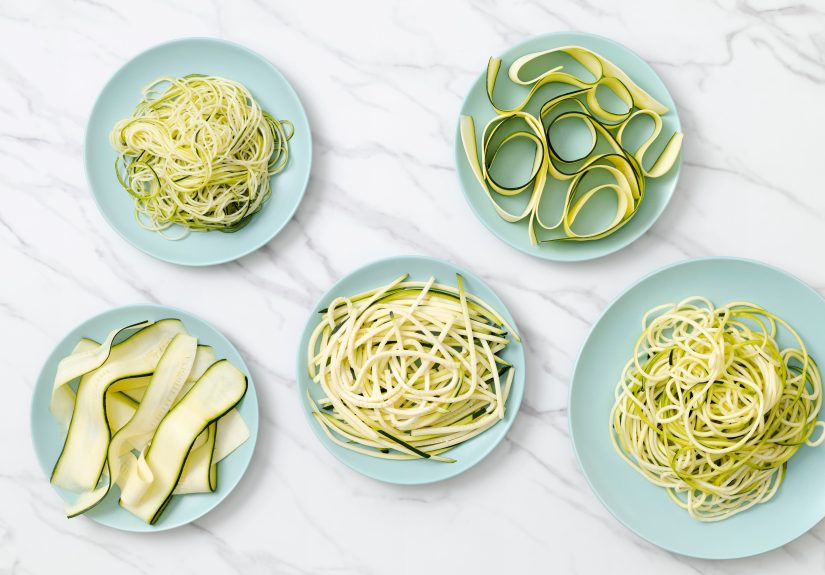
Zucchini noodles are long strands or ribbons of zucchini cut to mimic pasta shapes like spaghetti, fettuccine, or pappardelle. They’re popular because they’re light, gluten-free, and a common swap for low-carb or veggie-forward meals. But zucchini is naturally high in water, which means heat + time = moisture release. And moisture release + impatience = watery, limp noodles.
Your mission is simple: cut the zucchini into noodle shapes, then control moisture so you get tender strands that still have a little bite. Think “al dente-ish,” not “vegetable soup with aspirations.”
Ingredients and Tools
Ingredients
- Zucchini (small to medium is best)
- Kosher salt (for seasoning and optional draining)
- Olive oil or butter (if cooking)
- Optional: garlic, lemon, parmesan, pepper flakes, herbs, or your favorite sauce
Tools (Choose One Path)
- Spiralizer (countertop or handheld)
- Julienne peeler (makes thin “spaghetti” strands)
- Vegetable peeler (makes wide ribbons)
- Mandoline (with julienne blade or for planks; use a hand guard!)
- Chef’s knife (yes, you can do this the old-fashioned way)
- Paper towels or a clean kitchen towel (moisture control = victory)
- Colander (optional, for salting and draining)
Pick the Right Zucchini (Size Matters, Sorry)
If you want zoodles with decent texture, start with small to medium zucchini. Very large zucchini tend to have bigger seed cores and more watery interior, which can lead to softer noodles and more liquid in the pan.
- Look for: firm zucchini with smooth, glossy skin and no soft spots.
- Avoid: giant zucchini that could double as a canoe.
Pro tip: the watery, seedy center is the main culprit behind “zoodle soup.” Most tools naturally leave some core behind as a stump. That’s not a failurethat’s your zucchini doing you a favor.
How to Make Zucchini Noodles With a Spiralizer
Step-by-step (Countertop Spiralizer)
- Wash and dry your zucchini.
- Trim both ends so you have flat surfaces.
- Choose your blade: thinner for spaghetti-style; thicker for sturdier noodles.
- Secure zucchini between the holder and blade. Crank and spiralize.
- Stop when you hit the core (you’ll feel it get loose). Save the leftover “zucchini stump” for sautéing, soups, or scrambling into eggs.
Handheld Spiralizer Notes
A handheld spiralizer works, but it’s usually best with smaller zucchini and produces shorter noodles. If your zucchini is large, it can feel like you’re sharpening a pencil that refuses to become a pencil. Stilltotally usable.
No Spiralizer? Make Zoodles Anyway (4 Easy Methods)
You do not need a spiralizer to join the zucchini noodle lifestyle. Here are the best no-spiralizer methods, ranked from “easy” to “I feel like a chef now.”
Method 1: Julienne Peeler (Fast Spaghetti-Style Strands)
- Trim ends. Hold zucchini steady on a cutting board.
- Drag the julienne peeler down the length of the zucchini to create thin strands.
- Rotate as you go and stop when you reach the seedy center.
Best for: quick dinners, stir-fries, and lighter sauces.
Texture note: very thin noodles cook extremely fastblink and they’re overdone.
Method 2: Regular Vegetable Peeler (Pappardelle Ribbons)
- Trim ends.
- Use a vegetable peeler to shave long, wide ribbons down the length of the zucchini.
- When ribbons get seedy, rotate to a fresh side.
Best for: creamy sauces, lemon-butter, pesto, and anything that loves wide noodles.
Method 3: Mandoline (Uniform and Pretty, but Respect the Blade)
If your mandoline has a julienne blade, you can make thin matchstick noodles. If it doesn’t, you can slice planks and finish with a knife.
- Safety first: use the hand guard. Seriously.
- Slice zucchini lengthwise into thin planks.
- Stack planks and slice into thin strips for “fettuccine” noodles.
Best for: consistent noodles, dinner-party aesthetics, and people who enjoy living dangerously (with a guard).
Method 4: Knife-Only (Chef Mode)
- Slice zucchini lengthwise into thin planks.
- Stack a few planks, then slice into thin strips.
- Keep your cuts even so they cook at the same rate.
Best for: when you want control, don’t want another gadget, and feel like practicing knife skills.
The #1 Problem: Soggy Zoodles (How to Prevent It)
Zoodles get soggy for two reasons: too much water and too much time. Your goal is to reduce surface moisture and cook quicklythen sauce strategically.
Moisture-Control Tricks That Actually Work
- Salt + drain (optional but powerful): Toss raw zoodles with a pinch of salt, set in a colander for 10–30 minutes, then gently squeeze/pat dry with paper towels. Don’t crush them into zucchini confetti.
- Pat dry: Even if you skip salting, blotting zoodles removes surface water so they sauté instead of steam.
- Go thicker: Slightly thicker noodles hold their shape better than ultra-thin strands.
- Dress right before serving: Zucchini releases liquid as it sitsespecially once it meets salt or acidic sauce.
Pan Rules for Non-Watery Zoodles
- High heat, short time.
- Don’t overcrowd the pan (crowding = steaming = sadness).
- Cook 1–2 zucchini at a time if you want the best texture.
How to Cook Zucchini Noodles (Choose Your Adventure)
Option 1: Eat Them Raw (Crunchy, Fresh, and Surprisingly Great)
Raw zoodles shine in cold noodle bowls and salads. Toss them with a punchy dressing (think lemon, olive oil, herbs, grated garlic) and top with crunchy elements like toasted nuts, seeds, or breadcrumbs.
Best for: pesto-style sauces, vinaigrettes, and hot weather when turning on the stove feels like a personal insult.
Option 2: Quick Sauté (The Weeknight Default)
- Heat a skillet over medium-high heat. Add a small amount of oil or butter.
- Add zoodles and toss constantly with tongs for 1–3 minutes until just tender.
- Remove from heat. Season and sauce lightly.
This is the sweet spot for “tender but not mushy.” If your noodles look perfect in the pan, don’t keep cooking “just in case.” Zucchini doesn’t believe in “carryover tenderness.” It believes in “sudden collapse.”
Option 3: Blanch or Hot-Water “Scald” (Gentle Softening)
For a softer noodle without sautéing, you can briefly blanch zoodles (think seconds, not minutes), or pour boiling water over them in a colander. Drain well and pat dry. This is handy when you want to keep flavors clean and avoid browning.
Option 4: Microwave (Fast, but Handle With Care)
Microwave zoodles in a microwave-safe bowl for 30–90 seconds (depending on volume), then drain and blot dry. It’s quick, but timing is everythingoverdo it and you get limp noodles and extra liquid.
Option 5: Bake (Great for Bigger Batches)
- Heat oven to 350°F.
- Spread zoodles on a rimmed baking sheet in a loose layer.
- Bake about 10–15 minutes until just tender.
- Blot if needed, then top with sauce.
Baking is helpful when you’re cooking for more than two people and don’t want to stand over the stove doing four tiny sauté batches.
Make Zoodles Taste Like Dinner (Not Deprivation)
If you’ve ever had zucchini noodles that tasted like “a vegetable, but wet,” that’s usually a seasoning and topping problemnot a zucchini problem. Zoodles are mild. They need friends.
Smart Sauce Strategies
- Use thicker sauces: pesto, meat sauce, creamy sauces, or reduced marinara cling better than watery sauces.
- Sauce lightly: add more at the table instead of drowning the noodles in the pan.
- Warm sauce separately: hot sauce + raw zoodles = gently warmed noodles without overcooking.
Texture = Satisfaction
Zoodles get a lot more “real meal” energy when you add crunch and richness: toasted pine nuts, chopped walnuts, crispy chickpeas, fried garlic, grated parmesan, a shower of fresh herbs, or a swirl of chili oil. If your bowl has one texture, it’s going to feel like a side dish pretending to be a main.
Quick Example Recipe: 10-Minute Garlic-Parmesan Zoodles
Makes: 2 servings (or 1 serving if you’re “just tasting” and then accidentally eat the whole pan)
Ingredients
- 2 medium zucchini, spiralized (or julienned/ribboned)
- 1–2 tbsp olive oil or butter
- 2 cloves garlic, minced
- Salt and black pepper
- Red pepper flakes (optional)
- 1/4 cup grated parmesan
- 1–2 tsp lemon juice
- Optional add-ins: cherry tomatoes, shrimp, shredded rotisserie chicken
Directions
- If your zucchini seems extra watery, toss with a pinch of salt and let drain 10 minutes. Blot dry.
- Heat oil/butter in a skillet over medium-high heat. Add garlic and cook 15–30 seconds until fragrant.
- Add zoodles and toss constantly for 1–3 minutes, just until tender.
- Remove from heat. Add parmesan, lemon, pepper, and optional chili flakes. Toss and serve immediately.
Meal Prep and Storage (Short-Term Plans Only)
- Raw zoodles: store 2–3 days in the fridge in a container lined with paper towels (swap towels if they get damp).
- Cooked zoodles: best eaten right away; they continue releasing moisture as they sit.
- Reheating: quick warm-through in a hot skillet, then drain any liquid.
- Freezing: not idealzucchini’s water content tends to turn thawed zoodles soft and watery.
Troubleshooting: Fix Common Zoodle Problems
“My zoodles are watery.”
- Drain + blot before cooking.
- Cook in smaller batches over higher heat.
- Sauce at the end (or sauce separately).
“They turned mushy.”
- Reduce cooking time (most methods take just a few minutes).
- Use thicker noodles next time.
- Try raw zoodles with hot sauce spooned over the top.
“They’re too crunchy.”
- Sauté 30–60 seconds longer, or pour boiling water over them and drain.
- Choose ribbons instead of thin strands for a softer bite.
“My spiralizer makes short noodles.”
- Use straighter zucchini and trim evenly.
- Switch to ribbons with a peeler for long, dramatic noodles.
Real-Life Zoodle Experiences (The Good, The Soggy, and the Funny)
If you’re new to zucchini noodles, your first batch tends to come with a tiny emotional arc: excitement, confidence, and then mild confusion when your “pasta” starts leaking water like it has a secret. That’s normal. Zoodles are less like boxed spaghetti and more like a fresh ingredient with opinions.
Many home cooks start with a spiralizer because it feels like the official zoodle-making devicelike buying a passport to a vegetable nation. The first crank is usually delightful. The noodles come out curly and plentiful, and for a moment you feel like you’re hosting a cooking show. Then you get to the end and meet the zucchini “stump,” that weird leftover core that refuses to spiralize. The common experience here is thinking you did something wrong. You didn’t. That stump is the watery center and seeds. It’s the part that would have betrayed your sauce later.
Without a spiralizer, the most relatable moment is discovering that a simple vegetable peeler can make gorgeous ribbons that look restaurant-fancy with almost no effort. It’s also the method that makes people say, “Wait, why did I buy that giant gadget?” (The answer is: because gadgets are fun and we are human.)
Julienne peelers tend to inspire a different kind of experience: triumph followed by humility. They’re fast and inexpensive, but they make thinner noodles that cook in record time. A very common scenario is turning away for “just a second” to check your sauce, then returning to find your noodles have gone from perky to limp. Zoodles don’t do “simmer.” They do “briefly meet heat and then dramatically change careers.”
Mandolines create beautiful, uniform cuts, and they also come with a universal life lesson: use the hand guard. People who ignore it usually become evangelists afterward. The typical mandoline experience is thinking you can be careful enough, then realizing the blade is faster than your confidence. With a guard, though, you can pump out planks and strips quickly and feel like you’ve upgraded your knife skills.
Another common zoodle moment is sauce enthusiasm. The instinct is to treat zucchini noodles like pasta: dump them into a pot of sauce and let it all hang out. But zucchini behaves differently. Let zoodles sit in salty or acidic sauce too long and they release more waterespecially if the sauce is thin. A lot of people end up happiest when they warm sauce separately, then toss lightly right before serving. It feels like a small change, but it’s the difference between “zucchini noodle bowl” and “marinara soup with green strings.”
Finally, there’s the satisfaction experience: learning that zoodles aren’t trying to be an exact pasta clone. When you stop grading them on a spaghetti scale and start building a bowl that makes sense for zucchinibright flavors, thicker sauces, crunchy toppings, and a good proteineverything clicks. Zoodles become what they’re best at: a fresh, fast, summery base that can carry garlic, herbs, cheese, and heat like a champ.
Conclusion
Making zucchini noodles is easy. Making zucchini noodles you actually want to eat is about two things: (1) cutting them in a shape you like (spiralizer, peeler, mandoline, knifewhatever works), and (2) managing moisture with quick cooking and smart saucing. Once you nail that, zoodles stop being a fad and start being a genuinely handy trick for fast, veggie-forward meals.