Table of Contents >> Show >> Hide
- What Is Monstera Siltepecana?
- Best Light for Monstera Siltepecana
- How to Water Monstera Siltepecana
- Best Soil Mix for Monstera Siltepecana
- Humidity and Temperature Needs
- Fertilizing Monstera Siltepecana
- Training Monstera Siltepecana to Climb
- Pruning Monstera Siltepecana
- How to Propagate Monstera Siltepecana
- Repotting Monstera Siltepecana
- Common Problems and How to Fix Them
- Is Monstera Siltepecana Toxic?
- Best Places to Display Monstera Siltepecana Indoors
- Seasonal Care Tips
- Monstera Siltepecana Care Experience: Practical Lessons From Real Growing Situations
- Conclusion
Note: This article is written for web publishing and practical houseplant care. Adjust watering, light, and humidity to your actual indoor conditions because every home has its own tiny weather system.
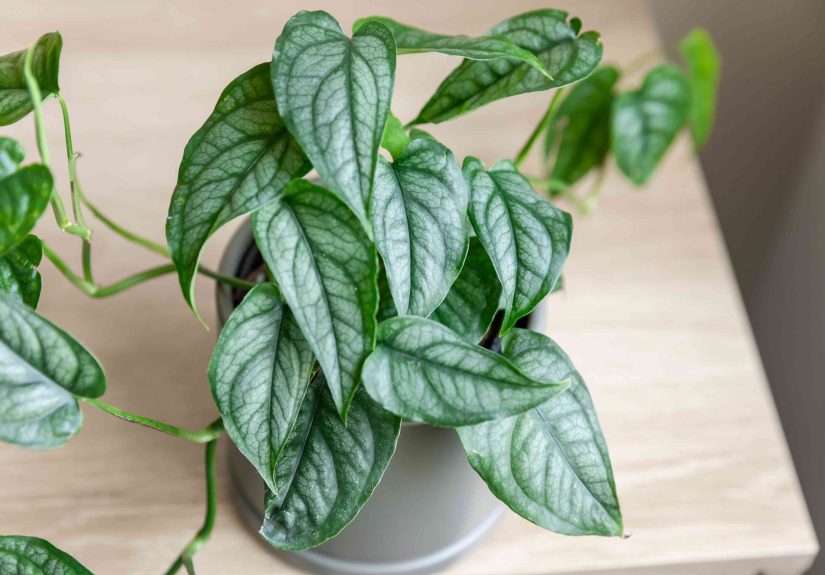
Monstera siltepecana is the kind of houseplant that makes people lean closer and say, “Wait, is that leaf painted?” Often called silver monstera, this tropical climbing aroid is loved for its slim, lance-shaped juvenile leaves splashed with cool silver and traced with deep green veins. It looks fancy, but the good news is that Monstera siltepecana care is not reserved for plant wizards with greenhouse keys and mysterious jars of rooting hormones.
With the right balance of bright indirect light, airy soil, steady moisture, warm temperatures, and a support pole, this plant can grow quickly indoors. When it matures and climbs, the leaves may become larger, greener, and sometimes fenestrated, which means they develop the famous monstera holes. In other words, your plant may start as a sleek silver vine and grow into something that looks like it has been attending tropical architecture school.
This in-depth guide explains how to grow and care for Monstera siltepecana, including watering, soil, humidity, fertilizing, pruning, propagation, repotting, pest prevention, and common troubleshooting problems. Whether you just brought home a tiny cutting or you are trying to convince a leggy vine to behave like a respectable adult, here is everything you need to know.
What Is Monstera Siltepecana?
Monstera siltepecana is a tropical climbing plant in the Araceae family. It is native to parts of Mexico and Central America, where it grows in warm, moist forest environments. Indoors, it is most often grown as a vining houseplant in a pot, hanging basket, or climbing setup with a moss pole, coco pole, trellis, or plank.
The plant is especially popular because its juvenile foliage is striking. Young leaves are usually narrow, smooth-edged, and silver-green with darker veining. Mature leaves can look quite different. Given enough light, humidity, time, and vertical support, Monstera siltepecana may produce larger leaves with less silver and more fenestration. That transformation is part of the fun. It is like raising a plant that has a dramatic glow-up phase.
Quick Care Overview
- Common name: Silver monstera
- Botanical name: Monstera siltepecana
- Plant type: Tropical climbing vine
- Light: Bright, indirect light
- Water: Water when the top 1 to 2 inches of soil feel dry
- Soil: Chunky, well-draining aroid mix
- Humidity: Moderate to high humidity, ideally 50% or higher
- Temperature: Warm indoor temperatures, roughly 65°F to 85°F
- Fertilizer: Balanced diluted fertilizer during spring and summer
- Propagation: Stem cuttings with at least one node
- Pet safety: Toxic if chewed or ingested due to calcium oxalate crystals
Best Light for Monstera Siltepecana
Bright, indirect light is the sweet spot for Monstera siltepecana. Think “tropical forest edge,” not “desert lizard sunbathing rock.” In the wild, this plant climbs through filtered light beneath taller trees. Indoors, it performs best near an east-facing window, a few feet from a south- or west-facing window, or behind a sheer curtain that softens harsh rays.
Too little light can lead to slow growth, small leaves, long gaps between leaves, and a vine that appears to be searching the room for better life choices. Too much direct sun can scorch the leaves, leaving crispy patches or faded color. A little gentle morning sun is usually fine, but strong afternoon sunlight can be too intense.
How to Tell If the Light Is Right
If your Monstera siltepecana is producing new leaves regularly, holding its silver pattern, and not stretching dramatically between nodes, the light is probably good. If growth is weak and floppy, move it closer to a window or add a grow light. If the leaves look bleached, dry, or sunburned, pull it back from the glass or use a curtain.
How to Water Monstera Siltepecana
Watering is where many houseplant owners accidentally become villains. Monstera siltepecana likes consistent moisture, but it does not want to sit in soggy soil. The best rule is simple: water when the top 1 to 2 inches of potting mix feel dry. Then water thoroughly until moisture drains from the bottom of the pot.
Do not water on a rigid calendar unless your indoor conditions are extremely consistent. A plant in bright light and warm air may need water more often than one in a cooler room. A small terracotta pot dries much faster than a large plastic pot. Winter growth usually slows, so watering should slow too.
Signs of Overwatering
- Yellowing leaves, especially lower leaves
- Mushy stems or blackened roots
- Soil that stays wet for many days
- Fungus gnats hovering like tiny, annoying helicopters
- A sour or swampy smell from the pot
Signs of Underwatering
- Curling or limp leaves
- Dry, crispy leaf edges
- Soil pulling away from the sides of the pot
- Slowed growth during the active season
If you are unsure, use your finger, a wooden chopstick, or a moisture meter to check the soil. The finger test is free and surprisingly wise. Your Monstera siltepecana would rather you check before watering than drown it with enthusiasm.
Best Soil Mix for Monstera Siltepecana
A chunky, well-aerated aroid mix is ideal. Regular potting soil can work only if amended, but by itself it may hold too much moisture and suffocate the roots. Monstera roots need oxygen as much as they need water. Dense soil is basically a bad basement apartment for roots: cramped, wet, and nobody is thriving.
A strong homemade mix may include potting soil or coco coir, orchid bark, perlite or pumice, and a small amount of compost or worm castings. The goal is a blend that holds some moisture but drains quickly. When you water, it should not turn into soup.
Simple Aroid Soil Recipe
- 40% high-quality indoor potting mix or coco coir
- 30% orchid bark
- 20% perlite or pumice
- 10% worm castings or compost
You can also add horticultural charcoal if you like extra drainage and freshness. Always use a pot with drainage holes. Decorative cachepots are lovely, but if water collects at the bottom, they become root-rot hot tubs.
Humidity and Temperature Needs
Monstera siltepecana grows best in warm, humid indoor conditions. Average household humidity may be enough for survival, but this plant looks better when humidity stays around 50% or higher. If your home is dry, especially in winter, you may notice crispy tips, slow growth, or leaves that struggle to unfurl smoothly.
Good humidity solutions include grouping plants together, using a humidifier, placing the plant in a bright bathroom or kitchen, or setting the pot near a pebble tray. Misting can briefly raise surface moisture, but it is not a long-term humidity plan. A humidifier is more reliable and less like politely sneezing on your plant every morning.
Keep temperatures generally between 65°F and 85°F. Avoid cold drafts, air-conditioning blasts, heating vents, and chilly windows. Tropical plants do not enjoy being parked beside winter glass like they are waiting for a bus in February.
Fertilizing Monstera Siltepecana
Feed Monstera siltepecana during the active growing season, usually spring through early fall. A balanced liquid houseplant fertilizer diluted to half strength once a month is a safe approach. If your plant is growing rapidly under strong light, it may appreciate regular feeding. If it is sitting in low light and barely growing, fertilizer will not magically fix the problem.
Do not fertilize heavily in winter when growth slows. Too much fertilizer can burn roots, cause brown tips, or leave mineral buildup in the soil. Every few months, flush the potting mix with plain water so excess salts can drain away.
Training Monstera Siltepecana to Climb
Monstera siltepecana is a climber by nature. You can grow it as a trailing plant in a hanging basket, but if your goal is bigger leaves and possible fenestration, give it something to climb. A moss pole, coco coir pole, wooden plank, or trellis encourages the plant to grow upward and attach with aerial roots.
Use soft plant ties, twine, or clips to secure the stems loosely. Do not tie them so tightly that the stem is squeezed. As new growth appears, guide it upward. Over time, the plant may begin to produce larger leaves because it “understands” it is climbing. Plants do not have motivational posters, so a pole will have to do.
Pruning Monstera Siltepecana
Pruning keeps your plant full, tidy, and healthy. Trim yellow, damaged, or weak leaves with clean scissors or pruners. If the vine becomes too long or sparse, cut just above a node. A node is the small bump where leaves, roots, or new stems can grow. This is also the magic spot needed for propagation.
Pruning during spring or summer gives the plant the best chance to recover quickly. You can also use healthy cuttings to grow new plants. That means pruning is not plant punishment; it is more like giving your Monstera a haircut and accidentally starting a family.
How to Propagate Monstera Siltepecana
Monstera siltepecana is easy to propagate from stem cuttings. The most important rule is that each cutting must include at least one node. A leaf without a node may stay pretty for a while, but it will not grow into a new plant. It is decoration, not propagation.
Water Propagation Method
- Choose a healthy vine with at least one node and one leaf.
- Cut just below the node using clean scissors.
- Place the node in a jar of clean water, keeping leaves above the waterline.
- Set the jar in bright, indirect light.
- Change the water every few days.
- When roots are a few inches long, pot the cutting in a chunky aroid mix.
Soil Propagation Method
You can also place the cutting directly into moist aroid mix. Keep humidity high and the soil lightly moist while roots form. A clear plastic bag or propagation box can help, but open it regularly for airflow. Mold is not the aesthetic we are going for.
Repotting Monstera Siltepecana
Repot Monstera siltepecana every 1 to 2 years, or when roots circle the pot, grow through drainage holes, or cause the soil to dry unusually fast. Choose a new pot only 1 to 2 inches wider than the old one. A pot that is too large holds extra moisture and can increase the risk of root rot.
The best time to repot is spring or early summer, when the plant is actively growing. Remove old compacted soil, inspect the roots, trim any mushy sections, and refresh the plant with airy mix. After repotting, water thoroughly and keep the plant in stable light while it adjusts.
Common Problems and How to Fix Them
Yellow Leaves
Yellow leaves often point to overwatering, poor drainage, or soil that stays wet too long. Check the roots and potting mix. If the soil smells sour or the roots are mushy, repot into fresh, chunky soil and reduce watering frequency.
Brown Crispy Tips
Brown tips may be caused by low humidity, underwatering, fertilizer buildup, or inconsistent moisture. Raise humidity, water deeply when needed, and flush the soil occasionally.
Leggy Growth
Long spaces between leaves usually mean the plant wants more light. Move it closer to a bright window or use a grow light. Add a pole so the vine can climb instead of wandering across the room like it forgot its purpose.
No Fenestrations
Young Monstera siltepecana leaves usually do not have holes. Fenestrations may appear as the plant matures, especially when it receives enough light, humidity, nutrients, and vertical support. Be patient. You cannot rush maturity, in plants or in group chats.
Pests
Watch for spider mites, mealybugs, scale, thrips, and aphids. Inspect leaf undersides and stem joints regularly. If pests appear, isolate the plant, rinse the foliage, and treat with insecticidal soap or horticultural oil according to label directions. Catching pests early is much easier than negotiating with a full-blown bug civilization.
Is Monstera Siltepecana Toxic?
Yes. Monstera siltepecana contains insoluble calcium oxalate crystals, which can irritate the mouth, lips, tongue, throat, and digestive tract if chewed or swallowed. Keep it away from curious pets and children. If a pet eats part of the plant, contact a veterinarian or poison control resource promptly.
Best Places to Display Monstera Siltepecana Indoors
This plant looks beautiful on a plant shelf, in a hanging basket, or climbing beside a bright window. For the healthiest growth, choose a location with bright filtered light and enough space for vines to extend. A bathroom with a window can be excellent because humidity is naturally higher. A kitchen can also work well if it has strong indirect light.
Avoid dark corners unless you are using a grow light. While Monstera siltepecana may tolerate lower light for a while, it will not look its best there. Silver leaves deserve the spotlight, just not the scorching afternoon kind.
Seasonal Care Tips
Spring and Summer
This is the main growing season. Water more regularly, fertilize monthly, prune if needed, and propagate cuttings. Check whether the plant needs repotting. New leaves should appear more often when light and warmth increase.
Fall and Winter
Growth usually slows as days shorten. Reduce watering, pause or reduce fertilizer, and protect the plant from cold drafts. If your home becomes very dry, use a humidifier to prevent crispy edges. A grow light can help maintain steady growth through darker months.
Monstera Siltepecana Care Experience: Practical Lessons From Real Growing Situations
The most useful lesson about growing Monstera siltepecana is that the plant responds quickly to its environment. When it is happy, it grows with surprising speed. When something is wrong, it sends signals almost immediately. The trick is learning to read those signals before the plant starts writing dramatic leaf resignation letters.
For example, a common experience is buying a small Monstera siltepecana cutting with two or three silver leaves and placing it on a dim bookshelf because it “looks perfect there.” For decoration, yes. For growth, not so much. After a few weeks, the vine may stretch, producing smaller leaves with longer spaces between nodes. Moving it closer to an east-facing window or placing it under a grow light often results in tighter growth and better leaf color. The plant does not need harsh sun; it needs bright, usable light.
Another practical experience involves watering. Many new owners water too often because the plant looks tropical, and tropical sounds like “wet all the time.” In a chunky mix, regular watering works well. In dense soil, the same watering habit can create yellow leaves and root problems. One grower may water every six days in summer because the plant sits in bright light and a small pot. Another may water every two weeks because the room is cooler and the pot is larger. The schedule matters less than the soil check.
Support also makes a noticeable difference. A trailing Monstera siltepecana can be attractive, especially in a hanging basket, but a climbing plant often produces stronger, larger foliage. Attaching the vine to a moss pole or plank can change its growth pattern over time. New leaves may size up, and the plant begins to look more mature. If the pole is kept slightly moist, aerial roots may attach more readily, although the plant can still climb with gentle ties and patience.
Humidity is another area where small changes help. In dry homes, new leaves sometimes emerge with minor damage or crispy edges. A humidifier placed nearby can improve the look of new growth. Grouping plants together also helps, but it is not a miracle cure. Pebble trays are fine as a supporting tactic, though they rarely raise humidity as much as people hope. If you want consistently prettier foliage, a small humidifier is usually the better investment.
Propagation is one of the most satisfying parts of owning this plant. A cutting with one healthy node can root in water within a few weeks under warm, bright conditions. Watching the roots grow is oddly addictive, like a very slow aquarium with no fish and more emotional attachment. Once roots are long enough, moving the cutting into airy soil helps it transition into a real plant. Keeping the soil lightly moist for the first couple of weeks prevents transplant shock.
The final experience-based tip is to avoid overreacting to one imperfect leaf. Houseplants are living things, not plastic showroom props. One yellow lower leaf may simply be old. One crispy tip may reflect a dry week. Look for patterns. If several leaves yellow at once, inspect the roots. If every new leaf is tiny, improve light. If pests appear, isolate and treat early. Monstera siltepecana is forgiving when you respond calmly. Give it light, warmth, air around the roots, and something to climb, and it will usually reward you with elegant silver growth that looks much harder to grow than it actually is.
Conclusion
Growing Monstera siltepecana is all about recreating a gentle version of its tropical climbing lifestyle indoors. Give it bright indirect light, a chunky well-draining soil mix, steady but not soggy moisture, warm temperatures, and moderate to high humidity. Add a moss pole or trellis if you want larger leaves and a more mature look. Prune when needed, propagate from node cuttings, and keep an eye out for pests before they throw a tiny leaf party.
This silver-leaved climber is stylish, adaptable, and rewarding without being overly fussy. It can trail, climb, fill a shelf, or become the star of a bright room. Treat it like a tropical vine rather than a decorative object, and Monstera siltepecana will bring movement, texture, and a little rainforest drama to your indoor garden.