Table of Contents >> Show >> Hide
- What Is Christmas Pudding?
- Why Use a Pressure Cooker for Christmas Pudding?
- Equipment You Need
- Ingredients for a Classic Pressure Cooker Christmas Pudding
- How to Prepare the Pudding Mixture
- How to Prepare the Pudding Basin
- How to Cook Christmas Puddings in Pressure Cookers
- Pressure Cooker Christmas Pudding Timing Guide
- How to Tell When Christmas Pudding Is Done
- Cooling, Storing, and Maturing the Pudding
- How to Reheat Christmas Pudding in a Pressure Cooker
- Serving Ideas
- Common Mistakes to Avoid
- Can You Make Christmas Pudding Ahead?
- Can You Make Mini Christmas Puddings in a Pressure Cooker?
- Alcohol-Free Christmas Pudding Options
- Troubleshooting Pressure Cooker Christmas Pudding
- Experience-Based Tips for Better Pressure Cooker Christmas Pudding
- Conclusion
Note: This guide is written for modern electric pressure cookers and stovetop pressure cookers. Always follow your appliance manual for minimum liquid, maximum fill level, venting, and safe pressure release.
Christmas pudding has a reputation for being the marathon runner of holiday desserts: rich, traditional, deeply spiced, and usually steamed for so long that you begin to wonder whether the pudding is cooking or quietly aging into a family heirloom. The good news? You can cook Christmas puddings in pressure cookers and dramatically cut the time without losing that dark, moist, fruit-packed magic.
Pressure cooking is especially useful for steamed puddings because the sealed environment traps steam and raises the cooking temperature. Instead of babysitting a pot for seven or eight hours, you can make a beautifully tender Christmas pudding in a fraction of the time. Your kitchen still smells like cinnamon, citrus, and holiday cheer, but you are not chained to the stove like a Victorian kitchen assistant with Wi-Fi.
In this guide, you will learn how to prepare, wrap, pressure cook, cool, store, and reheat a Christmas pudding safely and successfully. We will also cover timing, troubleshooting, alcohol-free options, and practical experience-based tips that make the difference between “holiday masterpiece” and “mysterious fruit brick.”
What Is Christmas Pudding?
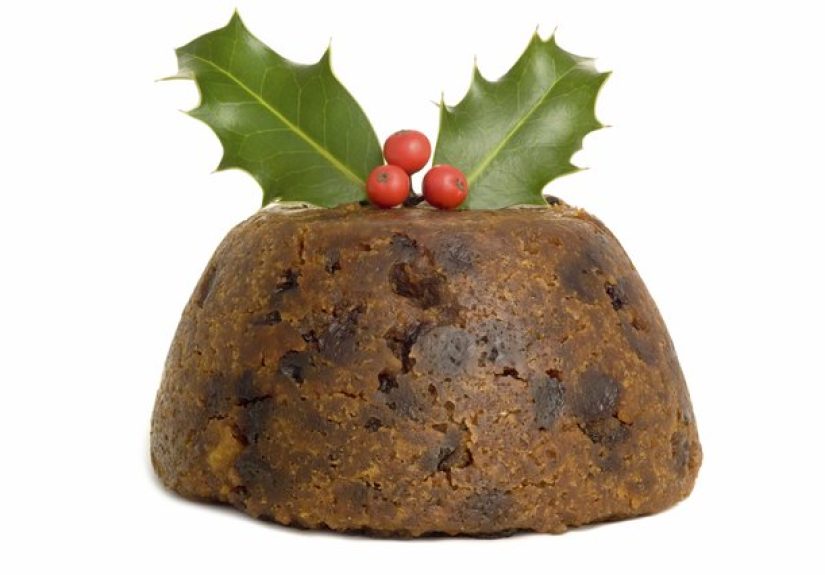
Christmas pudding is a traditional British-style steamed dessert made with dried fruit, breadcrumbs, flour, fat, sugar, warm spices, citrus zest, and a binding liquid. It is dense in the best possible way: moist, aromatic, dark, and festive. Think fruitcake’s more dramatic cousinthe one who arrives at dinner wearing velvet and telling stories about nutmeg.
Classic Christmas pudding is usually cooked in a pudding basin, covered tightly with parchment and foil, then steamed for several hours. The slow steaming gives the pudding its rich color and tender crumb. A pressure cooker speeds up that same steaming process by creating a hotter, pressurized steam environment.
Why Use a Pressure Cooker for Christmas Pudding?
Learning how to cook Christmas puddings in pressure cookers is a holiday sanity saver. Traditional steaming can take most of a day, and the water level must be checked often. A pressure cooker shortens the cooking time, uses less water, and keeps the pudding moist from edge to center.
Benefits of Pressure Cooking Christmas Pudding
First, pressure cooking saves time. A medium pudding that might normally steam for six to eight hours can often be cooked under pressure in about 1 hour 45 minutes to 2 hours, depending on size and recipe density.
Second, it saves attention. You still need to set up the cooker correctly, but once it reaches pressure, the appliance does much of the work. That gives you time to wrap gifts, make custard, or stare peacefully at your holiday to-do list while pretending it is not staring back.
Third, pressure cooking helps preserve moisture. Christmas pudding should be rich and soft, not dry and crumbly. The sealed steam environment is excellent for dense steamed desserts.
Equipment You Need
Before you begin, gather the right tools. Christmas pudding is not difficult, but it rewards preparation. Once your hands are covered in sticky fruit mixture, you will not want to go searching for string like a holiday detective.
Essential Tools
- Electric pressure cooker or stovetop pressure cooker
- Heatproof pudding basin or oven-safe bowl that fits inside the cooker
- Trivet or steaming rack
- Parchment paper
- Aluminum foil
- Kitchen string
- Foil sling or silicone sling for lifting
- Mixing bowls and spoon
The pudding basin should not touch the bottom of the cooker. Always place it on a trivet so steam can circulate underneath. Also make sure the basin fits with enough clearance for the lid to close safely.
Ingredients for a Classic Pressure Cooker Christmas Pudding
You can adapt many traditional Christmas pudding recipes for pressure cooking. The key is to keep the mixture moist, cover the basin securely, and adjust the cooking time based on pudding size.
Suggested Ingredients
- 1 cup raisins
- 1 cup currants or chopped dried cranberries
- 1 cup chopped dates, figs, or prunes
- 1/2 cup candied orange peel or mixed peel
- 1 medium apple, grated
- Zest of 1 orange
- Zest of 1 lemon
- 3/4 cup dark brown sugar
- 3/4 cup fresh breadcrumbs
- 1/2 cup all-purpose flour
- 1/2 cup shredded suet, grated butter, or vegetable shortening
- 2 large eggs
- 1 teaspoon cinnamon
- 1/2 teaspoon nutmeg
- 1/2 teaspoon ground ginger
- 1/4 teaspoon cloves
- 1/2 teaspoon baking powder
- 1/4 teaspoon salt
- 1/2 cup orange juice, apple cider, or strong brewed tea
Traditional recipes sometimes include brandy, rum, or stout. For a family-friendly or alcohol-free Christmas pudding, orange juice, apple cider, black tea, or cranberry juice works beautifully. The fruit still becomes plump, fragrant, and festive without requiring anything stronger than holiday enthusiasm.
How to Prepare the Pudding Mixture
Start by soaking the dried fruit. Combine raisins, currants, dates, peel, grated apple, citrus zest, and your chosen liquid in a bowl. Let the mixture sit for at least 30 minutes, or overnight if you want deeper flavor. Soaking helps the fruit soften and prevents the pudding from tasting dry.
In a separate large bowl, combine breadcrumbs, flour, brown sugar, spices, baking powder, and salt. Stir in the suet, butter, or shortening until evenly distributed. Add the soaked fruit and eggs, then mix until everything is thick, sticky, and evenly combined.
The batter should be spoonable but not runny. If it looks too dry, add a tablespoon or two of juice or tea. If it looks soupy, sprinkle in a little more breadcrumb. Christmas pudding batter is forgiving, but it should not resemble fruit soup wearing a spice costume.
How to Prepare the Pudding Basin
Grease the pudding basin well with butter or shortening. Spoon the mixture into the basin, leaving about one inch of space at the top for expansion. Smooth the surface gently.
Cut a round of parchment paper and a larger sheet of foil. Fold a pleat across the center of both. This pleat gives the pudding room to expand as it cooks. Place the parchment over the basin first, then cover with foil. Tie securely with kitchen string under the rim. Create a string handle or use a foil sling to lower and lift the basin safely.
How to Cook Christmas Puddings in Pressure Cookers
Place the trivet in the pressure cooker and add water according to your manufacturer’s minimum liquid requirement. Many electric pressure cookers require at least 1 to 2 cups of water, while some larger models need more. The water should create steam but should not flood the pudding basin. A common target is water reaching about 1 inch up the side of the basin, as long as that amount also satisfies your cooker’s manual.
Step-by-Step Pressure Cooker Method
- Place the wrapped pudding basin on a trivet inside the cooker.
- Add enough hot water to meet the appliance’s minimum liquid requirement.
- Steam with the valve open or lid unsealed for 10 to 20 minutes if your recipe uses baking powder. This helps activate the leavening and gives a lighter texture.
- Seal the pressure cooker lid properly.
- Cook on high pressure according to the size of the pudding.
- Allow a natural or slow pressure release. Do not force the lid open.
- Carefully lift out the pudding and let it cool.
Pressure Cooker Christmas Pudding Timing Guide
Cooking time depends on the size of the pudding basin and the density of the mixture. Use the following timing guide as a practical starting point.
| Pudding Size | Approximate Capacity | High Pressure Cooking Time | Best Use |
|---|---|---|---|
| Mini puddings | 4 to 6 ounces each | 25 to 40 minutes | Individual servings or gifts |
| Small pudding | 2 cups / 500 ml | 60 to 75 minutes | Small family dessert |
| Medium pudding | 3 to 4 cups / 750 ml to 1 liter | 1 hour 30 minutes to 2 hours | Classic holiday table |
| Large pudding | 6 cups / 1.5 liters | 2 hours 30 minutes to 3 hours | Big gatherings |
If your pudding is very fruit-heavy or packed tightly, choose the longer end of the range. A slightly longer steam usually improves Christmas pudding. A rushed pudding, however, can be pale, soft in the wrong way, or underdeveloped in flavor.
How to Tell When Christmas Pudding Is Done
A cooked Christmas pudding should feel firm but springy when gently pressed. The color should be deep brown, and the aroma should be warm, fruity, and spiced. If you insert a skewer into the center, it should come out mostly clean, with no wet batter clinging to it.
Remember that Christmas pudding is naturally moist. You are not looking for the dry crumb of a sponge cake. You want a dense, tender texture that slices cleanly after cooling.
Cooling, Storing, and Maturing the Pudding
After cooking, let the pudding cool completely. Remove the wet wrapping and replace it with fresh parchment and foil. Store it in a cool, dry place if your recipe is designed for long keeping, or refrigerate it if you are using a lighter modern recipe with less sugar, fat, or preserved fruit.
For home cooks in the United States, refrigeration is the safer choice for most modern homemade puddings, especially if the recipe contains fresh apple, eggs, butter, or lower amounts of sugar. Use an airtight wrap or container to prevent the pudding from absorbing refrigerator odors. Nobody wants Christmas pudding with a mysterious hint of leftover onion.
How to Reheat Christmas Pudding in a Pressure Cooker
To reheat, place the pudding back in its basin, cover it securely, and set it on the trivet. Add water according to your pressure cooker’s instructions. Cook on high pressure for about 15 to 20 minutes for a small pudding, 25 to 40 minutes for a medium pudding, or up to 45 minutes for a large pudding. Let the pressure release slowly before opening.
If serving immediately, let the pudding rest for a few minutes before unmolding. Run a thin knife around the edge if needed, place a plate on top, and invert carefully. The pudding should release with dramatic holiday dignity. If it refuses, give it a minute. Desserts, like relatives, sometimes need space.
Serving Ideas
Christmas pudding is traditionally served warm with custard, hard sauce, cream, or ice cream. For an alcohol-free table, vanilla custard, orange cream, maple whipped cream, or cinnamon ice cream all work well.
You can decorate the top with sugared cranberries, orange zest, toasted nuts, or a sprig of holly used only as decoration. Do not eat holly berries or leaves. They are festive-looking, not snack-approved.
Common Mistakes to Avoid
Using Too Little Water
Pressure cookers need liquid to produce steam. Too little water can prevent the cooker from reaching pressure or trigger a burn warning in electric models. Always follow the manufacturer’s minimum liquid rule.
Letting the Basin Touch the Bottom
The pudding basin should sit on a trivet. Direct contact with the hot base can cause uneven cooking or scorching.
Skipping the Pleat
The pleat in the parchment and foil is not decorative origami. It allows the pudding to expand. Without it, the covering may tear or press too tightly against the batter.
Quick-Releasing Aggressively
A slow or natural pressure release is best for steamed puddings. Sudden pressure changes can disturb the texture and may cause liquid to bubble up around the basin.
Overfilling the Basin
Leave space at the top. Christmas pudding expands as it cooks, and an overfilled basin can push against the cover or leak into the cooker.
Can You Make Christmas Pudding Ahead?
Yes. In fact, Christmas pudding is famous for being made ahead. Many people prepare it weeks before Christmas so the flavors can deepen. If you are using a traditional recipe with plenty of dried fruit, sugar, and fat, it can mature well. If you are using a lighter recipe, store it in the refrigerator and enjoy it within a shorter period.
For best quality, label the pudding with the date. Holiday kitchens can become chaotic, and a mystery-wrapped bowl in the back of the fridge is not the kind of Christmas surprise anyone needs.
Can You Make Mini Christmas Puddings in a Pressure Cooker?
Absolutely. Mini Christmas puddings are great for gifting, portion control, and avoiding the annual dessert negotiation where everyone says, “Just a tiny slice,” then somehow returns for another tiny slice six times.
Use small heatproof ramekins or mini pudding molds. Grease them well, fill them about three-quarters full, cover tightly, and cook on high pressure for about 25 to 40 minutes depending on size. Let them cool before unmolding.
Alcohol-Free Christmas Pudding Options
A Christmas pudding does not need alcohol to taste rich. Strong black tea adds tannic depth, orange juice brings brightness, apple cider gives sweetness, and cranberry juice adds tart holiday flavor. You can also use a mixture of juice and molasses for a darker pudding.
For serving, skip flamed toppings and use warm custard, vanilla sauce, caramel sauce, or citrus cream. These options are family-friendly and easier to manage at a crowded table.
Troubleshooting Pressure Cooker Christmas Pudding
My Pudding Is Too Pale
It may need more cooking time, darker sugar, or a richer fruit mixture. Use dark brown sugar, dates, prunes, molasses, or black tea for deeper color.
My Pudding Is Too Wet
It may be undercooked or the foil cover may have leaked. Rewrap it and pressure cook for another 20 to 30 minutes.
My Pudding Is Dry
The mixture may not have had enough liquid, or the fruit was not soaked long enough. Serve it with extra custard or sauce, and next time soak the fruit overnight.
My Cooker Shows a Burn Warning
Check that there is enough water in the pot and that the basin is raised on a trivet. Thick sauces or sugar spills on the bottom can also trigger burn warnings.
Experience-Based Tips for Better Pressure Cooker Christmas Pudding
After making Christmas puddings in pressure cookers more than once, you learn that the recipe is only half the story. The other half is setup, patience, and not trying to wrestle a hot pudding basin like it owes you money.
The first practical lesson is to test the basin before mixing anything. Put the empty basin on the trivet, close the lid, and make sure the cooker seals. This sounds obvious until you have a full bowl of sticky fruit batter and discover the lid will not close. At that point, the pudding has won round one.
The second lesson is to make a strong sling. A folded strip of foil works, but it should be wide and sturdy. Silicone slings are even easier if you have one. The pudding basin becomes heavy and slippery after cooking, and lifting it safely matters. Hot steam is no joke, even when the kitchen smells like cinnamon and victory.
The third lesson is to respect the wrapping. A tight cover keeps water out, but the pleat gives the pudding room to rise. Use parchment against the food and foil outside it. Tie the string securely under the rim, then trim long ends so they do not interfere with the cooker lid. This little step keeps everything tidy and prevents the wrapping from flapping around like a tiny holiday sailboat.
The fourth lesson is that flavor improves when the fruit is soaked. Even a 30-minute soak helps, but overnight soaking makes the pudding noticeably better. The fruit becomes plumper, the spices bloom, and the final texture is more luxurious. If you use tea, brew it strong. Weak tea disappears in a pudding full of dried fruit and spice. It needs to show up with confidence.
The fifth lesson is to avoid rushing the pressure release. A slow release keeps the pudding settled and tender. When you open the lid, tilt it away from your face and hands. Steam burns quickly, and no dessert is worth a dramatic kitchen injury. Let the pudding sit for several minutes before lifting it out.
The sixth lesson is that reheating can be just as important as the first cook. A Christmas pudding served warm tastes softer, deeper, and more aromatic. Cold pudding can taste dense and shy; warm pudding enters the room with a brass band. Reheat it gently under pressure, then let it rest before turning it out.
The seventh lesson is to keep the serving simple. People often worry about dramatic presentation, but a good Christmas pudding mostly needs warmth and sauce. Vanilla custard is reliable, orange cream is bright, and a scoop of vanilla ice cream melts beautifully over the hot pudding. Add sugared cranberries or orange zest if you want sparkle without turning dessert into a craft project.
The eighth lesson is to make notes. Write down the size of your basin, cooking time, liquid amount, and result. Pressure cookers vary, and your perfect timing may be slightly different from someone else’s. A small note turns next year’s pudding into an easy repeat instead of a holiday guessing game.
Finally, remember that Christmas pudding is supposed to feel generous and homemade. It does not need to look like it came from a glossy magazine. If it unmolds with a little wrinkle, cover it with sauce. If the top is uneven, decorate it. If someone asks whether it is authentic, hand them a spoon. Pressure cooker Christmas pudding is about keeping the tradition while making it fit real modern kitchens, where oven space is limited, schedules are wild, and nobody has eight spare hours to supervise a steaming pot.
Conclusion
Cooking Christmas puddings in pressure cookers is one of the smartest ways to keep a classic holiday dessert on the table without surrendering your entire day to steam. With the right basin, enough water, a secure wrapping, and a sensible cooking time, you can create a rich, moist, beautifully spiced pudding in far less time than traditional steaming requires.
The key is to treat pressure cooking as faster steaming, not magic. Use a trivet, follow your appliance manual, allow slow pressure release, and adjust timing to the size of your pudding. Whether you make one large centerpiece or a batch of mini puddings, the result can be festive, flavorful, and wonderfully practical.