Table of Contents >> Show >> Hide
- What Makes Quartz Countertops Different?
- How to Clean Quartz Countertops Every Day
- How to Deep Clean Quartz Countertops Without Damage
- How to Remove Common Stains from Quartz
- What Not to Use on Quartz Countertops
- Can You Use Vinegar on Quartz Countertops?
- Can You Disinfect Quartz Countertops?
- How to Protect Quartz Countertops So They Stay Cleaner Longer
- Common Mistakes People Make When Cleaning Quartz
- Best Simple Routine for Busy Homes
- Final Thoughts on How to Clean Quartz Countertops
- Experiences and Practical Lessons from Real Quartz Countertop Use
- SEO Tags
Quartz countertops have a funny reputation. People hear “engineered stone” and assume the surface is either indestructible or secretly fussy. In reality, quartz lives in the sweet spot: it is durable, low-maintenance, and usually easy to clean, but it still appreciates a little respect. Treat it well, and it will keep your kitchen or bathroom looking polished, bright, and impressively expensive even when your week has been held together by coffee and takeout.
If you have been wondering how to clean quartz countertops without dulling the finish, damaging the resin, or turning a simple wipe-down into a chemistry experiment, you are in the right place. The good news is that most daily messes need nothing more dramatic than warm water, a soft cloth, and a mild dish soap. The even better news is that quartz generally does not need sealing like many natural stone surfaces. That means less maintenance, fewer specialty products, and far fewer opportunities to stare at a label and wonder whether your counter is about to file a complaint.
This guide walks through the safest way to clean quartz countertops every day, how to handle stains, what products to avoid, and how to keep the surface looking fresh for years.
What Makes Quartz Countertops Different?
Before you start scrubbing, it helps to know what you are cleaning. Quartz countertops are typically made from crushed quartz combined with resins and pigments. That combination gives the surface a sleek appearance and a nonporous structure, which is a big reason people love it. Liquids do not soak in the way they can with more porous materials, and the counters are generally resistant to everyday stains from food, drinks, and bathroom products.
But “resistant” does not mean “immune.” The resin content in quartz is one reason harsh chemicals, abrasive pads, and extreme heat can create trouble. So the goal is simple: clean effectively without getting aggressive. Think gentle housekeeping, not medieval battle reenactment.
How to Clean Quartz Countertops Every Day
Daily cleaning is wonderfully boring, which is exactly what you want. The safest routine is also the easiest.
Step 1: Clear crumbs, dust, and loose debris
Use a dry microfiber cloth or soft paper towel to wipe away crumbs, dust, and anything gritty. This matters more than people realize. If you jump straight into scrubbing, tiny particles can drag across the surface and leave dull marks over time.
Step 2: Use warm water and mild dish soap
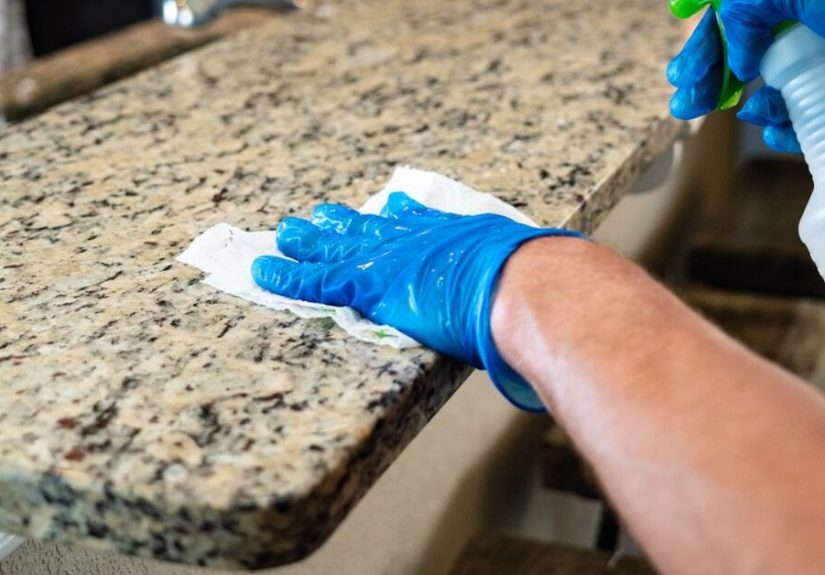
Dampen a soft cloth or non-abrasive sponge with warm water and add a few drops of mild dish soap. Wipe the countertop in smooth, even passes. This is enough for fingerprints, cooking splatter, toothpaste drips, and the mysterious sticky spot no one in the house claims responsibility for.
Step 3: Rinse and remove residue
Go back over the surface with a clean damp cloth to remove any soap film. Even a good cleaner can leave residue if it is allowed to hang around like an uninvited dinner guest.
Step 4: Dry with a microfiber cloth
Finish by drying the countertop with a soft microfiber towel. This helps prevent streaks and water spots, especially in bathrooms and in kitchens with hard water.
If you want a simple rule to remember, it is this: soft cloth, warm water, mild soap, dry finish. Quartz loves a calm routine.
How to Deep Clean Quartz Countertops Without Damage
Sometimes daily cleaning is not enough. Maybe you hosted brunch, maybe your kids discovered syrup, or maybe your countertop has become a silent archive of coffee rings and oil smudges. For a deeper clean, you still do not need anything too harsh.
Start with the same soap-and-water method, but let the damp cloth sit on the mess for a minute or two before wiping. This softens dried residue and makes cleanup easier. For light buildup, a non-abrasive household cleaner that is approved for quartz can help. A quartz-safe cleaner or a gentle non-abrasive spray often works well for routine deep cleaning.
The key phrase here is approved for quartz. Brand guidance can vary, especially when it comes to specialty products like disinfecting wipes, vinegar-based solutions, or stronger cleaners. When in doubt, check the care page for your specific brand before using anything beyond mild soap and water.
How to Remove Common Stains from Quartz
Quartz is stain-resistant, but busy homes produce creative messes. Here is how to deal with the usual suspects.
Food and drink stains
Coffee, tea, wine, juice, sauce, and oil are common countertop offenders. Wipe them quickly with warm water and dish soap. If the mark lingers, try a non-abrasive cleaner or a little rubbing alcohol on a soft cloth, then rinse well and dry.
Grease and sticky residue
For grease, use a gentle degreasing method approved for quartz or a mild soap solution with a bit more dwell time. Sticky residue from labels, candy, or spills can often be loosened with warm water first. If needed, gently lift the residue with a plastic putty knife. Plastic is your friend. Metal is not.
Dried-on messes
Dried paint specks, hardened food, gum, or wax should never be attacked with a razor blade or steel scraper. Instead, soften the mess with a damp cloth, then carefully work it loose with a plastic scraper. Follow with soap and water.
Water spots and rings
Water spots are often less about staining and more about mineral residue or leftover cleaner film. Wipe the area with warm soapy water, rinse with clean water, and dry thoroughly. If buildup remains, use a quartz-safe specialty cleaner recommended by your manufacturer.
Ink, makeup, or stubborn marks
A small amount of rubbing alcohol on a soft cloth can help with tougher spots. Test in an inconspicuous area first, wipe gently, then rinse and dry. For anything unusually stubborn, do not improvise with random chemicals from under the sink. Check your brand’s care instructions and follow those before escalating.
What Not to Use on Quartz Countertops
This is the part that saves people money. Most quartz damage does not come from ordinary use. It comes from “helpful” cleaning shortcuts.
Avoid these products and tools:
- Abrasive scrub pads and scouring powders
- Steel wool or rough brushes
- Oven cleaners and grill cleaners
- Drain cleaner, paint stripper, and strong solvents
- Concentrated bleach or harsh ammonia-based products
- High-pH or strongly acidic cleaners unless your manufacturer specifically approves them
- Metal blades or sharp scraping tools
These products can dull the finish, discolor the surface, or weaken the resin that helps bind the countertop together. In plain English: your countertop may survive spaghetti night, but it does not want to wrestle oven cleaner.
Can You Use Vinegar on Quartz Countertops?
This is where homeowners get mixed messages. Some care guides for specific quartz brands allow certain vinegar-based cleaning methods or diluted disinfecting products. Other quartz care sources warn against acidic cleaners like vinegar for routine use because they may dull or damage the finish over time.
The safest general advice is this: do not assume every quartz surface likes vinegar. For everyday cleaning, stick with warm water and mild dish soap. For specialty cleaning, check the manufacturer guidance for your exact countertop brand and finish.
That extra thirty seconds of checking can spare you a much longer conversation with regret.
Can You Disinfect Quartz Countertops?
Yes, but gently. Quartz surfaces are nonporous, which helps with everyday hygiene, but not every disinfecting product is a smart choice. Some manufacturers allow diluted rubbing alcohol or certain disinfecting products, while others recommend testing wipes or limiting exposure time.
If you want to disinfect after handling raw meat or after someone in the house has been sick, your safest route is to use a quartz-approved disinfecting method from your brand’s care instructions. After disinfecting, rinse if the product directions call for it, and dry the surface to avoid residue.
How to Protect Quartz Countertops So They Stay Cleaner Longer
Cleaning is easier when you build a few protective habits into your routine.
Use trivets and hot pads
Quartz can handle normal kitchen life, but it is not a fan of sudden temperature swings or direct heat from hot cookware. A trivet under a skillet or baking dish is much cheaper than countertop repair.
Use a cutting board
Quartz is durable, but knives can still mark the surface, especially on certain finishes or patterns. Plus, cutting directly on the countertop is not doing your knives any favors either.
Wipe spills quickly
Even though quartz resists staining, spills become harder to clean once they dry. Fast cleanup keeps the surface looking glossy and saves you from later detective work.
Dry around sinks and faucets
Bathroom and kitchen counters often collect water rings, soap residue, and mineral deposits. A quick dry wipe around the sink each day can make a big difference.
Common Mistakes People Make When Cleaning Quartz
- Using “extra strong” cleaners for ordinary messes
- Letting soap residue air-dry on the surface
- Using abrasive scrubbers for sticky spots
- Placing hot pans directly on the countertop
- Assuming every online hack is quartz-safe
- Skipping the manufacturer’s care guide for brand-specific advice
If a cleaning tip sounds dramatic, viral, or suspiciously proud of itself, it is probably not the one to trust with your countertop.
Best Simple Routine for Busy Homes
If you want a realistic maintenance plan that works in real life, here it is:
- Daily: Wipe with a soft cloth, warm water, and a drop of mild soap if needed.
- After messy cooking: Rinse, wipe dry, and remove grease before it hardens.
- Weekly: Give the whole countertop a more thorough clean, especially near the stove and sink.
- As needed: Use a quartz-safe cleaner for stubborn residue and check brand instructions for anything stronger.
This routine does not take long, does not require a cabinet full of products, and keeps quartz looking like the stylish overachiever it was born to be.
Final Thoughts on How to Clean Quartz Countertops
Quartz countertops reward consistency more than intensity. You do not need fancy rituals, aggressive chemicals, or miracle sprays. You need a soft cloth, warm water, mild dish soap, and the wisdom to keep abrasive products and direct heat far away from the surface.
For everyday cleaning, stay gentle. For stains, stay patient. For specialty products, stay loyal to your manufacturer’s care guide. Do that, and your quartz countertops will keep looking polished, practical, and thoroughly unimpressed by the chaos happening around them.
In other words, clean smart, not loud.
Experiences and Practical Lessons from Real Quartz Countertop Use
One of the most common experiences homeowners share with quartz countertops is surprise at how little effort routine cleaning actually takes. People often expect a premium-looking surface to come with premium-maintenance drama, but quartz usually behaves more like a reliable daily workhorse. In busy kitchens, the biggest lesson is that simple habits matter more than expensive products. Families who wipe the counters after dinner, dry around the sink, and use trivets consistently tend to keep their quartz looking newer for longer than people who buy specialty cleaners and then forget the basics.
Another practical lesson comes from cooking zones. Around the stove, quartz often collects a sneaky mix of oil mist, seasoning dust, and tiny droplets of sauce. None of that looks terrible at first, but over a week or two it can create a dull film that makes people think the countertop is wearing out. Usually, it is not damage at all. It is just buildup asking for a warm cloth, mild soap, and a little attention. The same thing happens in bathrooms, where toothpaste, hand soap, and hard-water residue can leave the surface looking cloudy when what it really needs is a rinse and a dry buff with microfiber.
Many people also learn the hard way that “stain-resistant” is not the same as “ignore it until tomorrow.” Coffee rings, red sauce, makeup, and hair product spills are much easier to remove when they are fresh. Once they dry, they become less of a stain problem and more of a patience problem. Homeowners who keep a soft cloth nearby often avoid the need for deeper cleaning altogether. It is not glamorous, but neither is staring at a turmeric mark and bargaining with it emotionally.
There is also a clear pattern with damage prevention. The people happiest with their quartz counters usually use cutting boards and trivets without argument. The people who do not are often the same ones later asking why the finish looks off in one corner or why there is a suspicious mark near the cooktop. Quartz is durable, yes, but it is still a surface, not a superhero. It can handle daily life beautifully, but it prefers not to be challenged by a scorching Dutch oven or a serrated knife having a bad day.
Perhaps the most helpful real-world lesson is that brand-specific care matters. Two neighbors can both say they “have quartz,” yet their manufacturers may give slightly different advice on disinfecting wipes, vinegar-based products, or stain treatments. The smartest homeowners are not the ones who memorize every online hack. They are the ones who keep things simple most of the time and double-check the brand instructions when a tougher mess appears. That mix of common sense and caution usually produces the best long-term results.