Table of Contents >> Show >> Hide
- Why Your Windows Make the House Feel Hotter (Even When the A/C Is On)
- Start Here: A “Hot Day Window Routine” That Works
- Interior Window Treatments That Actually Reduce Heat (Not Just Vibes)
- Exterior Shading: The Most Powerful Way to Stop Heat Before It Hits the Glass
- 1) Awnings: classic for a reason
- 2) Exterior shutters and shades: serious sun control
- 3) Exterior solar screens: reduce glare and heat without losing the view
- 4) Shade trees and landscaping: long-term comfort you can plant
- 5) Overhangs, pergolas, and trellises: architectural shade that looks intentional
- Window Film: A Bright-Room Solution (With a Few Rules)
- Seal the Gaps: Weatherstripping and Caulk for Summer Comfort
- When to Upgrade the Window Itself (Instead of Fighting It)
- A Quick “Pick the Right Fix” Guide
- Common Mistakes (So You Don’t Accidentally Help the Heat)
- Conclusion: Make the Sun Work for You (Not Against You)
- Real-World Experiences: What Homeowners Notice After “Fixing the Windows” (About )
- Experience 1: The west-facing living room that turned into a 5 p.m. sauna
- Experience 2: The charming older home with great character and… enthusiastic air leaks
- Experience 3: The bright home office where glare was the true villain
- Experience 4: The renter-friendly approach (no drilling, no major upgrades)
When summer cranks the thermostat up to “toasty,” your windows can feel less like a source of daylight and more like a
giant solar-powered space heater. The good news: you don’t need to live in the dark like a tasteful vampire to keep your
home comfortable. With the right mix of shading, sealing, and smart upgrades, your windows can stay bright without
turning your living room into a slow-roast situation.
This guide focuses on practical, window-first strategies that cut heat where it startsat the glassso your A/C works
less, your rooms feel steadier, and you stop losing arguments with the west-facing sun at 5 p.m.
Why Your Windows Make the House Feel Hotter (Even When the A/C Is On)
Solar heat gain: sunshine comes in, heat sticks around
Sunlight passes through glass and warms the surfaces insidefloors, furniture, countertopsthen those warmed surfaces
radiate heat back into the room. That’s why a sunny room can feel “heated” even if the thermostat says you’re being
dramatic.
Orientation matters: the sun plays favorites
South-facing windows get steady sun; east-facing windows get a morning blast; west-facing windows get the
“why-is-it-still-this-hot” late-afternoon punishment. If one side of your home always feels hotter, it’s not your
imaginationyour windows are essentially collecting sun on a schedule.
Air leaks: the invisible heat exchange program you didn’t enroll in
Even great glass can’t help much if hot outdoor air sneaks in around the frame, or if your cooled indoor air escapes
through gaps. The result is a home that never quite “catches up,” because you’re cooling the inside while your windows
are quietly hosting a loophole convention.
Start Here: A “Hot Day Window Routine” That Works
Before you buy anything, try this simple daily routine for a weekbecause timing is an upgrade, too.
Morning (cooler outside): flush and prep
- If outdoor air is cooler than indoor air, open windows on opposite sides of the house for a cross-breeze.
- Keep interior doors open (unless you’re trying to cool one room only) so air can move.
- As the sun shifts toward your “hot windows,” get shading ready to close.
Midday to late afternoon (hottest outside): block the sun, seal the cool
- Close coverings on windows getting direct sunespecially west-facing windows later in the day.
- Leave shaded-side windows more open for daylight if they aren’t taking direct hits.
- If you run window A/C units, make sealing the side panels and sash gaps non-negotiable.
Evening and overnight: vent again if the outside cools down
- When outdoor temps drop below indoor temps, open windows again to purge stored heat.
- Use a box fan in one window (blowing out) and another open window across the house (pulling in) to boost airflow.
This routine is the “free trial” version of better window performance. If it noticeably helps, the upgrades below will
help even more.
Interior Window Treatments That Actually Reduce Heat (Not Just Vibes)
1) Cellular shades (a.k.a. honeycomb shades): insulation you can raise and lower
Cellular shades trap air in their pockets, creating an insulating layer between your room and the hot glass. Look for
a snug fit: side gaps are basically little heat express lanes. If your hottest room has big windows that are hard to
shade effectively, cellular shades are often the best “first real upgrade.”
Best for: bedrooms, offices, and any room that needs both comfort and a cleaner look than “tape a blanket to the wall.”
2) Drapes and curtains: pick the right backing and coverage
Not all curtains are equal. For heat control, prioritize full coverage (top to bottom, edge to edge). Heat loves to
sneak around the sides like it’s avoiding a cover charge. Curtains with a light-colored or reflective backing can help
by reflecting solar energy back toward the glass.
Pro move: Use a cornice or valance at the top and make the sides hug the wall. The less airflow behind the curtain, the
less heat “circulates” into the room.
3) Blinds: go reflective and aim the light
Blinds are great because you can adjust them. Fully closed, reflective blinds can reduce heat gain while still letting
you fine-tune glare. If you have horizontal blinds, tilting them to bounce light up toward a light-colored ceiling can
brighten a room while keeping the sun from blasting your face and your sofa.
4) Layering: the “double-team” approach
In rooms that get hammered by sun, layering is often the most practical solution:
- Cellular shade close to the glass for insulation
- Blackout or lined drapes over that for stronger solar blocking
Bonus: layering usually improves privacy and reduces noise, tooso your house feels calmer, not cave-like.
Exterior Shading: The Most Powerful Way to Stop Heat Before It Hits the Glass
If interior treatments are “defense,” exterior shading is “don’t let the ball into the stadium.”
Stopping sun outside is often the biggest comfort win, especially on east- and west-facing windows.
1) Awnings: classic for a reason
Awnings shade the window and reduce solar heat gain dramatically. They work especially well where the sun angle is
brutalthink late-afternoon west-facing windows. Choose opaque, tightly woven fabric, and remember that lighter colors
tend to reflect more sunlight. Ventilation matters, too, so heat doesn’t get trapped around the window.
2) Exterior shutters and shades: serious sun control
Exterior shutters, roll-down shades, and other outside-mounted systems can be extremely effective because they block
sunlight before it passes through the glass. Some options still allow partial visibility or airflow, which is helpful
if you want shade without turning your home into a bunker.
3) Exterior solar screens: reduce glare and heat without losing the view
Solar screens look like upgraded insect screens and can reduce glare and heat gain while maintaining some visibility.
Pay attention to the “openness” factor: more open means better view and more daylight, but less heat protection.
4) Shade trees and landscaping: long-term comfort you can plant
Deciduous trees can shade your home in summer while letting sunlight in during winter after leaves fall. The best
placements are typically on the south and west sides, depending on your yard and your sun exposure. This is the slow
burn (pun intended) optionbut the payoff can be excellent for both comfort and curb appeal.
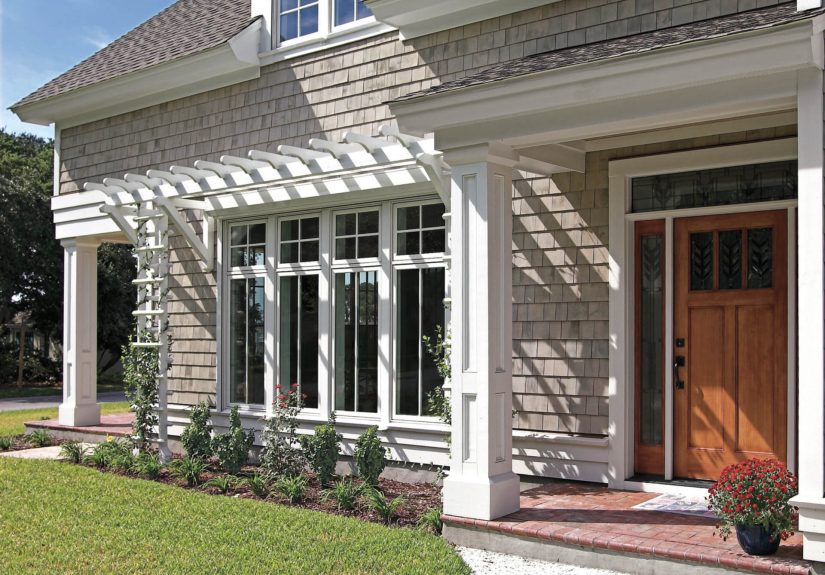
5) Overhangs, pergolas, and trellises: architectural shade that looks intentional
Fixed overhangs can work beautifully on south-facing windows where high summer sun angles make shading easier. For
low-angle west sun, vertical solutions (screens, shutters, side fins, vegetation) usually do more heavy lifting.
Window Film: A Bright-Room Solution (With a Few Rules)
Window films can reduce heat gain and glare while preserving daylight and your viewgreat for sunrooms, offices, and
“I refuse to live in a dim cave” households. But film is not one-size-fits-all, and it’s worth understanding the basics
so you don’t accidentally create a problem while solving one.
Know the two ratings that matter
- SHGC (Solar Heat Gain Coefficient): lower generally means less solar heat entering the home.
- Visible Transmittance (VT): higher generally means more daylight gets through.
In plain English: you’re trying to lower unwanted heat without turning your windows into sunglasses that permanently
live at midnight.
Where film shines
- Windows that are hard to cover with shades or curtains
- Rooms where glare is the big problem (TV rooms, home offices)
- Homes with long cooling seasons where blocking summer heat is the priority
Important caution: check your window warranty and glass type
Some filmsespecially darker, more absorptive filmscan increase heat stress on insulated glass units (double-pane
windows). Many window manufacturers have restrictions, and some warranties can be affected. When in doubt, use a
professional installer and confirm compatibility with your specific window type.
Seal the Gaps: Weatherstripping and Caulk for Summer Comfort
It sounds boring. It is boring. It is also one of the highest “comfort-per-dollar” moves you can make.
Sealing leaks helps your cooled air stay inside and reduces hot air infiltration.
Weatherstrip operable windows
Weatherstripping is for movable partssashes, tracks, and areas that open and close. The goal is a snug seal without
making the window impossible to operate.
Caulk stationary gaps
Use caulk for cracks and gaps where the window trim meets siding or where framing has separated over time. If you can
see daylight, feel drafts, or notice dust trails, that’s your home politely requesting caulk.
Don’t forget window A/C units
If you use a window air conditioner, sealing the sash gap and side panels is essential. Otherwise, you’re paying to
cool a room while it’s also “ventilating” itself with hot outdoor air. Foam strips and snug-fitting panels make a
noticeable difference.
When to Upgrade the Window Itself (Instead of Fighting It)
Treatments and sealing can go a long way, but sometimes the window is simply outmatchedespecially old single-pane
windows or poorly performing double-pane units.
ENERGY STAR certified windows: look for the right climate-zone specs
If replacement is on the table, windows with better low-e coatings and climate-appropriate SHGC targets can reduce
summer heat gain while still keeping rooms bright. The key is choosing a product rated for your climate zone and
installed correctlybecause even the best window can be drafty if installed badly.
Storm panels and secondary glazing: a “middle path”
If full replacement isn’t practical, adding a high-performance storm panel or interior storm system can improve comfort
by adding another insulating layer. This can be especially appealing for older homes where you want to keep the original
look but reduce the summer heat punch.
A Quick “Pick the Right Fix” Guide
If your room overheats mainly in the afternoon
- Prioritize exterior shading or solar screens on west-facing windows
- Add cellular shades or lined drapes inside for backup
- Consider sun-control film if you need daylight and view
If your house feels uneven (hot spots, warm upstairs, stubborn rooms)
- Seal air leaks around windows first
- Use a consistent shading routine by orientation (not by “whatever you remember”)
- Layer treatments in the worst rooms rather than doing everything everywhere
If your main issue is glare (but you still want light)
- Solar screens or window film
- Adjustable blinds that bounce light upward
- Sheer + liner combo (sheer for daylight, liner for peak sun)
Common Mistakes (So You Don’t Accidentally Help the Heat)
-
Leaving coverings in one position all season: window treatments work best when you actively open and
close them based on sun exposure. - Ignoring the sides of curtains: if air can flow freely behind them, heat can still circulate into the room.
- Installing the wrong film on insulated glass: compatibility matterscheck first.
-
Focusing on one “magic fix”: the best results usually come from a small stack of improvements:
exterior shade + interior insulation + sealing.
Conclusion: Make the Sun Work for You (Not Against You)
Keeping a home cool in hot weather isn’t about blocking every ray of lightit’s about controlling where and when the
sun enters, stopping heat before it hits the glass, and sealing the places where your cool air escapes. Start with a
window routine, upgrade your shading on the hottest exposures, and tighten up air leaks. You’ll feel the difference in
comfort firstand the energy bill usually follows.
Real-World Experiences: What Homeowners Notice After “Fixing the Windows” (About )
Because every home is different, the most useful “experience” often comes from patterns: what people consistently
notice when they treat windows like part of the cooling system instead of just decorative rectangles. Here are a few
realistic scenarios that mirror what homeowners commonly report after making window-focused changes.
Experience 1: The west-facing living room that turned into a 5 p.m. sauna
In many suburban layouts, the main living area has large west-facing windows. The A/C seems fine all dayuntil late
afternoon, when the room temperature climbs quickly, the couch feels warm, and the TV becomes a mirror. The common fix
that gets the biggest reaction is exterior-first shading: an awning or exterior solar screen reduces the direct sun
hitting the glass, which prevents the room from “charging up” like a battery. Homeowners often describe it as the room
feeling calmerless spikybecause surfaces don’t heat up as much. Adding a snug cellular shade inside finishes the job,
especially on days when the sun is intense or the humidity makes everything feel heavier.
Experience 2: The charming older home with great character and… enthusiastic air leaks
Older double-hung windows can be beautiful, but they also tend to leak air around the sash, pulleys, or trim. People
usually notice this problem in winter first, but it shows up in summer as a home that never quite cools evenly. After
weatherstripping and carefully caulking exterior trim gaps, the “experience” most often described is not just lower
billsit’s fewer hot drafts and fewer rooms that feel like they’re operating on their own climate plan. The house holds
its temperature longer. The A/C cycles more normally instead of running forever. And the upstairs doesn’t feel quite as
defiant by mid-afternoon.
Experience 3: The bright home office where glare was the true villain
Home offices are where people get pickybecause squinting at a screen for eight hours makes anyone consider boarding up
windows. In this scenario, homeowners often prefer a solution that keeps daylight while cutting glare and heat:
sun-control window film or solar screens. The biggest “quality of life” change tends to be visual comfort: fewer harsh
reflections, less eye strain, and a room that stays more consistent without making the space feel dim. People also
report that they stop playing musical chairs with their desk setup, because the “one unusable corner” becomes usable
again.
Experience 4: The renter-friendly approach (no drilling, no major upgrades)
Renters often rely on interior solutions: tension-rod blackout curtains, reflective blinds, and smarter timing
(closing direct-sun windows during peak hours, venting at night when it’s cooler). A common experience here is that
comfort improves more than expected when the routine becomes consistentespecially if the unit has a window A/C that’s
properly sealed with foam. Even without permanent exterior shading, strategic interior blocking reduces the “rapid heat
ramp” that makes small spaces miserable.
The shared lesson across these experiences is simple: your windows are one of the biggest levers for summer comfort.
When you control solar gain and air leakage, you stop fighting the heat in the middle of the roomand start stopping it
where it begins.