Table of Contents >> Show >> Hide
- Quick reality check: what “home remedies” can (and can’t) do
- The 9 best home remedies to help treat endometriosis symptoms
- 1) Heat therapy: your “portable peace treaty”
- 2) Over-the-counter pain relief: use it smart, not endlessly
- 3) TENS unit: gentle electrical stimulation that may reduce pain signals
- 4) Gentle movement: the endorphin assist (without overdoing it)
- 5) Pelvic-friendly stretching + breathing: unclench the whole area
- 6) Anti-inflammatory eating pattern: feed your body like it’s on your team
- 7) Fiber + hydration: support digestion and hormone processing
- 8) Stress reduction: calm the nervous system, not just the calendar
- 9) Sleep + pacing: treat fatigue like a symptom (because it is)
- How to combine these home remedies into a realistic plan
- When to talk to a healthcare provider
- Experiences from real life: what “home remedies” actually look like (and feel like)
- Conclusion
Endometriosis has a special talent for showing up uninvited and then acting like it pays rent. One day you’re living your life,
the next you’re canceling plans because your pelvis decided to host a surprise “pain festival.” If that sounds familiar, you’re not alone.
Endometriosis is a chronic condition where tissue similar to the lining of the uterus grows outside the uterus, often leading to pelvic pain,
painful periods, pain during sex, and digestive discomfort. There’s currently no cure, but symptoms can be managed with medical care and
self-care strategies at home.
This article focuses on home remedies for endometriosis symptomsthe supportive, day-to-day tools that can make flares less brutal.
Think of these as the “comfort crew” that works alongside your clinician’s plan (not instead of it). We’ll keep things evidence-based,
realistic, and friendlybecause if you’re going to deal with cramps, you deserve at least one good laugh.
Important note: If your pain is severe, getting worse, or interfering with school/work/sleep, it’s time to talk with a healthcare provider.
And if you have heavy bleeding, fainting, fever, sudden severe abdominal pain, or you might be pregnant, seek urgent medical advice.
Quick reality check: what “home remedies” can (and can’t) do
Home remedies can help with pain management, inflammation-related discomfort, muscle tension, fatigue, stress, and sleep disruptions.
They can also help you feel more in controlbecause endometriosis can be emotionally exhausting.
What home remedies can’t do is remove endometriosis lesions or replace medical evaluation, diagnosis, and treatment options.
The goal here is symptom relief and better quality of life.
The 9 best home remedies to help treat endometriosis symptoms
1) Heat therapy: your “portable peace treaty”
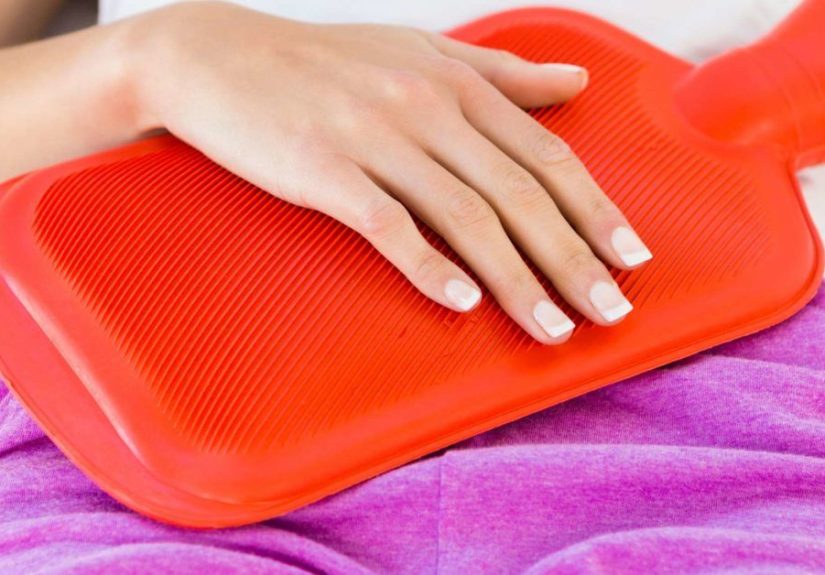
Heat is one of the most commonly recommended at-home strategies for pelvic cramping and lower back pain.
Warmth can relax muscles and reduce the “everything is clenched” feeling that often comes with endometriosis pain.
- Try: heating pad, hot water bottle, microwaveable heat wrap, or a warm bath/shower.
- How: 15–20 minutes at a time, with a cloth layer to protect skin.
- Pro tip: keep a “flare kit” ready (heat wrap + water + snack + charger). Pain loves unplanned moments.
Safety note: avoid falling asleep with electric heat on high, and don’t place heat directly on skin.
If heat worsens your symptoms or you have numbness/skin changes, stop and check in with a clinician.
2) Over-the-counter pain relief: use it smart, not endlessly
Many people use OTC pain relievers for cramps and endometriosis-related pain. Nonsteroidal anti-inflammatory drugs (NSAIDs)
can help with inflammatory pain for some people, though results vary.
- Common options: ibuprofen, naproxen, or acetaminophen (different mechanisms).
- Use safely: follow label directions, avoid doubling up products with the same ingredient, and be cautious if you have stomach ulcers,
kidney disease, liver disease, bleeding disorders, or take blood thinners. - Consider timing: some people find NSAIDs work best when taken at the first sign of cramps (ask your clinician what’s appropriate for you).
If you’re needing OTC meds frequently or they barely touch your pain, that’s a strong signal to discuss a bigger plan with a healthcare provider.
You deserve better than white-knuckling it.
3) TENS unit: gentle electrical stimulation that may reduce pain signals
A TENS (transcutaneous electrical nerve stimulation) unit delivers low-voltage electrical stimulation through adhesive pads
placed on the skin. Some people find it helps reduce pelvic or back pain by interfering with pain signaling and relaxing muscles.
- Try: a small OTC TENS device (often marketed for back or period pain).
- How: start with low intensity and short sessions; place pads on the lower abdomen or lower back as instructed by the device manual.
- Skip if: you have a pacemaker/implanted device, are pregnant (unless approved), have broken skin at the pad site, or your clinician advises against it.
Think of TENS as a “signal jammer” for painnot a cure, but possibly another dial you can turn down.
4) Gentle movement: the endorphin assist (without overdoing it)
Exercise isn’t a punishment for having a bodyit’s a tool. Light to moderate activity can support mood, circulation, sleep, and pain coping.
Some clinical guidance for painful periods and adolescent endometriosis encourages low-risk options like heat and exercise.
- Try: walking, easy cycling, swimming, or low-impact aerobics.
- When you’re flaring: aim for “gentle and short,” like a 10-minute walk or a few minutes of mobility work.
- Win condition: you feel the same or better afterwardnot worse.
A helpful mindset: you’re not training for the Olympics; you’re training for “less awful Tuesdays.”
5) Pelvic-friendly stretching + breathing: unclench the whole area
Endometriosis pain can come with pelvic floor tensionyour muscles respond to pain by tightening, which can increase pain.
Gentle stretching and diaphragmatic breathing may help relax the system.
- Try: child’s pose, reclined butterfly stretch, knee-to-chest, cat-cow, or a slow spinal twist (only if comfortable).
- Add breathing: inhale through the nose, let the belly expand; exhale slowly and imagine pelvic muscles softening.
- Keep it safe: no forced stretches, no sharp pain, no “push through it” energy.
If stretching helps but you still feel tightness or pain with sitting, sex, or bowel movements, pelvic floor physical therapy can be worth asking about.
(Not a “home remedy,” but it can be life-changing and complements at-home work.)
6) Anti-inflammatory eating pattern: feed your body like it’s on your team
There’s no single “endometriosis diet” that cures endo, but many clinicians and major health organizations discuss lifestyle strategies that
support overall health. Because endometriosis is associated with inflammation, many people explore an anti-inflammatory, Mediterranean-style pattern:
lots of plants, fiber, and healthy fats.
- Focus on: vegetables, fruits, beans/lentils, whole grains, nuts/seeds, olive oil, and fatty fish.
- Flavor boosters: herbs and spices (turmeric, ginger, garlic) to make “healthy” taste like actual food.
- Limit (as tolerated): ultra-processed foods, trans fats, and excessive added sugarcommon inflammation boosters.
Practical example: swap a “sad desk lunch” for a grain bowl with greens, chickpeas, olive oil + lemon, and salmon or tofu.
Your pelvis may not send a thank-you card, but your energy might.
7) Fiber + hydration: support digestion and hormone processing
Many people with endometriosis have digestive symptoms (bloating, constipation, diarrheasometimes all in the same month because life is unfair).
Adequate fiber and hydration can support bowel regularity, which may reduce pelvic pressure and discomfort. Some hospital guidance also
highlights constipation prevention as part of living with endometriosis.
- Try: add one fiber upgrade per day (berries at breakfast, beans at lunch, veggies at dinner).
- Hydration cue: pair water with habits (after brushing teeth, before meals, when you take meds).
- If fiber triggers bloating: increase slowly and consider cooked veggies, oats, chia, or a discussion with a dietitian.
8) Stress reduction: calm the nervous system, not just the calendar
Stress doesn’t “cause” endometriosis, but it can amplify pain perception and make flares feel harder to handle.
Mind-body tools can improve coping and reduce the muscle tension that piles on top of pelvic pain.
- Try: meditation apps, guided imagery, journaling, gentle yoga, or a 5-minute breathing routine.
- Micro-version: inhale for 4 counts, exhale for 6 counts, repeat for 2 minutes.
- Social support counts: talking to someone who believes you is a legit intervention.
If your stress feels constant or your mood is taking a hit, consider counseling or therapypain is physical, emotional, and social, all at once.
9) Sleep + pacing: treat fatigue like a symptom (because it is)
Endometriosis isn’t only “period pain.” Many people deal with fatigue, poor sleep, and the mental load of anticipating flares.
Better sleep won’t magically erase endo, but it can improve pain tolerance, mood, and inflammation regulation.
- Try a wind-down: dim lights, warm shower, gentle stretch, and no doom-scrolling (or at least less doom-scrolling).
- Protect mornings: prep easy breakfast options and keep a heating pad accessible if your symptoms tend to spike early.
- Pacing: alternate high-energy tasks with low-energy tasks; schedule recovery like it’s an appointment.
If pain wakes you often, tell your clinician. Sleep disruption from pain is a medical problem, not a “you problem.”
How to combine these home remedies into a realistic plan
The trick isn’t doing all nine things perfectly. The trick is building a flexible “menu” and choosing what fits your day.
Here are three sample combos:
For a sudden flare at home
- Heat therapy + a comfortable position (pillow under knees can help some people)
- Hydration + a simple snack (blood sugar dips can worsen the misery vibe)
- Breathing for 2 minutes + short stretching if it feels good
For a flare when you still have to function
- Portable heat wrap + gentle walk breaks
- TENS unit session later (if helpful for you)
- Easy anti-inflammatory meal: soup, oats, eggs, rice + veggieslow effort, high comfort
For long-term symptom support
- Consistent low-impact movement (2–4 days/week)
- Mediterranean-style eating pattern most of the time
- Sleep routine + pacing strategies
When to talk to a healthcare provider
Home remedies are great, but they have limits. Please reach out for medical care if:
- Your pain is severe, worsening, or keeps you from school/work/sleep
- You have heavy bleeding, dizziness/fainting, or symptoms that feel urgent
- OTC meds aren’t helping, or you need them frequently
- You have pelvic pain outside your period, pain with sex, or significant digestive symptoms
- You’re trying to conceive or have concerns about fertility
Endometriosis is real, common, and treatable. You do not have to earn relief by suffering first.
Experiences from real life: what “home remedies” actually look like (and feel like)
Let’s talk about the part most articles skip: the lived experience of trying to manage endometriosis symptoms in a world that
still expects you to answer emails, attend classes, and pretend you’re not negotiating with your uterus like it’s a tiny, angry landlord.
Everyone’s endometriosis is different, but certain patterns show up again and again in what people describe.
Many people say their first “home remedy” wasn’t a productit was permission. Permission to cancel plans, to rest without guilt,
to stop treating pain as background noise. Once that mental shift happens, practical tools like heat and stretching become easier
to use consistently. A common story: someone keeps pushing through cramps until they finally try a heating pad during a flare,
and they realize their shoulders drop for the first time all day. It doesn’t fix everything, but it turns the volume down.
Food changes are often described as a slow, unglamorous experimentnot a miracle makeover. People frequently report that
going “all-in” overnight backfires (hello, stress), while small upgrades stick: adding a veggie they actually like, swapping
sugary snacks for something with protein, or choosing salmon once a week because omega-3s feel like a practical bet.
Some notice fewer digestive symptoms when they reduce ultra-processed foods or track which meals trigger bloating.
Others find that their body reacts strongly to certain high-fiber foods during flares, so they switch to gentler options like oats,
soups, cooked vegetables, and easy-to-digest carbsbecause sometimes “anti-inflammatory” needs to also be “won’t start a war in my stomach.”
Movement is another area where experiences varybut the theme is consistency over intensity. People often say they don’t want
a workout plan; they want a way to feel less stiff and less trapped in pain. A 10-minute walk becomes a victory.
Gentle yoga becomes a reset button. Some describe TENS as surprisingly helpfullike a distraction that’s actually physicalwhile others
try it once and feel nothing. That’s normal. Endometriosis management is rarely about finding “the one hack” and more about collecting
a few tools that reliably help your body.
Stress and sleep experiences can be the most validating to hear out loud. People describe dreading their cycle, anticipating pain,
and feeling tense days before symptoms peak. In those moments, breathing exercises and short meditations aren’t about becoming a zen master;
they’re about preventing panic from stacking on top of pain. And sleep? Many say they don’t need perfect sleepthey need protected sleep:
a routine, a dark room, a heating pad nearby, and the right to rest without explaining themselves. Pacing becomes a skill:
scheduling easier meals, wearing comfortable clothes, asking for help, and treating fatigue like a real symptomnot a personal failure.
The most consistent “experience-based” takeaway is this: the best home remedies are the ones you can actually do on your hardest days.
If a tip requires three specialty ingredients, two hours of prep, and a motivational speech, it may not survive a flare.
But heat, hydration, gentle movement, a few nourishing foods, and a calming routine? Those can.
And when you find a combination that makes your day 20% better, that’s not “small.” That’s momentum.
Conclusion
Endometriosis symptoms can be intense, unpredictable, and exhaustingbut you have options. Home remedies like heat therapy, gentle movement,
anti-inflammatory eating, hydration and fiber support, stress reduction, sleep routines, and tools like TENS can help you manage symptoms day to day.
The goal isn’t perfection; it’s relief, resilience, and a plan that fits your real life. And if your symptoms are severe or worsening, you deserve
medical support and treatment options that go beyond “just deal with it.”