Table of Contents >> Show >> Hide
- What Counts as a Home Accessory (and Why It Matters)
- The Secret Weapon: An Accessory Game Plan
- The Big 7: Home Accessories That Make the Biggest Impact
- 1) Textiles: Throw Pillows, Blankets, and Curtains
- 2) Rugs: The Room’s “Anchor Sentence”
- 3) Lighting: The “Glow-Up” Accessory
- 4) Wall Decor: Art, Gallery Walls, and “Big Scale Energy”
- 5) Mirrors: The MVP of Small Spaces
- 6) Greenery: Plants, Branches, and the “Instant Life” Effect
- 7) Storage That Looks Good: Baskets, Trays, Hooks, and Ottomans
- Styling Rules Designers Actually Use (No Fancy Degree Required)
- Room-by-Room Home Accessory Ideas
- Living Room: Cozy, Collected, and Conversation-Friendly
- Bedroom: Calm, Comfortable, and Not a Laundry Museum
- Kitchen & Dining: Small Details, Big Payoff
- Bathroom: Spa Vibes on a Real-World Budget
- Entryway (or “That Spot by the Door”): Function First, Cute Second
- Outdoor Spaces: Treat Them Like a Room
- Budget-Friendly Ways to Refresh Home Accessories
- Common Home Accessory Mistakes (and How to Fix Them)
- Extra: of Real-Home Accessory Experiences (What Actually Happens)
- Conclusion
Home accessories are the plot twist your rooms have been waiting for. They’re the difference between “I just moved in” and “I have opinions.”
The best part? You don’t need to knock down walls or refinance your couch. With the right home decor accessoriespillows, rugs, lighting, wall art,
mirrors, plants, and smart storageyou can make your space feel finished, functional, and very much like a person lives there (a person with excellent taste,
obviously).
This guide breaks down how to choose decorative accents that work together, how to style them so they look intentional (not accidental),
and how to refresh a room without creating a “throw pillow witness protection program.” Let’s accessorizeresponsibly.
What Counts as a Home Accessory (and Why It Matters)
Home accessories are the smaller design elements that add comfort, color, texture, and personalitywithout changing your permanent fixtures.
Think: textiles (throw pillows, blankets, curtains), decorative objects (vases, trays), wall decor (art, mirrors), greenery, and practical pretties
(baskets, hooks, organizers that don’t look like they belong in a supply closet).
Accessories matter because they do three jobs at once:
- They finish the room: Filling visual “dead zones” like empty walls, bare corners, and lonely shelves.
- They tune the mood: Warm textures and layered lighting can make even a rental feel inviting.
- They make it livable: Storage baskets and entryway hooks are décor’s overachieving cousins.
The Secret Weapon: An Accessory Game Plan
Before you buy anything, do a two-minute “room audit.” Stand in the doorway and ask:
What’s the first thing I notice? What feels unfinished? What’s annoying in daily life?
Accessories work best when they solve a problem and look good doing it.
Start with These Three Decisions
- Pick a vibe: Modern, cozy, coastal, classic, boho, moodychoose a direction so your accessories don’t start a group chat without you.
- Choose a palette: Use 1–2 main colors plus 1 accent. Neutrals are fine, but give them texture so they don’t feel like “beige fatigue.”
- Decide your “hero”: One standout piece per room (a bold rug, a big art print, a sculptural lamp). Everything else supports it.
The Big 7: Home Accessories That Make the Biggest Impact
1) Textiles: Throw Pillows, Blankets, and Curtains
If your room feels stiff, textiles are the fastest fix. Mix textures (linen, velvet, boucle, chunky knits) for depth.
A simple rule: keep colors related, then vary texture and pattern. That way it looks layerednot chaotic.
- Throw pillows: Use 3–5 on a sofa and vary sizes. Mix one solid, one pattern, and one textured option.
- Throws: Drape one casually for “I’m cozy but also organized” energy.
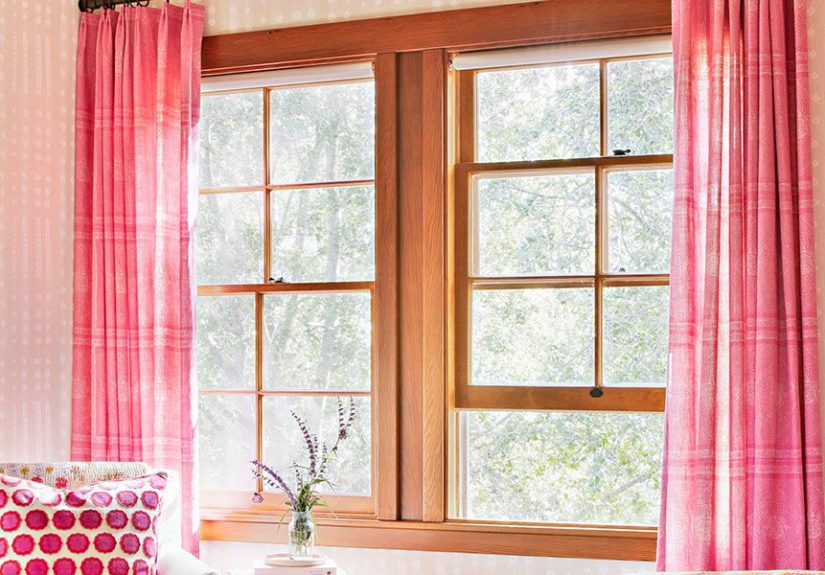
- Curtains: Hang them higher than you think to visually lift the ceiling and make windows feel larger.
Pro tip: pillow covers are cheaper than new pillowsand far easier to store than a seasonal pillow mountain.
2) Rugs: The Room’s “Anchor Sentence”
Rugs tell your furniture where to sit and your eyes where to relax. If your rug is too small, the whole room can feel awkwardlike a living room wearing
shoes that don’t fit.
- Living room: Aim for front legs of the sofa and chairs on the rug.
- Bedroom: Use a large rug under the bed (or runners on both sides) to soften mornings.
- Layering: Put a smaller patterned rug over a larger neutral one for texture and a collected look.
3) Lighting: The “Glow-Up” Accessory
Lighting is the most underrated home accessory because it changes everything without moving anything.
Use layers: overhead for general light, table lamps for warmth, floor lamps for corners, and sconces or picture lights for polish.
- Warm it up: In living spaces and bedrooms, warmer bulbs tend to feel more inviting.
- Make a statement: A pendant or sculptural lamp can be your room’s “hero” piece.
- Fix “dungeon corners”: Add a floor lamp plus a mirror to bounce light around.
4) Wall Decor: Art, Gallery Walls, and “Big Scale Energy”
Wall art is the personality badge of your space. Go bigger than you thinklarge art often looks more intentional than a cluster of tiny frames
that feel like they’re apologizing for existing.
- Above a sofa: Choose one large piece or a balanced gallery wall that spans about two-thirds the sofa width.
- Gallery wall hack: Lay it out on the floor first (or use painter’s tape to map it on the wall).
- Mix mediums: Combine prints, photos, textiles, and objects (like small shelves or plates) for depth.
5) Mirrors: The MVP of Small Spaces
Mirrors reflect light and visually expand a room, which is why they’re basically the “cheat code” for small apartments, dark hallways,
and anyone trying to make a space feel brighter without rewriting their electrical plan.
- Opposite a window: This can help bounce daylight deeper into the room.
- Entryway mirror: Practical for last-second checks and makes the space feel larger.
- Mirror clusters: A mix of shapes can act like a gallery walljust shinier.
6) Greenery: Plants, Branches, and the “Instant Life” Effect
Plants add softness, color, and organic texture. If you’re not into high-maintenance relationships, pick low-fuss options or high-quality faux.
Even a vase of branches can add height and drama without demanding weekly therapy sessions.
- Use height: Tall plants in corners balance furniture and fill awkward empty zones.
- Style vines: Train them around a mirror or shelf to soften hard lines.
- Repeat greenery: A plant in multiple rooms ties the house together visually.
7) Storage That Looks Good: Baskets, Trays, Hooks, and Ottomans
The most satisfying home accessories do double duty. Decorative storage is how you keep a space calm without becoming a minimalist monk.
- Baskets: Great for throws, toys, and “where did this come from?” items.
- Trays: Corral remotes, candles, coastersaka the coffee table’s emotional support system.
- Hooks + wall racks: Make entryways functional (and stop the coat pile from forming a government).
- Storage ottomans: Extra seating + hidden storage = small-space magic.
Styling Rules Designers Actually Use (No Fancy Degree Required)
Use Negative Space (Yes, Empty Space Counts as Design)
If every surface is packed, nothing looks special. Leave breathing room on shelves, tables, and walls.
Negative space makes your accessories look curated instead of cluttered.
Group in Odd Numbers
Styling in threes or fives tends to look more natural than pairsespecially for tabletop decor, shelves, and mantels.
It’s a simple trick for balance and visual interest.
Vary Height and “Visual Weight”
Put a tall item (lamp or vase), a medium item (frame or plant), and a small item (candle or object) together.
This creates a smooth “eye path” so your vignette feels intentional.
Use Books as Anchors (Not Just for Looking Smart)
Coffee table books and stacks on shelves act like platforms for smaller objects. Use them to create height,
anchor clusters, and add color. Bonus: guests will assume you read. You don’t have to confirm or deny.
Patterns Can Be Neutral, Too
Subtle patterns in muted tones can behave like neutralsadding depth without visual chaos.
Think: tone-on-tone stripes, gentle geometrics, or quiet florals in a restrained palette.
Room-by-Room Home Accessory Ideas
Living Room: Cozy, Collected, and Conversation-Friendly
- Layer lighting: Overhead + table lamp + floor lamp makes the room feel welcoming at night.
- Upgrade the sofa zone: New pillow covers, a textured throw, and a properly sized rug do wonders.
- Style the coffee table: A tray, 1–2 books, and one sculptural object or small plant is enough.
- Fill corners: A tall plant, a floor lamp, or a small accent chair prevents “awkward empty corner syndrome.”
Bedroom: Calm, Comfortable, and Not a Laundry Museum
- Bed styling: Keep it simplevary pillow sizes and add one standout lumbar pillow.
- Nightstands: Use a small lamp, a catchall dish, and one personal item (book, frame, or candle).
- Softening touch: Add a rug underfoot or runners for that “hotel but lived-in” feel.
Kitchen & Dining: Small Details, Big Payoff
- Countertop accessories: A nice tray for oils/salt, a ceramic crock for utensils, and a plant add polish.
- Table styling: A runner, a bowl, and a simple centerpiece (branches, fruit, or greenery) keeps it fresh.
- Wall moments: Add art, a clock, or open shelves with an edited mix of practical and pretty pieces.
Bathroom: Spa Vibes on a Real-World Budget
- Textiles: Upgrade towels and a bath mat for instant “adulting.”
- Counter styling: Use a tray for daily items, and store the rest out of sight.
- Art + scent: Small framed art and a candle or diffuser make it feel intentional.
Entryway (or “That Spot by the Door”): Function First, Cute Second
Even if you don’t have a formal entryway, you can create one with accessories:
- Hooks: Mount them at different heights so everyone can participate in being tidy.
- Basket system: One basket for shoes, one for bags, one for “mystery items.”
- Mirror + small tray: For keys, mail, and avoiding “Where are my keys?” as a daily hobby.
Outdoor Spaces: Treat Them Like a Room
- Outdoor pillows: Add color and comfort without committing to new furniture.
- Lanterns or string lights: Instant ambiance.
- Side tables/stools: Small, flexible pieces make seating areas more functional.
Budget-Friendly Ways to Refresh Home Accessories
- Swap covers, not cores: Pillow covers and slipcovers change a room fast.
- Thrift with intention: Look for frames, bowls, trays, and vasesthen unify with one finish or color family.
- Go big with one item: One large piece of art or a bold rug often beats ten small purchases.
- Use nature: Branches, greenery, and seasonal clippings are high-impact and often low-cost.
Common Home Accessory Mistakes (and How to Fix Them)
- Too-small rug: Size up so furniture feels connected, not stranded.
- Everything at the same height: Add tall pieces (lamps, branches) to create visual rhythm.
- Overcrowded surfaces: Remove half the items, then put one back. Your shelves will breathe again.
- Low-hung curtains: Mount higher to lift the room and make windows feel grander.
- Accessories with no “story”: Add at least one personal touchtravel object, framed photo, meaningful book.
Extra: of Real-Home Accessory Experiences (What Actually Happens)
Let’s talk about the unfiltered, lived-in reality of home accessoriesthe part no one posts because it includes a tangled phone charger and a dog toy
that somehow teleported under every piece of furniture you own. These “real home” experiences are exactly why accessories matter: they’re not just decoration,
they’re tools for daily life.
First, the classic “throw pillow pile-up.” Many homeowners start with good intentions: a couple of pillows for comfort, one for color, one for texture.
Fast-forward and the sofa looks like it’s hosting a pillow convention. The fix is simple: keep a tighter edit (3–5 for most sofas), and choose a mix where
each pillow has a job. One pillow brings pattern, one brings texture, one brings a strong color, and the rest play nice. If a pillow doesn’t improve comfort
or style, it’s not a pillowit’s a fuzzy obstacle.
Next, the “rug regret” moment. A rug that’s too small can make a room feel chopped up and oddly temporary, like you’re renting the floor by the square foot.
People often buy the rug size they wish the room needed instead of the size the room actually needs. A quick reality check: use painter’s tape to mark
a bigger rug footprint on the floor and live with it for a day. If it feels better (it usually does), you’ve just saved yourself from years of furniture
floating in uncomfortable isolation.
Then there’s lightingspecifically the “one overhead light to rule them all” era. Overhead lighting is fine for finding a sock you dropped, but it’s not great
for making a room feel cozy. The transformation people notice immediately is adding a table lamp in a corner that used to feel flat, plus a floor lamp or sconce
near seating. Suddenly, the room feels warmer and more layered, and everyone stops looking like they’re in an interrogation scene.
Entryways have their own drama: the coat-and-bag avalanche. In many homes, clutter doesn’t happen everywhereit happens in one high-traffic zone near the door.
The “aha” experience is realizing that storage must match behavior. If people drop things at the door, the solution isn’t more scolding; it’s hooks at the right
height, a basket for shoes, and a tray for keys. Once the system is easy, the space stays calmer with less effortand the whole home feels more controlled.
Finally, shelf styling. The most common experience is putting everything on a shelf, stepping back, and thinking, “Why does this look like a yard sale?”
The cure is negative space and grouping. Remove items until the shelf feels intentional, stack a few books to create height, and group objects in threes with
different shapes and materials. The moment shelves start looking curated isn’t magicit’s editing. And yes, it’s normal to move one vase six times.
That’s not indecision; that’s design cardio.
Conclusion
Great home accessories aren’t about owning more stuffthey’re about choosing the right stuff. When you anchor the room with a properly sized rug, add layered
lighting, mix textures in pillows and throws, use art and mirrors at confident scale, bring in greenery, and hide clutter with stylish storage, your home
feels complete and genuinely comfortable. Start with one “hero” piece, keep your palette cohesive, let negative space do some of the work, and remember:
the goal is a home that feels like younot a showroom that’s afraid of fingerprints.