Table of Contents >> Show >> Hide
- What Exactly Is a Glass Globe Tower?
- Why This Design Works (It’s Not Just “Because Shiny”)
- The “Somewhat Quirky Design” Backstory
- Materials: What You Need (and What You Can Improvise)
- How to Build a Glass Globe Tower (A Practical, Not-Fussy Method)
- Design Ideas That Look Like You Bought Them at a Fancy Garden Shop
- Placement Tips: Where Glass Globe Towers Shine
- Keeping It Looking Good (Without Babying It)
- Troubleshooting: Common Problems and Easy Fixes
- Why People Keep Making These (Even When They Said “No More Projects”)
- Real-Life Experience: What It’s Like to Have a Glass Globe Tower in Your Yard (Bonus )
- Conclusion
Every garden has that one spot. You know the one: the awkward gap between the hydrangea and the fence, the sad corner
that looks like it’s still buffering, the “I swear something was planted here” zone. Plants can fix iteventually.
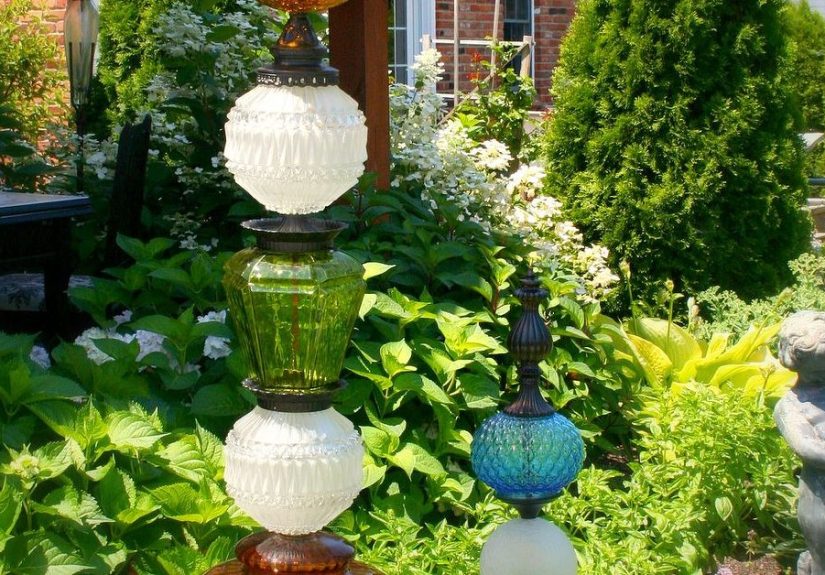
But sometimes you want a little instant drama. Enter the Glass Globe Tower, a thrifted-lamp remix
that turns castoff glass globes into a vertical, light-catching sculpture that feels equal parts garden art and
“how did you think of that?!”
The style popularized under the name “Glass Globe Towers by Somewhat Quirky Design” is delightfully simple:
stack mismatched lamp globes and their decorative metal parts on a sturdy metal rod, then plant the whole sculpture
like you’d stake a very glamorous tomato. The result is a tall, sparkling focal point that doesn’t need watering,
doesn’t pout in a heatwave, and looks expensive enough to make your neighbor suspicious you hired a landscape designer.
What Exactly Is a Glass Globe Tower?
A glass globe tower (also called a glass globe totem or garden tower) is a vertical sculpture made by threading
lamp globesthose rounded glass shades from older light fixturesonto a rebar “spine”,
often with the original lamp’s metal collars, spacers, and finials mixed in for extra flair. In the version referenced
in mainstream coverage, towers often use three to six globes, stacked to create a tall, colorful column.
The magic isn’t just the materialsit’s the way glass interacts with outdoor light. On sunny days, globes glow. On
cloudy days, they turn softly reflective. At dusk, they become silhouettes. And if you add a solar cap or nearby
landscape lighting, the whole tower becomes a low-key night feature. It’s garden decor that performs in every season.
Why This Design Works (It’s Not Just “Because Shiny”)
1) It adds height and fixes “flat” landscaping
Garden design folks talk a lot about vertical interest because height pulls the eye through a space and makes plantings
feel intentional. A tall sculptural element can act like punctuation in a bed of greenespecially when blooms fade or
perennials haven’t filled in yet.
2) It creates an instant focal point
A focal point doesn’t have to be a grand fountain or a dramatic pergola. One sculptural feature placed where sightlines
naturally land can anchor an entire garden vignette. Glass globe towers do this beautifully because they’re tall, a bit
unexpected, and they read clearly from a distance.
3) It’s upcycling with a payoff
The best upcycled projects don’t look like a craft project that escaped the garage. Glass globe towers look like
deliberate garden art because the materials (glass + metal) already belong outdoors: they’re weather-adjacent, visually
strong, and designed to interact with light.
The “Somewhat Quirky Design” Backstory
The tower concept became widely shared through a DIY approach attributed to the blog Somewhat Quirky Design,
described in a major newspaper feature as a clever way to recycle antique glass lamps into tall garden towers. The
method highlighted there: thread mismatched lamp globes and their decorative metal parts onto long rebar to create
“works of light-catching art.” It’s also presented as a hunt-and-build hobbyscouting thrift stores and garage sales
for globes is half the fun.
What’s especially lovable about the original vibe is that it’s not precious. These towers are meant to be enjoyed,
cleaned, moved around, andwhen winter gets rowdytaken down and stored. The goal is charm, not museum conservation.
Materials: What You Need (and What You Can Improvise)
The essentials
- Lamp globes (glass shades from older fixturesclear, frosted, amber, smoke, green, cobalt, etc.)
- Decorative metal parts from lamps (collars, spacers, canopy pieces, finials, rings)
- Rebar (a common DIY size for this style is 3/8-inch diameter)
Helpful extras
- Rubber or metal washers (to cushion and stabilize stacks)
- Outdoor adhesive (optionalsome builders keep towers unglued, others secure pieces for permanence)
- Solar light topper or finial (for a “finished” crown)
- Base option if you can’t stake into the ground (a heavy planter or a concrete footing)
Adhesive choices (if you want extra security)
Many makers use waterproof silicone or craft adhesives suited for outdoor conditions, especially when stacking mixed
glass pieces. Popular DIY guidance often mentions products like E6000 or 100% silicone
for glass-to-glass and glass-to-metal bonds. If you go this route, follow the product label and cure times, and don’t
rush the drying stagegravity is patient and it loves drama.
How to Build a Glass Globe Tower (A Practical, Not-Fussy Method)
The core build is straightforward: plan the stack, anchor the rebar, thread on the pieces, finish the top.
Below is a safe, realistic approach that mirrors how experienced DIYers describe doing itwithout turning your yard
into a construction site.
Step 1: Source globes like a treasure hunter (with standards)
Thrift stores, architectural salvage, flea markets, and estate sales are prime territory. Look for globes without chips
or cracks (tiny damage becomes bigger damage outdoors). If you’re collecting over time, aim for a loose color theme:
sea-glass blues, warm ambers, all-clear-and-sparkly, or a bold rainbow stack.
Step 2: Lay everything out and “audition” your stack
Before you commit, arrange pieces on the ground from bottom to top. Mix large globes lower for stability, smaller ones
higher for a tapered silhouette. Sprinkle in metal spacers so the tower doesn’t look like a snowman made of lighting.
(Unless you want that. No judgment. Your garden, your rules.)
Step 3: Choose your spine length based on where it’s going
Towers described in popular DIY coverage use long rebar (including 4- or 10-foot lengths) depending on desired height.
Many home DIY versions land in the “looks impressive but won’t become a lightning rod” rangeoften around 3–6 feet above
ground, with enough depth below ground to keep things steady.
Step 4: Anchor the rebar safely
If your tower will be staked into soil, choose a location away from high-traffic mowing paths and where it won’t get
clipped by a wheelbarrow. If you’ll be digging, be smart about underground utilities: contact 811 before you dig
(in the U.S.) and wait for markings before breaking ground.
If you can’t drive rebar into the ground (hardscape patio, balcony, or rental yard rules), use a heavy planter filled
with compacted gravel and/or a concrete footing. A common concrete approach is to dig a hole proportionate to the height
you want above ground and set the post/rod in concrete with a gravel basesteady, vertical, and resistant to wobble.
Step 5: Thread pieces from bottom to top
Slide a decorative base piece on first, then add a globe, then a spacer, then another globerepeat. If a lamp part’s hole
is slightly too small, some DIYers widen openings using appropriate tools for metal; the key is to keep the fit centered
so globes don’t lean.
Some builders keep towers unglued if the stack is snug and balanced. Others add a small bead of outdoor adhesive at
contact points for extra securityespecially in windy yards or if curious kids (or curious dogs) treat your garden art
like it’s part of an agility course.
Step 6: Finish the top like you mean it
The top is where towers go from “stacked stuff” to “intentional sculpture.” A finial, decorative cap, or solar light
topper can create a clean finish. A solar element also helps the tower read as a feature at dusksubtle glow, big payoff.
Design Ideas That Look Like You Bought Them at a Fancy Garden Shop
Coastal “sea glass” tower
Use aqua, teal, and pale green globes with brushed nickel spacers. Place near ornamental grasses or white flowers to
amplify the breezy look. Bonus points if the tower catches morning light where you drink coffee and pretend you’re in a
magazine spread.
Mid-century bubble stack
Combine clear and frosted globes with warm brass or black metal parts. This looks especially sharp against clean-lined
hardscape and evergreen structure plants.
Moody modern tower
Smoke glass, amber globes, and darker metal parts create a sophisticated look that still feels playful. Add low landscape
lighting and it becomes a nighttime accent without screaming for attention.
Maximalist rainbow
If your garden already has personality (read: it’s not afraid of color), go bold with mixed hues. The trick is to keep
some unifying elementsimilar globe shapes, repeated metal finishes, or a consistent “big-to-small” taper.
Placement Tips: Where Glass Globe Towers Shine
- In a bare seasonal gap: When perennials die back, the tower keeps the bed looking “finished.”
- At the end of a path: It works like a visual destination pointgarden design’s version of “keep walking.”
- Near a seating area: Light-catching movement makes a patio feel layered and intentional.
- In a container vignette: Pair with dramatic pots and surrounding plant textures for a mini “garden room.”
Keeping It Looking Good (Without Babying It)
Seasonal care
One widely shared practical tip from the original DIY coverage: take towers down for winter, clean the globes, and store
them so ice and storms don’t turn your garden art into a science experiment. For cleaning, many people use warm soapy
water; some even run globes through a dishwasher if the glass shape and size allow and the pieces are removable.
Weather reality check
Glass is durable until it isn’t. Avoid placing towers where falling branches are likely. In high-wind areas, anchoring
depth and stability matter more than aesthetics. If your yard gets serious gusts, consider a shorter tower or a heavier
base system.
Troubleshooting: Common Problems and Easy Fixes
“My tower wobbles.”
Re-check the bottom-heavy principle: larger globes and heavier metal parts belong lower. Add cushioning washers where
needed, and consider a more secure base (deeper ground anchoring or a concrete footing).
“The stack looks like random leftovers.”
Add repetition. Repeat a metal finish, echo one color twice, or use similar globe shapes. Intentional repetition is
what makes “quirky” look curated instead of accidental.
“Water collects inside a globe.”
If globes are open-sided or oriented like bowls, they’ll collect rain. Choose globes that shed water or cap openings
with a topper. A small drainage gap can help, but avoid anything that risks cracking glass.
Why People Keep Making These (Even When They Said “No More Projects”)
Glass globe towers hit a rare DIY sweet spot: they’re visually high-impact, largely made from scavenged parts, and you
can build them in stages. You can collect globes one weekend, find metal spacers the next, and only assemble once you’ve
got a satisfying lineup. They also scale: one tower looks like a statement; three towers look like an art installation.
And maybe the best part is the mood. These towers are joyful. They catch sun. They sparkle after rain. They make a garden
feel inhabitedlike someone is out here having fun, not just battling weeds.
Real-Life Experience: What It’s Like to Have a Glass Globe Tower in Your Yard (Bonus )
The first thing you notice after you place a glass globe tower outdoors is that it behaves differently than almost
anything else in a garden. Plants are consistent in their inconsistencytoday they’re thriving, tomorrow they’re
dramatic. A tower is steady. It’s a constant vertical note in the background that makes everything around it feel more
composed. Even on days when your flowerbeds look like they’re negotiating a union contract, the tower stands there
saying, “It’s fine. We’re fine.”
Morning light is where the obsession begins. Clear globes soften the sunrise into gentle highlights; frosted globes glow
like they’re lit from inside. If you picked colored glass, the effect is even more playfultiny tinted reflections show
up on nearby leaves, stones, or the side of a planter. It’s not a disco ball situation (unless you intentionally chose
that), but it’s enough to make you pause with your coffee and stare like you’ve discovered a new species of sparkle.
During the day, the tower becomes a reliable visual “pin” on the map of your yard. It helps you read the space. You
start noticing how your sightlines work: where the tower is visible from the kitchen window, where it pops behind a
shrub, where it disappears and maybe needs a companion piece. People who don’t consider themselves “garden designers”
suddenly start thinking like one, because the tower gives the eye a target. It quietly teaches you composition.
After rain is the second highlight reel. Water beads on glass and the whole sculpture looks freshly polishedeven if you
haven’t cleaned it in weeks. Droplets cling to edges, and the globes appear deeper in color. This is the moment you’ll
understand why glass garden art has such a following: it responds to weather in a way that feels cinematic, like your
yard is doing a soft-focus close-up.
Windy days reveal the practical side of the experience. If your tower is well-anchored, it holds steady and feels
reassuringly solid. If it isn’t, you’ll find yourself glancing out the window the way you check on a slightly wobbly
Christmas tree. The fix (more stability at the base, better weight distribution) is usually manageable, but the lesson is
real: glass globe towers reward thoughtful placement.
By late afternoon and into dusk, the tower shifts from sparkly to sculptural. It becomes a silhouette that reads as
artespecially if you’ve added a solar cap or nearby lighting. On winter evenings (if you keep it out), it can become a
focal point when plants are bare. If you take it down for the season, there’s a surprisingly satisfying ritual in
packing it away: you’ve curated this odd little stack of beauty, and you’ll get to unwrap it again when spring returns.
It’s garden decor with a sense of occasion.
Conclusion
Glass Globe Towers by Somewhat Quirky Design aren’t just a clever way to reuse old lamp partsthey’re a
shortcut to a garden that feels styled, personal, and alive with light. They add height where plants haven’t caught up,
create a focal point without requiring a renovation budget, and deliver that rare DIY joy where the finished project
looks far more sophisticated than the effort it took to make it. Build one, and your “awkward spot” becomes your favorite
view.