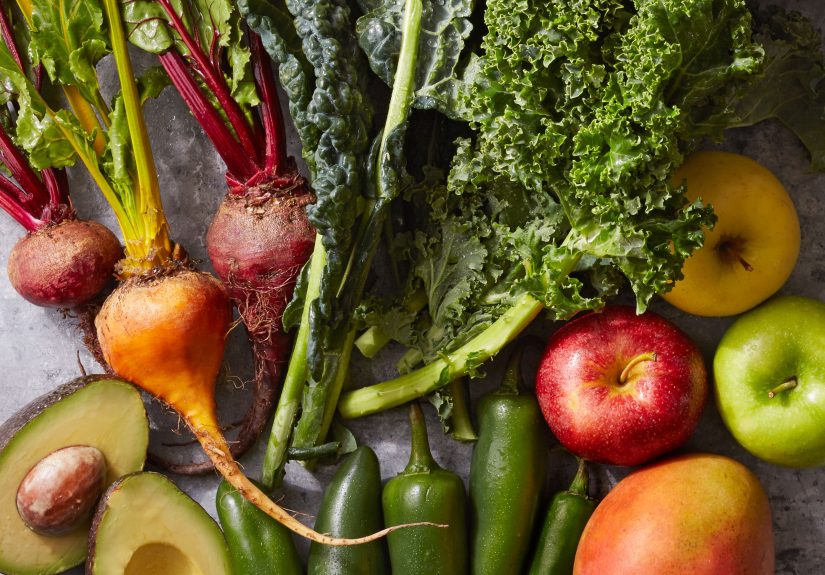
Table of Contents >> Show >> Hide
- The Real Villain: Ethylene (AKA Produce Puberty in Gas Form)
- Fruits and Vegetables You Should Never Store Together (Specific Combos)
- 1) Apples + Leafy Greens
- 2) Bananas + Pretty Much Any “Green” Vegetable
- 3) Avocados + Greens or Berries
- 4) Tomatoes + Cucumbers
- 5) Apples or Pears + Carrots
- 6) Broccoli or Cabbage + Ethylene Producers
- 7) Onions (or Garlic) + Potatoes
- 8) Onions + Apples (and Other Odor-Sensitive Produce)
- 9) Celery + Onions (and Sometimes Carrots)
- Temperature Mismatches: When One Item Wants the Tropics and the Other Wants Antarctica
- Your Crisper Drawers Are Not Decorative
- A Simple Storage Blueprint (No PhD in Refrigeration Required)
- Quick Troubleshooting (Because Your Produce Won’t Text You Back)
- Conclusion: Treat Your Produce Like Roommates, Not a Group Chat
- Extra: of Real-World Produce-Drawer Experiences (So You Don’t Have to Learn the Hard Way)
You bought “just a few things” and somehow your kitchen now looks like a farmers market that got stuck in a tiny apartment. Fast-forward three days: the lettuce is sad, the berries are fuzzy, and the bananas are staging a hostile takeover of the counter. The good news? Your produce isn’t cursed. It’s just… incompatible.
A lot of premature spoilage comes down to three unglamorous issues: ethylene gas (a natural ripening hormone), humidity (your fridge is basically a moisture chessboard), and odor transfer (because onions have no respect for boundaries). Store the wrong roommates together and they’ll speed-run the journey from “fresh” to “why does this smell like regret?”
The Real Villain: Ethylene (AKA Produce Puberty in Gas Form)
Ethylene is a natural plant hormone released by many fruits (and some vegetables) as they ripen. In the right situation, ethylene is helpful: it turns rock-hard avocados into guacamole potential. In the wrong situation, it’s chaos: it can yellow greens, soften cucumbers, and make berries go from “snack” to “science project.”
High Ethylene Producers (The “Don’t Sit Next to Me” List)
These are common items that tend to release more ethylene, especially as they ripen. If you store them with ethylene-sensitive produce, you’re basically putting a fast-forward button on spoilage:
- Apples
- Bananas
- Avocados
- Tomatoes
- Stone fruit (peaches, plums, nectarines, apricots)
- Pears
- Melons (like cantaloupe and honeydew)
Ethylene-Sensitive Produce (The “I Bruise Emotionally” Crew)
These tend to suffer when stored near ethylene producersthink yellowing, bitter flavors, soft spots, drooping, and shorter shelf life:
- Leafy greens (lettuce, spinach, kale, arugula)
- Cruciferous veggies (broccoli, cabbage, Brussels sprouts)
- Cucumbers
- Carrots
- Green beans
- Peppers
- Many berries (especially when trapped in warm, humid conditions)
- Fresh herbs (basil is dramatic; parsley is slightly less dramatic)
Here’s the simplest rule you’ll use all year: keep ethylene producers away from ethylene-sensitive vegetables. Bonus points if you keep them in different fridge zones (more on that soon).
Fruits and Vegetables You Should Never Store Together (Specific Combos)
Let’s get practical. Below are the most common “bad roommate” pairingsand what happens when they share space.
1) Apples + Leafy Greens
Apples are ethylene powerhouses. Leafy greens are ethylene-sensitive and quick to yellow or wilt when exposed. If you store apples in the same crisper drawer as lettuce or spinach, you’re basically ordering the greens to retire early.
Do this instead: Keep apples in a separate drawer (or a different fridge shelf) from greens. If you only have one drawer, greens win that drawer.
2) Bananas + Pretty Much Any “Green” Vegetable
Bananas release ethylene as they ripen, and they do it enthusiastically. That can speed up aging in nearby produce especially greens, broccoli, and cucumbers. Bananas also do better at room temperature until they’re ripe.
Do this instead: Keep bananas on the counter away from your “stay crisp” produce. Once ripe, you can refrigerate them if needed (the peel darkens; the fruit is usually fine).
3) Avocados + Greens or Berries
Unripe avocados benefit from ethylene (hello, paper bag trick), but greens and berries do not. Store avocados near delicate produce and you may end up with ripe avocados and limp salad suppliesan emotional trade-off.
Do this instead: Ripen avocados on the counter. Once ripe, move them to the fridge and keep them away from greens.
4) Tomatoes + Cucumbers
Tomatoes are ethylene producers, while cucumbers are sensitive to ethylene and can develop pitting and soft spots faster. Also, they prefer different conditions: tomatoes are often best ripened on the counter for flavor, while cucumbers do better cool (but not too cold).
Do this instead: Keep tomatoes at room temperature until ripe, then refrigerate if you must (and use soon). Store cucumbers in the fridge, away from ethylene-heavy neighbors.
5) Apples or Pears + Carrots
Carrots can develop bitterness when exposed to ethylene, and apples/pears are frequent offenders. If your carrots ever tasted “off” even though they looked fine, this pairing is a prime suspect.
Do this instead: Store carrots in a high-humidity drawer or in a breathable bag in the fridgefar from apples and pears.
6) Broccoli or Cabbage + Ethylene Producers
Cruciferous vegetables like broccoli and cabbage are notorious for yellowing or losing quality faster when exposed to ethylene. This is one of those “it looks fine… and then it doesn’t” situations.
Do this instead: Give broccoli/cabbage the high-humidity drawer (or a sealed container with a paper towel to manage moisture), away from apples and bananas.
7) Onions (or Garlic) + Potatoes
This combo is a pantry classicand a storage mistake. Onions and potatoes prefer different environments: onions like it dry and ventilated; potatoes like it cool, dark, and breathable. Stored together, potatoes can sprout sooner, and onions can soften or mold faster thanks to shared moisture and trapped gases.
Do this instead: Store potatoes in a dark, cool, well-ventilated spot (paper bag, basket, or box). Store onions separately in a dry, airy place. If they can’t “see” each other, even better.
8) Onions + Apples (and Other Odor-Sensitive Produce)
Onions and garlic are basically aroma influencers. Apples can absorb odors, and celery can pick up weird flavors, too. Even citrus can end up tasting off when stored with strong-smelling vegetables.
Do this instead: Keep alliums (onions, garlic) in a separate pantry bin or cabinet. Don’t store them in the same drawer as apples, celery, or citrus.
9) Celery + Onions (and Sometimes Carrots)
Celery is a flavor sponge. Stored next to onions, it can absorb odors and taste strangelike celery that went to a candle store and never came back.
Do this instead: Wrap celery in foil or keep it in a container in the fridge, away from onions and strong-smelling items.
Temperature Mismatches: When One Item Wants the Tropics and the Other Wants Antarctica
Ethylene isn’t the only reason produce fights. Some items are chilling-sensitive and lose flavor or texture if refrigerated too early, while others need cold temps to stay crisp.
Usually Better at Room Temperature (Until Ripe)
- Bananas
- Avocados
- Tomatoes
- Mangoes
- Stone fruit (peaches, plums, etc.)
Storing these in the fridge while unripe can slow ripening and sometimes lead to meh flavor or weird texture. Once ripe, refrigeration is fine for short-term holdingjust don’t expect peak farmers-market magic forever.
Fridge-Lovers (They Need Cold to Stay Their Best)
- Leafy greens
- Broccoli, cauliflower
- Berries (generally)
- Carrots
- Herbs (mostbasil is a special case)
Your Crisper Drawers Are Not Decorative
Most refrigerators have crisper drawers with humidity sliders. They exist for a reason: humidity controls moisture retention and airflow, which affects both wilting and ethylene buildup.
The Easy Memory Trick: “Wilt-High, Rot-Low”
- High humidity (more closed): Best for wilt-prone items like leafy greens, herbs, broccoli, and many veggies.
- Low humidity (more open): Best for rot-prone, ethylene-producing fruits like apples, pears, ripe stone fruit, and sometimes melons.
If you do one thing today: stop mixing apples and lettuce in the same drawer. That alone can noticeably extend freshness.
A Simple Storage Blueprint (No PhD in Refrigeration Required)
Counter Zone: Ripen Here
- Unripe bananas, avocados, tomatoes, mangoes, stone fruit
- Keep them away from your “stay crisp” produce pile
- If you want faster ripening: paper bag them (briefly) and check daily
Fridge High-Humidity Drawer: The Salad Sanctuary
- Leafy greens, herbs (except basil), broccoli, green beans, carrots
- Use a paper towel in containers to absorb extra moisture
- Don’t crowdair circulation helps
Fridge Low-Humidity Drawer: The Ethylene Zone
- Apples, pears, ripe stone fruit, ripe avocados (short-term)
- Keep the vent more open to reduce ethylene concentration
Pantry/Dark Shelf: The Dry Goods of Produce
- Potatoes: cool, dark, breathable container (not plastic)
- Onions/garlic: dry, ventilated, separate from potatoes
- Winter squash: cool and dry, with airflow
Quick Troubleshooting (Because Your Produce Won’t Text You Back)
“Why did my lettuce turn yellow so fast?”
Likely ethylene exposure (apples, bananas, ripe fruit nearby) or too much airflow drying it out. Move greens to high humidity and keep them away from ethylene producers.
“Why do my berries mold even when they look fine at the store?”
Berries hate trapped moisture. Store them dry, don’t wash until you’re ready to eat, and give them airflow. If your container is sealed, crack it slightly or line with a paper towel.
“Why are my potatoes sprouting?”
Sprouting is encouraged by warmth, light, and sometimes exposure to certain gases. Store potatoes in a dark, cool space with airflow, away from onions and ethylene-heavy produce.
“Should I wash produce before storing?”
In many cases, washing before storage adds moisture and can speed spoilage. For a lot of produce, it’s better to wash right before eatingespecially berries and greens.
Conclusion: Treat Your Produce Like Roommates, Not a Group Chat
The fastest way to waste money on groceries is to store everything together and hope for the best. The fastest way to keep produce fresh? Separate ethylene producers from ethylene-sensitive vegetables, respect temperature preferences, and use your crisper drawers like you mean it.
Your fridge doesn’t need to be perfect. It just needs to stop forcing apples and lettuce to live together. They were never meant to share a lease.
Extra: of Real-World Produce-Drawer Experiences (So You Don’t Have to Learn the Hard Way)
The first time I realized produce has “relationship dynamics,” it was because of an apple. Not a dramatic applejust a normal, shiny, innocent-looking apple. I put it in the crisper drawer with a head of romaine because I had exactly one drawer and an overconfident belief in peace among foods. Three days later, the romaine looked like it had been through a rough breakup: limp edges, a faint yellow tint, and zero enthusiasm for becoming a salad. The apple, meanwhile, was thriving. Classic.
Then came the banana incident. I left a bunch on the counter next to a bowl of avocados because I wanted them ripe “soon-ish.” Mission accomplishedtoo accomplished. The avocados went from “firm” to “guacamole window of five minutes” while I was doing something reckless like sleeping. I learned two things: bananas are ethylene generators with main-character energy, and “I’ll remember tomorrow” is not a produce management strategy.
The most offensive mistake, though, was onions and potatoes. For years I stored them together because that’s what a lot of people do: one basket, one pantry corner, one little rustic vibe. It looked cute. It also behaved like a science lab. The potatoes started sprouting like they had sudden ambitions, and the onions got soft in a way that felt personal. When I separated thempotatoes in a breathable paper bag on a dark shelf, onions in a ventilated bin across the pantrythe difference was boringly obvious. Everything lasted longer. Nobody got mushy. Nobody tried to grow new limbs.
I’ve also played the “Why does my celery taste weird?” game, which turns out to be “Because you stored it next to onions.” Celery is basically the white T-shirt of vegetables: it absorbs everything and regrets it later. Once I started keeping onions in their own area (and celery in a container), my soups stopped tasting like an accidental onion candle.
And the crisper drawer? I used to treat the humidity slider like a decorative featuresomething you bump while reaching for a ketchup packet you don’t even remember buying. When I finally set one drawer to high humidity for greens and another to low humidity for ethylene-prone fruit, my produce stopped aging in dog years. Greens stayed crisp longer. Apples stopped bullying everything around them. I didn’t magically become an organized adultbut my fridge started acting like one.
The big takeaway from all these small disasters is simple: freshness isn’t only about what you buyit’s about what you do next. If you give produce the right neighbors (or no neighbors at all), it stays delicious longer. If you don’t… well, congratulations on your new compost hobby.