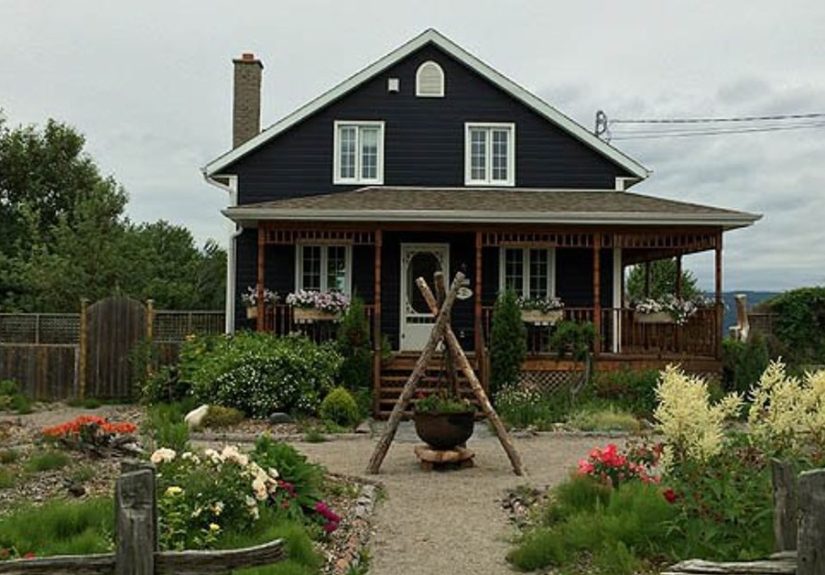
Table of Contents >> Show >> Hide
- Why Homeowners Are Ditching Grass in the Front Yard
- What Makes a Grass-Free Front Yard Look Good?
- How to Plan a DIY Front Yard Landscaping Project Without Grass
- 8 Front Yard Landscaping Ideas Without Grass
- Step-by-Step DIY Project: How to Replace Grass in a Front Yard
- Best Plant Types for a Front Yard Without Grass
- Common Mistakes to Avoid
- Budget-Friendly Ways to Make It Look Expensive
- Experiences and Lessons From Grass-Free Front Yard DIY Projects
- Final Thoughts
If your front lawn has turned into a patchy, thirsty, high-maintenance diva, you are not alone. More homeowners are rethinking the traditional grass-heavy yard and replacing it with smarter, prettier, and much easier options. A grass-free front yard can cut maintenance, reduce water use, improve curb appeal, and make your home look like it belongs to someone who has their life together. Even if your garage says otherwise.
The good news is that a beautiful front yard landscaping idea without grass does not require a celebrity landscape architect, a six-figure budget, or a mysterious talent for keeping plants alive. A practical DIY project can give you structure, color, texture, and personality without chaining you to a mower every weekend.
In this guide, you will learn how to design a grass-free front yard, choose the right materials, avoid common mistakes, and build a low-maintenance layout that actually looks intentional. Not like grass gave up and everyone just agreed not to talk about it.
Why Homeowners Are Ditching Grass in the Front Yard
Traditional turf has a few strengths, especially in play areas, but many front yards are mostly decorative. That means homeowners often spend time, water, fertilizer, and money maintaining a surface nobody really uses. In many cases, grass in the front yard is more habit than function.
A no grass front yard landscaping plan makes sense when you want to:
- Reduce watering and mowing
- Lower seasonal maintenance costs
- Create stronger curb appeal with layered design
- Use more native or drought-tolerant plants
- Fix awkward slopes, hot spots, or poor soil
- Design a front yard that matches your climate instead of fighting it
In other words, this is not about making your yard look empty. It is about making it work harder, look better, and ask less from you. A rare combo, honestly.
What Makes a Grass-Free Front Yard Look Good?
The best front yard landscaping ideas without grass still follow the same design basics as any attractive yard. You need a clear layout, repeated materials, layered heights, and a focal point. Grass used to do a lot of visual “filler” work. Once it is gone, the rest of the design has to step up.
1. Structure
Structure comes from paths, edging, boulders, raised beds, planters, gravel zones, low walls, and repeating plant shapes. These elements keep the yard from looking random.
2. Texture
A successful low-maintenance front yard mixes fine, medium, and bold textures. Think ornamental grasses next to broad-leaf shrubs, gravel next to wood mulch, or smooth pavers beside a looser planting bed.
3. Layering
Use taller shrubs or accent plants near the house, medium plants in the middle, and lower groundcovers or edging plants up front. Layering adds depth and keeps the yard from looking flat.
4. Restraint
You do not need twenty-seven different materials and fifty plant varieties. Repeating a few strong choices usually looks more polished. A front yard should say “planned,” not “garden center clearance event.”
How to Plan a DIY Front Yard Landscaping Project Without Grass
Before you start ripping out sod like a motivated raccoon, pause and plan. A little site analysis will save money and help your project age well.
Study the Site
- Sun exposure: Full sun, part sun, or shade changes everything.
- Soil type: Clay, sandy, rocky, or compacted soil affects drainage and plant choice.
- Drainage: Notice where water pools or rushes after rain.
- Foot traffic: Decide where people actually walk, cut corners, or approach the door.
- View lines: Identify what guests see first from the street and from the front porch.
Decide What the Yard Needs to Do
Most front yards need four things: a path, an entry moment, year-round structure, and enough open visual space to keep the design calm. If you start with function, style becomes much easier.
Choose Your Main Materials
For a DIY grass-free front yard, the most practical materials are usually:
- Mulch for planting beds
- Gravel or decomposed granite for open zones and paths
- Pavers or stepping stones for circulation
- Native plants and drought-tolerant shrubs
- Boulders, edging, or low borders for definition
8 Front Yard Landscaping Ideas Without Grass
1. Mulch-and-Native-Plant Garden
This is one of the easiest and most forgiving options. Remove the turf, create broad planting beds, and fill them with native shrubs, perennials, grasses, and a generous layer of mulch. It is clean, affordable, and adaptable to many climates.
Best for: homeowners who want a softer, greener look with less mowing and watering.
2. Gravel Courtyard Style
A gravel front yard can look modern, Mediterranean, rustic, or desert-inspired depending on the plants and hardscape. Add large pavers, sculptural plants, and clean edging to keep it intentional. Gravel also gives the yard a crisp, finished look when grass would struggle in heat.
Best for: sunny sites, modern homes, and water-wise landscapes.
3. Stepping-Stone Path with Groundcovers
Use wide stepping stones or pavers with low groundcovers planted between or around them. Creeping thyme, sedum, or other low growers can soften the hardscape and keep the yard from feeling too stark.
Best for: compact yards and homeowners who want charm without chaos.
4. Front Yard Rock Garden
A rock garden front yard does not mean dumping random stones in the yard and hoping for the best. It means placing rock intentionally, mixing sizes, and pairing them with drought-tolerant plants for contrast. Done well, it looks sculptural and polished.
Best for: slopes, hot climates, and minimalist design.
5. Pollinator-Friendly Meadow Look
If you prefer a more natural style, turn part of the front yard into a managed meadow with native flowers, clumping grasses, and defined edges. The trick is the edge. The bed can be loose, but the boundary should be crisp so the design reads as “naturalistic” instead of “the homeowner left town.”
Best for: cottage homes, large yards, and wildlife-friendly landscapes.
6. Dry Creek Bed Accent
A dry creek bed is both decorative and practical. It can direct runoff, solve drainage issues, and add a natural focal point to the front yard. Surround it with gravel, boulders, and planting pockets for a finished design.
Best for: yards with drainage problems or mild slope.
7. Edible Front Border
Who says curb appeal cannot also taste good? A front-yard edible border can include rosemary, lavender, compact berry shrubs, ornamental kale, sage, or neat raised beds. The best edible landscaping still looks designed, so repeat shapes and keep the layout tidy.
Best for: sunny yards and homeowners who like practical beauty.
8. Container-Forward Entry Design
If you are not ready to fully redesign the entire yard, start around the entry. Replace grass near the walkway with gravel or mulch, then use large containers, evergreen shrubs, and a stronger path design to create a stylish entrance zone.
Best for: small budgets and phased DIY projects.
Step-by-Step DIY Project: How to Replace Grass in a Front Yard
Step 1: Sketch the Layout
Measure the yard and sketch simple zones for paths, beds, open surfaces, and focal areas. Keep circulation clear. If guests naturally cut across the lawn now, your design should respect that pattern instead of pretending humans are perfectly logical.
Step 2: Remove the Grass
You have several solid options:
- Sheet mulching: Cover grass with cardboard and mulch to smother it over time.
- Manual removal: Dig out smaller sections with a shovel or spade.
- Sod cutter: Best for larger front yards when you want quicker results.
For many DIY homeowners, sheet mulching is the least dramatic and most budget-friendly route. It is also satisfying in a “you are now building a better ecosystem with cardboard” kind of way.
Step 3: Improve the Soil
Once the turf is gone, add compost and work it into planting areas where appropriate. Level the soil and fix drainage issues before installing finish materials. Great plants placed in awful soil still become stressed plants. Landscaping is not magic. It is just very stylish problem-solving.
Step 4: Install Edging
Edging creates the line between beds, gravel, and paths. It also helps control mulch spill, wandering gravel, and grass creep from remaining lawn areas. Metal, stone, brick, or quality composite edging can all work depending on your look and budget.
Step 5: Build Paths and Hardscape
Install your walkway, stepping stones, gravel path, or paver zones before planting. Paths anchor the layout and make the whole yard feel finished. If you use gravel, contain it well and use the right type for walking. Decorative river rock may look pretty, but underfoot it can feel like walking on a pile of marbles with commitment issues.
Step 6: Plant in Layers
Start with your structural plants, such as evergreen shrubs, ornamental grasses, or focal plants. Add medium-sized perennials next, then finish with lower fillers or groundcovers. Group plants with similar water needs together. That way you are not treating one corner like a desert and the next one like a spa retreat.
Step 7: Mulch or Top-Dress
Apply mulch around plants to help moderate soil temperature, reduce evaporation, and suppress weeds. If you are using rock mulch or gravel, keep scale in mind. Smaller gravel generally performs better as mulch than oversized decorative stone, while larger rock works better as an accent.
Step 8: Water Smart While Plants Establish
Even drought-tolerant plants need regular water at first. A grass-free front yard is not a zero-care yard on day one. It becomes low-maintenance after the plants settle in and the layout matures.
Best Plant Types for a Front Yard Without Grass
Your exact plant list depends on your region, but the most reliable categories include:
- Native shrubs: provide structure and adapt well to local conditions
- Ornamental grasses: add movement and texture
- Drought-tolerant perennials: bring color with less fuss
- Evergreens: keep the yard looking anchored in winter
- Groundcovers: fill small spaces and soften edges
- Herbs and edible ornamentals: useful, fragrant, and often attractive
The smartest move is to choose plants that already want to live in your climate. A xeriscape front yard or water-wise design should not feel barren. It should feel tailored.
Common Mistakes to Avoid
Using Too Many Materials
Stone, gravel, bark, pavers, brick, boulders, metal edging, ceramic pots, and driftwood can all be beautiful. But not all at once. Pick a few materials and repeat them.
Skipping Drainage Planning
If your yard already holds water, replacing grass without addressing runoff can make the problem more obvious. Grade carefully and consider a dry creek bed, rain garden area, or permeable path.
Going Too Sparse
Some homeowners remove the lawn and stop there. The result can look unfinished. A good no lawn front yard still needs rhythm, repetition, and visual fullness.
Choosing Plants Only for Looks
That dramatic plant from a random social post may not survive your site. Match your choices to sun, soil, climate, and maintenance tolerance.
Ignoring Edging
Nothing makes a front yard look messier faster than gravel in the walkway, mulch on the sidewalk, or grass creeping into the beds. Clean lines do a lot of heavy lifting.
Budget-Friendly Ways to Make It Look Expensive
You do not need a giant budget to create a polished grass-free landscape. These upgrades have a big visual payoff:
- Widen the front path or add a simple stepping-stone walk
- Use one bold focal boulder or large planter near the entry
- Repeat one or two plant varieties for a more designed look
- Install fresh, crisp edging
- Use mulch consistently and top it up before taking “after” photos
- Add solar path lighting for nighttime structure
- Keep the entry zone especially clean, symmetrical, and welcoming
That last one matters more than people think. Guests judge the whole yard by the first ten feet. Landscaping is a little unfair that way.
Experiences and Lessons From Grass-Free Front Yard DIY Projects
One of the most common experiences homeowners report after switching to a front yard landscaping idea without grass is surprise. Not at the work involved in the project, although yes, removing sod can be a humbling core workout. The surprise is usually how much better the yard functions once the lawn is gone. What once felt like a flat green obligation starts to feel like a real part of the home.
Many people begin with hesitation. They worry a grass-free front yard will look dry, cold, or unfinished. Then the project goes in: a simple gravel path, a few layered shrubs, a neat mulch bed, maybe a couple of ornamental grasses catching the light. Suddenly the space has personality. It no longer looks like a lawn attached to a house. It looks like a property with design choices.
Another shared experience is realizing that “low maintenance” does not mean “no maintenance.” During the first season, new plantings need regular watering, weeds need policing, and gravel may need raking after heavy weather. But most homeowners still find this work more satisfying than mowing, edging, fertilizing, patching, and trying to convince sad grass to become cheerful grass. Once established, the new yard usually demands less weekly effort and rewards you with more variety.
People also learn quickly that the best results come from structure first, plants second. In projects that look polished, the layout was clear from day one. There was defined edging, a visible path, repeated materials, and enough negative space to let the design breathe. In projects that felt messy, the problem was rarely the plants themselves. It was usually the lack of boundaries. This is why even a naturalistic or cottage-style front yard benefits from a crisp edge along the sidewalk or driveway.
Budget-conscious DIYers often discover that phasing the work is completely fine. In fact, it can be smarter. Start with the area closest to the walkway or porch. Replace the most awkward patch of lawn first. Get the bones right, then expand. A front yard does not need to be transformed in one dramatic weekend to become better. It just needs a coherent plan and steady follow-through.
There is also an emotional shift that happens with these projects. A lawn can feel like a chore chart. A layered front garden, gravel court, or native planting bed feels more personal. Homeowners tend to spend more time noticing birds, blooms, texture, and seasonal change. They stop thinking only in terms of maintenance and start thinking in terms of enjoyment. That is a real upgrade.
And perhaps the funniest lesson of all is this: once the grass is gone, neighbors suddenly become very interested. Some are curious. Some are skeptical. Some pretend they are “just walking by” while clearly conducting a full curb-appeal inspection. But when the project is done well, the response is usually positive. A thoughtfully designed DIY front yard landscaping project without grass often looks more modern, more intentional, and more welcoming than the lawn it replaced.
Final Thoughts
A great front yard landscaping idea without grass is not about removing something and leaving a void. It is about replacing a high-maintenance surface with a better mix of structure, plants, materials, and purpose. Whether you choose mulch and native shrubs, gravel and pavers, a pollinator-friendly border, or a clean modern rock garden, the goal is the same: create a front yard that suits your climate, supports curb appeal, and gives you less weekend yard drama.
Start small if needed. Keep the design simple. Use repeating materials. Give everything a clear edge. And remember, the best DIY grass-free front yard is not the fanciest one. It is the one that looks good, holds up, and does not demand a weekly emotional negotiation with a lawn mower.