Table of Contents >> Show >> Hide
- Quick Recipe Snapshot
- What Makes This Tart “French” (and Not Just “Fruit on a Crust”)
- Ingredients
- Tools You’ll Want (Nothing Weird)
- Step-by-Step: How to Make a French Strawberry Tart
- Chef-Level Tips (That Don’t Require Chef-Level Stress)
- Fun Variations (Because You’re the Boss of Your Tart)
- Troubleshooting: Common Problems and Quick Fixes
- How to Serve (A.K.A. How to Look Like You Have It Together)
- of “Been There” Tart Experiences (So You Feel Seen)
- Conclusion
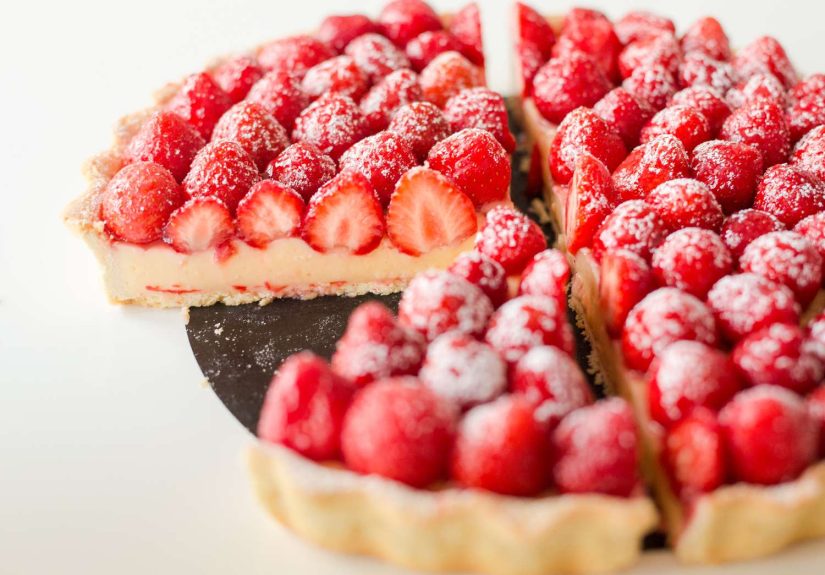
If you’ve ever stared at a bakery-window strawberry tart and thought, “Sure, that’s gorgeous… but also looks like it requires a French passport,” I’m here to be your friendly translator. A classic tarte aux fraises is basically three simple ideas wearing a very fancy outfit: a tender sweet tart crust (pâte sucrée), a silky vanilla pastry cream (crème pâtissière), and strawberries arranged with the confidence of a Parisian who’s late on purpose.
The magic is less about complicated technique and more about timing: cool the crust, chill the cream, then assemble close to serving so everything stays crisp, creamy, and shiny (like it knows it’s being photographed).
Quick Recipe Snapshot
- Style: Classic French strawberry tart (tarte aux fraises)
- Makes: One 9-inch tart (8–10 slices)
- Total time: About 3.5–5 hours (mostly chilling/cooling)
- Skill level: Intermediate, but very learnable
What Makes This Tart “French” (and Not Just “Fruit on a Crust”)
French-style tarts tend to use sweet, egg-enriched dough rather than a flaky pie crust. Pâte sucrée bakes up tender, slightly “sandy,” and cookie-adjacentsturdy enough to hold creamy fillings without collapsing into sadness.
Then comes crème pâtissière, a stovetop custard thickened with egg yolks and starch. Done right, it’s smooth, glossy, and firm enough to slice cleanlybasically pudding’s more sophisticated cousin who reads novels in cafés.
Finally, the strawberries get a light jam glaze so they look jewel-like and stay fresher longer. It’s the difference between “lovely homemade dessert” and “did you secretly attend pastry school?”
Ingredients
For the Sweet Tart Crust (Pâte Sucrée)
- 1 1/4 cups (160g) all-purpose flour, plus more for dusting
- 1/3 cup (40g) powdered sugar
- 1/4 tsp fine salt
- 1/2 cup (113g) cold unsalted butter, cubed
- 1 large egg yolk
- 1 tsp vanilla extract
- 1–2 tsp lemon zest (optional but lovely)
- 1–2 tbsp ice water, only if needed to bring dough together
For the Vanilla Pastry Cream (Crème Pâtissière)
- 2 cups (480ml) whole milk
- 1/2 cup (100g) granulated sugar
- 4 large egg yolks
- 3 tbsp (23g) cornstarch
- Pinch of salt
- 1 tbsp (14g) unsalted butter
- 1 tsp pure vanilla extract
- Seeds from 1/2 vanilla bean (optional, but extra French)
For the Topping + Glaze
- 1 to 1 1/2 lbs fresh strawberries (the best you can find)
- 1/3 cup apricot jam or red currant jelly
- 1 tbsp water (plus another teaspoon if needed)
- Powdered sugar for a final “ta-da” (optional)
Tools You’ll Want (Nothing Weird)
- 9-inch tart pan with removable bottom
- Rolling pin
- Parchment paper or heavy-duty foil
- Pie weights, dried beans, or granulated sugar for weighing the crust
- Medium saucepan
- Whisk + silicone spatula
- Fine-mesh sieve (for silky pastry cream)
- Pastry brush (for glazing)
- Offset spatula or spoon for spreading pastry cream
Step-by-Step: How to Make a French Strawberry Tart
1) Make the Pâte Sucrée Dough
- In a mixing bowl, whisk together flour, powdered sugar, and salt.
- Add cold butter cubes and rub or “cut” them into the dry mix using your fingertips or a pastry cutter until the texture looks like coarse sand with a few pea-size bits.
- Stir in egg yolk, vanilla, and lemon zest. Mix until it starts to clump. If it’s too dry to come together, add ice water a teaspoon at a time.
- Press dough into a disk, wrap, and chill for at least 1 hour (or up to 2 days).
Why chill? Cold butter = less shrinking and a more tender bite. Warm butter = dough that slides down the sides like it’s trying to escape.
2) Roll, Line, Chill Again
- Roll the dough on a lightly floured surface to about 1/8-inch thick.
- Transfer to the tart pan, gently press into corners, and trim the top edge.
- Chill the lined pan for 30 minutes (or freeze 15 minutes).
3) Blind Bake the Tart Shell (The Crunch Insurance Policy)
- Preheat oven to 375°F.
- Dock the crust (prick the bottom all over with a fork). Line with parchment or foil and fill with pie weights/beans/sugar, making sure weights reach up the sides.
- Bake for 18–22 minutes, until edges look set.
- Carefully lift out the liner and weights. Bake another 10–15 minutes until deep golden.
- Cool completely on a rack.
Optional pro move: After removing the weights, brush the hot crust lightly with beaten egg white and bake 2 minutes more. This helps “seal” the base so the pastry cream doesn’t soften it as quickly.
4) Make the Pastry Cream (Crème Pâtissière)
- In a bowl, whisk egg yolks and cornstarch until thick and smooth. (It may look stubborn at firstkeep whisking.)
- In a saucepan, heat milk and sugar over medium heat until steaming and tiny bubbles form around the edges (don’t boil yet).
- Temper: Slowly whisk about half the hot milk into the yolk mixture to warm it up gently.
- Pour everything back into the saucepan. Cook over medium heat, whisking constantly, until it thickens and comes to a boil (big bubbles breaking the surface). Boil for about 20–60 seconds while whiskingthis cooks out the starchy taste.
- Remove from heat. Strain through a fine-mesh sieve into a bowl.
- Whisk in butter, vanilla, and vanilla bean seeds (if using). Press plastic wrap directly on the surface and chill at least 3 hours.
- Before using, stir (or briefly whisk) until smooth and glossy.
5) Prep the Strawberries
Rinse and dry strawberries thoroughly (water droplets are the enemy of glossy fruit). Hull them, then decide your vibe:
- Classic bakery look: Halve lengthwise and arrange in tight circles.
- Super French, super dramatic: Keep smaller berries whole and pack them like little red gems.
- Clean slices: Slice thinly and “shingle” them like roof tiles.
6) Assemble the Tart
- Spread chilled pastry cream into the cooled tart shell in an even layer.
- Arrange strawberries on top (start at the outside edge and work inward).
- Chill the tart while you make glaze (10–15 minutes).
7) Glaze for Shine (and Strawberry Confidence)
- Warm jam/jelly with water over low heat until melted and smooth. Strain if it’s chunky.
- Let it cool slightly (hot glaze can wilt berries).
- Brush a thin layer over the strawberries.
- Chill 20–30 minutes to set. Dust with powdered sugar if you want the “bakery window” moment.
Chef-Level Tips (That Don’t Require Chef-Level Stress)
Pick the Right Strawberries
This tart is basically strawberries on stage with a supportive cast. Choose berries that are fragrant, bright, and ripebut not mushy. If they’re watery or bland, the tart will politely taste like… polite disappointment.
Don’t Rush the Cooling
Warm crust + cold pastry cream = condensation, and condensation = soggy city. Make sure the tart shell is fully cool before filling.
Prevent Shrinkage
Two chill sessions (before and after lining the pan) plus proper weights help your crust hold its shape. If your crust still shrinks, try freezing the lined shell longer and making sure the weights reach the sides.
Silky Pastry Cream, Not Scrambled Egg Soup
Temper slowly, whisk constantly, and don’t skip the sieve. If you see tiny bits: strain, don’t panic. Also: pastry cream needs to reach a real boil to fully thicken and lose any raw-starch grit.
Make-Ahead Game Plan (The Secret of Calm Bakers)
- Up to 2 days ahead: Bake the tart shell; store tightly wrapped at room temp.
- Up to 2 days ahead: Make pastry cream; keep chilled with wrap touching the surface.
- Day of serving: Assemble and glaze. For best texture, serve within a few hours.
- Overnight assembled? It can work, but the crust may soften by the next daystill delicious, less crisp.
Fun Variations (Because You’re the Boss of Your Tart)
Lemon-Kissed Strawberry Tart
Spread a very thin layer of lemon curd on the crust before adding pastry cream. It adds brightness and a little tangy “pop.”
Crème Légère / Diplomat-Style Filling
Fold softly whipped cream into chilled pastry cream for a lighter, mousse-like filling. This is great if you want the tart to feel more airy and less custard-forward.
Mini Tartlets
Use smaller tart pans for individual servings. Reduce baking time and prepare for guests to say “Aww!” before they say “Wow!” and then immediately eat one.
Almond Accent
Add a whisper of almond extract to the crust or pastry cream. Almond + strawberry is a classic pairing that tastes like you planned your life.
Troubleshooting: Common Problems and Quick Fixes
My pastry cream is lumpy.
Strain it while warm. If it’s already chilled, whisk vigorously (or use a hand mixer briefly) to smooth it out.
My tart crust puffed up or slumped.
Use enough weights (up the sides!) and dock the bottom. If it puffed after weights came out, press it gently with a flat spatula while still warm.
The strawberries are leaking juice.
Dry them thoroughly after washing, assemble close to serving, and glaze. The glaze helps lock in moisture and keeps the fruit looking fresh.
The crust got soggy.
Make sure the shell is baked to a deep golden color, cool completely, and consider the egg-white “seal” trick. Also, don’t let the assembled tart sit for daysthis dessert likes a fresh schedule.
How to Serve (A.K.A. How to Look Like You Have It Together)
Slice with a sharp knife warmed under hot water and wiped dry between cuts. Serve chilled, ideally within the same day. If you’re feeling extra, add a small dollop of lightly sweetened whipped cream on the side. Not because it needs itbecause you deserve it.
of “Been There” Tart Experiences (So You Feel Seen)
Making a French strawberry tart has a funny way of turning an ordinary kitchen into a tiny theater production. First there’s the crust: you roll it out, it behaves for exactly twelve seconds, and then it tries to stick to the counter like it’s paying rent. The best moment is when you transfer it to the pan and think, “Wow, I’m a professional.” Then you notice a crack and realize you are, in fact, a human. The good news: tart dough is forgiving. You patch it, press it, and it pretends it never happenedlike a polite friend who won’t mention that you spilled coffee on their couch.
Blind baking is where confidence meets gravity. You carefully line the shell, pour in weights, and slide it into the oven like you’re sending a spaceship into orbit. When you pull it out, you might find the sides have slumped a little anyway. That’s not failure; that’s the crust reminding you it’s made of butter and dreams. If you’ve ever wondered why bakers love “chill time,” this is it: colder dough shrinks less, and your tart walls stop trying to become tart “ramps.”
Then comes pastry creamarguably the most dramatic character in the cast. At first it’s thin and foamy, and you start questioning your life choices. Then, suddenly, it thickens like it heard you doubting it. You’ll see big bubbles breaking the surface and think, “Is this safe?” Yesthis is the moment the starch is actually doing its job. The whisking is nonstop, which means you’ll develop a very specific forearm strength that only applies to custard and waving enthusiastically at people across a parking lot.
The assembly stage is where you realize strawberries are adorable but also a little bossy. Some are huge, some are tiny, and somehow the prettiest one has a weird flat side. You start arranging in circles like a calm person… and then you begin doing strawberry geometry. “If I put this half here, the point aims toward the center… and then I’ll need exactly eight more berries of identical size,” you whisper, as if the strawberries will comply. They won’t. But the tart will still look gorgeous because “abundant fruit” reads as intentional.
Finally, you brush on the glaze and everything transforms. It’s the dessert equivalent of lip gloss: suddenly the strawberries shine, the colors deepen, and you feel like calling someone over to witness your accomplishment. This is also the moment you learn glaze gets everywhereon the brush, on your fingers, probably on your elbowbecause you got excited and started “just one more swipe.” When you slice it and the pastry cream holds, the crust snaps, and the berries stay put, it feels like the kitchen applauded. Even if the circles aren’t perfect. Especially if the circles aren’t perfect.
Conclusion
A French strawberry tart looks fancy, but it’s really a smart stack of simple techniques: a well-chilled sweet crust, a properly thickened pastry cream, and fresh strawberries finished with a light glaze. Make it once and you’ll realize the “hard” part isn’t complexityit’s patience. (The tart rewards patience. Your taste buds reward you.)