Table of Contents >> Show >> Hide
- What “Fab Freebie” Really Means (And Why People Loved Them)
- The Original “Come To My Windows” Giveaway: A Snapshot of 2013
- Why “Windows” Was the Perfect Double-Meaning
- Live Tiles: The “Glanceable” Design That Tried to Save Your Attention Span
- Surface RT: The Hybrid Dream (And What It Taught Everyone)
- Windows Phone 8’s Kid’s Corner: A Tiny Feature With Massive Real-Life Value
- How “Come To My Windows” Fits a DIY Workflow
- Running Your Own Fab Freebie (Without Being Sketchy)
- Experiences People Associate With “Come To My Windows” (500+ Words)
- Closing Thoughts: An Invitation That Still Works
- SEO Tags
If you’ve ever stared out a real window thinking, “I should repaint that trim,” and then immediately stared into a digital window thinking,
“I should save that tutorial,” congratulations: you are living the Come To My Windows lifestyle.
It’s the modern DIY experience in a nutshellhalf sawdust, half screen time, and 100% convinced you’ll remember that measurement later (you won’t).
“Fab Freebie: Come To My Windows” is a perfect little time capsule from the early 2010s: when blogs threw genuinely fun giveaways, tablets were still
trying to decide if they were laptops, and phones were getting smarter faster than we were getting organized. But the bigger idea still holds up today:
the right tech can make home projects smoother, more documented, more shareableand yes, more kid-proof.
What “Fab Freebie” Really Means (And Why People Loved Them)
In the internet’s golden age of comment sections (a sentence that already sounds like a museum placard), “fab freebies” weren’t just about winning stuff.
They were about community. A giveaway post was a big digital potluck: people showed up, introduced themselves, shared what they were working on, and left
with new ideaseven if they didn’t leave with the prize.
There’s also a practical reason freebies work: they force you to answer one simple questionwhat would actually help in real life?
The best giveaways aren’t random. They’re tightly connected to what the audience does every day. For DIY readers, that usually means:
planning, measuring, shopping, photographing progress, storing receipts, and figuring out how to do all of that while someone small asks for a snack
every 4.7 minutes.
The Original “Come To My Windows” Giveaway: A Snapshot of 2013
The “Fab Freebie: Come To My Windows” giveaway (hosted in May 2013) leaned into a reality that many home improvers were already living:
gadgets had “wormed their way into our DIY routine.” The prize bundle was deliberately aimed at that overlaphome life and digital life
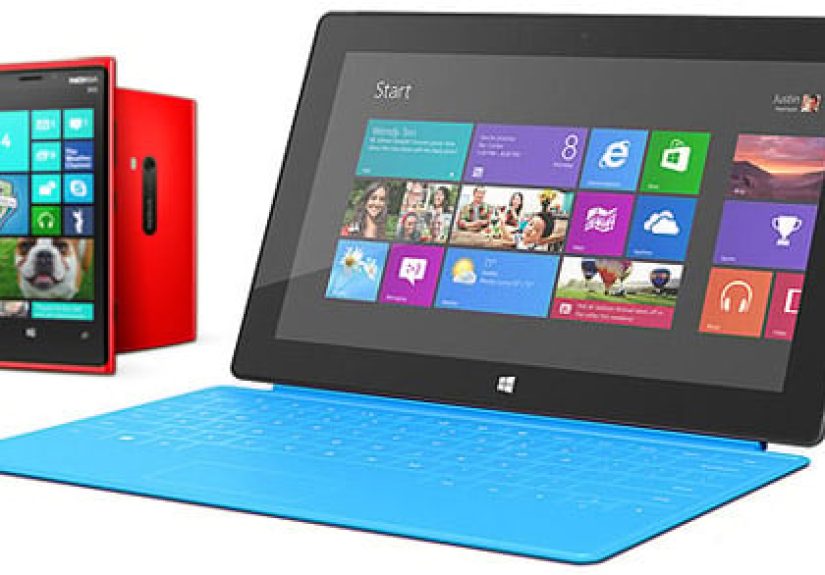
pairing a Microsoft Surface RT with a Touch Cover and a Windows Phone. Entry was classic blog-era simple:
comment with a specific phrase and answer a bonus question about what you rely on your devices for most. The giveaway was open to U.S. entrants,
and the winner was selected randomly and announced as an update to the post.
Even the details were charmingly practical. The Surface was pitched as “like a tablet, laptop, and e-reader in one,” with a kickstand that made it
easy to watch movies (or play a tutorial while your hands are busy). The Windows Phone angle highlighted a feature that parents immediately understood:
Kid’s Cornera separate, safer space for kids to play without accidentally wreaking havoc on your actual phone life.
Why “Windows” Was the Perfect Double-Meaning
The title works because it’s a pun you can actually live in. “Windows” are literalyour home’s light, views, plants, window boxes, and that one smudge
that laughs at every cleaning product you’ve tried. But “Windows” are also digitaldevices, apps, tiles, and the constant little portals you open to
learn something, save something, or get inspired.
That double meaning matters because DIY is a two-world hobby. You need the physical world (tools, materials, time, patience) and you need the information
world (tutorials, checklists, measurements, photos, budget math). “Come To My Windows” is basically an invitation to combine themwithout letting the
digital side completely eat your weekend.
Live Tiles: The “Glanceable” Design That Tried to Save Your Attention Span
Windows Phone 8 pushed a design idea that still feels relevant: don’t make people hunt for informationlet it come to them.
That was the promise of Live Tiles: a Start screen you could personalize with different tile sizes and colors, where tiles could update
with new info at a glance (messages, updates, music, photos, whatever you pinned).
For DIY life, “glanceable” is not a small thing. If you’re holding a paint roller, you don’t want a 12-step scavenger hunt to find your shopping list.
You want: open screen, see list, keep moving. In theory, the tile-based approach was a productivity shortcutless tapping, more doing.
Surface RT: The Hybrid Dream (And What It Taught Everyone)
The Surface RT era is a masterclass in ambition. Microsoft’s first Surface (released in 2012) came with hardware ideas people loved:
a built-in kickstand, a cover that doubled as a keyboard, and a “hybrid” identity that tried to blend tablet convenience with laptop productivity.
Reviewers often praised the hardware design and the boldness of the concept, while also noting how confusing the overall experience could feel
especially when software limitations bumped into desktop expectations.
The big lesson for DIYers (and honestly, for anyone who buys tech with big hopes): a device can be beautifully designed and still not fit your workflow.
A tablet-laptop hybrid is only magical if it supports the apps, file types, and shortcuts you actually use.
Surface RT’s story also became tied to pricing moves and inventory challenges later onproof that even smart ideas sometimes need a second or third
version to truly land.
Windows Phone 8’s Kid’s Corner: A Tiny Feature With Massive Real-Life Value
If you have kids (or younger siblings, or a friend who “just wants to try your camera”), you know the panic of handing over your phone.
Kid’s Corner was Microsoft’s attempt to reduce that panic: a dedicated mode where you choose what a kid can access, while your email, photos, and
settings stay protected behind the main lock screen.
For a home-improvement household, this is a surprisingly big deal. Your phone is often your project manager:
it holds receipts, measurement photos, “before” shots you swear you’ll recreate for the “after,” and that note titled “IMPORTANT” that is, somehow,
never important enough to be organized. Being able to share a device without risking chaos isn’t just “nice”it’s sanity insurance.
How “Come To My Windows” Fits a DIY Workflow
Let’s translate the concept into actual, practical uses. Not dreamy marketing uses. Real uses. The “I’m in the middle of it” uses.
1) The Project Binder That Doesn’t Get Paint on It
Every DIYer needs a project binder: inspiration images, measurements, a materials list, and a budget you will definitely follow (sure).
A tablet can replace the binder and keep everything searchable. One folder per project:
“Window Boxes,” “Hallway Paint,” “Backyard Lighting,” and “Mystery Drawer That Is Definitely Haunted.”
Pro move: save a “decision log” note. Write down what you decided and why. When you return to a project after a week (or a season),
you won’t have to re-litigate your own brain.
2) Hands-Free Tutorials While You Work
A kickstand sounds like a small feature until you’re trying to keep your screen visible while you caulk, sand, or assemble something that came
with instructions written in font size: ant. Propping a device up means you can watch a how-to video or scroll through steps without
smearing your screen with whatever is currently on your hands (which is always more than you think).
3) Photo Documentation That Actually Helps (Not Just “Proof You Suffered”)
Before-and-after photos aren’t just for bragging rights. They help you:
remember the order you disassembled something, track progress, and notice details you miss in the moment.
The key is to take intentional photos:
wide shot, close-up, problem area, measurement reference, and one “label” photo (like a sticky note that says “LEFT WALL”).
4) Smarter Shopping Lists (So You Don’t Buy the Wrong Thing Twice)
The most expensive DIY purchase is the one you buy twice. Your device can reduce that by keeping:
product photos, exact color names, SKU numbers, and screenshots of the specific hinge/bracket/adapter you need.
Add a quick note: “Don’t forget primer” and “Yes, you need the longer screws” because Future You is optimistic and Past You is realistic.
5) The Family-Friendly Hand-Off
The “Come To My Windows” giveaway leaned into a reality many households share: devices get passed around.
The kid-friendly angle matters because projects don’t happen in a vacuum. You might need 15 minutes to finish something,
and your child might need 15 minutes of a game to make that possible. A dedicated kid mode reduces the risk of accidental purchases,
accidental messages, or accidental “why is your phone now in Spanish?” moments.
Running Your Own Fab Freebie (Without Being Sketchy)
The best part of revisiting a classic giveaway is realizing the format still worksif you do it responsibly.
If you run a blog, newsletter, or brand page and want to host a “fab freebie,” here’s what makes it feel trustworthy:
Keep it simple and specific
One clear prize, one clear winner, one clear deadline. People don’t want a scavenger hunt. They want a fair shot.
Be transparent about eligibility
Spell out where it’s open (U.S. only, international, etc.), how the winner is chosen (random selection is common),
and when it will be announced.
Ask a question that creates value for readers
The smartest giveaway prompts build a comment section that feels like a mini resource library.
Asking “What’s the most invaluable thing your device does for you?” invites answers that are useful to others:
productivity tips, family hacks, organization tricks, and app recommendations.
Respect privacy
Don’t demand personal details in public comments. Collect what you need privately after selection.
Keep entry requirements minimal and saneno one should have to hand over their entire digital identity to win a keyboard cover.
Experiences People Associate With “Come To My Windows” (500+ Words)
Even if you never entered the original giveaway, the experience behind “Come To My Windows” is instantly recognizable:
using a device as a bridge between inspiration and execution. Here are a few realistic scenarios that capture how people tend to
use “Windows-style” devices in a DIY-heavy life.
The “I Swear This Is a Two-Hour Project” Saturday
Someone starts the morning with a simple goal: install curtain rods and maybe touch up the paint around the window trim.
They open a saved tutorial on a tablet, set it on the windowsill with the kickstand, and follow along step by step.
Halfway through, they realize the brackets need anchors because the studs aren’t where they assumed (because studs never are).
Instead of guessing, they pull up the store app, compare anchor types, and add the exact size to a list.
At the store, they open a photo of their wall and match the hardwareno “I think it was this one?” energy.
Back home, the project still takes all day (as tradition demands), but it ends with fewer extra trips and fewer “how did I end up here?” moments.
The Parent Hand-Off That Doesn’t End in Disaster
Another common experience: a parent trying to finish a tasklike assembling a window bench or organizing the entrywaywhile a kid is understandably
bored. The phone becomes the bargaining chip: “You can play, but only in your space.”
Kid-friendly modes (like Kid’s Corner) are remembered fondly because they reduce the invisible stress of sharing.
The adult can keep their photos, messages, and work stuff separate, while the kid gets games or music without accidentally calling someone.
The project continues, the household stays calmer, and everyone pretends that was the plan all along.
The “Before Photo” That Turns Into Motivation
Plenty of DIYers describe a surprising moment: the before photo becomes the thing that keeps them going.
At the start, they take a wide shot of a room corner that annoys themmaybe the window area looks bare or the furniture feels off.
Then they take progress photos: the paint sample on the wall, the new shelf installed, the curtains hung.
A week later, when motivation drops, those photos prove progress is real.
It’s not just vanityit’s accountability. People often say that seeing the change on a screen helps them feel the change in the space.
And when the after photo finally happens, it’s not just “nice,” it’s closure.
The On-the-Go Brain That Finally Gets a System
One more experience shows up again and again: using a device to catch thoughts before they vanish.
Someone will be in line for coffee and suddenly remember they need wood filler, not spackle, for that window frame repair.
Or they’ll see a porch light they love and snap a photo so they can search for something similar later.
They’ll jot measurements into a note, save a screenshot of a paint color, or pin an idea to revisit.
The “Windows” experience here is less about any single gadget and more about the habit: capture, organize, act.
It’s how scattered DIY energy becomes a planone small digital window at a time.
Closing Thoughts: An Invitation That Still Works
“Fab Freebie: Come To My Windows” is nostalgic, surebut it’s also practical. It reminds us that tech is at its best when it supports real life:
the messy, half-finished, joyfully imperfect process of making a home better. Whether your “windows” are actual panes of glass or glowing rectangles
in your hands, the goal is the same: let them help you see clearly, plan better, and finish what you start.