Table of Contents >> Show >> Hide
- What Are Environmental Allergies?
- Common Causes of Environmental Allergies
- Symptoms of Environmental Allergies
- How Environmental Allergies Are Diagnosed
- Home Remedies and Lifestyle Changes That Can Help
- Medical Treatments for Environmental Allergies
- When to See a Doctor
- Practical Daily Plan for Managing Environmental Allergies
- Experiences With Environmental Allergies: What Real Life Often Feels Like
- Final Thoughts
Environmental allergies are the ultimate unwanted subscription. You never signed up, yet every spring, every dusty closet, every mysteriously damp basement, and every overly cuddly cat seems determined to send your nose into a dramatic monologue. If your days include sneezing fits, itchy eyes, sinus pressure, and the kind of congestion that makes you sound like you are speaking through a pillow, environmental allergies may be the reason.
Also called allergic rhinitis when they affect the nose, environmental allergies happen when the immune system overreacts to substances that are usually harmless. Pollen, mold, dust mites, pet dander, and even cockroach particles can trigger symptoms. For some people, the problem is seasonal. For others, it is year-round. Either way, the goal is the same: identify the trigger, reduce exposure, calm inflammation, and stop letting a microscopic speck of “nature” run your entire day.
This guide breaks down the most common causes of environmental allergies, the symptoms to watch for, practical home remedies that actually make sense, and the medical treatments that can help when tissues alone are clearly losing the battle.
What Are Environmental Allergies?
Environmental allergies are immune reactions to substances in your surroundings. These allergens may be outdoors, indoors, or both. When someone with allergies breathes in or comes into contact with one of these triggers, the body releases chemicals such as histamine. That reaction can lead to inflammation in the nose, eyes, throat, skin, or airways.
The most common environmental allergy triggers include:
- Pollen: from trees, grasses, and weeds
- Dust mites: tiny organisms that thrive in bedding, upholstery, and carpeting
- Mold: especially in damp bathrooms, basements, kitchens, and water-damaged areas
- Pet dander: proteins found in skin flakes, saliva, and urine from cats, dogs, and other animals
- Cockroach allergens: particles from droppings and body parts that can collect in indoor dust
Some people only react during certain months, such as tree pollen season in spring or ragweed season in late summer and fall. Others deal with symptoms all year because indoor allergens like dust mites and pet dander do not exactly respect the calendar.
Common Causes of Environmental Allergies
Pollen
Pollen is one of the most familiar allergy triggers, and also one of the rudest. Trees tend to release pollen in spring, grasses usually peak in late spring and summer, and weeds often dominate late summer into fall. On dry, windy days, pollen can travel easily and turn a simple walk outside into a full-on sneeze festival.
If your symptoms flare after gardening, mowing the lawn, walking the dog, or leaving the windows open on a breezy day, outdoor pollen may be the culprit. It often causes sneezing, itchy eyes, and a runny or stuffy nose.
Dust Mites
Dust mites are microscopic creatures that feed on shed human skin cells. Charming, right? They love warm, humid environments and often gather in mattresses, pillows, bedding, upholstered furniture, and carpets. Because you spend hours every night in bed, the bedroom is one of the most important places to control dust mite exposure.
If you wake up congested, sneezy, or with itchy eyes nearly every morning, dust mites deserve a spot on the suspect list.
Mold
Mold grows where moisture hangs around too long. Bathrooms, laundry rooms, kitchens, basements, and any water-damaged space are prime territory. Mold spores can become airborne and trigger nasal symptoms, coughing, wheezing, skin irritation, or irritated eyes.
If a room smells musty and your nose immediately objects, your immune system may be picking up what your eyes have not yet noticed.
Pet Dander
Despite the popular myth, pet allergies are not just about fur. The real problem is usually proteins in the animal’s dander, saliva, and urine. That means a home can still contain pet allergens even if the pet is out of the room, and even if the animal is short-haired or marketed as “hypoallergenic.”
If you get itchy, congested, or wheezy after visiting a friend with a cat or cuddling your own dog, pet-related allergens may be involved.
Indoor Pests
Cockroach allergens are an often-overlooked cause of indoor allergy symptoms, especially in urban settings or buildings with pest issues. These particles can settle in dust and may aggravate both allergies and asthma.
Symptoms of Environmental Allergies
Environmental allergies can look a lot like a cold, but there are a few clues that point toward allergies instead of infection. Allergy symptoms often last longer, come back in patterns, and do not usually include fever.
Common symptoms include:
- Sneezing
- Runny nose
- Stuffy nose
- Itchy nose, throat, or ears
- Watery, red, or itchy eyes
- Postnasal drip
- Cough, especially at night
- Sinus pressure or facial discomfort
- Fatigue from poor sleep and chronic congestion
In some people, environmental allergens can also worsen asthma symptoms such as wheezing, chest tightness, or shortness of breath. That is one reason allergies should not be brushed off as “just sneezing.” Sometimes they affect sleep, concentration, exercise tolerance, work productivity, and overall quality of life more than people realize.
How Environmental Allergies Are Diagnosed
A good diagnosis starts with a pattern. Your clinician will usually ask when symptoms happen, what makes them worse, whether they occur indoors or outdoors, whether pets are involved, and whether you also have asthma or eczema.
Testing may include:
- Skin testing: small amounts of allergens are placed or pricked into the skin to see which ones trigger a reaction
- Blood testing: may be used when skin testing is not practical or safe
The goal is not to collect interesting trivia about your immune system. It is to match your symptoms with likely triggers so treatment can be more targeted and useful.
Home Remedies and Lifestyle Changes That Can Help
Home remedies for environmental allergies work best when they reduce exposure and soothe irritated tissues. They are not magic, but they can make a real difference, especially when combined with medical treatment.
1. Rinse Allergens Off Your Body
After spending time outdoors, showering and changing clothes can remove pollen from your skin, hair, and fabric. This matters more than many people think. Otherwise, you may bring pollen straight to your couch, your bed, and your pillow, basically inviting the allergen to continue the party indoors.
2. Keep Windows Closed During High Pollen Days
Fresh air is lovely. So is breathing. During peak pollen season, it is often smarter to keep windows closed and use air conditioning in the car and at home. This helps reduce the amount of pollen drifting inside.
3. Use a HEPA Air Cleaner
A portable HEPA air purifier can help reduce airborne particles such as pollen, mold, and pet dander in the room where you spend the most time. It is not a substitute for cleaning, and it will not remove allergens already settled into upholstery or carpet, but it can still be a helpful part of an allergy-control strategy.
4. Wash Bedding the Right Way
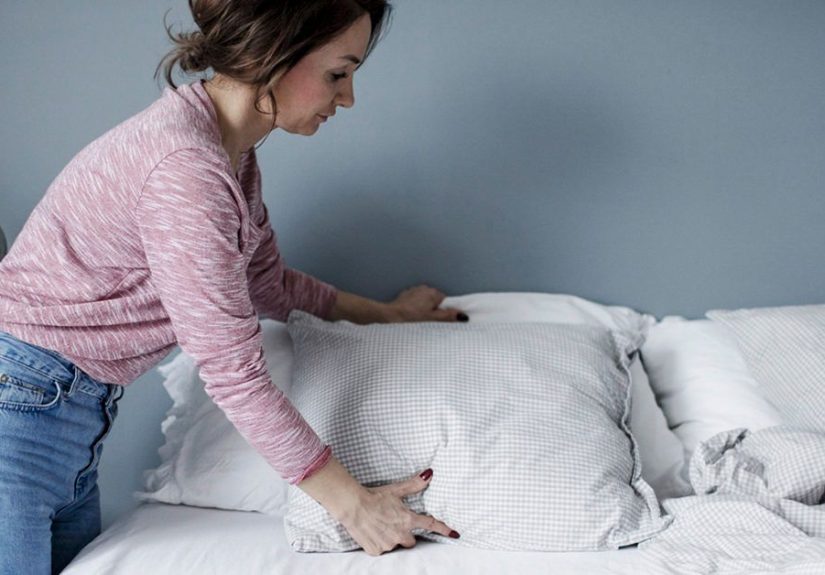
If dust mites are an issue, wash sheets, pillowcases, and blankets weekly in hot water. Allergy-proof covers for pillows and mattresses can also help reduce exposure. Since the bed is where dust mites love to hang out, this step can have an outsized effect on symptoms.
5. Control Indoor Humidity
Dust mites and mold are fans of moisture. You should not be. Keeping indoor humidity in a moderate range can help reduce both. If your home feels like a tropical greenhouse, a dehumidifier may become your new best friend.
6. Clean Smarter, Not Just Harder
Use a damp cloth for dusting instead of dry dusting, which can send allergens right back into the air. Vacuum regularly, especially if you have carpet, pets, or upholstered furniture. If symptoms are intense, wearing a mask while cleaning can help reduce exposure.
7. Reduce Mold at the Source
If you see or smell mold, address it. Clean the affected area if appropriate, improve ventilation, and most important, fix the moisture problem that allowed mold to grow in the first place. Without that step, mold tends to stage a comeback tour.
8. Try Saline Nasal Rinses
Saline sprays or nasal irrigation can help thin mucus, rinse out irritants, and soothe inflamed nasal passages. They can be especially helpful after heavy pollen exposure or when congestion is making you miserable.
One important safety rule: if you use a neti pot or rinse bottle, use distilled, sterile, or previously boiled water that has been cooled. Regular tap water is not considered safe for nasal rinsing.
9. Be Skeptical of “Miracle” Allergy Hacks
Local honey gets a lot of hype as a home remedy for allergies, but it is not a reliable treatment for environmental allergies. It may be delicious on toast, but it should not be mistaken for a scientifically proven allergy fix.
Medical Treatments for Environmental Allergies
When lifestyle changes are not enough, medical treatment can make a major difference. The best choice depends on your symptoms, triggers, age, and how often your allergies strike.
Antihistamines
Antihistamines can help reduce sneezing, itching, runny nose, and watery eyes. Many are available over the counter. Some older antihistamines can make you drowsy, so people often prefer less-sedating options for daytime use.
Even over-the-counter medicines deserve a little respect. They are not candy, and some may require caution if you have high blood pressure, glaucoma, urinary retention, or certain other health conditions.
Nasal Corticosteroid Sprays
For many people with allergic rhinitis, nasal steroid sprays are among the most effective treatments. They reduce inflammation in the nasal passages and can improve congestion, sneezing, itching, and runny nose. The key is consistency. These sprays usually work best when used regularly rather than in one dramatic burst of hope right before a family picnic.
Decongestants
Decongestants may provide short-term relief for a stuffy nose, but they are not ideal for everyone. Some oral decongestants can raise blood pressure or cause jitteriness. Decongestant nasal sprays should not be used for too many days in a row because rebound congestion can make things worse.
Cromolyn Sodium Nasal Spray
This option can help prevent allergy symptoms and is often most effective when started before allergen exposure ramps up. It is considered very safe, though it may need to be used several times a day.
Eye Drops
If itchy, watery eyes are one of your main complaints, allergy eye drops may help. Wearing sunglasses outdoors can also reduce the amount of pollen reaching your eyes.
Leukotriene Modifiers
In some cases, a clinician may prescribe a leukotriene modifier, particularly when nasal symptoms occur alongside asthma. This is not the first option for everyone, but it may be useful in specific situations.
Immunotherapy
If avoidance and medication still leave you miserable, immunotherapy may be worth discussing with an allergist. Allergy shots and, in some cases, tablets placed under the tongue are designed to help the body become less reactive over time.
This is the long-game treatment. It is not instant, but for some people it can reduce symptoms significantly and provide longer-lasting relief. It is often considered when symptoms are persistent, triggers are hard to avoid, or medications are not doing enough.
When to See a Doctor
See a clinician if your symptoms are frequent, interfere with sleep, affect school or work, or are triggering wheezing or breathing trouble. You should also get medical advice if over-the-counter treatment is not helping, if you are relying on decongestants too often, or if you are not sure whether you are dealing with allergies, repeated infections, or something else.
Seek urgent care right away if you have trouble breathing, severe wheezing, swelling, or any signs of a serious allergic reaction.
Practical Daily Plan for Managing Environmental Allergies
If allergies keep barging into your routine, a simple daily plan can help:
- Check pollen levels before long outdoor activities
- Keep windows closed during high pollen periods
- Shower and change after outdoor exposure
- Wash bedding weekly in hot water
- Run a HEPA air cleaner in the bedroom
- Use saline rinses or sprays as needed
- Take prescribed or recommended medications consistently
- Address moisture and mold quickly
The best allergy strategy is usually boring, repetitive, and effective. Which, to be fair, is how many good health habits work.
Experiences With Environmental Allergies: What Real Life Often Feels Like
Living with environmental allergies can be surprisingly exhausting, even when the symptoms seem “minor” on paper. A person may not describe their day as medically dramatic, but they may still feel worn down from poor sleep, constant congestion, and the mental load of always thinking ahead. The weather changes, pollen climbs, and suddenly a simple morning walk feels like a bad trade: fresh air in exchange for itchy eyes and ten sneezes in a row.
Many people with seasonal allergies describe spring in two very different ways. On social media, spring is flowers, sunshine, and outdoor brunch. In real life, for allergy sufferers, spring can be tissues in every pocket, a car coated in yellow dust, and the strange realization that your own backyard is somehow attacking you. The same person who loves nature may also glare at a tree like it has betrayed them personally.
Indoor allergies create a different kind of frustration. There is something uniquely annoying about feeling worse in your own bedroom. People often say they wake up stuffed up, foggy, and dry-mouthed, then slowly improve after they leave the house. That pattern can make dust mites or mold more likely. Others notice symptoms every time they clean. Ironically, the act of trying to make the house healthier can stir up dust and allergens and make them feel worse before things get better.
Pet allergies can also be emotionally complicated. A lot of people do not want to believe that the adorable animal curled up on the couch is part of the problem. They may say, “But I have had this dog for years,” not realizing that allergies can shift over time or that symptoms can build gradually. Some try to compromise by keeping pets out of the bedroom, using air purifiers, and cleaning more often. For many families, allergy management becomes less about perfection and more about finding a setup that reduces symptoms without turning the home into a pet-free laboratory.
There is also the invisible side of allergies: brain fog, irritability, and fatigue. When your nose is blocked at night, sleep quality drops. When your eyes itch all day, concentration suffers. When your head feels packed with cotton, even ordinary tasks can seem harder. People often underestimate how much untreated allergies can affect mood and productivity. They are not just “a little sneezy.” They are tired, distracted, and often operating at half speed.
The encouraging part is that many people feel dramatically better once they understand their triggers and create a routine. The biggest relief often comes not from one miracle cure, but from several sensible steps working together: closing windows, rinsing off pollen, washing bedding regularly, treating inflammation early, and using the right medication consistently. Once that system clicks, people often say the same thing: they wish they had taken their allergies seriously sooner.
Final Thoughts
Environmental allergies are common, but that does not make them trivial. They can interfere with sleep, concentration, exercise, and daily comfort in ways that add up fast. The good news is that there are many effective ways to manage them. Start with trigger awareness and home control measures, add evidence-based symptom relief such as saline rinses and appropriate medications, and consider allergy testing or immunotherapy if symptoms keep hanging around like an uninvited guest.
You may not be able to control the weather, the pollen count, or your neighbor’s cat. But with the right plan, you can absolutely take back a lot more control over how you feel.