Table of Contents >> Show >> Hide
- What Is an Early 20th Century Kurdish Rug?
- The Kurdish Design Vocabulary: How to Read the Rug
- Materials, Structure, and Dyes: The Technical Backbone
- How to Identify an Authentic Early 20th Century Kurdish Rug
- Condition and Value: What Actually Moves the Price
- Interior Design Use: Making a Kurdish Rug Work Today
- Care and Preservation: Keep It Alive for the Next Century
- Common Myths About Early 20th Century Kurdish Rugs
- Final Takeaway
- Extended Experience Notes (Approx. )
There are rugs you buy to fill a floor, and then there are rugs that quietly run the room like a wise grandparent who says very little but somehow controls everything. An early 20th century Kurdish rug belongs in the second category. These pieces are bold, intelligent, deeply handmade, and often full of “perfect imperfections” that make machine-made carpets look a little too polite.
This guide dives into what makes these rugs special: history, weaving structure, color language, regional style differences, collecting tips, care strategies, and real-world value clues. It synthesizes museum catalogs, conservation guidance, auction and marketplace records, and textile scholarship into one readable (and occasionally witty) field guide for collectors, designers, and curious homeowners.
What Is an Early 20th Century Kurdish Rug?
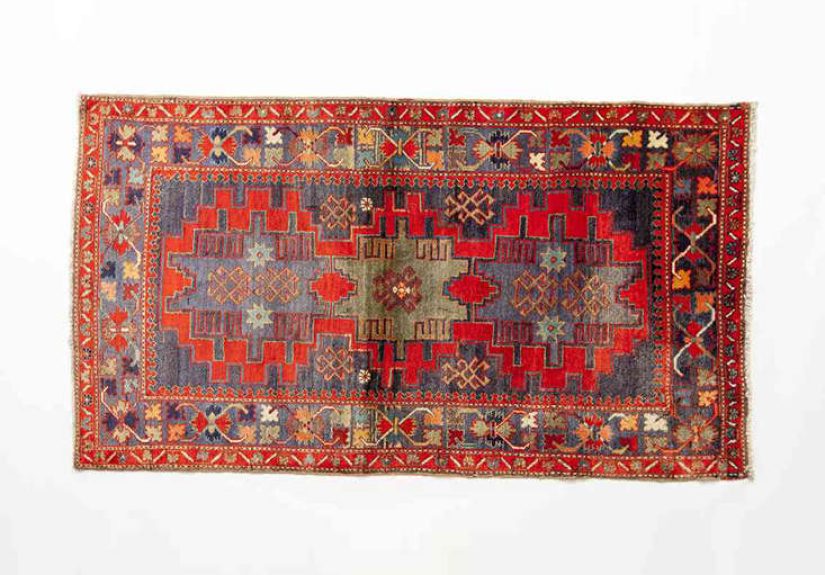
In plain English: it is a hand-knotted rug woven by Kurdish communities around the late 19th and early 20th century (roughly 1890s–1930s), usually in parts of western and northwestern Iran and nearby Kurdish cultural regions. These rugs are often grouped with tribal and village weavings and are known for strong geometry, rich wool, energetic color, and durable construction.
Why this era matters
The early 20th century is a fascinating transition window. Traditional weaving methods remained strong, but broader trade networks and changing tastes influenced designs, color choices, and formats. In some pieces, you can literally see history in the palette: older natural-dye harmony in one rug, then brighter synthetic punch in another. It is like looking at two music genres sharing one record.
Core identity traits
- Hand-knotted wool pile, often with robust handle and substantial texture.
- Geometric or semi-geometric motifs that feel bold and graphic from across the room.
- Regional personality: Jaff, Bijar (Bidjar), and Senneh/Sanandaj traditions often show distinct visual logic.
- Color confidence: indigo blues, deep reds, ivory accents, and expressive secondary tones.
The Kurdish Design Vocabulary: How to Read the Rug
1) Jaff energy: diamonds, lozenges, and rhythmic repetition
Jaff-related Kurdish pieces are famous for repeating diamond-grid structures. Think of a lattice where each lozenge contains small hooked or floral-geometric forms. This creates intense visual rhythm without chaos. In contemporary interiors, that pattern reads almost like modern graphic design, which is one reason these rugs photograph so well.
Early 20th century market examples often feature saturated crimson, indigo, yellow, and green combinations, with border systems that alternate larger and smaller motif bands. In small formats (including bagface-type pieces), this can look like concentrated pattern poetry: tiny field, huge personality.
2) Bijar durability: dense structure and formal power
Bidjar (Bijar) rugs are often called the “iron rugs” in collecting circles because of their dense, compact construction and exceptional durability. If Jaff feels agile and rhythmic, Bijar feels architectural and grounded. Many examples balance geometric scaffolding with Persianate motifs such as Herati-derived elements, medallions, and structured corner systems.
From a design standpoint, Bijar rugs are ideal if you want old-world credibility without fragility anxiety. They can anchor high-traffic rooms and still maintain compositional authority. In family terms: this is the rug that survives dinner parties, toddlers, and one golden retriever named “Turbo.”
3) Senneh refinement: delicacy in a tribal-adjacent world
Rugs associated with Sanandaj (often historically called Senneh) are frequently discussed as more delicate and refined in drawing compared with heavier village weavings. Tighter structures, cleaner motif articulation, and finer design cadence appear in many examples. For collectors, this means Kurdish weaving is not one style; it is a spectrum from rugged geometry to subtle finesse.
Materials, Structure, and Dyes: The Technical Backbone
Wool first, always
Early Kurdish rugs are predominantly wool-based, sometimes with cotton foundations depending on workshop influence and region. Good wool quality matters more than flashy marketing adjectives. In person, strong wool usually gives you:
- clear knot definition,
- resilient pile response under pressure,
- a warm, not plasticky, surface glow.
Knoting and handle
Kurdish weaving traditions include different knoting and structural habits across regions, but collectors often focus on one practical truth: handle and density reveal a lot. Some rugs bend like fabric; others feel springy and compact. Neither is automatically “better,” but each points to a different local weaving logic.
Natural dyes vs. early synthetics
By the early 20th century, synthetic dyes were already part of textile life. That does not mean every bright rug is low quality, and it definitely does not mean every muted rug is old. Dating requires multiple clues: color behavior, design grammar, wool quality, structure, edge wear, and provenance.
The smart collector avoids one-factor conclusions. If someone says, “It’s definitely 1905 because the red looks sleepy,” smile politely, ask for structural details, and keep your wallet zipped until you see evidence.
How to Identify an Authentic Early 20th Century Kurdish Rug
A practical 10-point checklist
- Back clarity: Can you read motif lines from the reverse, or is it muddy and mechanical?
- Pile behavior: Does wool feel alive and slightly irregular, not uniform like synthetic carpet yarn?
- Pattern logic: Are motifs human and variable, rather than mirrored with computer precision?
- Color layering: Do blues, reds, and neutrals interact naturally under different light angles?
- Border confidence: Strong old rugs usually have coherent border hierarchy, even when playful.
- Wear honesty: Age-related wear should look organic, not fake-distressed in random spots.
- Foundation check: Wool/wool or wool/cotton clues can support regional attribution.
- Size and format: Compare with known village, runner, room-size, and bagface examples.
- Provenance: Any documented ownership, gallery records, or catalog references add confidence.
- Seller transparency: Good sellers discuss condition and restorations clearly, not poetically.
Condition and Value: What Actually Moves the Price
“Old” does not automatically mean “expensive.” Value in an early 20th century Kurdish rug is driven by a weighted mix of factors:
1) Structural integrity
Foundation health, selvage stability, corner retention, and even wear distribution matter more than a dramatic story. A fantastic design with serious structural loss can still be collectible, but price must reflect restoration cost and long-term risk.
2) Design rarity and visual impact
Strong composition sells. Distinctive lattice fields, uncommon border systems, or unusually elegant color orchestration can lift value quickly, especially when paired with good scale. A rug that “reads” from both ten feet away and ten inches away is gold.
3) Palette quality
Collectors consistently pay attention to color harmony. Rich indigo with controlled reds and crisp ivory outlines can outperform louder but less balanced palettes. Think symphony, not shouting match.
4) Provenance and market context
Auction history, dealer reputation, and documented origin affect confidence and therefore pricing. Even marketplace listings can be useful reference points when read critically for dimensions, period tags, materials, and condition notes.
Interior Design Use: Making a Kurdish Rug Work Today
Modern apartment, old soul
Pair an early Kurdish rug with clean-lined furniture and matte finishes. The rug becomes the room’s emotional center while everything else plays backup guitar.
Layering strategy
Try small Kurdish pieces over a large neutral base rug in living rooms or studios. This creates scale without sacrificing character and is friendly for renters who move often.
Color anchoring tips
- Echo one rug color in a throw pillow or art frame, not ten places.
- Use warm woods to support reds and camel tones.
- Use black accents to sharpen indigo-heavy palettes.
- Let the rug stay visually dominantavoid hyper-patterned curtains nearby.
Care and Preservation: Keep It Alive for the Next Century
Everyday care
- Vacuum gently and regularly (no aggressive beater bar).
- Rotate periodically for even light exposure and wear.
- Address spills immediately with blotting, not rubbing.
- Use a quality rug pad for airflow and friction reduction.
Environment control
Textile preservation guidance emphasizes stable temperature and humidity, clean storage materials, and protection from light, dust, and pests. For home collectors, consistency beats perfection. Avoid damp basements, hot attics, and direct sun zones that can accelerate fading and fiber stress.
When to call a conservator
If you see active moth damage, brittle foundation breaks, edge unraveling, or suspicious repairs, get a professional textile conservator. DIY heroics are fun for flat-pack furniture, not for heirloom rugs.
Common Myths About Early 20th Century Kurdish Rugs
Myth 1: “All Kurdish rugs are the same style.”
Not even close. Regional variation is a core part of Kurdish weaving identity.
Myth 2: “Synthetic dye means fake.”
Incorrect. Synthetic dyes entered historic textile practice in the late 19th century and can appear in genuinely old pieces. Context matters.
Myth 3: “Heavy wear always kills value.”
Heavy wear can reduce value, but exceptional design and rarity can still keep a rug desirable to knowledgeable buyers.
Myth 4: “Only giant room-size rugs matter.”
Smaller Kurdish pieces, including bags and compact rugs, are often beloved by collectors for intensity of design and easy placement.
Final Takeaway
An early 20th century Kurdish rug is not just a decorative textileit is a coded object: history, labor, migration, trade, regional taste, and artistic instinct tied knot by knot into wool. The best examples deliver three wins at once: cultural depth, design power, and daily usability.
If you are buying one, buy with your eyes first, your hands second, and your ego last. Let structure, palette, and authenticity guide you. If a rug keeps getting better every time you look at it from different angles and different times of day, that is usually your answer.
Extended Experience Notes (Approx. )
The most useful way to understand an early 20th century Kurdish rug is not by staring at one perfect photo online, but by spending time with several in different contexts. A composite “collector week” tells the story better than any single catalog entry.
Day one starts in a bright showroom. The first rug looks dramatic: big diamonds, strong border, plenty of indigo. Under cool overhead light, it feels crisp and almost graphic. You think, “Great, done.” Then the dealer unrolls a second piece with a similar layout but slightly softer wool and subtler red. Suddenly the first rug seems loud; the second feels musical. Lesson one: first impressions are often lighting impressions.
Day two, you view both rugs in a home setting. The louder rug dominates everythinggreat for a minimalist room, less great in a layered interior with patterned upholstery. The quieter one integrates more easily and still holds attention up close. You begin noticing that “best rug” is not universal. It is always “best rug for this room, this use, and this lifestyle.”
Day three is all about the back of the rug. Glamorous? No. Essential? Yes. You compare knot clarity, foundation character, and repairs. One rug has handsome face value but extensive reweaving near a corner. Another has moderate wear yet honest aging and strong structural continuity. You realize condition is not about perfection; it is about transparency and long-term stability.
Day four, you test practical realities. A family with kids and pets walks the room. You imagine traffic lanes, chair legs, crumbs, and accidental spills. The denser, sturdier piece suddenly becomes more attractive than the fragile beauty. Design lovers call this compromise; experienced collectors call it wisdom.
Day five, color surprises you again. Morning light pulls blue forward. Late afternoon warms the reds. At night, under soft lamps, the rug turns almost architectural. The same piece has three personalities across one day, which is exactly why antique Kurdish rugs reward long-term living. They are not static décor; they are active participants in the room.
Day six is provenance and price negotiation. You compare notes from museum descriptions, dealer records, and market listings. One seller offers a romantic story with no documents. Another offers fewer adjectives and more facts: dimensions, fiber notes, repair disclosures, and date range rationale. Guess which one builds trust.
Day seven is decision day. The winning rug is not the loudest, not the cheapest, and not the one with the best social-media photo. It is the one that feels structurally sound, visually balanced, and emotionally durablethe kind you can live with for ten years and still discover new details.
That is the real experience of collecting an early 20th century Kurdish rug: not a one-click purchase, but a small education in seeing. You begin thinking less like a shopper and more like a steward. And once that shift happens, you stop asking, “Does this match my sofa?” and start asking, “Does this piece deserve another century of life in my care?” That is when you know you are collecting for real.