Table of Contents >> Show >> Hide
- The Rescue Story Everyone Needed: Patsy and the Sheep
- Why Herding Dogs Can Be Unbelievable in Emergencies
- The Bushfire Backdrop: What Made “Black Summer” So Devastating
- What Patsy’s Story Teaches Anyone in Fire Country
- A Practical Wildfire Plan for Pets: A No-Drama Checklist
- Wildfire Planning for Livestock: Because Trailers Don’t Hitch Themselves
- Hope, With Mud on Its Paws
- Extra (About ): Real-World Experiences and Lessons From Fire Country
Some heroes wear capes. Others wear fur, carry zero insurance paperwork, and still show up for the job at 4:15 a.m. like it’s a normal Tuesday. During Australia’s infamous “Black Summer” bushfires, one farm dogPatsyhelped move a flock of sheep out of harm’s way as flames and smoke closed in. The story went viral because it’s the kind of headline your brain wants to believe: good dog + bad fire = hope. But under the feel-good glow is something even more useful: a real-world lesson in preparedness, animal behavior, and why planning beats panicking every time.
In this article, we’ll walk through what’s known about Patsy’s rescue, why herding dogs can be astonishing in emergencies, what the broader bushfire crisis looked like, and what familieswhether they have one cat or 900 sheepcan learn about wildfire readiness.
The Rescue Story Everyone Needed: Patsy and the Sheep
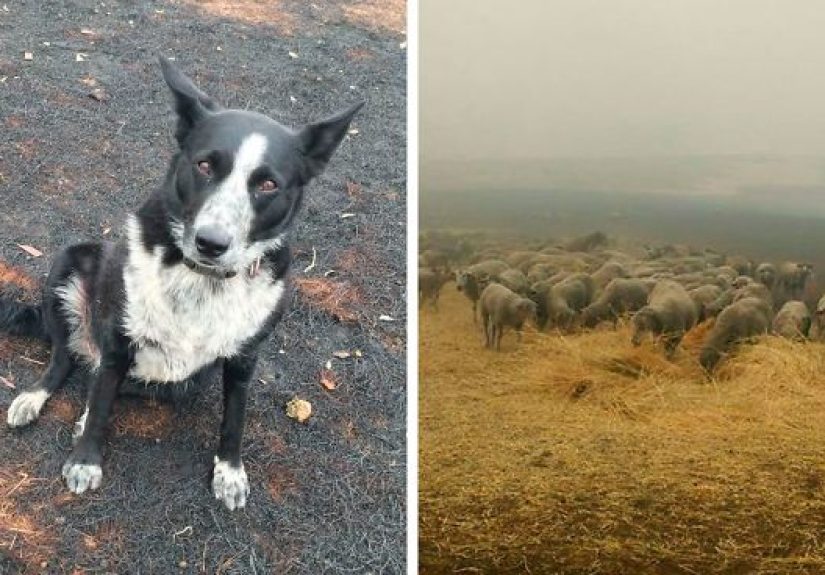
Patsy is a kelpie–border collie mix (basically the canine equivalent of an elite logistics manager with a cardio addiction). On New Year’s Eve 2019during the peak of Australia’s 2019–2020 bushfire seasonfires threatened the area around Corryong in Victoria. Patsy’s owner, Stephen Hill, saw the danger moving toward family land and livestock. While people worked to defend property, Patsy did what working dogs are bred and trained to do: she gathered sheep and moved them toward safety.
Reports vary on the exact number of sheep involvedsome accounts describe Patsy helping herd about 900 sheep into a safer enclosure or paddock, while other reporting focuses on her moving more than 220 sheep into a barn set farther from the active fire edge. Either way, the outcome is consistent: the vast majority of the flock survived, and Patsy became a symbol of steady, purposeful action when everything around her was chaos.
Stephen Hill’s quote is the kind of line that should be embroidered on a throw pillow in every farmhouse: Patsy had “earned front-seat privileges for the rest of her life.” Honestly? Understatement. In a crisis where minutes matter, a trained dog doing what she knows can save animals, livelihoods, and precious time.
Why the numbers don’t always match (and why that’s okay)
In fast-moving disasters, details can be reported differently depending on what’s being counted: one paddock vs. multiple, a single barn vs. a broader movement of livestock, or the portion of the flock directly under threat at that moment. The important point for readers isn’t winning a trivia contestit’s understanding how a trained farm dog can extend human capacity when the situation is overwhelming.
Why Herding Dogs Can Be Unbelievable in Emergencies
Herding breeds aren’t just “smart.” They’re wired for three traits that become superpowers during disasters:
1) Pattern recognition under pressure
Herding dogs constantly scan movement: which sheep is drifting, where the group is flowing, what direction keeps the flock together. In calm weather, that means fewer lost animals. In a wildfire threat, it can mean the difference between a controlled move and a dangerous scatter.
2) A built-in job description: “Move the group to safety”
When smoke, sirens, and frantic human energy spike stress levels, many animals freeze, bolt, or cluster in unhelpful places. A working dog can interrupt that panic pattern. With trained cues (and an instinct to balance and gather), a herding dog can guide livestock toward a safer areasometimes faster than humans can do alone.
3) Trust and teamwork with the handler
Great stock dogs aren’t freelancing. They’re partners. That relationship matters in emergencies because the dog is reading the handler’s urgency and direction, while the handler relies on the dog to execute movement without constant micromanagement. It’s not magicit’s repetition, bonding, and shared purpose.
The Bushfire Backdrop: What Made “Black Summer” So Devastating
Patsy’s story hit so hard because it happened during one of Australia’s most catastrophic fire seasons in modern memory. The 2019–2020 bushfires burned enormous areas, destroyed thousands of homes, and caused major human loss. Wildlife impacts were staggering too, with widely reported estimates reaching into the hundreds of millions to over a billion animals affected in various wayskilled, injured, or displaced.
Beyond what burned on the ground, the fires changed the sky. Satellite observations tracked smoke rising extraordinarily highinto the stratosphere in some casesand traveling huge distances. In other words: this wasn’t just a local emergency. It was an atmospheric event.
Why does this matter in an article about a dog and sheep? Because “fire preparedness” isn’t only about flames. It’s about smoke, heat, speed, and decisions made early. Patsy’s success is part of a bigger truth: in extreme fire conditions, you rarely get the luxury of a slow, tidy evacuation.
What Patsy’s Story Teaches Anyone in Fire Country
You don’t need 900 sheep to learn from this. If you have a dog, a cat, a rabbit, backyard chickens, or a horsewildfire preparedness is still about the same core principles: plan early, move early, and practice the boring stuff before it becomes the terrifying stuff.
Lesson 1: “Early” is a strategy, not a vibe
Wildfire professionals and emergency guidance repeatedly emphasize leaving early when conditions worsenbefore evacuation becomes a traffic-and-smoke nightmare. For animals, early evacuation is even more important because loading a carrier, catching a panicked cat, or hooking up a trailer is not a fast process when adrenaline is peaking.
Lesson 2: Your animals need ID like your phone needs a charger
During evacuations, pets can slip collars, gates can fail, and terrified animals can run. Microchips, tags, updated photos, and written descriptions can make reunification possible when everything else feels like it’s floating away in the smoke.
Lesson 3: Smoke is not “just a bad smell”
Wildfire smoke can irritate eyes and airways in animals the same way it affects people. Animals may cough, breathe faster, seem unusually tired, or avoid activity. Planning includes minimizing smoke exposure when possible: bringing animals indoors, limiting exertion, and having clean water available.
A Practical Wildfire Plan for Pets: A No-Drama Checklist
Let’s turn inspiration into action. Here’s a pet-focused plan that aligns with widely recommended emergency guidance:
Build a “Pet Go Bag” (make it grab-and-go)
- Food and water for at least several days (plus bowls)
- Medications and a copy of prescriptions
- Vet records and proof of rabies vaccination (often required for shelters/boarding)
- Carrier or crate (one per petno “they can share” optimism)
- Leash/harness and a backup slip lead
- Waste supplies (litter, bags, paper towels)
- Comfort items (small blanket/toystress matters)
Practice the hard parts
- Do a “two-minute load” drill: can you get each pet into a carrier fast?
- Take occasional carrier rides that end in something neutral or positive (not always the vet)
- If you have multiple animals, assign roles: who grabs which carrier, who loads the car, who handles documents
Know where you can go
Not every shelter or hotel accepts pets, especially during widespread disasters. Build a short list now: pet-friendly hotels, friends outside the risk zone, boarding facilities, and local animal shelters’ emergency plans. A plan that exists only in your head has a weird habit of vanishing when you need it most.
Wildfire Planning for Livestock: Because Trailers Don’t Hitch Themselves
Livestock evacuation is its own category of challenge. Even small hobby farms can feel the squeeze when roads are crowded and time is short. A livestock plan should include:
A livestock evacuation kit
- Feed and water supplies
- Halters, leads, panels, and basic handling gear
- Medications and veterinary paperwork
- Proof of ownership and ID methods (tags, brands, microchips where appropriate)
Transportation and destination planning
- Know your primary and backup routes
- Have a pre-arranged safe location (fairgrounds, arenas, friends’ land)
- Practice loading (yes, even when it feels sillyespecially then)
- Create a buddy system so someone can act if you’re away
This is where Patsy’s story offers a sharp insight: trained animals (like herding dogs) are force multipliers. They don’t replace a plan, but they can help execute onefast.
Hope, With Mud on Its Paws
Patsy became famous because her story is simple and powerful: a dog used skill and instinct to protect vulnerable animals when fire threatened everything. But the deeper value is what her story nudges us to do next: prepare.
Wildfires are not just “out there” problems anymore. Many regions worldwide are seeing more extreme fire behavior and smoke events. Preparedness doesn’t guarantee safety, but it improves the oddsand reduces the panic tax that disasters charge when we’re improvising.
So yes: celebrate Patsy. Give your own dog a responsible number of treats. Then do the grown-up thing that Patsy basically did for everyone: get organized, stay ready, and protect your flockwhatever your flock looks like.
Extra (About ): Real-World Experiences and Lessons From Fire Country
People who live in wildfire-prone areas often describe the same emotional whiplash: one day it’s normal life, the next day the sky looks like a movie filter nobody asked for. And in that chaos, animals make everything feel both harder and more meaningful. Evacuating yourself is stressful; evacuating with pets or livestock adds logistics, time pressure, and a deep sense of responsibilitybecause they’re counting on you.
One common experience is how fast “I have a plan” turns into “my plan was mostly vibes.” For example, many pet owners discoverat the worst possible momentthat their cat becomes an Olympic-level hiding champion the second a suitcase appears. That’s why emergency experts stress practicing: getting pets comfortable with carriers, doing quick “grab-and-go” drills, and keeping supplies in a single place. When smoke is already in the neighborhood, you don’t want to be searching for a leash like it’s the last key in an escape-room puzzle.
Another repeated lesson: evacuation decisions often need to happen before you feel ready. People who’ve been through wildfires talk about the trap of waiting for perfect clarityan official order, a visible flame line, a neighbor banging on the door. But fires and smoke can shift with wind, and roads can clog quickly. The experience of “we should have left an hour earlier” is common enough to be its own unofficial wildfire proverb. Leaving early isn’t overreacting; it’s creating a buffer for the unpredictable partslike finding a pet-friendly stop, rerouting around closures, or calming an anxious dog who has no idea why the car is packed like a cross-country move.
Farmers and livestock owners often describe a different kind of stress: the sheer math of moving animals. Even a small number of horses, goats, or sheep can take time to load, and time is the one thing fires refuse to donate. That’s why experienced stock owners emphasize relationships and routines: animals that are handled regularly, trained to follow feed, or familiar with trailers are easier to move when it matters. Some describe keeping halters hung in the same place every day, maintaining gates and lanes so animals can be directed quickly, and having a pre-arranged destination so there’s no frantic negotiating while embers are falling.
And then there are the stories that mirror Patsy’s in spirit: the calm, competent animal who makes the impossible feel slightly more possible. Working dogs, in particular, often bring a steadying presence because they have a job to do. People who rely on herding dogs sometimes describe them as “thinking in tasks” rather than “thinking in panic.” That doesn’t mean animals aren’t affected by smoke or stressbut it does mean training can shine during emergencies. It’s also why handlers invest so much time in that partnership: when conditions become extreme, trust and responsiveness aren’t luxuries; they’re survival tools.
The overall takeaway from these experiences is simple: the best wildfire plan is the one you can execute quickly. Put the kit where you can grab it. Keep IDs updated. Practice the steps that feel annoying on a calm day. And if you’re lucky enough to have a Patsy in your lifethank her, train her, protect her, and let her ride shotgun. She earned it.