Table of Contents >> Show >> Hide
- Why Crafting Feels So Big Right Now
- The Current Craft Obsessions Everyone Wants on the Table
- 1. Soft Stitch Energy: Crochet, Embroidery, Quilting, and Texture
- 2. Miniatures and Tiny Worlds With Main Character Energy
- 3. Journals, Keepsakes, Scrapbooks, and the Return of Paper Feelings
- 4. Craft Night Is the New Going Out
- 5. Personalized Gifting and Handmade Heirloom Vibes
- 6. Dupe-It-Yourself Décor and Wabi-Sabi Spaces
- 7. Skill Stacking and the Return of Useful Craft
- What These Trends Say About Consumers
- Why the Craft Report Matters for Brands, Retailers, and Makers
- The Experience of Crafting Right Now: A 500-Word View From the Table
- Conclusion
There is a particular kind of modern exhaustion that no app has managed to fix. It arrives after too many tabs, too much scrolling, too many notifications pretending to be urgent. And that, in part, explains why crafting feels less like a quaint hobby and more like a cultural correction. Right now, the hottest craft trends are not just about making pretty things. They are about slowing down, touching real materials, learning visible skills, and filling a home with objects that do not feel mass-produced by an algorithm with a ring light.
That is the heartbeat of today’s craft boom. The current wave of obsessions includes tactile stitches, miniature worlds, junk journals, personalized gifts, charm-heavy accessories, visible mending, and home décor that proudly shows the human hand. In other words, the craft table is no longer a side quest. It is the main event. For shoppers, makers, and small creative businesses alike, crafting has become part self-care ritual, part identity project, part budget strategy, and part rebellion against sterile perfection.
This is The Craft Report: a look at what people are making, why these handmade trends matter, and what today’s biggest DIY obsessions reveal about the way we want to live now. Spoiler: people are not chasing flawless. They are chasing feeling.
Why Crafting Feels So Big Right Now
The biggest shift in the craft world is not one single material or technique. It is the role that crafting plays in everyday life. A few years ago, DIY often sat in a neat little box labeled weekend hobby. Now it spills everywhere: into gifting, entertaining, decorating, journaling, fashion, friendship rituals, and even the way people define themselves. Crafting has become lifestyle language.
That change makes sense. People want activities that feel grounded, personal, and refreshingly offline. They also want creativity that does not require a fine-art degree, a giant budget, or a suspicious amount of free time. That is why beginner-friendly projects, guided kits, and portable hobbies are thriving. The appeal is obvious: you can start small, make something tangible, and get the satisfaction of saying, “Yes, I made that,” without needing to move into a barn and become a full-time potter named June.
There is also a practical side to the boom. Handmade gifts can feel more meaningful than store-bought ones. DIY décor can be more affordable than trend-chasing retail. Skills like sewing, knitting, quilting, and visible mending create beauty, but they also offer utility. In a culture that often treats convenience as king, craft quietly asks a different question: what if doing it yourself is not harder, but richer?
The Current Craft Obsessions Everyone Wants on the Table
1. Soft Stitch Energy: Crochet, Embroidery, Quilting, and Texture
If there is one mood dominating the craft scene, it is texture. Crochet, embroidery, hand stitching, quilting, and decorative fabric details are having a major moment because they feel warm, tactile, and unmistakably human. Stitched work does something digital content cannot: it asks you to slow your breathing, repeat small motions, and build something one loop, one line, one square at a time.
This trend is showing up in both fashion and home décor. Crochet bags, quilted jackets, embroidered linens, patchwork accents, coasters, textile wall art, and visible mending projects all fit the same broader appetite for crafted surfaces. Even vintage-inspired samplers and old-school needlework are getting a fresh look, which says a lot about where design is headed. Clean minimalism is not dead, exactly, but it is being gently pushed aside by charm, softness, and stitches with personality.
What makes this trend especially powerful is the way it bridges generations. A granny square can feel both nostalgic and current. A cross-stitch can look heirloom and ironic at the same time. A quilt can move from bedspread to wall art without missing a beat. That is the trick: these crafts are not coming back as museum pieces. They are returning as living style.
2. Miniatures and Tiny Worlds With Main Character Energy
Miniatures are no longer niche. They are one of the most compelling craft obsessions in the market, and honestly, it is easy to see why. A tiny greenhouse, a bookshelf book nook, a miniature café, a dollhouse with suspiciously better lighting than your apartmentthese projects offer escape, detail, whimsy, and just enough control to be emotionally satisfying.
Miniature crafts hit a sweet spot between fantasy and focus. They are immersive, but not abstract. They invite storytelling, but they also reward precision. For makers who feel overwhelmed by big creative goals, tiny worlds offer a manageable way to make something magical. They also photograph beautifully, which never hurts in an era where even your glue stick would like some exposure.
More importantly, miniatures reflect a larger craving for intimacy and imagination. Big-box life can feel generic. Tiny handcrafted environments feel specific. They say: this world was built on purpose. That emotional pull is exactly why miniatures have moved from quirky subculture to mainstream craft phenomenon.
3. Journals, Keepsakes, Scrapbooks, and the Return of Paper Feelings
If 2026 has a paper obsession, it is memory-keeping with personality. Junk journals, vision boards, scrapbooks, custom albums, decorated planners, handwritten cards, and keepsake boxes are all part of the same movement: people want a physical archive of their lives. Not a camera roll with 14,000 photos of coffee and one blurry sunset. A real archive.
This trend matters because it is less about perfect organization and more about emotional texture. Ticket stubs, washi tape, pressed florals, recipe cards, doodles, photos, bits of ribbon, and handwritten notes all create something that feels layered and lived-in. These projects are tactile autobiographies. They turn ordinary life into evidence that it happened, and that it mattered.
For gift-giving, the appeal is huge. Personalized albums, custom stationery, and one-of-a-kind cards feel thoughtful in a way generic gifting rarely does. They also fit the current appetite for meaningful keepsakes over disposable novelty. People still love a fun gift, of course. They just want it to have a pulse.
4. Craft Night Is the New Going Out
One of the most interesting shifts in the DIY world is that crafting is becoming social again, but in a new format. Instead of gathering around passive entertainment, people are building gatherings around projects. Paint nights, crafternoons, charm bars, stitching circles, card-making meetups, and guided kit parties are replacing some of the old “let’s just sit somewhere loud and spend too much on fries” energy.
There is something smart about project-centered hanging out. It lowers pressure. It gives hands something to do. It offers built-in conversation without demanding nonstop small talk. It also creates a little souvenir of the event, which is far more memorable than splitting a nacho plate and forgetting who told the story about their ex.
For brands and retailers, this matters because the craft economy is no longer just product-based. It is experience-based too. People want kits, classes, inspiration, and a reason to gather. The strongest craft trends right now do not end with supplies; they create rituals.
5. Personalized Gifting and Handmade Heirloom Vibes
Current gifting trends are less about labels and more about stories. That means personalized gifts, hand-finished details, and objects that feel emotionally specific are winning. Think recipe towels with family handwriting, engraved boards, decorated loaf pans, handmade ceramics, custom ornaments, bag charms, scrapbook-style memory books, and little packages that say, “I know you,” instead of, “I panicked and clicked express shipping.”
The rise of handmade gifting is not only sentimental. It is strategic. In a time when people are watching spending, DIY gifts can feel both budget-conscious and high-touch. That combination is rare, which is why it resonates. A good handmade gift feels more like a keepsake than a transaction.
There is also a visual shift happening here. Gifting is becoming more layered, styled, and ceremonial. The wrapping matters. The tags matter. The tiny extras matter. This is not gift giving as a formality. It is gift giving as world-building.
6. Dupe-It-Yourself Décor and Wabi-Sabi Spaces
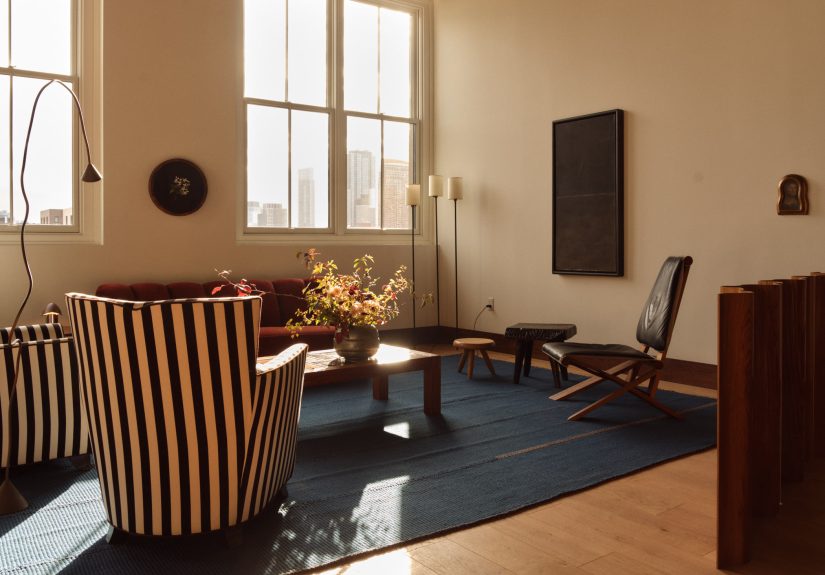
Home décor trends are feeding the craft boom in a big way. People still want beautiful rooms, but they are increasingly suspicious of homes that look like they were assembled by a team of robots trained on beige. The current preference leans toward character: visible brushstrokes, handmade pottery, repaired textiles, layered fabrics, imperfect finishes, thrifted flips, and DIY pieces that look collected instead of cloned.
This is where two strong impulses meet. The first is affordability: people want expensive-looking style without expensive-looking invoices. The second is emotional authenticity: they want rooms that reveal a person, not just a product feed. DIY décor satisfies both. A hand-painted frame, a stitched pillow, a reworked lampshade, or a visible-mending patch on a favorite textile adds story where mass retail usually adds sameness.
The buzz around “dupe” culture has matured here. It is no longer just about copying a pricey look. It is about translating inspiration into something more personal, more useful, and often more charming than the original. Perfection is out. Character is in. Frankly, the walls look relieved.
7. Skill Stacking and the Return of Useful Craft
One of the smartest phrases to emerge from current trend reporting is skill stacking. It captures the growing interest in crafts that build visible ability over time: sewing, knitting, needlepoint, quilting, mending, garment adjustment, pattern work, and other hands-on skills that reward patience. This is not craft as random dabbling. It is craft as competence.
That matters because many people no longer want only a cute result. They want a craft that teaches them something. They want hobbies that can deepen, not just decorate. Sewing a hem, repairing a sweater, finishing a quilt, or mastering a new stitch offers a particular kind of confidence. You do not just make an object. You become a person who knows how to do a thing.
The quilting world especially shows how powerful that can be. Even as the market evolves, quilting remains a major force in the U.S. craft economy because it combines artistry, tradition, utility, and community. It is proof that “traditional craft” is not a synonym for outdated. Very often, it is the blueprint for what comes next.
What These Trends Say About Consumers
Put all these obsessions together and a clear picture emerges. Today’s craft consumer is not looking for just one thing. They want creativity that feels:
- Personal, because identity matters
- Tactile, because digital life is exhausting
- Meaningful, because disposable stuff is losing its sparkle
- Affordable, because budgets are real
- Social, because making things with people beats scrolling near them
- Useful, because practical skills feel empowering
That is why current handmade trends feel bigger than aesthetics. They are really about behavior. People are choosing activities that create memory, skill, and atmosphere at the same time. They are not just buying supplies. They are buying a better afternoon.
Why the Craft Report Matters for Brands, Retailers, and Makers
For businesses, the lesson is simple: craft trends are no longer a narrow niche. They are a live signal of how people want to spend, gather, gift, and decorate. Products that win right now tend to be beginner-friendly, customizable, texture-rich, emotionally resonant, and easy to share in both real life and online. Kits, classes, starter bundles, seasonal keepsakes, memory-making projects, and décor with visible handwork all align with where the market is going.
Small makers have an advantage here because authenticity cannot be mass-manufactured on command. Independent sellers who understand story, texture, personalization, and emotional utility are especially well positioned. The products that feel warmest often win. Not because they are flawless, but because they do not look like everyone else’s.
The Experience of Crafting Right Now: A 500-Word View From the Table
To understand the current craft obsession, it helps to picture the scene. Not the polished version with perfect daylight and color-coordinated thread spools lined up like tiny soldiers. The real one. A table with scraps of paper, a half-finished project, a mug that has gone cold, a pencil with no eraser, and a sense that something in your brain has finally unclenched.
That is the thing people keep coming back for. The emotional texture of crafting is different from almost every other modern pastime. It asks for attention, but not the frantic kind. It offers progress, but not the corporate kind. You can spend forty minutes stitching a line, sorting charms, gluing a scrapbook page, or arranging a miniature shelf, and at the end you have not merely consumed time. You have converted it.
There is also a satisfying honesty to the process. Crafting makes room for imperfection in a way daily life often does not. The crooked seam, the slightly uneven paint edge, the lopsided bow, the patch that is not centered but somehow looks better because it is not centeredthose details become proof of contact. Someone was here. Someone touched this. Someone tried. That can feel weirdly radical in a culture full of polished surfaces and effortless branding.
For many people, the experience is deeply social even when it happens alone. A quilt square can carry the memory of who taught you. A recipe card tucked into a journal can feel like a conversation with a grandmother. A craft night with friends can create the kind of low-pressure joy that is hard to manufacture elsewhere. Even solo projects often connect you to a larger chain of makers, tutorials, traditions, and shared enthusiasm. The project may sit on your kitchen table, but it rarely feels isolated.
Then there is the delight factor, which should not be underestimated. A tiny baguette charm. A hand-embroidered napkin. A scrapbook page with a ridiculous sticker that somehow makes the whole spread work. A visible mending patch that turns a flaw into the best part of the sweater. Crafting gives adults permission to enjoy small things with full sincerity, and that might be one of its greatest strengths. It resists the idea that everything worthwhile must be optimized, monetized, or turned into a personal brand by Tuesday.
In the end, the experience of crafting right now feels like a mix of comfort and possibility. It is comforting because it uses the hands, steadies the mind, and makes space for repetition. It is full of possibility because every project suggests another one. Finish a journal, and suddenly you want to make custom tags. Sew a pillow, and now you are considering curtains like a person who has gone too far but is having an excellent time. That is the magic of the current craft moment. It starts as a hobby, but very quickly it becomes a way of seeing.
Conclusion
The current craft obsession is not random, and it is not going away anytime soon. It reflects a wider cultural shift toward analog living, tactile beauty, skill-building, thoughtful gifting, and homes that feel personal rather than programmed. From miniatures and memory-keeping to crochet, charm culture, and DIY décor, today’s biggest creative trends share one core idea: making things by hand still matters, maybe more than ever.
That is the real takeaway from Current Obsessions: The Craft Report. People are not only crafting to pass the time. They are crafting to shape identity, calm their minds, connect with others, save money, decorate with character, and create objects that carry actual feeling. Not bad for a table covered in paper scraps and yarn fuzz.