Table of Contents >> Show >> Hide
- The Timeline: From Restructuring to “Going-Out-of-Business”
- Why JOANN Ended Up Back in Chapter 11 So Fast
- What the Bankruptcy Meant for Shoppers (In Plain English)
- What It Meant for Employees and Communities
- How the Process Worked: Stalking Horse Bids, Auctions, and Liquidation
- Where the JOANN Brand Went After the Stores Closed
- What the JOANN Collapse Says About Retail in 2025
- If You Were a JOANN Regular: Practical Next Steps
- Experiences From the JOANN Bankruptcy Era (500+ Words)
- Conclusion
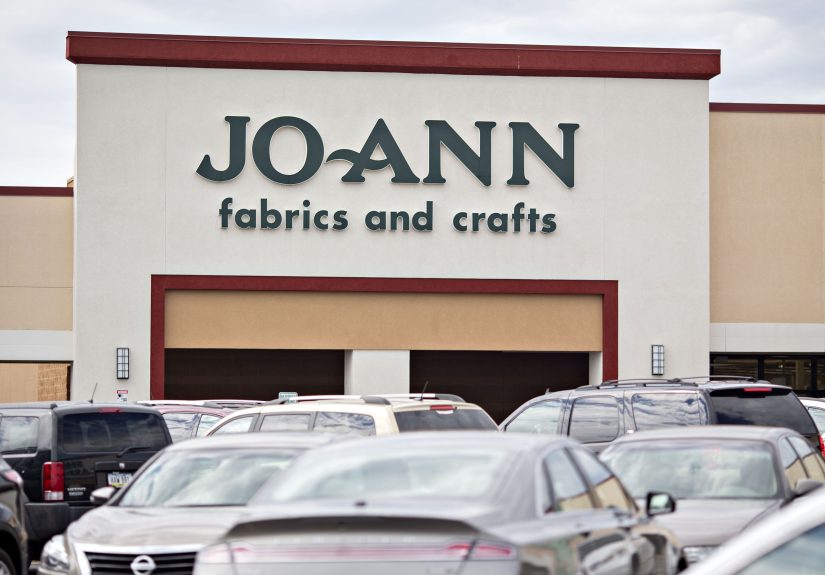
If you’ve ever dashed into JOANN with a crumpled coupon in one hand and Big Plans™ in the other, the company’s bankruptcy headlines probably felt personal. In January 2025, the Hudson, Ohio–based crafts and fabrics retailer filed for Chapter 11 bankruptcy protection in Delawareits second filing in less than a year. And that filing didn’t just mean some courtroom paperwork and a fresh logo on the website. It kicked off a fast-moving chain of events that ended with liquidation and the closure of all stores by late May 2025, leaving millions of U.S. crafters asking the same question: “Where am I supposed to touch fabric in real life now?”
This article breaks down what happened, why it happened, and what the JOANN story tells us about modern retailplus a very human, boots-on-the-linoleum look at how customers and employees experienced the shutdown.
The Timeline: From Restructuring to “Going-Out-of-Business”
JOANN’s bankruptcy story is easiest to understand as a short timeline with a long backstory:
- March 18, 2024: JOANN files a Chapter 11 case to restructure its balance sheet.
- April 30, 2024: The company exits bankruptcy as a private company, with a court-approved plan that eliminated about $505 million in debt and aimed to keep stores open.
- January 15, 2025: JOANN files for Chapter 11 again, citing continuing challenges including inventory problems; the company says stores will remain open during the process while it pursues a sale.
- February 12, 2025: JOANN announces plans to close about 500 stores (more than half its footprint) as part of the bankruptcy process.
- February 24, 2025: After failing to find a buyer willing to keep the business operating, JOANN says it will close all stores and move forward with asset sales and liquidation.
- March 6, 2025: GA Group announces liquidation sales commencing nationwide, following a court-approved auction process.
- May 30, 2025: JOANN stores complete closures, prompting widespread online “end of an era” reactions from crafters.
- June 5, 2025: Michaels announces it has completed acquisition of JOANN’s intellectual property and private label brands (including popular yarn brands), bringing parts of the JOANN brand into a competitor’s orbitwithout the stores.
Why JOANN Ended Up Back in Chapter 11 So Fast
Bankruptcy rarely happens because of one bad year. It’s usually a pile-up: debt, demand shifts, operational constraints, and a retail environment that doesn’t forgive slow adaptation. In JOANN’s case, public reporting and court-linked disclosures pointed to a particularly punishing combination of inventory instability, soft demand, and high fixed costs.
1) The “pandemic crafting boom” didn’t last forever
Early-pandemic DIY enthusiasm boosted many hobby retailers. But when consumer behavior swung back toward services, travel, and general belt-tightening, discretionary categorieslike fabric and seasonal décorgot squeezed. That swing matters for a retailer with hundreds of large-format stores and rent that doesn’t care whether the rotary cutters are flying off the shelves this week.
2) Inventory shortages are retail kryptonite
JOANN’s second filing explicitly cited inventory-related problems. And this isn’t a minor inconvenienceif you’re a fabric retailer and you can’t keep thread, yarn, basics, and core fabric lines consistently stocked, customers don’t “wait it out.” They switch stores or shop online, and once that habit forms, it’s hard to win back. Reuters reported that JOANN pointed to inventory shortages and continued supply disruptions as major drivers of its return to bankruptcy.
3) The math got ugly: debt, rent, suppliers
By the time JOANN moved toward full closure, reported figures illustrated how expensive it is to keep a national craft chain running. Reuters reported that as of January 2025 JOANN had hundreds of millions in inventory and debt, thousands of employees, significant monthly rent costs, and substantial amounts owed to suppliers. When inventory is constrained and sales are declining, those obligations become a visetightening every month.
4) Restructuring can buy time, not guarantee a turnaround
In April 2024, a Delaware bankruptcy judge approved a plan that eliminated about $505 million in debt and aimed to keep stores open. That’s a meaningful reset, and the company did emerge as private. But restructuring doesn’t automatically fix merchandising execution, supply consistency, or the need to invest in competitive pricing, staffing, and customer experience. If those problems remainor worsenbankruptcy becomes a revolving door.
What the Bankruptcy Meant for Shoppers (In Plain English)
“Bankruptcy” sounds like a store instantly goes dark, but Chapter 11 is often designed to keep a business operating while it restructures or sells. In JOANN’s January 2025 filing, the company said it would continue serving customers in stores and online during the court-supervised process.
Gift cards, returns, and the “read the signs” era
Practical reality during a retail bankruptcy is messy: policies can change quickly, and liquidation operators may impose different rules. When JOANN announced it would close all stores, Reuters reported gift cards would be honored only through a specified date in late February 2025. If you’ve lived through any going-out-of-business sale, you know the routine: “all sales final,” fewer coupons honored, and a lot of deeply discounted items that suddenly look like treasure because… well, scarcity does that to humans.
Why the shelves looked weird
People expect liquidation to mean “everything is 80% off and still fully stocked.” In reality, liquidation usually means the opposite: popular basics vanish first, the aisles get patchy, and you end up choosing between 12 yards of neon tulle or a single lonely zipper in an “assorted notions” bin. That unevenness can be a symptom of supply constraints before liquidation and of fast sell-through during liquidation.
What It Meant for Employees and Communities
It’s easy to talk about “stores” like they’re just square footage. But stores are also paychecks, routines, and social hubsespecially in categories like crafting, where people ask advice, compare patterns, and show strangers photos of their dog in a handmade sweater (as they should).
Reuters reported JOANN had a workforce in the tens of thousands and operated across 49 states during the 2025 process. When a chain that size collapses, the ripple effects include layoffs, reduced foot traffic for neighboring retailers, and fewer in-person options for sewing teachers, quilting guilds, theater costume departments, and community groups that rely on accessible supplies.
Even beyond employment, there’s a “retail access” issue: in many towns, JOANN was the only large fabric destination within a reasonable drive. Losing it doesn’t just change where people shopit changes whether certain hobbies feel doable at all.
How the Process Worked: Stalking Horse Bids, Auctions, and Liquidation
If you’ve never read a bankruptcy headline without your eyes glazing over, here are the key conceptsno law degree required.
Stalking horse bidder: the “baseline offer”
When a bankrupt company pursues a sale, it often lines up a “stalking horse” bidderan initial offer that sets the floor and can attract higher bids. JOANN’s January 2025 announcement described a court-supervised sale process with Gordon Brothers serving as the stalking horse bidder.
Auctions and asset sales: turning a retailer into a pile of parts
When a retailer can’t find a buyer to keep operating, the “value” becomes inventory, leases, fixtures, brands, and IP. Reuters reported that JOANN would sell assets to a buyer group that included its lenders and GA Group as it prepared for going-out-of-business sales. GA Group later announced it would serve as the exclusive agent to monetize substantially all assets following a court-approved auction, and that liquidation sales would commence nationwide.
Why liquidation can feel sudden
Retail bankruptcy timelines move fast because retail burns cash fast. A long, uncertain court process can scare suppliers, spook customers, and drain liquidity. That’s why you often see a quick pivot from “we’re restructuring” to “we’re liquidating” when a going-concern buyer doesn’t materialize.
Where the JOANN Brand Went After the Stores Closed
“JOANN is gone” isn’t quite the full story. The stores closed, but parts of the brand lived on. In June 2025, Michaels announced it completed acquisition of JOANN’s intellectual property and private label brands (including JOANN’s yarn brands). The Associated Press reported Michaels planned to expand its fabric, sewing, and yarn offeringsexplicitly targeting former JOANN customerswhile the transaction details weren’t disclosed.
Translation: the JOANN name and beloved house brands didn’t vanish into the void; they migrated. But the unique JOANN experiencethe aisles of bolts, the “one more notion” impulse buy, the staffer who knows exactly which interfacing won’t betray your blazerdidn’t come with it.
What the JOANN Collapse Says About Retail in 2025
JOANN’s story is a case study in how modern retail punishes weak links:
- If inventory is unreliable, customers leaveeven loyal ones.
- If fixed costs are high, a sales dip quickly turns existential.
- If a turnaround plan is mostly financial, it may not fix the day-to-day operational issues that actually drive repeat visits.
And there’s a broader consumer truth underneath it all: people love crafting, but they’re also busy, price-sensitive, and increasingly comfortable shopping online. A store can’t survive on nostalgia alonenot even when nostalgia is sold by the yard.
If You Were a JOANN Regular: Practical Next Steps
With the chain’s stores closed, the key question is how to rebuild your supply routine without losing your mind (or your stitch count). Here are practical strategies that real crafters have leaned on since the shutdown:
1) Re-create the “touch-and-compare” experience
- Local fabric shops: Often pricier than big-box, but you get expertise, higher-quality notions, and staff who actually know what “drape” means.
- Quilt shops: Ideal for cottons, batting, rulers, and classesespecially if you want community as much as fabric.
- Big-box craft competitors: Michaels’ expansion into fabric and JOANN private labels is a direct attempt to fill the gap.
2) Get smarter about online ordering
- Order swatches when possible (many online fabric sellers offer them) to avoid “surprise polyester” syndrome.
- Standardize your basics: Find a thread brand and interfacing you trust so you’re not reinventing the wheel each project.
- Track dye lots for yarn and fabric when matching matters.
3) Don’t underestimate secondhand supplies
Estate sales, thrift stores, and online resale marketplaces can be gold mines for patterns, tools, and stash fabricespecially now that more people are de-stashing after panic-buying during liquidation season. You might not find the exact zipper you need today, but you’ll definitely find a mysterious bag of buttons that feels like it came from a time-traveling aunt.
Experiences From the JOANN Bankruptcy Era (500+ Words)
The most striking thing about JOANN’s bankruptcy wasn’t the legal languageit was the emotion in the parking lots. For many shoppers, a JOANN run wasn’t just an errand. It was a ritual: park, inhale that unmistakable blend of cotton and craft glue, then wander the aisles until a “quick stop” turned into a full quest. When the January 2025 filing hit the news, some customers responded the way humans always do when they hear “limited time”: they went to the store “just to check.”
In some towns, people treated the first weeks like a cautious watch-and-wait. Stores were still open, and the company had said it would keep serving customers during the process. But once store-closure plans were announced in February, the mood shifted from “maybe it’ll be fine” to “okay, this is real.” You’d see customers carrying bolts like they were adopting themone arm hooked around fleece, the other balancing a stack of patterns and a basket of notions “because I might need them.” There was a strange camaraderie in line: strangers swapping project plans, recommending rotary cutters, and joking that they were finally going to sew the curtains they’ve been talking about since 2019.
For employees, the experience was often a mix of professionalism and grief. A store associate might be helping someone match thread for a wedding dress alteration while quietly absorbing the fact that their own job was on a countdown. Reuters reported JOANN’s workforce spanned tens of thousands across 49 states during the wind-down. In many places, staff became unofficial therapists: “Yes, I’m sorry.” “No, we don’t know the exact last day yet.” “Yes, the sale signs will keep changing.” “No, we can’t check the back; the back is basically Narnia right now.” And behind the humor was a harder truth: liquidation turns retail into controlled chaosless staff, fewer supplies, more questions, and constant repricing.
Then there were the community ripple effects. Sewing teachers talked about rewriting class supply listsbecause “just get it at JOANN” was no longer a plan. Theater costume folks and school clubs started building spreadsheets of alternatives: where to get muslin, where to find affordable zippers, which store carries interfacing that won’t bubble like a bad pancake. Quilters who used JOANN for backing fabric suddenly had to choose between driving farther, paying more, or learning to buy online without being able to feel the fabric first.
When the full closure announcement cameafter the sale process failed to produce a buyer to keep operatingmany customers described the feeling as oddly similar to losing a neighborhood landmark. Social media filled with tributes: photos of half-finished projects, memories of learning to sew with a parent or grandparent, jokes about “the coupon drawer,” and sincere thanks to employees who saved last-minute Halloween costumes more times than anyone can count. By the time the last store closures arrived at the end of May 2025, online reactions took on a collective “we didn’t know how much we needed this place until it was gone” tone.
And yet, crafters did what crafters always do: they adapted. Some migrated to independent shops and found community classes they didn’t know existed. Others shifted online and got surprisingly good at ordering swatches and reading fiber content like it’s a thriller novel. And when Michaels acquired JOANN’s intellectual property and private labels, many shoppers felt a cautious optimismhope that familiar products might resurface, even if the original aisles never return. The projects didn’t stop. The supply map changed.
Conclusion
JOANN’s bankruptcy wasn’t just a business headline; it was the collapse of a nationwide crafting infrastructure. The company tried a rapid restructuring in 2024, returned to Chapter 11 in January 2025, and ultimately moved to liquidation when a going-concern buyer didn’t appearleading to closures by late May 2025. The aftermath is complicated: jobs lost, communities disrupted, and a major “fabric access” gap in many regions. But it’s also a reminder that crafting culture is resilient. Stores may close; creativity reroutes.