Table of Contents >> Show >> Hide
- Table of Contents
- Quick Verdict
- Why Humidity Matters (and How Much Is Too Much)
- Cool Mist Humidifiers: Pros, Cons, and Best Uses
- Warm Mist Humidifiers: Pros, Cons, and Best Uses
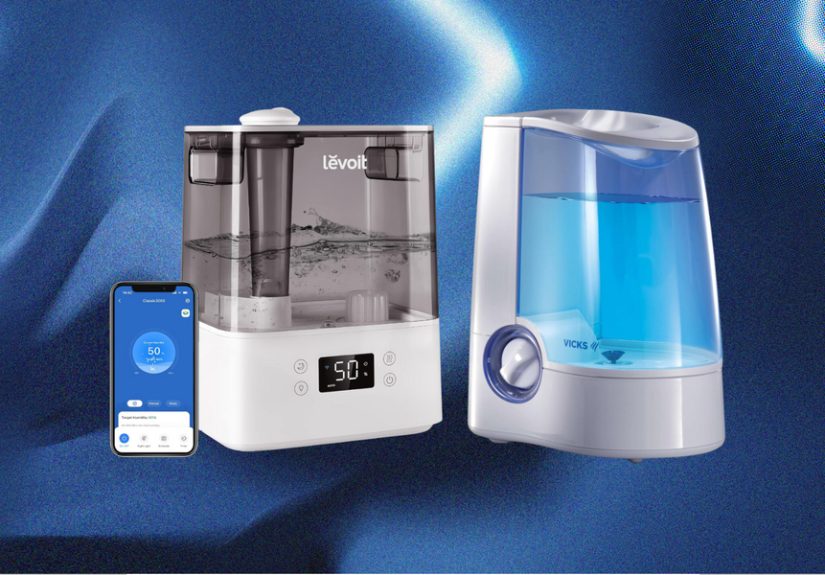
- Cool Mist vs Warm Mist: Head-to-Head Comparison
- 1) Safety (kids, pets, clumsy adults, and gravity)
- 2) “Which one works better?” (Spoiler: humidity is humidity)
- 3) Germs and gunk: the cleaning reality
- 4) White dust and hard water
- 5) Cost to run (energy use)
- 6) Noise (sleep matters; you deserve it)
- 7) Room size and “how fast it feels like it’s working”
- 8) Comfort vibe (the highly scientific “does this feel nice?” metric)
- Which One Should You Buy?
- How to Use Any Humidifier Safely (Without Growing a Science Project)
- Common Mistakes to Avoid
- Conclusion
- Extra: Real-Life Experiences & “Stuff People Don’t Tell You”
Dry air has a special talent: it makes your skin feel like parchment, your sinuses feel like a desert,
and your sleep feel like a low-budget horror movie (starring: scratchy throat).
A humidifier can helpbut choosing between cool mist and warm mist
can feel like picking a side in a fanbase war you didn’t sign up for.
Let’s settle it with real-world logic: safety, cleaning, comfort, cost, and what actually fits your
homewhether you’re soothing a baby’s stuffy nose, trying not to trigger allergies, or just trying to
stop waking up feeling like you swallowed a handful of cotton balls.
Quick Verdict
Both cool mist and warm mist humidifiers add moisture to the air effectively.
The “better” one depends on your household and priorities:
-
Choose a cool mist humidifier if you have kids, pets, want
lower energy use, or need a unit for year-round use. -
Choose a warm mist humidifier if you want a cozier feel in a small room
and like the idea of boiled water (steam)and you can keep it safely out of reach.
If you’re buying for a nursery or anywhere tiny hands can wander, the safest default is usually
cool mist.
Why Humidity Matters (and How Much Is Too Much)
Humidifiers don’t “treat” the world’s problems. They do one job: raise indoor relative humidity.
When the air is too dryoften in winter with indoor heatingyour body notices fast:
chapped lips, dry throat, irritated nasal passages, and skin that suddenly needs a full skincare routine
just to feel normal.
The sweet spot: aim for comfort, not a rainforest
Most health and indoor air guidance points to keeping indoor humidity in the neighborhood of
30%–50%. Below that, dryness can feel miserable. Above that, you risk encouraging
mold and inviting dust mites to throw a party on your bedding.
(They do not bring snacks. They bring allergens.)
Practical move: grab a hygrometer (humidity gauge). It’s the simplest way to stop guessing
and start knowing whether you need more moistureor less.
Cool Mist Humidifiers: Pros, Cons, and Best Uses
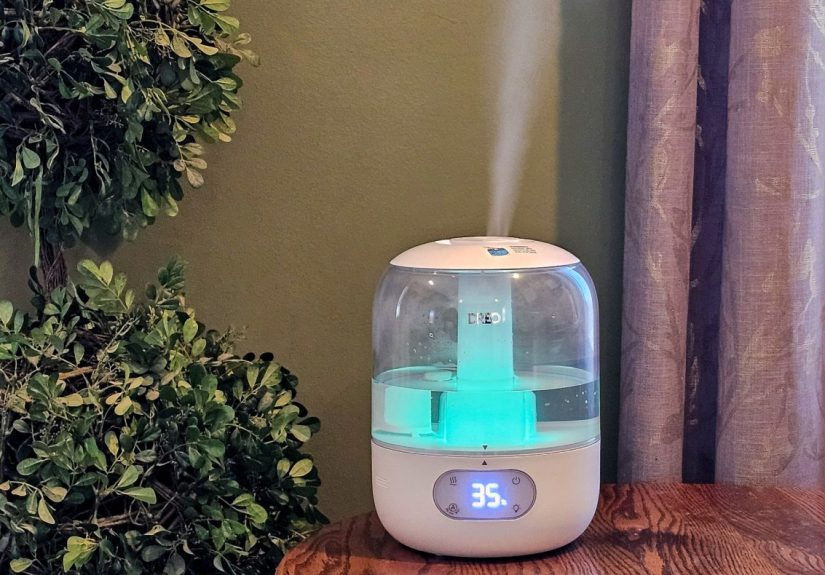
“Cool mist” isn’t one single technologyit’s a family of humidifiers that release room-temperature
moisture into the air without heating water to steam.
Common cool mist types
-
Ultrasonic humidifiers: use high-frequency vibrations to create a fine mist. Typically
quiet (great for sleep), often compact, and popular for bedrooms. -
Evaporative humidifiers: use a fan to blow air through a wet wick/filter. They’re often
good for larger spaces, and they tend to be more forgiving with mineral “white dust.”
Why people love cool mist
- Safer around kids and pets (no hot steam, no hot-water tank waiting to be tipped).
- Lower electricity use compared with units that boil water.
- More comfortable in warm climates or year-round use (it doesn’t heat the room).
- Quiet options are widely available, especially ultrasonic models.
The trade-offs (aka: what nobody puts on the front of the box)
-
“White dust” risk (especially ultrasonic): If you use hard tap water, minerals can be
dispersed and settle on surfaces as a fine white powder. Distilled water helps a lot. -
Cleaning still mattersa lot: Any humidifier can become gross if you let water sit,
skip cleaning, or run it like a 24/7 fog machine. -
Evaporative models can be noisier: The fan adds a soft whoosh that some people love
and others side-eye at 2:00 a.m.
Warm Mist Humidifiers: Pros, Cons, and Best Uses
Warm mist humidifiers (often called steam vaporizers) heat water until it turns into steam,
then release that moisture into the air. Think: tiny, controlled kettleminus the tea.
Why warm mist feels great (sometimes)
-
Comfort factor: The gentle warmth can feel soothing in winter, especially in a small
bedroom where cold air hits you like a slap. -
Potentially fewer live microbes in the mist: Boiling water can reduce germs in the water
that becomes steam (though the unit still must be cleaned regularly). -
No fan needed: Many warm mist units don’t rely on a fan, so they can be relatively quiet
(though some make a soft bubbling sound).
The big drawbacks
-
Burn risk: Hot water and hot steam can cause serious burns if the unit is knocked over
or touched. This is the deal-breaker for many families with kids or pets. - Higher energy use: Heating water takes more power than vibrating it or evaporating it.
-
Not ideal for warm rooms or warm climates: Adding heat when you’re already sweating is
a weird flex.
Cool Mist vs Warm Mist: Head-to-Head Comparison
1) Safety (kids, pets, clumsy adults, and gravity)
If there’s even a small chance the humidifier will be within reachor could be knocked overcool mist
is usually the safer choice. Warm mist models carry a burn risk from hot water and steam.
In real homes, accidents don’t schedule appointments.
2) “Which one works better?” (Spoiler: humidity is humidity)
The main goal is raising indoor humidity. In many everyday situations, both types can do that well.
What changes is how they deliver moisture, how they feel in the room, and how much maintenance you’re
willing to do without becoming a part-time appliance janitor.
3) Germs and gunk: the cleaning reality
Warm mist has an advantage in that boiling water can reduce microbes in the water that becomes steam.
But don’t let that lull you into neglect. Mineral scale and leftover residue can still build up.
Cool mist units, especially ultrasonic, can spread whatever is in the tankso the habits matter:
fresh water, regular cleaning, and letting parts dry.
4) White dust and hard water
If you’ve ever run an ultrasonic humidifier with hard tap water and wondered why your dresser looks like
it got lightly dusted with powdered sugar… that’s likely mineral residue.
The fix is simple and annoyingly effective: use distilled water (or other low-mineral water),
and clean scale before it becomes a permanent roommate.
5) Cost to run (energy use)
Cool mist units typically use less electricity because they don’t heat water to boiling.
Warm mist units can cost more to operate, especially if you run them for long stretches.
If your winter budget already includes “heating bill shock,” this matters.
6) Noise (sleep matters; you deserve it)
- Ultrasonic cool mist: usually very quiet; great for light sleepers.
- Evaporative cool mist: noticeable fan sound; soothing to some, annoying to others.
- Warm mist: often quiet, but may bubble or hum due to heating.
7) Room size and “how fast it feels like it’s working”
Bigger spaces usually need higher output and good circulation. Evaporative cool mist models often do well here.
Warm mist can feel cozy in smaller rooms, but output depends heavily on the model and how long you run it.
The best approach: match the humidifier’s rated coverage to your room size, and verify with a hygrometer.
8) Comfort vibe (the highly scientific “does this feel nice?” metric)
Cool mist feels neutral and is more comfortable when it’s already warm indoors.
Warm mist can feel soothing in winterlike the air got a tiny sweater.
Your climate and heating setup will push you toward one or the other.
Which One Should You Buy?
If you have a baby or young children
In most households, cool mist is the safer default because it avoids burn risks.
Keep the unit out of reach, place it several feet from the bed/crib, and monitor humidity so you don’t
overdo it. If your goal is comfort during colds, remember: a humidifier supports easier breathing
by easing drynessit’s not a cure-all, and cleaning matters.
If allergies or asthma are in the picture
Humidity is a balancing act. Too low feels bad; too high can encourage mold and dust mitescommon allergy triggers.
If you’re prone to allergies/asthma, staying in the 30%–50% range matters even more.
Choose the type you can keep clean consistently, and consider distilled water to reduce mineral buildup.
If you have hard tap water
You can use cool mist, but you’ll want to be strategic. Ultrasonic models can disperse minerals and create
“white dust.” The easiest upgrade is distilled water. If that feels like a lifestyle change,
an evaporative cool mist model is often more forgiving with minerals (though you’ll still clean and
replace filters/wicks).
If you mainly want winter coziness in a small bedroom
Warm mist can feel nice in a small spacejust be strict about placement and safety. If there are kids or pets,
cool mist is usually the calmer choice.
If you want the simplest “set it and forget it” experience
Here’s the truth: no humidifier is truly set-and-forget. Water plus time equals buildup.
Your best bet is a model with a design you’ll actually clean: easy-to-open tank, accessible parts,
and clear instructions. Convenience is a health feature.
A smart compromise: dual-mist humidifiers
Some humidifiers offer both cool and warm mist modes. If you want flexibility (cool mist most of the time,
warm mist occasionally), this can be a practical middle groundassuming you’ll still follow safe placement and
cleaning routines.
How to Use Any Humidifier Safely (Without Growing a Science Project)
1) Aim for 30%–50% humidity
Use a hygrometer. Many people accidentally over-humidify, then wonder why windows sweat and musty smells show up.
If you see condensation on windows or damp spots, dial it back.
2) Use the right water
Distilled (or otherwise low-mineral) water can reduce mineral deposits and “white dust,” especially with ultrasonic humidifiers.
It also helps keep the machine cleaner over time, which makes you more likely to clean it (because it’s not disgusting).
3) Refresh water daily
Empty the tank, rinse, and refill with fresh water. Letting water sit for days is like sending microbes a handwritten invitation.
4) Clean regularlyand let it dry
Follow the manufacturer’s cleaning instructions. In general, regular cleaning and allowing the unit to air dry
helps reduce microbial growth. If your humidifier has filters or wicks, replace them on schedule.
5) Place it strategically
- Keep it on a stable, water-resistant surface (nightstand on carpet is a bold choice).
- Position it several feet away from beds and cribs so mist doesn’t constantly saturate one spot.
- Keep cords and units out of reach of kids and pets.
Common Mistakes to Avoid
- Running it nonstop without measuring humidity: That’s how you end up with damp walls and mold risk.
- Ignoring scale buildup: Mineral crust can make the unit harder to clean and less hygienic over time.
- Using hard tap water in ultrasonic humidifiers: Hello, white dust. Distilled water is your friend.
- Skipping cleaning because “it looks fine”: The bacteria and fungi you don’t see are the whole problem.
- Choosing warm mist in a kid/pet chaos zone: Hot water plus gravity plus curiosity is not a great combo.
Conclusion
The best humidifier isn’t the one with the fanciest marketing copyit’s the one that fits your household safely
and gets cleaned often enough to stay helpful.
Cool mist humidifiers are usually the go-to for families, bedrooms, and anyone prioritizing safety and lower operating costs.
Warm mist humidifiers can feel cozy in a small winter room and may appeal if you like steam-based humidification,
but they demand stricter safety habits.
Whichever you choose, the winning formula is the same: keep humidity in the comfort zone, use cleaner water when possible,
and treat cleaning like brushing your teethannoying, quick, and dramatically better than the alternative.
Extra: Real-Life Experiences & “Stuff People Don’t Tell You”
Let’s talk about the part that doesn’t show up in tidy product descriptions: what living with these machines
actually feels like. Not the “7-in-1 aromatherapy galaxy nightlight wellness ecosystem” fantasyjust the normal
human reality where you’re half-awake, stepping on a Lego, and trying to remember if you refilled the tank.
Cool mist life: the invisible helper (until it isn’t)
In day-to-day use, cool mist humidifiers often fade into the background, which is exactly what you want.
A quiet ultrasonic model can be so subtle you’ll forget it’s runninguntil you notice your throat isn’t scratchy
in the morning. That’s the best-case scenario: comfort improvements without any drama.
The drama usually arrives as maintenance. People commonly report that the first week is magical,
the second week is “still great,” and the third week is when somebody says, “Why does it smell… damp in here?”
That’s not a humidifier problemit’s a human problem. Water devices require routines.
The simplest rhythm many households end up liking is: dump and refill daily, clean on a predictable schedule,
and let parts dry fully. It’s not glamorous, but neither is coughing at 3 a.m.
Then there’s white dust. If you live somewhere with hard water, ultrasonic cool mist units can
leave that fine mineral powder on furniture. The experience is weirdly specific: you wipe your nightstand,
turn around, and it’s back like it pays rent. People who switch to distilled water usually describe it as
“annoying but worth it,” which is basically the official slogan of adulthood.
Evaporative cool mist: the gentle whoosh
Evaporative cool mist humidifiers have their own personality: they often sound like a small fan (because they are).
Some sleepers love thissteady, consistent, “my brain thinks it’s rainfall” vibes. Others find it just loud enough
to be irritating. The trick is placement and speed settings. In many homes, low-to-medium fan speed becomes the
sweet spot: enough moisture to matter, not enough noise to start a feud.
The trade-off is filter or wick care. Many people say they don’t mind replacing a wick if it means less white dust,
but they do mind when they forget to replace it and the unit’s output drops. (This is why calendar reminders exist.)
Warm mist life: cozy steam, stricter rules
Warm mist humidifiers have a “tiny kettle” vibe that can feel comforting in winterespecially in small bedrooms.
People often describe the air as feeling softer or warmer, even if the actual humidity target is similar.
There’s also a psychological effect: seeing steam can make it feel like the unit is “working,” which is oddly satisfying.
But warm mist comes with a stricter household contract: placement is non-negotiable.
In real homes, things get bumped, cords get tugged, and pets sometimes do parkour at night for reasons science can’t explain.
If there’s any chance of tipping or touching, warm mist becomes a risk you don’t need.
In kid-heavy households, many people simply avoid warm mist for peace of mindand honestly, that’s a great reason.
The “I wish someone told me this” checklist
-
Humidity can sneak up on you: You might not feel the difference between 45% and 55% right away,
but your windows will. Condensation is your clue to dial it back. -
Easy-to-clean design beats fancy features: A humidifier that’s a pain to open will eventually be
“cleaned later,” which turns into “never,” which turns into “why am I coughing?” - Distilled water is a quality-of-life upgrade: Less scale, less dust, less scrubbing.
- Consistency wins: A modest humidifier used correctly is better than a powerful one you avoid cleaning.
Bottom line from the “living with it” perspective: cool mist tends to be the easiest long-term fit for most homes,
especially with kids or pets. Warm mist can be lovely in the right setting, but it demands stricter safety habits.
Either way, the real secret isn’t the mist temperatureit’s the routine you can actually stick to.