Table of Contents >> Show >> Hide
- What a Clear Liquid Diet Actually Is (and What It Isn’t)
- Clear Liquids: The “Yes” List and the “Nope” List
- Why Doctors Use a Clear Liquid Diet
- Clear Liquid Diet for Colonoscopy: The Big Show
- Clear Liquid Diet for Diverticulitis: Comfort, Not a Forever Plan
- Other Situations Where Clear Liquids Are Common
- How Long Is Too Long?
- Sample One-Day Clear Liquid Menu
- Practical Tips to Make Clear Liquids More Bearable
- How to Transition Off Clear Liquids (Without Angering Your Gut)
- When to Call Your Clinician
- Wrap-Up: The Takeaway You’ll Actually Remember
- Experiences: What It Feels Like in Real Life (and How People Cope)
- SEO Tags
Medical content note: This article is for general education and doesn’t replace advice from your clinician. If you’ve been given prep or discharge instructions, those instructions winevery time.
What a Clear Liquid Diet Actually Is (and What It Isn’t)
A clear liquid diet is exactly what it sounds like: liquids you can see through (or foods that melt into see-through liquids). It’s not a trendy “reset,” a detox, or a clever way to avoid chewing. It’s a short-term, medically useful tool that helps your digestive system take a breatheror helps your care team see what they need to see.
Think of it like putting your gut on “airplane mode.” You’re still giving your body fluid and a bit of energy, but you’re drastically reducing fiber and solids that leave residue in the intestines. That’s why it shows up in situations like colonoscopy prep, diverticulitis flares, and before/after certain surgeries.
One important reality check: clear liquids are not nutritionally complete. You can do them briefly (often a day or two, sometimes a little longer under medical supervision), but they’re not meant to be a lifestyle.
Clear Liquids: The “Yes” List and the “Nope” List
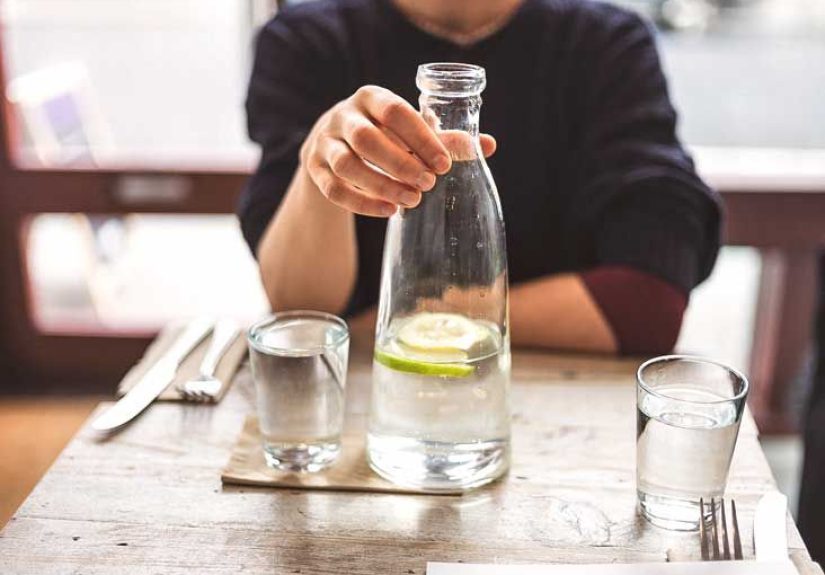
If you’re unsure whether something qualifies, use this simple test: pour it in a glasscan you see through it? If not, it probably doesn’t belong on a clear liquid diet.
Allowed on most clear liquid diets
- Water (plain, sparkling, flavoredjust keep it clear)
- Broth (fat-free, strained: chicken, beef, vegetable, bouillon, consommé)
- Tea or coffee (no milk, no cream, no nondairy creamer)
- Clear juices without pulp (apple, white grape, cranberryfiltered is best)
- Clear sports drinks (great for electrolytes; color rules may applymore on that below)
- Clear sodas (ginger ale, lemon-lime soda)
- Gelatin (no fruit pieces or toppings)
- Ice pops (no fruit pieces, pulp, milk, yogurt, seeds, or nuts)
- Simple sweeteners (honey, sugaroften allowed in small amounts)
- Hard candy (peppermints, lemon dropsif your instructions allow it)
Usually not allowed
- Milk, cream, nondairy creamers
- Smoothies, shakes, protein drinks that are not “clear”
- Juice with pulp (orange juice is a common “no,” even when strained)
- Tomato juice, vegetable juice that isn’t strained and clear
- Soups with solids (no noodles, rice, veggies, or meat chunks)
- Anything you can’t see through
- Alcohol (and it can worsen dehydrationespecially risky during bowel prep)
The color rule (especially for colonoscopy)
For many proceduresespecially colonoscopyyour instructions may say to avoid red and purple liquids or gelatin. Those dyes can linger and may look like blood or inflammation during the exam, making it harder for the clinician to interpret what they’re seeing. Some centers also restrict orange. When in doubt, choose lighter colors like lemon/lime or clear options.
Why Doctors Use a Clear Liquid Diet
Clear liquids show up in medical care for a few big reasons:
- To keep you hydrated when you can’t tolerate solid foods.
- To reduce digestive “work” during acute illness or right after surgery.
- To keep the intestines clear before tests that depend on visibilityhello, colonoscopy.
- To limit residue (fiber and food particles) that can worsen symptoms or interfere with a procedure.
It’s commonly used for short periods with nausea, vomiting, diarrhea, or certain digestive flare-upsand as part of planned prep for GI procedures.
Clear Liquid Diet for Colonoscopy: The Big Show
If you’ve ever heard someone describe colonoscopy prep as “the real procedure,” they’re not totally kidding. The clear liquid diet is only one piece of prep, but it’s a crucial one: the goal is for your bowel movements to become clear and liquid so the doctor can see the lining of the colon accurately.
What the timeline often looks like
Every clinic has its own protocol, but many follow a pattern like this:
- Several days before: You may be told to reduce high-fiber foods (whole grains, nuts, seeds, raw vegetables) so there’s less “leftover” in the colon.
- Day before: Clear liquids only (no solid food), plus your bowel prep laxatives.
- Procedure day: Clear liquids may be allowed up to a cutoff time, then nothing by mouth for a few hours before the procedure. You’ll also need a ride home because sedation is common.
Translation: don’t wing it. Read the instructions like you’re assembling a crib without the extra screws. If something conflicts with this article, trust your medical team’s plan.
How to make the clear-liquid day less miserable
- Alternate salty and sweet: Broth + a sports drink is a classic combo that helps keep electrolytes steady and reduces that “I’m made of air” feeling.
- Keep it cold: Many people tolerate chilled drinks better, especially during bowel prep.
- Use a straw: It sounds silly, but it can help you drink more comfortably (and quicker).
- Set a “sip schedule”: Small, frequent sips all day often feel better than trying to guzzle everything at once.
- Pick colors strategically: If your instructions ban red/purple (or orange), plan ahead so you’re not stuck with the “forbidden fruit punch” you already bought.
Common colonoscopy questions people whisper to the internet at 2 a.m.
“Can I have coffee?” Often yesblack, with no milk or creamer. Some clinics limit coffee timing, so check your instructions.
“Can I have gelatin?” Often yes, but avoid red/purple (and sometimes orange) before colonoscopy.
“Can I drink sports drinks?” Commonly yes, and they’re helpful for electrolytes. Choose colors your clinic allows.
“What about ‘clear’ nutritional drinks?” Some clinics allow certain clear meal replacement drinks (often labeled “clear”). If your instructions list a brand, follow that list.
Clear Liquid Diet for Diverticulitis: Comfort, Not a Forever Plan
Diverticulitis is inflammation (and sometimes infection) of small pouches in the colon. During a flare, you might have pain, fever, and changes in bowel habits. Clinicians sometimes recommend temporarily lowering fiber and “resting” the bowelespecially if symptoms are significant.
Do you always need clear liquids for diverticulitis?
Not always. Some evidence suggests a strict liquid-only approach may not be necessary for every uncomplicated case. Still, many people report feeling better (or at least less aggravated) for a short period on clear liquids when symptoms are intenseespecially if appetite is low or nausea is in the mix. In practice, it’s often used for a day or two, then advanced as symptoms improve.
What you might do during a flare (typical progression)
- Short-term clear liquids: Broth, water, tea/coffee without cream, pulp-free juice, gelatin, ice pops.
- Transition to low-fiber foods: As pain improves, clinicians often recommend adding low-fiber, easy-to-digest foods (think refined grains, tender proteins, well-cooked foods without skins/seeds).
- Return to your usual diet gradually: Once the flare resolves, long-term management often focuses on an overall high-quality diet, commonly including adequate fiber (added slowly, with hydration) if your clinician recommends it.
If you don’t start feeling better within a couple of daysor symptoms worsencontact your healthcare professional. Diverticulitis can become complicated, and that’s not a “tough it out” situation.
Other Situations Where Clear Liquids Are Common
A clear liquid diet might also be used:
- After GI surgery (as your digestive system “wakes up” and tolerates intake again)
- Before certain surgeries or imaging tests that require an empty stomach or minimal residue
- During severe nausea, vomiting, or diarrhea when solids worsen symptoms
- During “bowel rest” plans for specific conditions (your team will guide you)
How Long Is Too Long?
Clear liquids are meant to be short-term. Many people do them for 24 hours during colonoscopy prep, or a day or two during an acute flare (like diverticulitis) before advancing. Longer stretches can increase the risk of not getting enough calories, protein, and nutrients.
If you have diabetes, a clear liquid diet can also throw off blood sugarsometimes upward (from sugary drinks) and sometimes downward (from low overall intake). If diabetes (or kidney, heart, or electrolyte issues) is part of your health picture, plan this with your clinician.
Sample One-Day Clear Liquid Menu
Here’s a realistic day that balances fluids, some energy, and electrolyteswhile staying within typical clear-liquid rules (always follow your specific instructions):
Breakfast
- Black coffee or tea (sweetener allowed if your plan permits)
- Apple juice (no pulp)
- Water
Mid-morning
- Lemon-lime sports drink (non-red/purple)
- Ice pop (no fruit pieces, no dairy)
Lunch
- Strained chicken or vegetable broth
- Gelatin (non-red/purple)
- Water or ginger ale
Afternoon
- Cranberry juice (filtered) or lemonade
- Hot tea
Dinner
- Beef or vegetable broth (fat-free, strained)
- Sports drink or clear soda (as allowed)
- Water
Practical Tips to Make Clear Liquids More Bearable
- Variety prevents “taste fatigue”: Rotate broth, tea, juice, and electrolyte drinks so your brain doesn’t revolt.
- Use broth like a “meal”: Warm, salty broth can feel surprisingly satisfyingespecially when you miss chewing.
- Watch caffeine: Some caffeine is fine for many people, but too much can worsen jitters and dehydration.
- Read labels: “Clear” is not always code for “allowed.” Look for pulp, dairy, and forbidden dyes.
- Medication check: Most people can take many medications with small sips of water, but some meds (especially diabetes meds and blood thinners) may need adjustments before a colonoscopy. Follow your clinic’s guidance.
How to Transition Off Clear Liquids (Without Angering Your Gut)
Coming off clear liquids is not the time to celebrate with a triple-cheese burrito the size of a throw pillow. Your digestive system has been doing the bare minimum, and it appreciates a gentle re-entry plan.
- Step 1: Full liquids or soft foods (if advised): creamy soups (strained), yogurt, pudding, milk-based drinksonly if your clinician says it’s appropriate.
- Step 2: Low-fiber / low-residue foods: refined grains, tender proteins, cooked vegetables without skins/seeds, bananas, applesauce.
- Step 3: Normal eating: gradually expand variety and fiber (especially after diverticulitis), increasing water alongside fiber.
If you’re recovering from diverticulitis, your clinician may recommend adding fiber slowly over time once symptoms have resolvedbecause your gut often tolerates gradual change better than sudden “all the salads, immediately.”
When to Call Your Clinician
Get medical advice promptly if you have:
- Severe or worsening abdominal pain
- Persistent vomiting or inability to keep liquids down
- Signs of dehydration (dizziness, fainting, very dark urine, confusion)
- Severe weakness
- Fever or worsening symptoms during suspected diverticulitis
For colonoscopy prep specifically, call your clinic if side effects keep you from finishing the prepbecause incomplete prep can mean an incomplete exam (and sometimes a repeat procedure).
Wrap-Up: The Takeaway You’ll Actually Remember
A clear liquid diet is a short, strategic pause buttonnot a long-term nutrition plan. It’s used to keep you hydrated, reduce digestive workload, and help clinicians get accurate results for tests like colonoscopy. For diverticulitis and other GI issues, it may help with comfort for a short time, followed by a stepwise return to low-fiber foods and then your usual diet as symptoms improve.
If you’re doing a clear liquid diet because your clinician told you to, follow the specific list and timing you were given. The best “clear liquid diet” is the one that matches your exact medical situationand gets you safely to the next step.
Experiences: What It Feels Like in Real Life (and How People Cope)
Let’s talk about the part no one puts on the instruction sheet: the human experience of living on liquids that are basically “sad tea” and “suspiciously cheerful gelatin.” People’s bodies and schedules differ, but a few common themes show up again and again.
The “This Isn’t So Bad” Morning
Many people say the first half-day feels manageableespecially if they start the day well-hydrated and keep sipping regularly. Warm broth is often the surprise MVP because it feels like food, smells like dinner, and tricks your brain into believing you’re participating in normal life. Folks who do best tend to rotate flavors early, instead of pounding only sweet drinks until everything tastes like regret.
The Afternoon Slump (aka: When Your Stomach Starts Negotiating)
By midday or afternoon, it’s common to feel more tired, a little cold, or mildly cranky. That’s not a moral failurethat’s biology. Your calorie intake is low, and your routine is different. People often report that switching to a “sip schedule” helps: broth every couple of hours, water in between, and an electrolyte drink on standby. If you’re allowed coffee or tea, a modest amount can help with headachesbut too much caffeine can backfire and make you feel worse.
Colonoscopy Prep Night: The Logistics Olympics
If your clear-liquid day includes bowel prep, people often describe the evening as less of a “diet day” and more of a “strategic bathroom planning event.” Practical coping strategies tend to sound unglamorous because they are: staying near home, wearing comfortable clothes, keeping a water bottle nearby, and using only the products and timing your clinic recommends. A common “wish I knew this” moment is realizing that finishing prep as directed matters. People who struggle often say that going slower (as allowed), chilling the solution, and taking small breaks can make it more doable.
Diverticulitis Flares: Clear Liquids as a Comfort Move
During a diverticulitis flare, some people say the clear-liquid phase feels like giving their gut “less to argue with.” Appetite is often low anyway, and liquids can feel safer. What many people find helpful is not trying to stay on clear liquids too long. Once pain improves, gradually adding low-fiber foods can feel like getting your energy back without triggering symptoms. People often describe a “confidence staircase”: broth → soft low-fiber foods → more normal meals, one step at a time.
What People Say They’d Do Differently Next Time
- Shop ahead: Having enough approved options prevents last-minute mistakes (like buying a “red sports drink” you can’t use).
- Balance electrolytes: Alternating broth and electrolyte drinks can reduce the wiped-out feeling.
- Plan distractions: Movies, podcasts, low-effort gamesanything that isn’t “thinking about food.”
- Ask about meds early: Especially for diabetes and blood thinners, people feel calmer when they have a clear plan.
- Transition gently: The “I’m done, give me a cheeseburger” impulse is real, but easing back in is kinder to your gut.
The most consistent takeaway from real-world experience is simple: a clear liquid diet is doable when it’s short, planned, and paired with the right next step. It’s not meant to be funit’s meant to be effective. And for many people, that trade-off is worth it.