Table of Contents >> Show >> Hide
- The Short Answer: Can Cinnamon Help With Weight Loss?
- Why People Think Cinnamon Burns Fat
- What the Research Actually Says About Cinnamon and Weight Loss
- Cinnamon and Blood Sugar: Why This Matters for Appetite and Weight
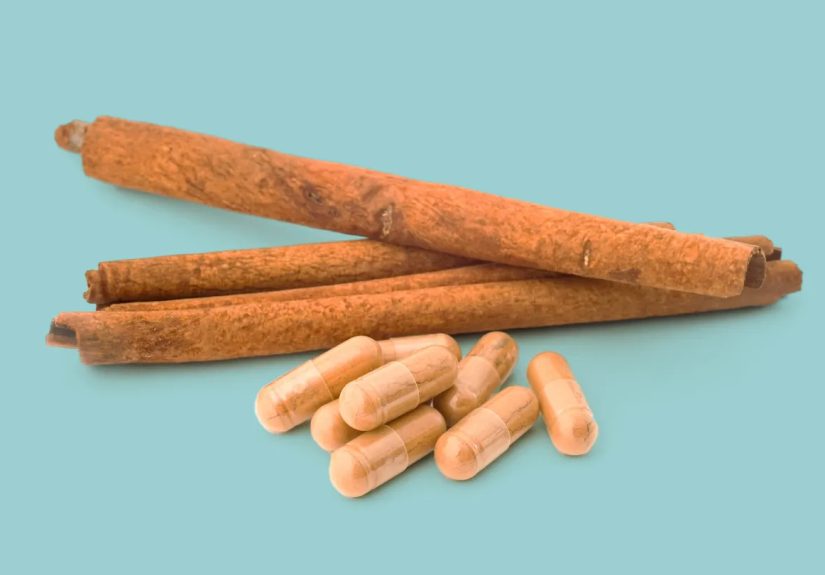
- Food Cinnamon vs. Cinnamon Supplements: Big Difference
- Cassia vs. Ceylon Cinnamon: Why the Type Matters
- Safety: When Cinnamon Can Be a Bad Idea (or Needs a Doctor’s Input)
- What Actually Drives Fat Loss (Spoiler: It’s Not a Single Spice)
- How to Use Cinnamon for Weight Loss (Realistically and Safely)
- Who Might Benefit the Most From Cinnamon in a Weight Loss Plan?
- Final Verdict: Can a Pantry Staple Really Boost Fat Burning?
- Experiences Related to Cinnamon for Weight Loss (Common Patterns People Report)
Cinnamon has a fantastic publicist. It smells like fresh cookies, makes oatmeal taste like dessert, and somehow shows up in every “easy weight loss hack” video on the internet. Sprinkle it on coffee, they say. Add it to smoothies. Take a capsule. Watch belly fat pack its bags.
If only fat loss worked like a magic trick.
The truth is more interestingand a lot more useful. Cinnamon may offer some metabolic benefits in certain people, especially around blood sugar markers, and some studies suggest small changes in body weight or BMI. But cinnamon is not a fat-burning shortcut, and it definitely doesn’t replace a healthy diet, regular exercise, sleep, or medical care.
In this guide, we’ll break down what cinnamon can actually do, what “fat burning” really means, where the hype goes off the rails, and how to use cinnamon safely if you want it in your weight loss plan.
The Short Answer: Can Cinnamon Help With Weight Loss?
Maybe a littlebut not in the way most headlines imply.
Cinnamon may support weight management indirectly by helping some people improve blood sugar control, feel more satisfied with lower-sugar foods, and make healthy meals taste better. Some research reviews have found small reductions in body weight and BMI with cinnamon supplementation. However, the results are mixed, and the average effect is modestnot dramatic.
So if you’re wondering whether cinnamon “boosts fat burning,” the best answer is: not like a miracle supplement, but it may be a helpful supporting player in a bigger lifestyle plan.
Why People Think Cinnamon Burns Fat
The cinnamon-for-weight-loss idea usually comes from a mix of real science, oversimplified social media advice, and wishful thinking (understandablymany of us would love a spice-rack solution).
1) Cinnamon is linked to blood sugar regulation
Cinnamon has been studied for its possible effects on blood glucose and insulin-related markers, especially in people with type 2 diabetes. When blood sugar swings are better controlled, some people experience fewer cravings, less energy crashing, and better appetite management.
That can indirectly help with weight loss behaviors. But “helps behavior” is not the same thing as “melts fat on contact.”
2) It makes healthy food taste better
This is the least flashy reasonand possibly the most practical. Cinnamon adds sweetness perception without adding sugar. It can make plain yogurt, oats, apples, cottage cheese, or coffee taste more satisfying, which may help reduce added sugar intake over time.
In other words, cinnamon may help your diet by making your healthier choices less boring. That’s not glamorous, but it works better than fairy dust.
3) Supplement marketing is very good at being dramatic
A supplement label can make almost anything sound like a metabolic breakthrough. But dietary supplements are not approved by the FDA for safety and effectiveness before they hit the market. That means consumers have to be extra careful about claims, quality, and interactions.
What the Research Actually Says About Cinnamon and Weight Loss
Let’s separate “promising” from “proven.”
Some meta-analyses show small benefits
A few systematic reviews and meta-analyses of randomized controlled trials have found that cinnamon supplementation was associated with small improvements in body weight and BMI. For example, published analyses reported average reductions that were statistically significant but modest in size (roughly around 1 kilogram of body weight and small BMI changes on average, depending on the review).
Translation: this is not the kind of change you’d notice because your jeans suddenly staged a protest and fell off.
But the evidence is still mixed
Major U.S. complementary health guidance remains cautious. The reason is simple: studies vary a lot.
- Different types of cinnamon (cassia vs. Ceylon)
- Different doses (food amounts vs. capsules)
- Different study lengths (many are short-term)
- Different populations (healthy adults, people with obesity, people with diabetes, etc.)
- Different outcomes measured (body weight, BMI, waist circumference, blood sugar markers)
When research designs are all over the place, it becomes harder to say, “Yes, cinnamon works for weight loss” in a clean, confident, one-size-fits-all way.
What about “fat burning” specifically?
This is where internet language gets slippery. “Fat burning” is often used as a catch-all phrase for:
- weight loss
- reduced appetite
- better blood sugar control
- slightly higher calorie burn
- water weight changes
Most human studies on cinnamon are not proving that cinnamon directly turns your body into a fat-incinerating machine. They usually look at broader metabolic markers and body measurements over time.
So yes, cinnamon may support weight management in some contexts. No, it is not a proven “fat burner” in the way marketing suggests.
Cinnamon and Blood Sugar: Why This Matters for Appetite and Weight
A lot of the cinnamon hype comes from diabetes-related research, and there’s a reason for that. Some studies and meta-analyses suggest cinnamon supplementation may improve certain glucose-related markers in people with type 2 diabetes.
That matters because blood sugar stability can influence:
- hunger levels
- energy dips
- snacking frequency
- cravings for fast carbs
But there are two very important caveats:
- These findings do not mean cinnamon replaces diabetes medication.
- Improved blood sugar markers do not automatically equal meaningful fat loss.
If you have diabetes or prediabetes, it’s smart to talk to your healthcare team before using cinnamon supplements, especially if you take glucose-lowering medications. Supplements can interact with medications and, in some cases, increase the risk of blood sugar going too low or create other complications.
Food Cinnamon vs. Cinnamon Supplements: Big Difference
Here’s a common mistake: people read a study on cinnamon capsules and assume their daily sprinkle on toast will produce the same effect.
Not necessarily.
Using cinnamon in food
This is generally the easiest and safest place to start for most people. Culinary use can help flavor healthy meals and reduce reliance on added sugar.
Examples:
- Oatmeal + cinnamon + berries instead of sugary cereal
- Plain Greek yogurt + cinnamon + chopped apple
- Coffee with cinnamon instead of flavored syrup
- Cinnamon in chili, roasted sweet potatoes, or spice rubs
Using cinnamon supplements
Supplements are different. They can deliver much higher doses than typical food use, and product quality varies. Also, many studies use specific forms, doses, and durations that don’t match what’s sold online or at your local store.
If you’re considering a supplement, that’s a conversation for your clinician or pharmacistespecially if you take medications, have liver disease, are pregnant, or have a chronic condition.
Cassia vs. Ceylon Cinnamon: Why the Type Matters
Not all cinnamon is the same, and this is one of the biggest details people miss.
Cassia cinnamon
Cassia is the type commonly sold in many grocery stores in the U.S. It often contains higher amounts of coumarin, a compound that can be a concern in large amounts or prolonged use, particularly for people who are sensitive or have liver issues.
Ceylon cinnamon
Ceylon cinnamon (sometimes called “true cinnamon”) generally contains much less coumarin than cassia.
This does not mean “Ceylon = unlimited use.” It just means type matters, especially if someone is using cinnamon frequently or in supplement form.
Safety: When Cinnamon Can Be a Bad Idea (or Needs a Doctor’s Input)
Cinnamon is a food spice, yes. But “natural” does not automatically mean “risk-free,” especially in concentrated supplement form.
Use extra caution if you:
- take blood thinners or other prescription medications
- take diabetes medications or insulin
- have liver disease
- are pregnant or breastfeeding (especially for high-dose supplements)
- have known allergies or skin sensitivity to cinnamon products
Cinnamon products may also vary in quality and labeling accuracy. This is one reason health organizations and the FDA emphasize talking to a healthcare professional before starting supplements.
And while we’re here: please do not do the “cinnamon challenge.” Dry swallowing cinnamon can be dangerous and is not a weight loss strategy. It’s just a very efficient way to regret your life choices.
What Actually Drives Fat Loss (Spoiler: It’s Not a Single Spice)
If your goal is fat loss, the science-backed foundation is still the same:
- a sustainable calorie deficit
- consistent physical activity
- adequate protein and fiber
- sleep and stress management
- long-term habits you can repeat
Public health guidance consistently emphasizes that healthy, gradual weight loss (often around 1–2 pounds per week) is more likely to be maintained than rapid loss. Even modest weight loss can improve blood sugar, cholesterol, and blood pressure in many people.
Cinnamon can fit into that plan. It just shouldn’t be mistaken for the plan.
How to Use Cinnamon for Weight Loss (Realistically and Safely)
If you want to include cinnamon in a weight management routine, here’s a practical approach that won’t require a chemistry set or a wellness influencer ring light.
1) Use it to cut added sugar, not replace meals
Add cinnamon to foods you already eat to make lower-sugar choices taste better. This can improve adherence, which is one of the biggest predictors of long-term success.
2) Pair it with high-fiber, protein-rich foods
Cinnamon on a donut is still a donut. (Delicious? Yes. Metabolically strategic? Less so.) Cinnamon works better as part of a balanced meal or snackthink oats, yogurt, fruit, nuts, or chia pudding.
3) Don’t chase mega-doses
More is not always better. High-dose supplements are where safety concerns and medication interactions matter more.
4) Watch the “healthy” drink trap
Some trendy cinnamon drinks are basically dessert in yoga pantsloaded with honey, sugar, creamers, or syrups. If the goal is weight loss, the whole recipe matters, not just the cinnamon.
5) Track outcomes that matter
Instead of asking, “Did cinnamon burn fat today?” ask:
- Am I having fewer cravings?
- Am I eating less added sugar?
- Am I sticking to my meals more consistently?
- Am I feeling more satisfied?
Those behavior wins often lead to better weight outcomes over time than searching for a single “metabolism booster.”
Who Might Benefit the Most From Cinnamon in a Weight Loss Plan?
Cinnamon may be most useful for people who:
- want to reduce sugar in coffee, oatmeal, yogurt, or baked foods
- struggle with “healthy food tastes boring” syndrome (extremely common)
- are building a lower-calorie eating pattern and want more flavor
- have been told by their clinician to focus on blood sugar-friendly eating patterns (and are using cinnamon as a food ingredient, not a medication replacement)
It may be less helpful for people expecting dramatic fat loss from supplements without making changes to food intake, activity, sleep, or stress.
Final Verdict: Can a Pantry Staple Really Boost Fat Burning?
Cinnamon is a smart flavor toolnot a magic fat burner.
The best evidence suggests cinnamon may offer modest metabolic support in some situations, and some studies show small improvements in weight-related measures. But the effect is usually limited, the research is mixed, and the quality of evidence varies.
If you enjoy cinnamon, use it. It can absolutely help make a weight loss plan more satisfying and sustainable. Just think of it as a helpful supporting character in your routinenot the superhero carrying the whole movie.
And if you’re thinking about cinnamon supplementsespecially for diabetes, blood sugar, or weight losscheck in with your healthcare provider first.
Experiences Related to Cinnamon for Weight Loss (Common Patterns People Report)
The most useful “cinnamon for weight loss” experiences are usually not dramatic before-and-after stories. They’re small, repeatable changes that add up over weeks and months. And honestly, that’s good news, because sustainable habits beat short-lived hype every time.
One common experience is that people use cinnamon to make healthier foods feel more comforting. For example, someone who used to eat sugary cereal at night switches to oatmeal with cinnamon, fruit, and a spoonful of peanut butter. They don’t feel like they’re “dieting” as much because the meal still tastes warm, sweet, and satisfying. The weight loss doesn’t come from cinnamon itself doing acrobatics in the bloodstreamit comes from a better meal choice repeated consistently.
Another common pattern: coffee upgrades. A lot of people discover that adding cinnamon to coffee, protein shakes, or plain yogurt helps them cut back on flavored syrups and sugar. That can lower daily calorie intake without triggering the “I hate everything and this plan is over” phase. Small daily sugar reductions may not feel dramatic, but over time they can meaningfully support a calorie deficit.
Some people also report fewer cravings when they combine cinnamon with higher-fiber foodslike apples, oats, chia pudding, or Greek yogurt. Is that cinnamon alone? Usually, probably not. It’s more likely the combination of fiber, protein, volume, and flavor. But cinnamon can make those foods more enjoyable, which improves consistency. And consistency is where real weight loss happens.
On the flip side, a very common disappointing experience is expecting cinnamon tea or cinnamon supplements to “speed up metabolism” while the rest of the routine stays the same. People may feel frustrated when the scale doesn’t move much, then assume cinnamon “doesn’t work.” In reality, it was never supposed to replace the fundamentals: total calories, activity, sleep, and long-term habits.
There are also people who try cinnamon capsules because they’ve heard it helps blood sugar, especially if they are managing prediabetes or type 2 diabetes. Some feel better, some notice no difference, and some stop because of stomach upset or because their clinician advises a different approach. This is one reason medical guidance matterssupplements can affect people differently and may interact with medications.
A practical takeaway from real-world experiences is this: cinnamon tends to be most helpful when used as a behavior-support tool. It helps make healthier eating easier, tastier, and more repeatable. It tends to be least helpful when treated like a stand-alone fat-burning hack.
So if you want to test it for yourself, think like a scientistnot a social media challenge contestant. Use cinnamon in a few strategic places for 2–4 weeks, keep the rest of your routine steady, and track what changes: cravings, sugar intake, snacking, meal satisfaction, and consistency. If those improve, cinnamon may be earning its spot in your pantry. If not, no problemyou can still keep it for French toast and holiday baking, where it remains undefeated.