Table of Contents >> Show >> Hide
- What is cerebral palsy?
- Common symptoms of cerebral palsy
- Types of cerebral palsy
- What causes cerebral palsy?
- Early signs parents and caregivers should watch for
- How cerebral palsy is diagnosed
- Treatments for cerebral palsy
- Living with cerebral palsy across the lifespan
- Practical tips for families after a new diagnosis
- Experiences related to cerebral palsy: Symptoms, causes, and treatments (extended section)
- Conclusion
If you’ve ever heard “cerebral palsy” (CP) and thought, “Okay, but what does that actually mean in real life?”you’re not alone. CP is one of those conditions people may recognize by name, but the details can feel fuzzy. And because every person with CP is different, one-size-fits-all explanations usually fall apart fast.
This guide breaks it down in plain English: what cerebral palsy is, common symptoms, what can cause it, how doctors diagnose it, and the treatment options that can improve mobility, communication, comfort, and daily independence. We’ll also talk about what living with CP can look like for children, adults, and familiesbecause the story doesn’t end at diagnosis.
Quick note: This article is educational and not a substitute for medical care. If you’re concerned about a child’s development or symptoms, talk with a pediatrician or a pediatric neurologist.
What is cerebral palsy?
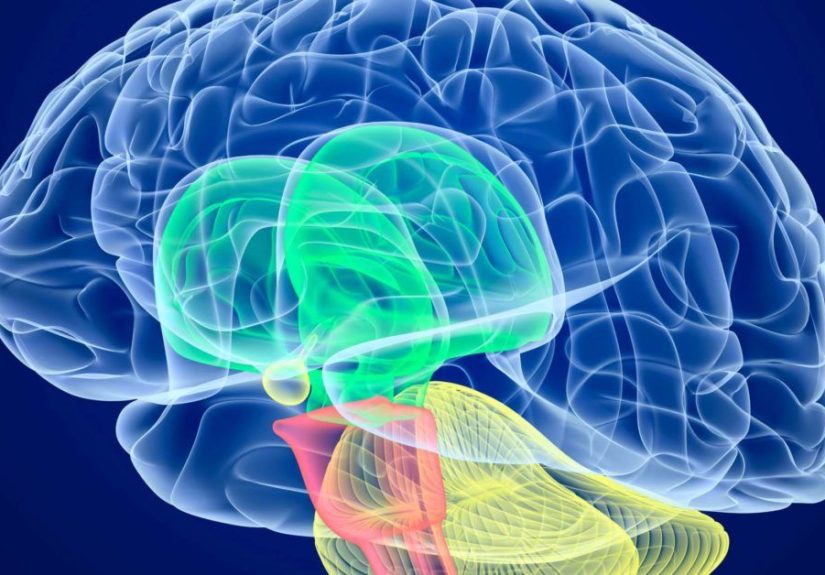
Cerebral palsy is a group of neurological conditions that affect movement, muscle tone, posture, balance, and coordination. It happens because of damage to, or abnormal development in, parts of the developing brain that control movement.
One important point that often gets misunderstood: CP itself is not progressive, meaning the original brain injury does not keep getting worse over time. However, symptoms can change as a person grows, develops, and places new demands on their body. In other words, the brain injury is stable, but the day-to-day effects can look different at age 2, 12, or 32.
CP is also a lifelong condition. There is currently no cure that makes it “go away,” but there are many treatments and supports that can help people function better, reduce complications, and improve quality of life.
Common symptoms of cerebral palsy
CP symptoms vary widely. Some people have mild challenges and walk independently. Others may need braces, walkers, wheelchairs, feeding support, or communication devices. That range is normal for CP.
Movement and muscle symptoms
- Spasticity: tight, stiff muscles and increased muscle tone
- Hypotonia: low muscle tone (floppiness), especially in infants
- Dystonia: involuntary muscle contractions and abnormal postures
- Ataxia: balance and coordination problems
- Tremors or involuntary movements
- Delayed motor milestones (sitting, crawling, walking later than expected)
- Favoring one side of the body (for example, early hand preference)
- Toe walking or crouched walking
- Difficulty with fine motor tasks like buttoning, writing, or using utensils
Speech, feeding, and swallowing symptoms
CP can affect the muscles used for speaking, chewing, and swallowing. This may lead to slurred speech, delayed speech development, drooling, or choking/coughing during meals. Importantly, difficulty speaking does not automatically mean a person has a cognitive problem. Sometimes the issue is muscle control, not understanding.
Other symptoms and related conditions
Some people with CP also have associated conditions such as seizures, vision or hearing problems, learning differences, feeding challenges, and orthopedic issues (like joint contractures or scoliosis). Others may have none of these. CP is a spectrum, not a script.
Types of cerebral palsy
Doctors often classify CP by the main movement pattern involved. These labels help guide treatment, but many people have mixed features.
Spastic cerebral palsy
This is the most common type. Muscles are tight and movements can be stiff or jerky. Spastic CP may affect:
- One side of the body (hemiplegia)
- Mainly the legs (diplegia)
- All four limbs (quadriplegia/tetraplegia)
Dyskinetic cerebral palsy
This type involves involuntary movements that may be twisting, writhing, or unpredictable. Muscle tone can fluctuate, which can make posture and motor control especially challenging.
Ataxic cerebral palsy
Ataxic CP mainly affects balance, depth perception, and coordination. A child may walk with a wide-based gait or struggle with precise movements.
Mixed cerebral palsy
Some people have a combination of movement patterns, such as spasticity plus dystonia. Mixed CP is common, and treatment plans should be tailored accordingly.
What causes cerebral palsy?
Cerebral palsy is caused by damage to the developing brain or abnormal brain development. This can happen before birth, during birth, shortly after birth, or in early childhood while the brain is still developing.
In many cases, the exact cause is never identified. That can be frustrating for families, but it is common.
Congenital vs. acquired cerebral palsy
- Congenital CP: Present at birth and related to events before or during birth. This makes up the majority of cases.
- Acquired CP: Develops after birth due to brain injury, infection, stroke, or other damage in early childhood.
Common risk factors and contributors
Having a risk factor does not mean a child will definitely develop CP. It only means the chance is higher. Commonly discussed risk factors include:
- Premature birth (especially very preterm infants)
- Low birth weight
- Multiple births (twins, triplets, etc.)
- Maternal infections during pregnancy
- Brain malformations or abnormal brain development
- Stroke in the fetus or newborn
- Severe untreated jaundice (kernicterus risk)
- Newborn seizures
- Brain infections after birth (such as meningitis or encephalitis)
- Head injury in infancy or early childhood
Genetics may also play a role in some cases, either by contributing to abnormal brain development or by affecting conditions that resemble or overlap with CP. That is one reason some children are referred for genetic testing during evaluation.
Early signs parents and caregivers should watch for
The first clue is often a motor delayfor example, a child who is slow to roll over, sit, crawl, or walk. Other early signs may include unusual stiffness, floppiness, feeding difficulty, persistent asymmetry (using one side much more than the other), or trouble with head control.
Here’s the tricky part: some of these signs can happen in children who do not have CP. That’s why developmental concerns should be evaluated, not self-diagnosed. A pediatrician can decide whether monitoring, screening, or a specialist referral is appropriate.
How cerebral palsy is diagnosed
Diagnosis usually starts with a detailed medical history and physical/neurological exam. Doctors look at muscle tone, posture, reflexes, coordination, movement patterns, and developmental milestones.
When is CP diagnosed?
Some children show signs in infancy, but diagnosis timing varies. Mild cases may be identified later. In many cases, diagnosis happens when a child is not meeting expected motor milestones or has unusual tone or movement patterns.
Tests doctors may use
- MRI (magnetic resonance imaging): Often used to look for brain injury or abnormal development
- CT scan: Sometimes used to evaluate brain structure
- Ultrasound: May be used in some infants, especially preterm babies
- EEG: If seizures are suspected
- Vision and hearing testing
- Genetic or metabolic tests: In selected cases to rule out other conditions
A child may also be referred to specialists such as a pediatric neurologist, developmental pediatrician, orthopedist, physiatrist, speech-language pathologist, physical therapist, occupational therapist, or feeding specialist. Yes, it can feel like a very crowded calendar. (The family car may become an honorary clinic shuttle.)
Treatments for cerebral palsy
There is no cure for CP, but treatment can significantly improve function, comfort, safety, and independence. The best plan depends on the person’s symptoms, age, goals, and overall health. Treatment is usually multidisciplinary and evolves over time.
1) Early intervention
Early intervention can make a big difference, especially in infants and toddlers. Services may include physical therapy, occupational therapy, feeding support, and developmental services. The goal is to build skills early, support families, and reduce complications.
2) Physical therapy (PT)
PT is a core treatment for many people with CP. It focuses on strength, flexibility, balance, mobility, and motor skills. PT may include stretching, gait training, positioning, transfers, and home exercises. For children, therapy often looks like guided play (which is exactly as important as it sounds).
3) Occupational therapy (OT)
OT helps with daily activities such as dressing, bathing, feeding, writing, school tasks, and using adaptive tools. The goal is function and independencenot perfection.
4) Speech and language therapy
Speech therapy can help with speaking clarity, language development, swallowing, and communication strategies. Some people benefit from augmentative and alternative communication (AAC) tools, including communication boards or speech-generating devices.
5) Medications
Medications don’t cure CP itself, but they can help manage symptoms such as spasticity, dystonia, drooling, and seizures. Common approaches may include oral medicines, targeted injections (such as botulinum toxin for certain muscles), and medications delivered by pump in selected cases.
6) Orthotics and assistive devices
Braces, splints, walkers, standers, seating systems, wheelchairs, and communication devices can dramatically improve mobility, posture, participation, and comfort. These tools are not a “last resort.” They are often a smart way to increase independence.
7) Surgery and advanced procedures
Some people benefit from surgery to address muscle tightness, joint alignment, hip issues, or spine problems. Surgical decisions are individualized and usually made by a team that includes orthopedics, neurology, rehabilitation specialists, and therapists.
The key question is not “Can we do a procedure?” but “Will this procedure meaningfully improve function, comfort, or care needs?” That’s a much better compass.
Living with cerebral palsy across the lifespan
CP is often discussed as a childhood condition, but children with CP grow up into adults with CP. Long-term care may involve transitions from pediatric to adult providers, changing mobility needs, pain management, mental health support, education planning, employment accommodations, and community access.
Many people with CP live active, meaningful livesat school, at work, in relationships, and in their communities. The biggest barriers are not always medical; they can also be social, architectural, financial, or logistical.
Support that matters (a lot)
- Routine preventive care (vaccines, vision/hearing checks, dental care)
- Mental health support for the person and family
- School accommodations and individualized education support
- Accessible transportation and equipment maintenance
- Care coordination among specialists
- Family and caregiver support services
Practical tips for families after a new diagnosis
- Start with your questions. Write them down before appointments.
- Build your care team slowly. You do not need to solve everything in one week.
- Track goals, not just diagnoses. Example: “sit comfortably for meals” or “communicate choices clearly.”
- Ask for demonstrations. Stretching, positioning, and feeding techniques are easier to learn hands-on.
- Revisit equipment regularly. Kids grow. Fast. Usually right after you adjusted the straps.
- Protect family energy. Burnout helps no one. Respite and support are part of treatment, too.
Experiences related to cerebral palsy: Symptoms, causes, and treatments (extended section)
Families often say the hardest part of cerebral palsy is not learning the definitionit’s learning the rhythm. At first, everything can feel urgent: specialist visits, scans, therapy evaluations, paperwork, school forms, insurance calls, and a dozen new terms that sound like they belong in a neurology textbook. One parent may be focused on getting answers, while another is focused on day-to-day survival: sleep, feeding, getting to work, and remembering which clinic parking garage they used this time. That emotional split is common and completely human.
Many caregivers describe the first “aha” moment as something small, not dramatic. It might be a therapist showing a better seating position that makes mealtime easier. It might be a communication device helping a child clearly say “more” for the first time. It might be a brace adjustment that reduces pain and suddenly makes standing practice less of a battle. These moments matter because they shift the focus from fear to function. The diagnosis is still there, but now there’s a planand progress.
Adults with CP often talk about a different kind of challenge: being underestimated. Some say people confuse speech differences with cognitive limitations, or assume they need help when they don’t. Others describe the opposite problemneeding accommodations and having to repeatedly explain why. In work and school settings, practical changes can make a huge difference: accessible desks, flexible schedules for therapy or medical appointments, speech-to-text tools, or simply extra time without extra judgment.
Another common experience is that symptoms can change with life stages. A child who is doing well in elementary school may face new challenges during growth spurts. A teenager may need different equipment, different therapy goals, or a new approach to pain and fatigue. An adult may be less focused on milestone charts and more focused on energy conservation, joint pain, transportation, parenting, or staying active safely. This doesn’t mean the condition is “getting worse” in the same way a progressive disease worsensit means real life keeps changing, and support has to change with it.
Caregivers also frequently mention that the best treatment plans feel collaborative. The most helpful clinicians are often the ones who ask: “What matters most to your family right now?” Sometimes the answer is walking. Sometimes it’s sleep. Sometimes it’s reducing painful spasms. Sometimes it’s making school mornings less chaotic. When goals are realistic and personal, therapy becomes more meaningful and less like a never-ending checklist.
Perhaps the most consistent theme is this: cerebral palsy affects movement, but it also affects routines, relationships, confidence, and identity. With the right support, people with CP can build rich lives that are not defined only by medical appointments. Families often become experts in adaptation, creativity, and persistenceand yes, sometimes in advanced stroller, wheelchair, and snack logistics. That counts as expertise, too.
Conclusion
Cerebral palsy is a lifelong condition caused by injury to or abnormal development of the developing brain, and it affects movement, posture, and muscle control. Symptoms can range from mild to severe, and they vary from person to person. While there is no cure, early diagnosis, therapy, assistive devices, medications, and carefully selected procedures can significantly improve function and quality of life.
The most effective approach is individualized, goal-based, and team-centered. If you suspect developmental delays or unusual muscle tone in a child, early evaluation is worth it. When it comes to CP, support started sooner often means more options later.