Table of Contents >> Show >> Hide
- What Cellulitis Is (and Why It’s Not Just “Irritated Skin”)
- Can You Treat Cellulitis at Home Without Antibiotics?
- Home Care That Actually Helps (Safe Remedies and Supportive Steps)
- 1) Elevate the Area (Swelling Is Fuel for Discomfort)
- 2) Use Cool or Warm Compresses for Comfort (Not as a Cure)
- 3) Pain and Fever Relief (Simple, Not “Miracle”)
- 4) Rest Like You Mean It
- 5) Basic Wound Care: Clean, Protect, Don’t Pick
- 6) Mark the Border and Track Changes (Your Phone Is a Medical Tool Now)
- 7) Compression: Sometimes Helpful, Sometimes Not
- 8) Fix the “Doorway” (Preventing Repeat Episodes)
- Warning Signs: When to Call a Clinician vs Go to the ER
- What to Expect If You Start Antibiotics
- How to Lower Your Risk of Cellulitis (Especially If You’ve Had It Before)
- Common “Home Remedies” People Ask About (and Why Caution Matters)
- Experiences: What Cellulitis Home Care Feels Like in Real Life (and What People Wish They Knew)
A patch of skin turns red, hot, and tender. Maybe it’s around a bug bite. Maybe it’s near a scrape you barely remember getting. And then your brain does what all brains do at 2 a.m.: “Can I fix this at home?”
Here’s the honest truth: true cellulitis is a bacterial skin infection that often needs antibiotics. But that doesn’t mean you’re powerless at home. The right home care can reduce swelling, ease pain, support healing, and help you spot the “nope, we’re not waiting” warning signs early.
This guide covers what cellulitis is, what you can safely do at home, what “remedies without antibiotics” can and can’t do, and the red flags that mean it’s time to call a clinician (or head to urgent care/ER).
What Cellulitis Is (and Why It’s Not Just “Irritated Skin”)
Cellulitis is an infection of the deeper layers of skin and the tissue underneath. It usually happens when bacteria slip in through a break in the skinlike a cut, scrape, cracked heel, eczema flare, shaving nick, blister, surgical incision, or insect bite. Once inside, bacteria can spread quickly.
Common signs include:
- Redness that expands over time (often with less sharply defined edges)
- Warmth and swelling
- Pain or tenderness
- Tight or shiny skin
- Sometimes fever, chills, fatigue, or feeling generally unwell
Cellulitis “Look-Alikes” (Why Self-Diagnosis Gets Tricky)
A lot of conditions can look like cellulitisespecially early on. Allergic reactions, contact dermatitis (like poison ivy), eczema flares, stasis dermatitis (from poor circulation), gout, a localized bug-bite reaction, and even a blood clot can mimic redness and swelling. The difference matters because the treatment is totally different.
If you’re unsure, it’s not “being dramatic” to get checked. It’s being efficient with your future time and limbs.
Can You Treat Cellulitis at Home Without Antibiotics?
Most of the time, no. If it’s truly cellulitis, antibiotics are usually the treatment that clears the infection. Home care without antibiotics may soothe symptoms, but it typically won’t stop bacteria from multiplying and spreading.
That said, there are three very real roles for “cellulitis home treatment”:
- Supportive care while you’re waiting to be seen (or alongside prescribed antibiotics).
- Monitoring so you can catch worsening infection early.
- Prevention (protecting your skin barrier and treating entry points like athlete’s foot).
If a clinician confirms it’s not cellulitis (for example, a local allergic reaction), then non-antibiotic home care may be exactly right. The key is making sure you’re treating the correct problem.
Home Care That Actually Helps (Safe Remedies and Supportive Steps)
Think of these as “best-support” strategies. They don’t replace medical treatment for true cellulitisbut they can reduce pain, swelling, and complications.
1) Elevate the Area (Swelling Is Fuel for Discomfort)
If cellulitis is on an arm or leg, elevate it above heart level when you can. Swelling tends to worsen pain and can slow healing. Elevation helps fluid drain and may make the area feel less tight.
Real-life example: If your lower leg is affected, prop it on pillows so your ankle is above your knee and your knee is above your hip. “Foot on the coffee table” is a startbut higher usually works better.
2) Use Cool or Warm Compresses for Comfort (Not as a Cure)
Compresses can help you feel betterjust keep expectations realistic. A cool, damp cloth may calm burning and throbbing. A warm (not hot) compress can feel soothing in some cases. Choose what reduces discomfort.
- Use a clean cloth.
- Apply for 10–20 minutes at a time.
- Don’t use extreme heat (burn risk) and don’t apply ice directly to skin.
3) Pain and Fever Relief (Simple, Not “Miracle”)
Over-the-counter pain relievers may help with discomfort and fever. Many people use acetaminophen or ibuprofen, but your safest choice depends on your medical history (kidney disease, ulcers, blood thinners, pregnancy, etc.). If you’re unsure, ask a pharmacist or clinician.
4) Rest Like You Mean It
Your immune system is doing a high-energy group project. Help it by resting, hydrating, and sleeping. If you’re limping around pretending you’re fine, your body will eventually file a complaint.
5) Basic Wound Care: Clean, Protect, Don’t Pick
If there’s a cut, blister, or break in the skin:
- Gently wash with mild soap and water.
- Pat dry (don’t aggressively rub).
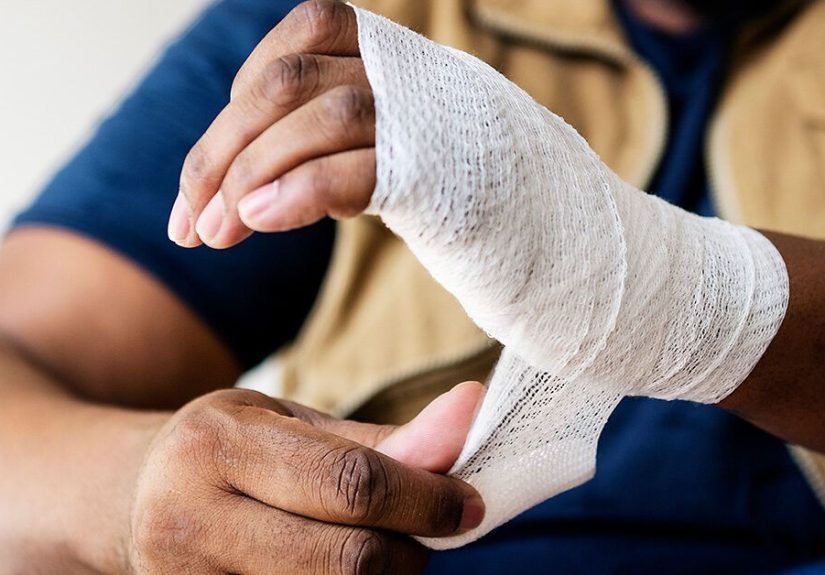
- Cover with a clean bandage if the area is open or weeping.
- Don’t scratch, squeeze, or “test” the pain every 12 minutes (tempting, but unhelpful).
Avoid home “chemical experiments” like applying undiluted vinegar, essential oils, or harsh antiseptics to inflamed skin. Irritation can worsen redness and make it harder to judge whether the infection is spreading.
6) Mark the Border and Track Changes (Your Phone Is a Medical Tool Now)
If you suspect cellulitis, lightly trace the edge of redness with a pen and write the time next to it. Then take a photo in good light. This makes it easier to tell if redness is spreading over hours.
If the area is expanding beyond the border, that’s a sign you should seek care urgentlyespecially if symptoms are progressing quickly.
7) Compression: Sometimes Helpful, Sometimes Not
Compression socks or wraps may help if swelling is driven by chronic venous issues or lymphedemabut compression isn’t right for everyone (for example, certain circulation problems). If a clinician has recommended compression for your situation, follow their guidance.
8) Fix the “Doorway” (Preventing Repeat Episodes)
Cellulitis often returns because bacteria keep finding a way in. Common entry points include:
- Athlete’s foot and cracked skin between toes
- Dry, fissured heels
- Eczema or other itchy rashes that get scratched open
- Chronic swelling in legs/feet
Long-term prevention often looks boringmoisturizing regularly, treating fungal foot infections, protecting skin, and managing swelling but boring is underrated when it prevents urgent-care bills.
Warning Signs: When to Call a Clinician vs Go to the ER
Cellulitis can worsen fast. Use these warning signs as your “don’t wait it out” checklist.
Get same-day medical care (urgent care or your doctor) if you have:
- Redness that is spreading or enlarging over hours
- Increasing pain, swelling, or warmth
- Fever, chills, or feeling suddenly unwell
- Red streaks extending from the area
- Pus, drainage, or rapidly worsening skin changes
- Cellulitis on the hand, near a joint, or on the foot if you have diabetes
- A history of immune suppression (chemotherapy, transplant meds, high-dose steroids, etc.)
Go to the ER now if you have any of these:
- High fever or fever with rapidly spreading rash
- Severe pain that feels out of proportion to what you see
- Confusion, dizziness, fainting, or extreme drowsiness
- Fast heart rate or trouble breathing
- Blisters, black/purple discoloration, or skin that looks “dead”
- Numbness or sudden loss of sensation around the area
- Infection on the face or around the eye (higher risk location)
Rule of thumb: If it’s getting worse quickly, if you have fever/systemic symptoms, or if it’s on the face/near the eyes, don’t DIY this one.
What to Expect If You Start Antibiotics
If you’re prescribed antibiotics, supportive home care still matters. Many people start to notice improvement in pain, swelling, and spread within 24–48 hours. Sometimes the area may look a bit worse before it looks betterespecially in the first day or twoso tracking with photos and borders can help you see trends.
Call your clinician if:
- Symptoms aren’t improving within 1–2 days
- Redness continues to expand
- You develop new fever, severe pain, or drainage
And yesfinish the full course unless your clinician tells you otherwise. Stopping early is how infections audition for a comeback tour.
How to Lower Your Risk of Cellulitis (Especially If You’ve Had It Before)
Protect your skin barrier
- Moisturize dry skin (especially lower legs and feet).
- Treat eczema and avoid scratching open skin.
- Wear gloves for gardening and protective footwear outdoors.
Address foot issues
- Treat athlete’s foot promptly.
- Keep between toes clean and dry.
- Don’t ignore cracks, blisters, or ingrown nails.
Manage swelling
- Elevate legs when resting.
- Use compression if recommended for your circulation/lymphedema situation.
- Discuss recurring swelling with a clinician.
If you get frequent recurrences, ask your clinician about prevention strategies. In certain cases, clinicians may consider longer-term approaches after addressing underlying risk factors.
Common “Home Remedies” People Ask About (and Why Caution Matters)
“Can I use apple cider vinegar, essential oils, or herbal salves?”
These can irritate inflamed skin and sometimes worsen rednessmaking it harder to tell if infection is spreading. Even if something is “natural,” your skin can still hate it with the passion of a thousand suns.
“Should I pop a blister or squeeze drainage?”
No. Popping or squeezing can push bacteria deeper and open new entry points. If there’s an abscess or significant drainage, that’s a medical-care situation.
“Is cellulitis contagious?”
Cellulitis itself isn’t usually spread person-to-person by casual contact, but the bacteria that cause skin infections can spread. Good hygienehandwashing, clean bandages, and not sharing towelsreduces risk.
Experiences: What Cellulitis Home Care Feels Like in Real Life (and What People Wish They Knew)
The stories below are based on common, real-world experiences people report in clinicscomposite examples, not individual medical advice. If you recognize your situation, use the warning-sign checklist and contact a clinician.
The “It Was Just a Bug Bite… Until It Wasn’t” Moment
A lot of people describe cellulitis starting with something small: a mosquito bite scratched too enthusiastically, a shaving nick, or a blister from new shoes. At first, it looks like an ordinary irritated patchwarm, red, and a little swollen. The turning point is usually speed: the redness expands beyond what you’d expect, the area becomes increasingly tender, and you may start feeling run-down. Several people say the biggest lesson was that waiting for “proof” cost them time. The most helpful at-home step wasn’t a miracle ointmentit was marking the border, taking a photo, and realizing the redness grew noticeably in a few hours. That evidence made it easier to seek care promptly without second-guessing themselves.
The “I Tried to Tough It Out” Trap
Some people try to push through because life is busy and the internet is full of “fix it naturally” advice. They elevate the leg, use compresses, and take ibuprofenthen feel temporarily better. The problem is that pain relief can mask progression. A common regret: “I felt less pain, so I assumed it was improving… but the redness kept spreading.” The takeaway isn’t that home care is useless; it’s that home care should be paired with monitoring. If the border keeps moving outward, or systemic symptoms show up, it’s time for professional treatment. People often say they wish they’d treated “spreading redness” like a smoke alarm, not a suggestion.
Recurring Cellulitis: The Unsexy Prevention Wins
For people who’ve had cellulitis more than once, the emotional experience is often frustration: “Why does this keep happening to me?” Clinicians frequently discover repeat entry pointscracked heels, athlete’s foot between toes, chronic swelling, or eczema. People who successfully lowered recurrence often describe a surprisingly simple routine: moisturize daily, treat fungal foot issues quickly, protect skin during activities like gardening, and manage swelling with elevation (and compression when recommended). Nobody posts a viral video titled “I Used Lotion Consistently and Nothing Dramatic Happened,” but that’s kind of the dream.
Diabetes and Foot Cellulitis: When “Small” Isn’t Small
People with diabetes often share a similar pattern: a tiny crack or blister on the foot that didn’t seem urgentuntil redness and warmth spread and walking became painful. The most repeated advice from experienced patients is blunt: don’t wait if infection is on the foot, and don’t ignore reduced sensation. Many say the “best home treatment” was actually prevention: daily foot checks, clean socks, well-fitting shoes, and quick attention to any skin break. When cellulitis was suspected, prompt care mattered more than any at-home remedy.
If there’s one universal experience, it’s this: people feel better when they stop guessing and start tracking. Elevate, use comfort measures, keep the area clean, and monitor like a detectivethen escalate care fast if warning signs appear.