Table of Contents >> Show >> Hide
- Why Tiny Grayscale Frames Feel So Good in 2026
- From Game Boy Camera to Pocket Nostalgia
- What a “Tiny Game Boy Photo Frame” Actually Looks Like Today
- How to Build the Best Grayscale Slideshow
- Setup Blueprint: Fast Start for Makers and Non-Makers
- Common Pitfalls (and How to Avoid Them)
- Who Should Get One?
- Conclusion: Tiny Screen, Big Memory
- Extended Experiences: Living With a Tiny Game Boy Photo Frame ()
Some photos are too polished to feel real. You know the ones: perfect lighting, hyper-sharp detail, and enough HDR to make your breakfast look like a Marvel movie poster. Then there are memories that feel more like memory itselfgrainy, soft, slightly weird, and deeply human. That’s exactly why the tiny Game Boy-style photo frame trend is exploding among retro fans, makers, and anyone who wants a desk gadget with personality.
A miniature grayscale frame inspired by the Game Boy Camera era is more than a novelty. It’s a design decision. It says your photos don’t have to be high resolution to be high emotion. It says a tiny screen can still tell a huge story. And yes, it says you are cool enough to put your best friend’s blurry smile, your cat’s mid-zoom chaos, and your best “accidental art” moments into a pocket-sized shrine.
In this guide, we’ll break down why this format works, what hardware and software paths make sense, how to curate images for that iconic monochrome vibe, and how to avoid common mistakes. Then, at the end, you’ll get a long-form 500-word experience section that captures what living with a tiny Game Boy photo frame actually feels like day to day.
Why Tiny Grayscale Frames Feel So Good in 2026
Retro tech works because it creates constraintsand constraints create style. A tiny grayscale display gives you only a few tones, minimal pixels, and no visual clutter. That forces your photos to become about composition, contrast, and mood. Suddenly, a simple hallway shadow looks cinematic. A coffee cup becomes a still life. Your friend laughing in bad lighting looks like an indie album cover.
The emotional pull is also practical: tiny frames are low-friction. They sit beside your keyboard, on a bookshelf, or clipped to your bag. They don’t demand a wall outlet and a giant setup. They don’t scream for attention like a full-size TV-style slideshow. They just existquietly cycling moments that matter.
There’s also a growing “slow photo” movement behind this trend. People are tired of endless camera rolls and cloud chaos. A tiny retro frame is the opposite of infinite scroll. It is finite, intentional, and focused. You pick 20 to 200 images that deserve to live, then let them breathe.
From Game Boy Camera to Pocket Nostalgia
To understand this trend, you need to understand the original magic trick. The Game Boy Camera era introduced many people to playful digital photography in a format that was deeply accessible. The images were tiny, grayscale, and technically roughbut they were fun, social, and easy to share with the matching printer. That combo turned digital photo-making into a toy, not a chore.
The aesthetic mattered then, and it still matters now. That classic lookhigh contrast, chunky dithering, four grayscale toneshas become a visual language. It instantly signals nostalgia, experimentation, and “this is memory, not marketing.”
Museums and game-history institutions still document the Game Boy ecosystem as a major part of handheld culture, which helps explain why modern creators keep reviving it in new forms. Today’s tiny photo frame projects are essentially love letters to that period, rebuilt with modern microcontrollers, inexpensive displays, and way more storage.
What a “Tiny Game Boy Photo Frame” Actually Looks Like Today
1) Pure Retro Route: Hardware-Compatible Builds
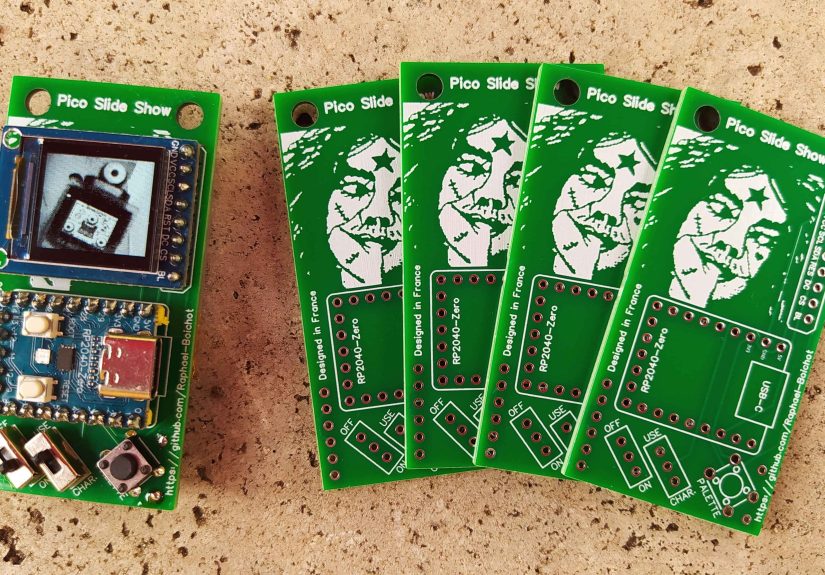
If you want authentic nerd joy, this is your lane. Maker projects now emulate classic Game Boy printer workflows and display output on miniature TFT screens, often with SD card support. Some projects are built around RP2040 boards, a popular microcontroller platform with enough muscle for timing-sensitive retro protocols plus image handling.
In practical terms, this route can let you:
- Capture or import Game Boy-style images.
- Display them on very small screens (often 1–1.3 inches).
- Store images as files instead of fading thermal paper strips.
- Run from battery power for true pocket use.
Translation: you keep the soul of classic handheld photography while gaining modern convenience.
2) Hybrid Route: Modern Frame, Retro Processing
Don’t solder? No problem. You can get a small modern digital frame and preprocess your photos with grayscale + dithering filters to mimic the Game Boy look. This gives you easier setup, app-based uploads, and cleaner reliability. If your goal is “retro vibe, zero firmware headaches,” this option wins.
Bonus: some modern frames support cloud albums, scheduled updates, and shared family streams, so your tiny nostalgia device can quietly refresh itself.
3) Portable E-Paper-Inspired Route
Newer frame designs are pushing “print-like” visuals and longer battery life with e-paper style displays. They are not identical to Game Boy aesthetics, but they share the same philosophy: softer rendering, less screen glare, more “object on a shelf” than “mini tablet shouting at you.”
How to Build the Best Grayscale Slideshow
Curate with a Theme, Not a Folder Dump
The biggest mistake is importing 5,000 random photos and calling it “memories.” That’s not memorythat’s a backup drive.
Try one of these curated packs:
- Year in 64 Frames: one image per week + extras.
- City Walks: street shots, signs, windows, rainy nights.
- People You Love: portraits with emotional variety.
- Tiny Triumphs: meals, projects, workouts, pet antics.
Optimize Images for Small Displays
A tiny screen rewards strong shapes and clean contrast. Before export:
- Crop tighter than you think you need.
- Increase midtone contrast slightly.
- Convert to monochrome, then test with dithering.
- Avoid tiny text; it turns into visual noise.
- Preview at actual display resolution when possible.
Embrace Imperfection
The whole point is character. If a face gets a little dotty after dithering, that can be charm, not failure. Perfectly clean output often feels less “Game Boy memory” and more “generic grayscale filter.”
Setup Blueprint: Fast Start for Makers and Non-Makers
Maker Blueprint
- Pick your board (RP2040-based boards are common and well-supported).
- Choose a compact TFT display compatible with your firmware stack.
- Flash tested firmware before any custom edits.
- Validate image loading from SD or USB first.
- Only then tune transitions, brightness, and frame timing.
Pro tip: lock in a “known good build” before getting creative. Custom skins and animations are fununtil they break a stable pipeline the night before gifting day.
Non-Maker Blueprint
- Buy a small digital frame with reliable app sync.
- Create a dedicated album called “GB_Memories.”
- Batch-convert images to grayscale and mild dithering.
- Upload only your best 50–150 images.
- Set transition timing to slower intervals (15–60 seconds).
Why slower? Because faster transitions feel like ads. Slower transitions feel like reflection.
Common Pitfalls (and How to Avoid Them)
Pitfall 1: Everything Looks Muddy
Fix: increase local contrast and reduce shadow crush. Tiny grayscale screens hate low-separation tones.
Pitfall 2: Faces Look Unflattering
Fix: prefer side-light or window-light shots. Front flash + low resolution can flatten features.
Pitfall 3: Battery Dies Too Fast
Fix: lengthen change intervals, lower brightness, and avoid unnecessary transitions.
Pitfall 4: The Device Feels “Cute but Useless” After a Week
Fix: schedule monthly refresh rituals. Add 10 new photos, remove 10 old ones, keep the story alive.
Who Should Get One?
A tiny Game Boy photo frame is perfect for:
- Retro gamers who love meaningful desk accessories.
- Photographers who enjoy monochrome storytelling.
- Gift-givers who want something personal, portable, and unexpected.
- Makers who enjoy blending old aesthetics with modern hardware.
It might not be ideal if you want razor-sharp, full-color gallery displays. But if you want emotional punch in a tiny format, it’s hard to beat.
Conclusion: Tiny Screen, Big Memory
“Carry Your Grayscale Memories With This Tiny Game Boy Photo Frame” is not just a catchy ideait’s a practical creative format. It combines nostalgia, minimalist design, and modern maker flexibility in one small object. Whether you build your own with microcontroller hardware or emulate the look on an off-the-shelf frame, the result can be deeply personal: a rotating pocket museum of your life’s best imperfect moments.
In a world overloaded with infinite media, choosing a tiny grayscale frame is a bold edit. It says your memories deserve curation, not compression. And honestly? It looks ridiculously cool on a desk.
Extended Experiences: Living With a Tiny Game Boy Photo Frame ()
The first week felt like a novelty. I kept picking up the frame, tapping it, and grinning every time a new photo appeared in crunchy grayscale. A coffee spill from last winter looked like a dramatic crime scene. My friend blowing out birthday candles looked like a lost still from a 1990s music video. Even boring moments became visual jokes in the best way.
By week two, something changed. The frame stopped being a gadget and started being a rhythm. I noticed I looked at it between tasksnot to doom-scroll, just to reset. One image would pop up, and for three seconds I’d remember a tiny story: the train platform where we missed our stop, the rainy dog walk, the accidentally perfect sunset photo taken with a phone lens covered in fingerprints. It wasn’t productivity. It was texture.
The grayscale limitation helped more than expected. On my phone, color photos fight for attention. On the frame, everything speaks the same visual language. That means composition and emotion come forward. A smirk matters more than a neon sign. A silhouette matters more than expensive lighting. I started intentionally shooting “for the frame,” looking for high-contrast scenes and expressive moments rather than “technically perfect” shots.
The social side surprised me too. People noticed it immediately. Friends asked, “Wait, is that a tiny Game Boy?” Then they’d stand there for a minute watching it cycle images, laughing at old inside jokes. It became a conversation object that didn’t feel like a screen addiction trap. No notifications. No feeds. No algorithm. Just your own curated weird little history.
There were practical lessons. Fast transitions were exhausting, so I slowed them down. Some photos looked terrible after conversion, especially low-contrast indoor shots. I learned to edit lightly: crop tighter, lift midtones, add a little contrast, done. Once I accepted that not every image belongs in monochrome, the collection got much stronger.
Around month two, I made a ritual: first Sunday of each month, “frame curation hour.” Tea, playlist, photo review. I remove images that no longer hit, add new favorites, and keep the total count manageable. That monthly refresh made all the difference. The frame stayed alive instead of becoming digital decor wallpaper.
The biggest emotional surprise was this: tiny, low-res images can feel more honest than high-res ones. The imperfections leave room for memory to fill the gaps. You don’t just see the photoyou remember the moment around it: what someone said, what the room smelled like, how late it was, why everyone was laughing.
If you’re wondering whether this is worth it, here’s the simplest answer: if you like objects that are both useful and meaningful, yes. A tiny Game Boy-style photo frame won’t replace your camera roll, and it doesn’t need to. It gives your best moments a physical homesmall enough to carry, strong enough to matter, and playful enough to make you smile every time it wakes up.