Table of Contents >> Show >> Hide
- Understanding Cardiovascular Disease and Why It Matters
- Why Brisk Walking Is So Powerful for Your Heart
- How Much Brisk Walking Do You Actually Need?
- Brisk Walking and Longevity: Adding Years to Your Life (and Life to Your Years)
- Already Have Heart Disease? Walking Still Helps
- Getting Started Safely with Brisk Walking
- How to Make Brisk Walking a Habit You Actually Keep
- Brisk Walking vs. Other Forms of Exercise
- When Brisk Walking Alone Is Not Enough
- Real-Life Experiences: How Brisk Walking Changed Everyday Lives
- Conclusion: Small Steps, Big Lifespan Gains
If a drug promised to lower your blood pressure, improve your cholesterol, reduce stress, help you sleep, and maybe even help you live longer, the line at the pharmacy would wrap around the block. The good news: that “drug” already exists, it’s free, and you probably own the only equipment you needyour shoes.
Cardiovascular disease (CVD) remains the leading cause of death in the United States, responsible for roughly one in three deaths and claiming a life about every half minute. That’s the bad news. The better news is that a huge portion of this risk is tied to lifestyle choices, including how muchand how fastyou move your body.
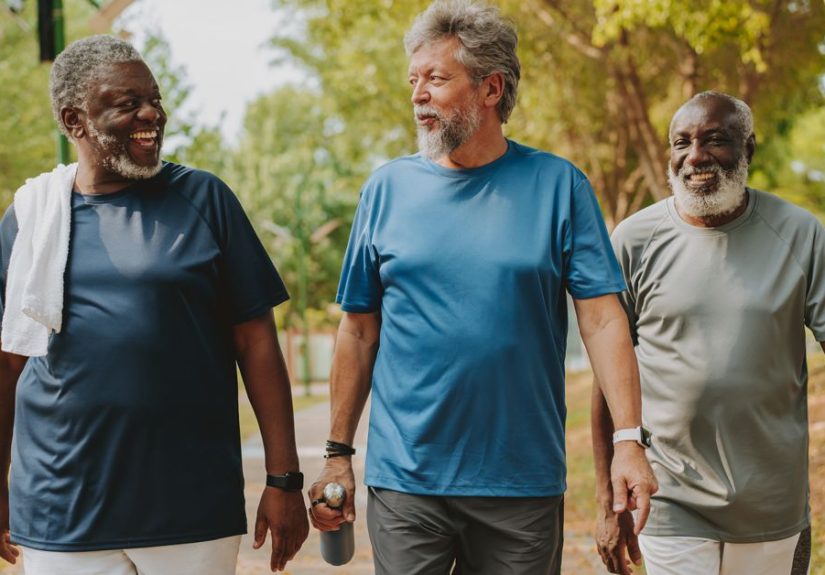
One habit stands out as both powerful and extremely doable: brisk walking. Not slow, window-shopping strolling, but a pace that makes you feel like you’re late for a meeting you actually care about. Research suggests that walking moreand especially walking fasteris linked with lower risk of heart attacks, strokes, and dying early from cardiovascular disease or any cause.
Understanding Cardiovascular Disease and Why It Matters
“Cardiovascular disease” is an umbrella term that includes coronary artery disease (blocked heart arteries), heart failure, stroke, heart rhythm problems, and more. In 2022, cardiovascular disease was responsible for over 940,000 deaths in the U.S., more than any other cause. Nearly half of U.S. adults live with some form of CVD, often driven by high blood pressure, high cholesterol, diabetes, smoking, inactivity, and excess weight.
The tricky part? Cardiovascular damage builds slowly and quietly. You may feel totally fine for years while plaque develops in your arteries, blood pressure creeps up, and your heart gradually works harder than it should. That’s why preventive habitslike regular brisk walkingare so critical. They act like daily maintenance for your heart and blood vessels, long before anything feels wrong.
Why Brisk Walking Is So Powerful for Your Heart
What counts as “brisk” walking?
Most guidelines define brisk walking as a moderate-intensity activity. In simple terms: you’re breathing faster and your heart rate is up, but you can still talk in short sentences. If you can sing, you’re probably going too slow; if you can’t get out more than a word or two, you’ve crossed into vigorous exercise territory.
For many adults, this works out to roughly 3–4 miles per hour (about a 15–20 minute mile), but pace varies with age and fitness. What matters most is how it feels in your body: comfortably challenging, not miserable.
How brisk walking protects your heart
Brisk walking may look simple, but it triggers a cascade of benefits for your cardiovascular system:
- Lowers blood pressure: Regular walking helps your blood vessels relax and widen, which can reduce both systolic and diastolic blood pressure over time.
- Improves cholesterol: Walking can increase HDL (“good”) cholesterol and may help reduce triglycerides and LDL (“bad”) cholesterol, especially when combined with healthy eating.
- Improves insulin sensitivity: Your muscles soak up more glucose during and after activity, helping control blood sugar and lowering the risk of type 2 diabetesa major driver of heart disease.
- Strengthens the heart muscle: Just like any muscle, your heart gets stronger when it works a bit harder on a regular basis.
- Reduces inflammation: Chronic low-grade inflammation is linked to atherosclerosis (plaque buildup). Walking helps bring inflammatory markers down over time.
Meta-analyses of walking programs show improvements in cardiorespiratory fitness, blood pressure, and other key cardiovascular risk factorsessentially tuning up your heart and circulation one step at a time.
Speed matters: why “brisk” beats “barely moving”
It’s not just about moving; how fast you move also matters. Large cohort studies have found that people who report a brisk walking pace have lower rates of death from all causes and from cardiovascular disease compared with slower walkerseven after accounting for other risk factors.
One analysis suggested that for each small increase in walking speed, there was a significant reduction in the risk of all-cause and cardiovascular mortality. Another study found that walking pace added predictive power on top of traditional risk factors like age, blood pressure, and smoking. In plain English: how fast you naturally walk is a surprisingly strong snapshot of your overall health and heart resilience.
How Much Brisk Walking Do You Actually Need?
The good news is you don’t need to train for a marathon (unless you want to). Major health organizations, including the U.S. Department of Health and Human Services, the CDC, and the American Heart Association, recommend at least:
- 150–300 minutes per week of moderate-intensity aerobic activity (like brisk walking), or
- 75–150 minutes per week of vigorous activity, or a mix of both.
Spread out over the week, 150 minutes of walking looks like 30 minutes a day, five days a weekvery achievable for most people once it becomes routine.
Recent research suggests that even short bouts of walking can make a difference. In one study, people who walked in continuous bouts of 10–15 minutes or longertotaling as little as 15 minutes per dayhad significantly lower risk of heart disease and death, even if their total daily steps were under the oft-quoted 8,000–10,000 mark.
Another emerging message: all steps count. Older adults in particular can see substantial reductions in cardiovascular risk at step counts far below 10,000, with benefits appearing as low as 4,000–6,000 steps per day and continuing to improve as steps increase.
Brisk Walking and Longevity: Adding Years to Your Life (and Life to Your Years)
So how does brisk walking translate into a longer life?
Population studies that follow people for many years consistently show that those who move moreand especially those who walk brisklylive longer than those who are sedentary. Being consistently or increasingly active over time is associated with about a 20–40% lower risk of dying from any cause and a 30–40% lower risk of cardiovascular death compared with staying inactive.
Daily steps tell a similar story. In pooled analyses, higher step counts are linked with lower risks of all-cause and cardiovascular mortality, with risk starting to drop at relatively modest step counts and continuing to improve up to around 8,000–10,000 steps in many adults.
Of course, these are observational studiesthey show strong associations, not absolute proof that walking alone is causing the benefit. But when you combine these findings with what we know about how walking improves blood pressure, cholesterol, insulin sensitivity, body weight, and inflammation, the picture is pretty compelling: brisk walking seems to be one of the most efficient “packages” of longevity benefits you can give yourself.
Already Have Heart Disease? Walking Still Helps
If you’ve already been diagnosed with coronary artery disease, heart failure, or another form of CVD, it’s easy to feel like “the damage is done.” But research and real-world clinical experience say otherwise.
Supervised and appropriately paced walking programs have been shown to strengthen the heart muscle, improve exercise tolerance, ease symptoms like shortness of breath and fatigue, and reduce the likelihood of future cardiovascular events. Some cardiologists even call walking “better than any pill” for many patients, when it’s combined with guideline-based medical care.
Important safety note: If you have known cardiovascular disease, diabetes, or other significant medical issuesor if you experience chest pain, unexplained shortness of breath, or faintingyou should talk with your healthcare provider before ramping up your exercise routine. They can help you determine a safe starting point, and in many cases, refer you to cardiac rehabilitation or a structured walking program.
Getting Started Safely with Brisk Walking
1. Start where you are, not where you think you “should” be
If your current routine is “I walk from the couch to the fridge,” don’t launch into a 45-minute power walk on day one. Instead:
- Begin with 5–10 minutes at a comfortable pace.
- Add 2–5 minutes every few days as it feels manageable.
- Gradually increase your pace until talking in full sentences becomes a little challenging.
2. Use the “talk test” instead of obsessing over numbers
A heart-rate monitor or smartwatch can be helpful, but they’re not required. The talk test is simple, free, and surprisingly accurate:
- Moderate intensity (brisk): You can talk, but not sing.
- Vigorous intensity: You can say only a few words at a time.
3. Warm up and cool down
Spend the first 3–5 minutes walking more slowly to let your joints and heart ease into the effort. At the end, slow down again and stretch your calves, hamstrings, and hips. Your knees will thank you.
4. Respect your joints and feet
Choose supportive shoes, preferably designed for walking or running, and walk on flatter, softer surfaces (like tracks, trails, or sidewalks) if possible. If joint pain pops up and doesn’t settle with rest, check in with a healthcare professional.
How to Make Brisk Walking a Habit You Actually Keep
Most people don’t quit walking because it’s ineffectivethey quit because life gets in the way. Here are some habit-building tricks to keep your heart-healthy steps coming:
- Anchor it to something you already do: Walk for 15 minutes right after breakfast or immediately after work.
- Make it social: A walking buddy or group adds accountability and makes the time fly.
- Use mini-walks: If 30 minutes sounds impossible, break it into three 10-minute brisk walks scattered through your day.
- Track your wins: A simple step counter or calendar where you mark walking days can be surprisingly motivating.
- Mix up your route: New scenery keeps boredomand excusesat bay.
Remember, you don’t have to be perfect. A week with four walks is still far better than a week with none. Consistency over months and years is what your heart cares about.
Brisk Walking vs. Other Forms of Exercise
Is walking “enough” if your goal is heart health and longevity? For many people, especially those who are currently sedentary or older, the answer is yesas a foundation.
Guidelines also recommend at least two days per week of muscle-strengthening activity (like resistance bands, weight training, or bodyweight exercises). These help maintain muscle mass, support joint health, and improve blood sugar controlall of which indirectly protect your heart. But brisk walking is a logical, sustainable starting point and often remains the mainstay of a heart-healthy routine.
Think of walking as your base layer. You can always add more “fancy” workouts on topcycling, swimming, intervalsif you enjoy them. But you don’t need a gym membership to gain serious cardiovascular benefits.
When Brisk Walking Alone Is Not Enough
Let’s be clear: even the world’s best walking routine can’t fully cancel out other risks. To really protect your heart and live longer, brisk walking should sit inside a broader lifestyle package:
- Healthy eating pattern: Emphasize fruits, vegetables, whole grains, lean proteins, and healthy fats; limit highly processed foods and added sugars.
- No smoking or vaping: Tobacco dramatically raises cardiovascular risk.
- Good sleep: Poor sleep patterns are linked with high blood pressure, obesity, and heart disease.
- Stress management: Chronic stress can elevate blood pressure and encourage unhealthy coping habits.
- Medications as prescribed: If you have high blood pressure, high cholesterol, or diabetes, walking supportsbut does not replaceappropriate treatment.
Think of brisk walking as your daily heart-protection “pill,” but not the only one in the bottle.
Real-Life Experiences: How Brisk Walking Changed Everyday Lives
Statistics and risk reductions are great, but sometimes personal stories make the power of brisk walking feel real. Below are composite experiences inspired by what many people report when they start walking regularly for cardiovascular health.
Maria, 58: From “Too Tired” to Morning Power Walker
When Maria’s doctor told her that her blood pressure and cholesterol were creeping up, she mentally added it to a long list of things she was “too tired” to deal with. She worked full-time, helped care for her grandkids, and felt wiped out most evenings.
Instead of prescribing a complicated gym routine, her doctor suggested one small change: walk briskly for 10 minutes after dinner, three days a week, and track it on her calendar. Maria agreed, mostly to get her doctor off her back.
The first week felt awkward. She was self-conscious in her neighborhood, breathing harder than she’d like to admit. But by week three, 10 minutes felt too short. She stretched it to 15, then 20. Her grandson started joining her on his scooter. Within a couple of months, her “I’m too tired” story shiftedshe noticed she slept better on walking days and actually had more energy the next morning.
Three months in, her blood pressure had dropped into the high-normal range, and she’d lost a few pounds without changing her diet much. She still had stress and busy days, but walking gave her a reliable, simple way to feel like she was actively protecting her heart.
David, 67: Walking with Heart Disease (and Less Fear)
David had already had one mild heart attack by the time he was referred to a cardiac rehab program. The word “exercise” scared him. What if he triggered another event? What if his heart couldn’t handle it?
In rehab, he learned to use a treadmill at a carefully monitored, brisk pacewatching his heart rate and blood pressure in real time, with medical staff nearby. Over several weeks, his confidence grew along with his stamina. When the formal program ended, the team helped him design a home-based walking plan: 20–30 minutes of brisk walking, five days per week, using the talk test to stay in a safe zone.
Two years later, David still walks most days. He hasn’t had another heart event. His cardiologist reduced one of his blood pressure medications, and his resting heart rate is lower than it’s been in decades. Perhaps most importantly, he feels less fragile. Walking helps him see his body as an ally rather than a ticking time bomb.
Jasmine, 45: Using Walking to Tame Stress (and Cholesterol)
Jasmine’s cholesterol numbers were borderline high, but the real danger was her stress. She worked a demanding job, scrolled her phone late into the night, and often skipped lunch. Exercise sounded like “one more thing” on her endless to-do list.
After a particularly rough week, she tried a simple experiment: instead of doom-scrolling during her mid-morning break, she walked briskly around the block for 10 minutes. No special clothes, just her work outfit and comfortable shoes she kept under her desk.
The effect was subtle but noticeable. Her mind felt clearer, and she returned to her desk less irritable. Over time, she built a routine: one 10–15 minute brisk walk mid-morning and another after work before she got into her car. Her smartwatch showed she was hitting around 7,000–8,000 steps a day, far more than before.
Six months later, her follow-up labs showed her LDL cholesterol had come down, her HDL had gone up slightly, and she’d lost a few inches around her waist. But she was most proud of something that didn’t show up on the lab report: she felt less like her stress was running the show. Walking had become her reset button.
Sam, 72: Small Steps, Big Payoff
Sam believed the ship had sailed on serious health improvements. He had high blood pressure, a bit of heart failure, and arthritic knees. His doctor gently insisted that even short walks could still matter.
Sam started with laps inside his local shopping mall, using the benches as checkpoints. At first, he could only manage 5 minutes at a slow pace before needing a rest. But he kept at it, adding a minute here and there, and gradually increasing his speed to something that felt like a true “brisk” walk.
A year later, he was walking 20 minutes at a brisk pace most days of the week. He still had heart diseaseand still needed his medicationsbut his shortness of breath improved, his blood pressure was better controlled, and his cardiologist was thrilled with his progress.
For Sam, brisk walking didn’t magically erase his cardiovascular disease. But it helped him stay independent, enjoy time with his grandkids, and feel like he was actively fighting for more quality years, not just counting them.
Conclusion: Small Steps, Big Lifespan Gains
Cardiovascular disease is still our number-one killer, but it’s not an unbeatable enemy. Brisk walking is one of the simplest, lowest-cost tools we have to lower risk, protect heart health, and potentially add years to our lives.
You don’t need fancy workouts, expensive equipment, or a perfect schedule. You need comfortable shoes, a safe place to move, and a commitment to show up for your future selfone brisk step at a time.
Health reminder: This article is for general information and is not a substitute for personal medical advice. Talk with your healthcare provider about the best and safest way to start or adjust an exercise routine, especially if you have existing heart disease, diabetes, or other medical conditions.
SEO Summary
sapo: Cardiovascular disease is still the leading cause of death, but your daily walk can quietly tip the odds in your favor. Brisk walking helps lower blood pressure, improve cholesterol, control blood sugar, reduce inflammation, and strengthen your heartbenefits that translate into fewer heart attacks, strokes, and a lower risk of dying early. In this in-depth guide, you’ll learn what “brisk” really means, how many minutes and steps you need, what the latest research says about walking pace and longevity, practical tips to build a routine you’ll actually keep, and real-life stories of people who used walking to transform their heart health.