Table of Contents >> Show >> Hide
Some garments whisper. The caftan glides into a room, claims the breeze, and casually steals the scene.
That is part of the magic. A caftan is easy without looking lazy, dramatic without trying too hard, and comfortable in a way that feels suspiciously luxurious. It has centuries of history behind it, but it also feels entirely right for now, especially in a place like Brooklyn, where personal style tends to reward confidence, craft, and a tiny bit of “I found this before everyone else did.”
Caftan chic, by way of Brooklyn, is not just a fashion phrase. It is a whole mood. It is the meeting point between global textile traditions and city dressing. It is what happens when a garment associated with ease, movement, and glamour gets reimagined for coffee runs, gallery afternoons, rooftop dinners, neighborhood parties, and the kind of summer heat that makes fitted clothing feel like a personal attack.
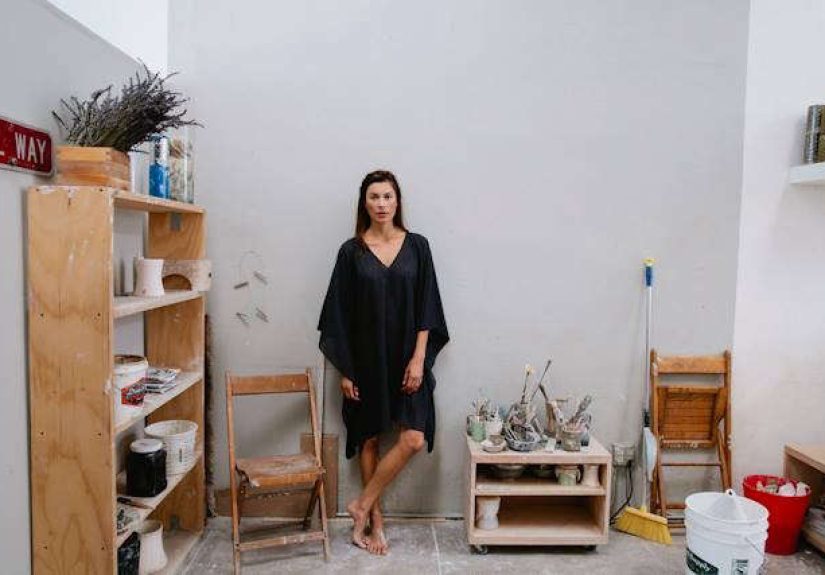
In today’s style conversation, the caftan has moved well beyond beach-cover-up status. It is showing up as polished daywear, soft eveningwear, travel uniform, host attire, and statement piece. And when Brooklyn enters the chat, the caftan gets even more interesting: cleaner lines, artisan fabrics, thoughtful styling, and enough attitude to go from flea market to dinner reservation without a costume change.
The Caftan: Old Soul, Modern Swagger
The first thing worth knowing is that the caftan is not some passing social-media crush. This silhouette has deep roots. Across regions and centuries, caftans have appeared in forms tied to Persia, Central and Western Asia, the Ottoman world, and North Africa. Museums and fashion history archives preserve versions that show just how long this garment has mattered. In other words, the caftan did not suddenly appear because someone on television looked fabulous near a pool. It arrived long ago and simply never lost its charm.
That long history helps explain why the caftan feels so adaptable. It has always been more than one thing. Depending on the material, cut, decoration, and context, it can signal ceremony, status, artistry, comfort, sensuality, modesty, or pure practicality. Few garments are so good at shape-shifting while still remaining unmistakably themselves.
Modern fashion loves that kind of flexibility. Contemporary caftans can be crisp and architectural, soft and bohemian, minimalist and monochrome, or wildly print-happy in the best possible way. Some skim the body. Others float around it. Some are designed for city sidewalks, others for vacation terraces, and many do both with suspicious ease. That range is exactly why the caftan keeps returning to the center of the style conversation.
Why Brooklyn Makes Sense
Brooklyn has a particular fashion energy. It appreciates clothing with a story, but it also expects that story to be wearable. This is not a borough that wants garments preserved behind glass. It wants them lived in. Brooklyn style tends to favor pieces that carry personality without looking over-rehearsed. That is where the caftan fits beautifully.
Think about the borough’s visual language: artisanal textiles, vintage references, global influences, relaxed tailoring, oversized silhouettes, and an instinctive resistance to anything that looks painfully uncomfortable. Brooklyn fashion often asks, “Can this be chic, functional, and slightly poetic at the same time?” The caftan answers, “Obviously.”
It also helps that Brooklyn style is comfortable mixing high and low. A caftan can be paired with flat leather sandals and a canvas tote in the morning, then reworked with sculptural earrings and heeled mules by night. It can move through different neighborhoods and social settings without feeling confused. That is rare. Many pieces are either all fantasy or all utility. The caftan, when styled well, is both.
From Brooklyn Designer to City Uniform
The phrase “by way of Brooklyn” feels especially apt when you look at how designers in the borough have interpreted the caftan for modern life. A notable example is Two, the Brooklyn-born label by Monica Patel-Cohn, which helped translate the caftan into something that feels urban, considered, and deeply wearable. Her work has been associated with handwoven fabrics and sari-inspired textiles, but the real trick is how those influences become streamlined rather than costume-like.
That approach matters. A caftan can easily be misunderstood as only resort wear, only retro glamour, or only for a very specific kind of maximalist dresser. Brooklyn design thinking pushes against that. It asks what happens when the caftan is softened, sharpened, simplified, or grounded in everyday movement. The answer is a garment that can feel as appropriate in Dumbo or Fort Greene as it does on a beach in June.
This is where caftan chic becomes especially interesting. The Brooklyn version is less about theatrical excess and more about studied ease. The volume is intentional. The fabric choice does the talking. The styling is smart, not noisy. You are not buried in the garment. You are in conversation with it.
The Secret Ingredient: Fabric
A good caftan rises or falls on fabric. Cotton gives it ease. Linen gives it breathability and texture. Silk gives it drama. Handwoven textiles add soul. Prints can make a caftan feel festive, but solids can make it look almost architectural. In Brooklyn-flavored styling, fabric often carries the emotional weight. You might have a simple silhouette, but the weave, the drape, or the dye work gives it depth.
This is also why caftans photograph so well and move so beautifully in real life. They react to light. They catch air. They make walking look more glamorous than it has any right to be. A person in a great caftan is not just dressed. They are editorially adjacent.
Why the Caftan Keeps Coming Back
Fashion cycles change, but the caftan keeps reappearing because it solves problems that never go away. People want to look polished without wearing armor. They want clothing that breathes. They want silhouettes that do not punish the body after lunch. They want versatility, especially in warm weather. And increasingly, they want garments that feel expressive without requiring ten separate styling decisions before leaving the house.
That helps explain why style publications keep revisiting the caftan in different cultural moments. It has been framed as glamorous, as bohemian, as vacation-ready, as lounge-worthy, and as a sophisticated summer staple. More recently, the caftan has benefited from a broader shift toward clothing that offers both freedom and personality. In plain English: people still like looking fabulous, but they would prefer to breathe while doing it.
The caftan is also unusually democratic in spirit. It does not demand one body type, one age, one aesthetic tribe, or one style vocabulary. It can be minimal or exuberant, covered or revealing, day-to-night or beach-to-brunch. That kind of openness gives the silhouette staying power. Trends come and go. Ease never goes out of style.
How to Wear Caftan Chic in Real Life
Now for the practical question: how do you wear a caftan without looking like you are headed to a costume party, a yacht you do not own, or a mysterious wellness retreat with suspiciously expensive juice?
The answer is balance.
1. Let the caftan be the headline
If the garment has a bold print, ornate trim, or rich color, keep the accessories disciplined. Flat sandals, clean jewelry, and one good bag are enough. The caftan is already doing public service.
2. Use structure strategically
A belt can change the whole mood. Worn loose, a caftan feels relaxed and airy. Gently cinched, it becomes sharper and more city-ready. You do not need to wrestle it into submission. A little shape goes a long way.
3. Think in textures
Natural fibers, woven bags, hammered metal jewelry, leather sandals, and oversized sunglasses all pair beautifully with a caftan. The look becomes richer when the textures do not all speak at once, but harmonize.
4. Respect the setting, not the stereotype
A simple monochrome caftan works for the city. A printed silk version belongs at dinner. A gauzy cotton one can be a dream on vacation. The key is not whether a caftan belongs somewhere. It is whether that caftan belongs there.
Brooklyn’s Version of Glamour
What Brooklyn adds to caftan chic is a very specific kind of glamour: intelligent glamour. It is less interested in obvious luxury and more interested in texture, story, mood, and intention. The person wearing the caftan is not trying to look rich in the cartoon sense. They are trying to look like they know exactly what they like.
That may be the real reason the silhouette works so well here. Brooklyn style has long rewarded individuality that feels lived-in rather than manufactured. A caftan can carry that feeling beautifully. It can reference travel, craft, family history, vintage glamour, and modern design all at once. Yet it can still feel as easy as pulling on one piece and heading out the door.
In that sense, caftan chic is not escapist dressing. It is grounded fantasy. It gives you drama, but in a form you can actually wear. It gives you comfort, but with visual presence. It gives you history, but without making you look stuck in the past.
The Experience of Caftan Chic, by Way of Brooklyn
To understand the appeal fully, you almost have to imagine the experience, not just the garment. Picture a bright Saturday in Brooklyn. The day begins with a little indecision and a lot of humidity. Jeans feel like a threat. A fitted dress feels overly optimistic. Then the caftan appears from the closet like the calmest, most self-assured person in the room. Problem solved.
You pull it on and immediately stand differently. Not because the garment is stiff or controlling, but because it creates space around you. It changes your posture in the gentlest way. Suddenly, making coffee feels cinematic. Walking to the corner bodega feels like an entrance. Even waiting for a friend outside brunch has a bit more poetry than usual.
On the subway, the caftan moves when the train moves. It catches the station breeze. Someone glances up from their phone, not because the look is loud, but because it has presence. That is the thing about caftan chic. It does not beg for attention. It receives it with excellent manners.
Later, the day unfolds the way good Brooklyn days often do: a bookstore stop, a stroll past brownstones, maybe a farmer’s market, maybe a gallery, maybe an iced coffee that cost more than it should but tastes like optimism. The caftan works through all of it. It does not ask for adjusting, tugging, or apologizing. It simply exists in a highly competent way.
Then evening arrives, and this is where the silhouette becomes a little smug. Add earrings. Change the shoes. Put on lipstick if that is your thing. Suddenly the same garment that worked at noon now looks ready for candlelight, cocktails, rooftop dinner, or a friend’s apartment gathering where everyone insists they “just threw something on” while clearly lying. The caftan, meanwhile, may be the only one telling the truth.
There is also an emotional side to the experience. Caftans often feel freeing in a culture obsessed with correction, compression, and optimization. They allow for softness without sacrificing style. They remind the wearer that elegance does not have to come from restriction. That message lands differently in a place like Brooklyn, where personal style often functions as self-definition. The caftan gives room for movement, but also room for selfhood.
And because Brooklyn style thrives on character, the caftan becomes a kind of storytelling device. One person wears it with chunky sandals and a straw tote and looks like a creative director on a day off. Another wears it with silver jewelry and sleek flats and looks museum-board chic. Another throws it over a swimsuit and somehow still looks like they know three excellent ceramicists personally. Same silhouette, different novel.
That is why caftan chic lasts. It is not about copying one aesthetic image. It is about letting one generous, expressive garment meet you where you are. On some days, it reads glamorous. On others, intellectual. On others, playful, romantic, practical, artistic, or gloriously unbothered. In Brooklyn, where style is rarely one-note, that flexibility feels especially right.
So yes, caftan chic, by way of Brooklyn, is about fashion. But it is also about atmosphere. It is about choosing a piece that lets you move through the city with a little more air, a little more confidence, and a little more beauty in the everyday. In a world that regularly confuses discomfort with sophistication, the caftan remains a stylish rebuttal. It says you can be relaxed and refined, dressed and free, dramatic and easy. Frankly, that is a pretty fabulous argument.
Conclusion
The caftan endures because it understands something timeless: style should feel good before it looks good, and when it does both, people remember it. Seen through a Brooklyn lens, the caftan becomes less of a vacation cliché and more of a wearable philosophy. It honors craft, welcomes movement, invites personality, and delivers glamour without fuss. Whether rendered in handwoven cotton, fluid silk, crisp solids, or exuberant prints, the caftan proves that the chicest clothes are often the ones that give you room to live.