Table of Contents >> Show >> Hide
- Can BPH really lead to kidney failure?
- What “renal failure” means in the BPH context
- Signs your BPH might be affecting your kidneys (or heading that way)
- Am I at risk? A practical checklist
- How clinicians check kidney risk from BPH
- Treatment: how to lower kidney risk (without becoming a professional bathroom scout)
- Self-care moves that help (and a few that backfire)
- When to seek urgent care or the ER
- FAQs people ask (usually right after they ask the Wi-Fi password at the clinic)
- Real-world experiences: what this journey can feel like (about )
- SEO tags
If you’ve ever Googled “BPH kidney failure” at 2 a.m., welcome to the clubmembership is free, and anxiety is
unfortunately included. The reassuring headline: most people with benign prostatic hyperplasia (BPH) will never
experience kidney failure. The important footnote: BPH can raise your risk of kidney damage in certain
situationsespecially when it causes ongoing urinary retention or severe blockage.
This guide breaks down what actually connects an enlarged prostate to kidney trouble, the warning signs that matter,
how clinicians assess risk, and what treatments protect your kidneys. (Spoiler: your kidneys are big fans of “unblocked
plumbing.”)
Can BPH really lead to kidney failure?
Yesbut usually only when BPH causes significant bladder outlet obstruction for long enough that urine
can’t drain properly. Think of it like a sink with a partially clogged drain: at first it’s just annoying. If it keeps
clogging and you keep running the faucet, pressure builds, overflow happens, and the problem spreads upstream.
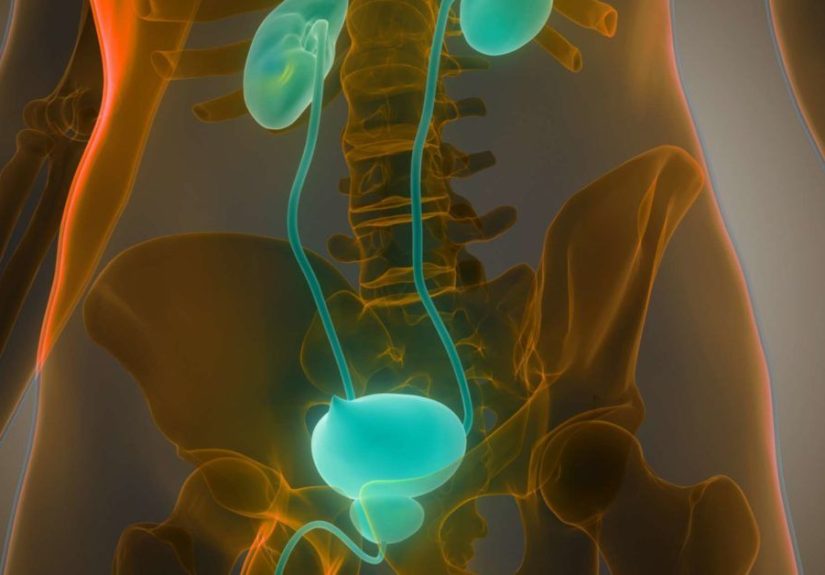
With BPH, the “clog” is prostate tissue squeezing the urethra. The “overflow” can be
urinary retention (not emptying the bladder). And the upstream issue can be
hydronephrosisswelling of one or both kidneys from backed-up urine. High pressure over time can reduce
kidney function, sometimes suddenly (acute kidney injury) or gradually (chronic kidney disease).
What “renal failure” means in the BPH context
Post-renal acute kidney injury (AKI): the fast version
A blocked urinary tract is one of the classic “post-renal” causes of acute kidney injury. If the bladder outlet is
severely obstructedespecially with acute urinary retentionkidney function can worsen quickly. The good news is that
prompt relief of obstruction often leads to major improvement. The not-so-fun news is that waiting it out
“to see if it passes” can make the damage worse.
Chronic kidney disease (CKD): the slow-burn version
Chronic retention and long-standing high bladder pressure can quietly harm the kidneys over months or years. Some people
don’t realize how much urine is being retained because their body “adapts” in unhelpful wayslike frequent small voids,
dribbling, or nighttime urination that feels like a normal part of aging.
Infection can add fuel to the fire
Retained urine increases the risk of urinary tract infections (UTIs). Recurrent infectionsand especially kidney
infectionscan further stress kidney function. So while BPH doesn’t directly “infect” your kidneys, it can create the
conditions that make infections more likely.
Signs your BPH might be affecting your kidneys (or heading that way)
Many BPH symptoms are bothersome but not dangerous. Kidney-risk symptoms tend to cluster around
inability to empty and back-pressure.
- Inability to urinate (acute urinary retention): painful, urgent, and an emergency.
- Feeling “never empty” after peeing, especially with a weak stream, straining, or stop-and-start flow.
- Overflow dribbling or leakage after you thought you were done (sometimes a sign of chronic retention).
- Recurrent UTIs (burning, urgency, fever, cloudy urine, foul odor) or repeated antibiotics for “bladder infections.”
- Blood in the urine (visible red/pink or persistent microscopic blood found on testing).
- Flank or back pain (especially with nausea/vomiting or fevercould indicate obstruction or infection).
- Unexplained rising creatinine/eGFR changes on routine lab work.
- Kidney swelling (hydronephrosis) found on ultrasound or other imaging.
One tricky point: kidney damage can be silent. You can have significant retention and hydronephrosis
without dramatic pain. That’s why persistent symptomsespecially worsening symptomsdeserve evaluation rather than
“I guess this is my personality now.”
Am I at risk? A practical checklist
You don’t need to memorize a urology textbook. You just need to know which patterns make kidney complications more
likely. Consider yourself at higher risk if you have several of the items below:
1) Your symptoms are severe or clearly progressing
- Weak stream that keeps getting weaker
- Straining to start urination
- Frequent nighttime urination (nocturia) that’s increasing
- Urgency and frequency plus a sense of incomplete emptying
2) You’ve had urinary retentionacute or chronic
- A prior episode where you couldn’t pee at all
- A high post-void residual (PVR) on bladder scan
- Chronic “always some left” retention, even if you can still urinate
3) You have red-flag complications already
- Recurrent UTIs
- Bladder stones
- Persistent hematuria
- Hydronephrosis or abnormal kidney labs
4) You have conditions that make retention more likely
- Diabetes with nerve involvement (can affect bladder function)
- Neurologic disease affecting bladder emptying
- Severe constipation (yes, plumbing is a team sport)
5) Your meds or habits are quietly worsening blockage
Certain over-the-counter cold/allergy meds can tighten urinary muscles or reduce bladder contraction, making retention
more likely. Heavy alcohol intake, dehydration followed by “chugging,” and long periods of immobility can also contribute
to retention in susceptible people.
Bottom line: kidney risk rises when BPH causes persistent retention and back-pressure, not simply because
your prostate is larger than it used to be.
How clinicians check kidney risk from BPH
If a clinician is evaluating “BPH renal failure risk,” they’re usually trying to answer three questions:
(1) How blocked is the flow? (2) How well is the bladder compensating? (3) Is there kidney stress upstream?
History and symptom scoring
Expect questions about weak stream, nocturia, urgency, incomplete emptying, infections, and any episode of retention.
Many clinics use a validated symptom questionnaire (often the IPSS/AUA symptom score) to quantify severity and track
change over time.
Physical exam and basic tests
- Digital rectal exam (DRE) to assess prostate size/texture (not a fan favorite, but fast).
- Urinalysis to look for infection, blood, or other clues.
- Blood tests such as creatinine and estimated GFR to assess kidney function.
- PSA may be used as part of evaluation depending on age, risk, and shared decision-making.
Post-void residual (PVR): “How much is left in the tank?”
A bladder scan after you urinate can estimate how much urine remains. A high residual suggests poor emptying and raises
concern for chronic retentionone of the major pathways toward kidney problems.
Ultrasound or imaging when kidney risk is suspected
If symptoms are severe, retention is suspected, or labs are abnormal, clinicians may order imaging (often ultrasound) to
evaluate bladder volume, residual urine, and whether the kidneys show hydronephrosis.
Specialist testing if needed
Depending on the case, a urologist might add uroflow testing, cystoscopy, or urodynamicsparticularly if the picture is
complicated (mixed symptoms, prior surgery, neurologic conditions, or unclear cause of retention).
Treatment: how to lower kidney risk (without becoming a professional bathroom scout)
If kidney risk is the concern, the goal is straightforward: reduce obstruction and reduce retention.
Symptoms matter, but pressure and emptying matter even more.
Immediate relief: when the bladder is overfull
For acute urinary retention or severe chronic retention with kidney impact, clinicians often start with
catheter drainage. This is not glamorous, but it’s effective at quickly lowering pressure. If infection is
present, it’s treated. If labs are abnormal, they’re rechecked as obstruction resolves.
Medications that can help (and what they’re good at)
- Alpha blockers relax prostate and bladder neck muscles to improve flow (often works quicklydays to weeks).
- 5-alpha reductase inhibitors can shrink prostate tissue over time (think months), helpful for larger prostates.
- Tadalafil may improve urinary symptoms in some men, particularly with coexisting erectile dysfunction.
Medication choice depends on prostate size, symptom pattern, side effects, blood pressure, and personal priorities.
If kidney function is threatened or retention is severe, meds alone may not be enoughand that’s not a personal failure,
it’s physics.
Procedures and surgery: when “more room” is the safest plan
When BPH leads to complications such as refractory retention or kidney problems, urology guidelines commonly recommend
procedural treatment to relieve obstruction. Options vary by anatomy, prostate size, bleeding risk, and local expertise.
Common categories include:
- Resection/enucleation procedures (for example, TURP or laser approaches such as HoLEP).
- Minimally invasive therapies for selected patients (depending on prostate anatomy and severity).
- Simple prostatectomy for very large prostates in appropriate candidates.
If your clinician is mentioning hydronephrosis, rising creatinine, or recurrent retention, it’s not to scare youit’s to
prevent a reversible problem from becoming permanent.
Self-care moves that help (and a few that backfire)
Helpful habits
- Time fluids strategically: hydrate earlier in the day; reduce liquids 2–3 hours before bed to cut nocturia.
- Go easy on bladder irritants: caffeine, heavy alcohol, and very spicy foods can worsen urgency/frequency.
- Prevent constipation: constipation can worsen urinary symptoms and retention for some people.
- Track your pattern: note nighttime trips, stream strength, and “incomplete emptying” sensationsuseful data for your visit.
Common backfires
-
Over-the-counter decongestants or some antihistamines can worsen retention in susceptible men.
If you’re prone to retention, ask a clinician/pharmacist before grabbing cold meds. - Ignoring repeated UTIs or assuming burning is “just aging.”
- Waiting out complete inability to urinatethat one is emergency territory.
When to seek urgent care or the ER
Call urgent care or go to the ER if you have:
- Sudden inability to urinate, especially with painful lower abdominal pressure
- Fever, chills, flank/back pain, or vomiting (possible kidney infection or severe obstruction)
- Severe pain with urination changes
- Significant blood in the urine or blood clots
- Confusion, profound weakness, or signs of dehydration plus urinary obstruction
FAQs people ask (usually right after they ask the Wi-Fi password at the clinic)
Can kidney function recover if BPH caused obstruction?
Often, yesespecially when the obstruction is relieved promptly. Recovery depends on how long the blockage existed and
whether there was repeated retention, infection, or long-term hydronephrosis. The earlier the intervention, the better
the odds of meaningful improvement.
Does a bigger prostate automatically mean more kidney risk?
Not automatically. Prostate size matters, but the real issue is how much it affects flow and bladder emptying. Some men
with large prostates have mild symptoms; others with modest enlargement have significant obstruction.
How do I know if my symptoms are “just annoying” or “actually risky”?
Annoying becomes risky when you’re retaining urine, getting recurrent infections, seeing blood in urine, or showing kidney
stress on labs/imaging. If your symptoms are worsening or you feel incomplete emptying, a check-in is worth it.
Real-world experiences: what this journey can feel like (about )
Everyone’s body tells the story a little differently, but certain experiences come up again and again in clinics and
support groups. Here are a few common “this is what it felt like” patternsshared as realistic composites, not as medical
advice or a substitute for evaluation.
“I thought waking up five times a night was normal.”
Many men describe a slow shift: first it’s one extra bathroom trip at night, then two, then four. They start timing their
life around restroomschoosing aisle seats, scouting gas stations, and learning the location of every public bathroom like
it’s an Olympic event. The turning point often isn’t discomfortit’s exhaustion. When sleep gets chopped into tiny pieces,
people notice daytime fatigue, irritability, and brain fog. After evaluation, some discover they’ve been retaining urine
for a long time. Treatmentsometimes medication, sometimes a proceduredoesn’t just improve symptoms; it can prevent the
“quiet” complications that retention can cause.
“I could pee… but I never felt empty.”
Another common experience is the confusing middle ground: you’re still urinating, so it doesn’t feel like an emergency.
But the stream is weak, it starts and stops, and you leave the bathroom feeling like you’re only half done. Some men
notice dribbling after they zip up (the world’s least satisfying surprise). Over time, urgency and frequency increase,
and they may get UTIs or bladder irritation. When a bladder scan finally measures a high post-void residual, it’s a
“waitthat much was left?” moment. That’s often when the kidney-protection conversation begins.
“The cold medicine did me dirty.”
A surprisingly frequent story involves an ordinary cold: someone takes a decongestant or certain allergy meds, and
suddenly urination becomes dramatically harder. They strain, the stream dwindles, and thennothing. Acute urinary
retention can be painful and scary, and it’s one of the clearest examples of how BPH can go from inconvenient to urgent.
After emergency treatment (often catheter drainage), many men become more cautious about OTC medications and schedule
follow-up care to reduce the chance of a repeat episode.
“I didn’t feel kidney symptomsmy labs told the tale.”
Some men find out about kidney stress the least dramatic way possible: routine blood work shows a rise in creatinine or a
dip in eGFR. No fireworks, no obvious painjust a number that nudges the clinician to ask, “How’s your urination?”
Imaging may reveal hydronephrosis or a very full bladder after voiding. This experience can feel surreal: your kidneys are
raising an alarm, but your day-to-day symptoms didn’t seem “that bad.” In these cases, addressing obstruction can be a
genuine reliefboth physically and emotionallybecause it turns an invisible risk into a solvable plan.
If any of these feel familiar, the takeaway isn’t panicit’s precision. You don’t need to guess. A focused evaluation can
tell you whether you’re dealing with nuisance symptoms or a kidney-risk pattern, and what the next best step is.