Table of Contents >> Show >> Hide
- What Is Botox?
- Cosmetic Uses of Botox
- Medical Uses of Botox
- How the Botox Procedure Works
- When Do Botox Results Appear?
- Common Side Effects of Botox
- Serious Risks and When to Seek Help
- Who Should Avoid Botox?
- Botox vs. Fillers: What Is the Difference?
- How to Choose a Safe Botox Provider
- Natural-Looking Botox: What Patients Usually Want
- How Much Maintenance Is Needed?
- Real-World Experiences: What Botox Can Feel Like Before, During, and After
- Conclusion
Botox is one of those words that has escaped the doctor’s office and wandered confidently into everyday conversation. People mention it at brunch, in skin care videos, at medical appointments, and sometimes while staring at a bathroom mirror wondering when their forehead started keeping a diary. But Botox is more than a wrinkle treatment. It is a purified form of botulinum toxin type A, used in tiny, controlled doses to temporarily relax targeted muscles or reduce certain gland activity.
In cosmetic medicine, Botox is best known for softening expression lines, including forehead creases, crow’s feet, and frown lines between the eyebrows. In medical care, it can help treat chronic migraine, overactive bladder, excessive sweating, muscle spasms, certain eye movement disorders, and more. That range may sound surprising, but the basic idea is simple: when nerve signals are temporarily blocked in a specific area, the muscle or gland involved can calm down.
Still, Botox is not a magic wand, a permanent eraser, or something to buy online and try at home. It is a prescription treatment that should be given by a trained, licensed medical professional. When done properly, it can be safe and effective for many people. When done poorly, cheaply, or with counterfeit products, it can turn from “fresh and rested” into “why is my eyelid auditioning for a sad movie?” very quickly.
What Is Botox?
Botox is the brand name for onabotulinumtoxinA, a medication made from a purified neurotoxin produced by the bacterium Clostridium botulinum. That may sound dramatic, but dose and delivery matter. In medicine, many powerful substances become useful treatments when refined, measured, and administered correctly. Botox works by temporarily preventing nerves from releasing acetylcholine, a chemical messenger that tells muscles to contract.
When a small amount is injected into a targeted muscle, that muscle relaxes for a limited time. For wrinkles caused by repeated facial expressions, relaxed muscles mean the overlying skin folds less forcefully. For medical conditions involving spasms, overactive muscles, or excessive sweating, the same nerve-blocking effect can reduce symptoms.
Botox is not the only botulinum toxin product. Other FDA-approved products include Dysport, Xeomin, Jeuveau, and Daxxify for certain uses. These products are not interchangeable unit-for-unit. In plain English: one brand’s “unit” is not automatically equal to another brand’s “unit,” so dosing must be handled by a qualified clinician who understands the specific product.
Cosmetic Uses of Botox
Cosmetic Botox is used to reduce the appearance of dynamic wrinkles. These are lines that form from repeated facial movements, such as smiling, squinting, frowning, raising the eyebrows, or making the face you make when someone says, “Let’s circle back.” Over time, dynamic lines can become visible even when the face is relaxed.
Forehead Lines
Forehead lines appear when the frontalis muscle lifts the eyebrows. Botox can soften horizontal forehead creases by reducing excessive muscle contraction. The goal is usually not to freeze the face into a porcelain mask. A skilled injector aims for a smoother forehead while preserving natural expression.
Frown Lines Between the Eyebrows
Glabellar lines, often called “11 lines,” form between the eyebrows when people frown, concentrate, or read confusing assembly instructions. Botox can relax the muscles that pull the brows inward, making the area look softer and less tense.
Crow’s Feet
Crow’s feet are the fine lines that fan out from the outer corners of the eyes. They often show up from smiling and squinting. Botox can reduce the strength of the tiny muscles around the eyes, helping the lines appear less pronounced while still allowing a natural smile.
Other Cosmetic Areas
Experienced injectors may also use botulinum toxin for neck bands, jawline slimming, gummy smiles, bunny lines on the nose, lip flip treatments, chin dimpling, and downturned mouth corners. Some of these uses may be considered off-label, meaning a clinician may legally use the medication based on professional judgment even if that exact use is not listed in the FDA-approved labeling.
Medical Uses of Botox
Botox has a serious medical résumé. While its cosmetic fame gets the spotlight, its therapeutic uses can be life-changing for people with certain chronic conditions.
Chronic Migraine
Botox may be used to help prevent chronic migraine in adults who have headaches on 15 or more days per month, with migraine features on at least eight of those days. Treatment is usually repeated at intervals determined by a clinician. The goal is prevention, not instant relief during a migraine attack.
Excessive Sweating
For people with severe underarm sweating, also called primary axillary hyperhidrosis, Botox can block the nerve signals that activate sweat glands. This can reduce sweating significantly in the treated area. It does not stop the body from regulating temperature overall; it targets the specific overactive sweat glands.
Muscle Spasticity and Cervical Dystonia
Botox can help treat certain conditions involving involuntary muscle contractions, stiffness, or spasms. Cervical dystonia, for example, causes abnormal neck muscle contractions that may lead to pain and unusual head positioning. Carefully placed injections can reduce muscle overactivity and improve comfort.
Overactive Bladder
For some adults with overactive bladder symptoms that do not respond well to other treatments, Botox may be injected into the bladder muscle. This can help reduce urgency, frequency, and leakage. Because urinary retention can occur, patients need proper evaluation and follow-up.
Eye Conditions
Botox has been used for certain eye-related disorders, including blepharospasm, which involves uncontrollable eyelid twitching or closure, and strabismus, a condition in which the eyes do not align properly. In these cases, Botox helps by relaxing specific eye or eyelid muscles.
How the Botox Procedure Works
A Botox appointment is usually quick, but it should still be medical, thoughtful, and personalized. Before treatment, a provider should review your health history, medications, allergies, pregnancy or breastfeeding status, previous reactions to botulinum toxin, and treatment goals. This is not the time to be mysterious. Your injector needs the full story, not the trailer.
Consultation and Planning
For cosmetic treatment, the provider may ask you to smile, frown, raise your eyebrows, or squint so they can see how your muscles move. For medical treatment, the evaluation depends on the condition being treated. A migraine protocol looks very different from treatment for underarm sweating or bladder symptoms.
The clinician will choose injection sites based on anatomy, muscle strength, symptoms, and desired results. Good Botox is not simply “a little here, a little there.” It requires understanding where muscles start, where they pull, and how one area affects another. Faces are connected systems, not coloring books.
During the Injection
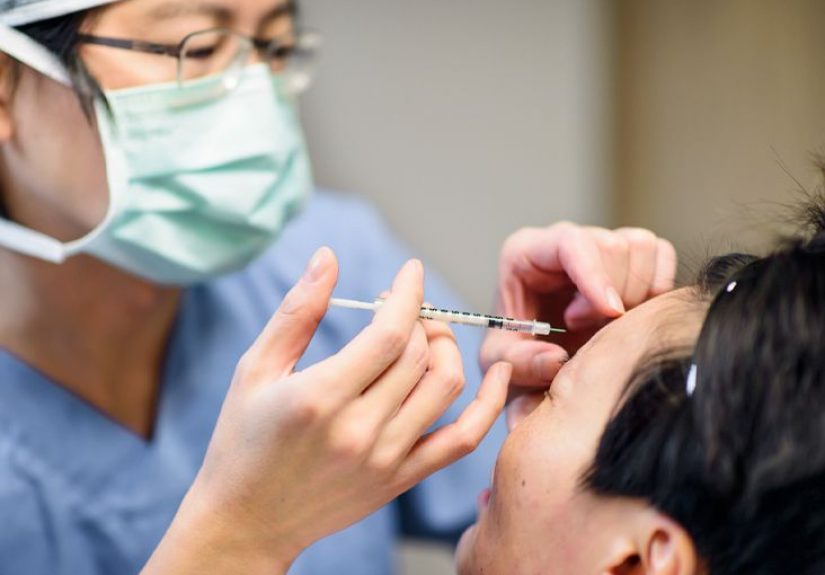
The injection itself is usually done with a very fine needle. Most people describe the sensation as a brief pinch or tiny sting. For cosmetic facial Botox, anesthesia is often unnecessary, though some providers may use ice or a topical numbing option for comfort. Medical treatments may involve different preparation depending on the site and condition.
The number of injections varies. A small cosmetic treatment may involve only a handful of injection points, while chronic migraine treatment uses a more structured pattern across the head and neck. The appointment may take only minutes for simple cosmetic use, though the consultation and planning should not feel rushed.
Aftercare
Most people can return to normal daily activities right away. Providers commonly advise patients not to rub or massage the treated area soon after cosmetic injections because pressure may increase the chance of product moving to an unintended area. Patients may also be told to avoid strenuous exercise, lying flat, or certain skin treatments for a short period, depending on the provider’s instructions.
When Do Botox Results Appear?
Botox does not work instantly. Many people start noticing changes within a few days, with fuller results often appearing around one to two weeks after treatment. The effect is temporary because nerve signaling gradually recovers. Cosmetic results commonly last around three to four months, though duration varies by individual, dose, treatment area, metabolism, muscle strength, and product used.
For medical uses, the timeline and duration depend on the condition. Some patients experience symptom improvement within days, while others may need more time or repeated treatment cycles. The provider should explain what to expect for the specific medical indication.
Common Side Effects of Botox
Most Botox side effects are mild and temporary, especially when treatment is performed correctly. Common effects may include redness, swelling, soreness, bruising, tenderness, or mild headache. These are often related to the injection process itself rather than the medication spreading widely.
Cosmetic facial Botox can occasionally cause temporary eyelid drooping, eyebrow asymmetry, dry eyes, watery eyes, or an uneven smile, depending on the area treated. These effects usually improve as the medication wears off, but they can be frustrating. Nobody books Botox hoping to look “surprised on one side.”
For medical treatments, side effects may vary by injection site. Neck treatments may cause neck pain or weakness. Bladder injections may increase the risk of urinary tract infection or difficulty emptying the bladder. Migraine treatments may cause neck discomfort or injection-site pain.
Serious Risks and When to Seek Help
Botox and similar products carry warnings because botulinum toxin effects may spread beyond the injection site in rare cases. Symptoms can include trouble swallowing, trouble breathing, muscle weakness, vision changes, drooping eyelids, hoarseness, difficulty speaking, or loss of bladder control. These symptoms require urgent medical attention.
People with certain neuromuscular disorders, such as myasthenia gravis, Lambert-Eaton syndrome, or amyotrophic lateral sclerosis, may have higher risk of serious side effects. Anyone with a history of swallowing problems, breathing problems, facial surgery, severe allergies, or previous reaction to botulinum toxin should discuss this carefully with a qualified clinician.
Another major safety issue is counterfeit or unapproved botulinum toxin. Health authorities have warned about harmful reactions linked to fake products, products from unverified sources, and injections performed by unlicensed or untrained individuals in homes, spas, or informal settings. If the price looks suspiciously low, the setting feels sketchy, or the provider seems allergic to credentials, leave. Your face and nervous system deserve better customer service.
Who Should Avoid Botox?
Botox may not be appropriate for everyone. People should generally avoid treatment if they have an infection at the planned injection site or a known allergy to botulinum toxin products or ingredients in the formulation. Pregnant or breastfeeding patients should discuss risks and alternatives with their healthcare provider because safety data may be limited for elective use.
Patients taking blood thinners, muscle relaxants, certain antibiotics, sleep medications, or other drugs that affect nerves or muscles should tell their provider. Medication interactions do not always rule out treatment, but they do require careful review.
Botox vs. Fillers: What Is the Difference?
Botox relaxes targeted muscles. Dermal fillers add volume, contour, or structure. That is the simplest distinction. Botox is often used for expression lines, while fillers are commonly used for volume loss, deeper folds, lips, cheeks, and facial balancing. They can be used together in some treatment plans, but they are different tools.
Think of Botox as telling an overactive muscle, “Please take a vacation.” Fillers are more like restoring padding in areas where volume has decreased. A trained provider can help determine whether lines are caused mainly by movement, volume loss, skin texture, sun damage, or a combination of factors.
How to Choose a Safe Botox Provider
The safest Botox experience starts before the needle appears. Choose a licensed medical professional with proper training in anatomy and injectable treatments. This may include a board-certified dermatologist, plastic surgeon, facial plastic surgeon, qualified nurse injector, physician assistant, or other licensed clinician working within state regulations and medical supervision requirements.
Questions to Ask Before Treatment
Ask what product will be used, whether it is FDA-approved, where it was purchased, how many units are recommended, what side effects are possible, and what follow-up care is available. A good provider should welcome questions. If they act offended because you want to know what is going into your face, that is a red flag wearing a lab coat.
Signs of a Risky Botox Offer
Be cautious with at-home injection parties, social media deals with unclear credentials, online “Botox” products, or anyone willing to inject without a medical history review. Avoid DIY injections entirely. Botulinum toxin is not a craft project, and your bathroom mirror is not a medical facility.
Natural-Looking Botox: What Patients Usually Want
Many people worry Botox will make them look frozen. In reality, an overdone look usually comes from poor planning, excessive dosing, inappropriate placement, or unrealistic goals. Natural-looking Botox often means softening lines while keeping enough movement for expression.
The best cosmetic outcome is not always “no wrinkles at all.” A completely motionless face can look unusual, especially in conversation. A balanced result lets you look rested, approachable, and still fully capable of reacting when someone says they microwave fish in the office kitchen.
How Much Maintenance Is Needed?
Botox is temporary, so maintenance is part of the plan. Many cosmetic patients return every three to four months, though some stretch appointments longer. Medical treatment schedules depend on the condition, response, and approved protocols. More is not always better. Too frequent or excessive treatment may increase risk of side effects and may not improve results.
Healthy skin habits can support cosmetic outcomes. Sunscreen, gentle cleansing, moisturizers, retinoids when appropriate, sleep, hydration, and not smoking all matter. Botox can soften movement lines, but it does not replace skin care, sun protection, or a lifestyle that does not treat your skin like a forgotten patio cushion.
Real-World Experiences: What Botox Can Feel Like Before, During, and After
Many first-time Botox patients arrive with two emotions packed in the same bag: curiosity and nerves. They may have seen dramatic before-and-after photos online, heard glowing reviews from friends, or noticed that their reflection looks more tired than they feel. The first consultation often becomes a mix of education, expectation-setting, and gentle myth-busting.
A common experience is surprise at how quick the treatment feels. People often expect a long, intense procedure, but cosmetic Botox may be completed in a short appointment after the consultation. The needle is small, the injections are brief, and most patients walk out looking mostly the same at first. That last part matters. Botox is not like flipping a light switch. You do not leave the clinic with a brand-new forehead and theme music playing.
Over the next few days, patients may notice that treated muscles feel slightly less responsive. The forehead may not lift as strongly, frown lines may soften, or crow’s feet may become less noticeable when smiling. For some people, this feels odd at first, like their face is ignoring a tiny instruction. For others, it feels completely normal. The best results usually appear gradually, which is one reason Botox can look natural when performed well.
There can also be emotional adjustment. Some people love the refreshed look immediately. Others need a week or two to decide how they feel. A person who has spent years seeing deep frown lines may feel relieved when those lines soften. Another person may realize they prefer more movement and ask for a lighter approach next time. Good Botox is often a conversation over time, not a one-and-done decision.
Medical Botox experiences can be even more meaningful. A patient with chronic migraine may not care about forehead smoothness at all; they want fewer headache days and more predictable routines. Someone with excessive sweating may feel more confident wearing certain clothes or raising their hand without anxiety. A person with muscle spasms may be looking for comfort, function, and relief. In these cases, Botox is not about vanity. It is about quality of life.
Side effects, when they happen, can shape the experience too. A small bruise may be easy to cover. A mild headache may pass quickly. But an uneven brow or temporary drooping eyelid can be upsetting, even if it improves with time. This is why follow-up care matters. Patients should know whom to call, what symptoms are normal, and what warning signs require urgent help.
Many experienced Botox users learn that the provider matters as much as the product. They look for someone who studies facial movement, listens carefully, and does not push unnecessary treatment. They also learn that conservative dosing can be a smart starting point. It is usually easier to add a little more later than to wait out an over-treated area.
Another real-world lesson is that Botox does not fix everything. It will not erase sun damage, replace lost facial volume, tighten loose skin dramatically, or solve every wrinkle. People happiest with Botox usually understand what it can and cannot do. They see it as one tool in a broader skin health or medical care plan.
Perhaps the most practical experience-based advice is this: avoid chasing trends. The treatment that looks great on one face may not suit another. Facial anatomy, age, muscle strength, skin quality, medical history, and personal style all matter. A good result should look like you on a well-rested day, not like you borrowed someone else’s eyebrows for the weekend.
Conclusion
Botox is both a cosmetic treatment and a medical therapy with a wide range of uses. It can soften expression lines, help prevent chronic migraine, reduce excessive sweating, calm certain muscle spasms, treat specific eye conditions, and support bladder control in selected patients. Its benefits come from precise, temporary nerve signal blocking in targeted areas.
However, Botox is still a prescription medication with real risks. Side effects can range from mild bruising to rare but serious symptoms involving swallowing, breathing, muscle weakness, or toxin spread. The safest path is to choose a qualified medical provider, avoid counterfeit products, ask clear questions, and keep expectations realistic.
Done thoughtfully, Botox can be subtle, useful, and confidence-boosting. Done carelessly, it can become a cautionary tale with eyebrows. The smartest approach is not to fear Botox or worship it, but to understand it.