Table of Contents >> Show >> Hide
- What Counts as an “Electric Composter” in 2025?
- How We Evaluated the Best Electric Composters of 2025
- Best Electric Composters of 2025: The Standout Picks
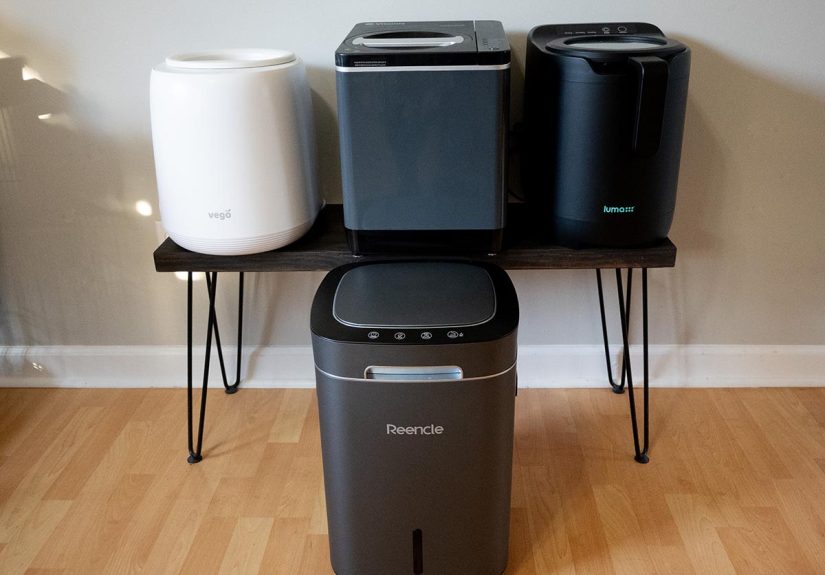
- 1. Reencle Prime Best Overall for Real Composting at Home
- 2. Mill Food Recycler Best for Larger Households and Least Daily Hassle
- 3. Lomi 3 Best for Small Kitchens and Fast, Flexible Cycles
- 4. Vitamix FoodCycler Eco 5 Best Compact Pick for Straightforward Use
- 5. Vego Kitchen Composter Best Smart Features for Gardeners
- 6. Luma Electric Kitchen Composter Best Budget-Minded Alternative
- Which Electric Composter Is Right for You?
- What to Know Before You Buy
- Final Verdict: The Best Electric Composters of 2025
- Real-World Experiences With Electric Composters in 2025
- SEO Tags
If you have ever opened your kitchen trash can after taco night and felt personally attacked, welcome. Electric composters are having a big moment because they promise something modern life desperately wants: less smell, less mess, and less guilt about all those avocado peels, coffee grounds, and mystery leftovers shoved to the back of the fridge. In 2025, the category is better than ever, but it is also more confusing than a streaming app menu. Some machines create something close to true compost with microbial action. Others dry and grind scraps into a neat, low-odor material that is much easier to store, transport, or add to a backyard compost pile.
That distinction matters. A lot. So instead of tossing every shiny machine into one blender and hitting puree, this guide looks at the best electric composters of 2025 based on what real households actually need: low odor, easy cleanup, sensible capacity, acceptable noise, good handling of food scraps, and output you will realistically use instead of forgetting in the garage next to the old paint cans and one rogue Christmas ornament.
What Counts as an “Electric Composter” in 2025?
In everyday conversation, people use the term electric composter for almost every plug-in food-waste machine. In practice, though, there are two main camps. The first uses heat, grinding, and airflow to dry down scraps fast. These machines are excellent at reducing volume, controlling odor, and making food waste less gross to handle. The second relies more on microbial action, which means slower transformation but a result that is closer to true compost.
That is why the best pick for an apartment dweller is not automatically the best pick for a serious gardener. One machine may be brilliant for turning soggy leftovers into a dry, manageable output overnight. Another may be better for someone who actually wants living compost for raised beds and containers. The best electric composter of 2025 is the one that matches your lifestyle, not the one with the prettiest product photo beside a fiddle-leaf fig.
How We Evaluated the Best Electric Composters of 2025
To separate genuinely helpful machines from countertop drama queens, the most important criteria are pretty simple. First comes output quality: does the machine create real compost, a usable soil amendment, or just a dried food grind that still needs a next step? Then comes capacity, because a two-person household that cooks once a day has very different needs from a family that treats dinner like a competitive sport.
We also looked at odor control, noise, speed, accepted scraps, ongoing maintenance, and ease of daily use. That last part is more important than people admit. A machine can be technically impressive and still fail if it is annoying to empty, weirdly loud, hard to clean, or fussy about what goes inside. Kitchen tools do not need to be soulmates, but they do need to make your life easier.
Best Electric Composters of 2025: The Standout Picks
1. Reencle Prime Best Overall for Real Composting at Home
If your dream scenario is not merely shrinking food scraps but actually creating real compost indoors, the Reencle Prime is the standout choice. Its biggest advantage is the microbial system, which works continuously instead of forcing you into a strict “load, lock, wait, unload” cycle. That alone makes it feel more like an actual composting ecosystem and less like a kitchen appliance pretending to be one.
For gardeners, that matters. The Reencle Prime is especially appealing if you want output that is closer to usable compost rather than dry food grounds. It also scores points for low odor and relatively quiet performance, which is a non-negotiable feature unless you enjoy your kitchen sounding like a nervous robot chewing celery at midnight.
Best for: gardeners, eco-minded households, and anyone who wants a true composting-style experience indoors.
Watch-outs: microbial systems require a little more patience and understanding than one-button dehydrator-style machines.
2. Mill Food Recycler Best for Larger Households and Least Daily Hassle
The Mill Food Recycler is the machine for people who generate serious kitchen scraps and want the most painless routine possible. It is larger than the typical countertop unit and looks more like a sleek kitchen bin than a gadget. That design choice is smart. Mill is built for real family life: bones, peels, leftovers, eggshells, the remains of a roast chicken, and the occasional “why did we buy this much zucchini?” moment.
Its superpower is convenience. Mill can hold a large amount of scraps before you need to deal with the output, and that changes the user experience dramatically. Instead of babysitting a small bucket every day, you treat food waste more like ordinary disposal, only much cleaner and more intentional. The trade-off is that it is not a true composter. It creates dry food grounds, not finished compost. Still, if your goal is reducing smell, minimizing trash volume, and making organics easier to use in a compost pile or garden later, Mill is one of the strongest options on the market.
Best for: busy families, frequent cooks, and anyone who wants the least fussy daily workflow.
Watch-outs: premium price, bigger footprint, and the output still benefits from further composting or careful soil use.
3. Lomi 3 Best for Small Kitchens and Fast, Flexible Cycles
The Lomi 3 remains one of the most recognizable names in the category, and for good reason. It is compact, polished, app-connected, and designed for people who want a countertop machine that feels modern instead of industrial. It offers multiple modes, including a faster cycle for day-to-day waste reduction and a longer mode aimed at producing a more garden-friendly result.
Its strongest selling point is flexibility. If you live in an apartment, care deeply about odor control, and want something that can sit on the counter without looking like a lab experiment, Lomi 3 makes a lot of sense. It is also quieter than many older food recyclers, which makes overnight use more practical. The catch is that it is better understood as a high-end food recycler than a magic dirt machine. It handles the messy part of food waste beautifully, but many users will still want to pair the output with a municipal organics program, a worm bin, or a backyard compost system.
Best for: apartment dwellers, small kitchens, and shoppers who value design and smart features.
Watch-outs: smaller capacity than larger floor units and a premium price for a countertop model.
4. Vitamix FoodCycler Eco 5 Best Compact Pick for Straightforward Use
If you want the electric-composter equivalent of a reliable sedan instead of a luxury spaceship, the Vitamix FoodCycler Eco 5 is a strong buy. It is compact, fairly simple to operate, and focused on doing one job well: reducing food waste quickly into a dry, manageable output. The larger 5-liter bucket is a welcome improvement over older, smaller models because it gives households a bit more breathing room before every cycle.
The Eco 5 is a great choice for people who want something cleaner and easier than a traditional countertop scrap bin but are not hunting for a heavily app-driven or ecosystem-based product. It is especially practical for households that already have another end use for the output, such as adding it to an outdoor compost pile, trench composting, or including it in a curbside organics stream where allowed.
Best for: first-time buyers, compact homes, and anyone who wants a less intimidating entry into the category.
Watch-outs: like other heat-and-grind units, it is more recycler than true composter.
5. Vego Kitchen Composter Best Smart Features for Gardeners
The Vego Kitchen Composter is one of the most interesting electric composters of 2025 because it splits the difference between smart-home gadgetry and garden usefulness. It offers multiple modes, app monitoring, built-in weighing, and a processing approach designed to give users more control over the type of output they want. That makes it especially appealing for people who actually plan to use the end product in beds, planters, or lawns instead of merely applauding themselves for being sustainable while the output sits untouched in a bucket.
Vego also feels tailored to gardeners in a way many competitors do not. The mode choices are more specific, and the messaging is more directly tied to real garden use. For someone already growing herbs, tomatoes, flowers, or a raised-bed jungle that has quietly turned into a second job, that matters.
Best for: gardeners, tinkerers, and buyers who want more control over the machine’s output modes.
Watch-outs: to get the most from it, you will likely use the brand’s tabs and maintenance accessories.
6. Luma Electric Kitchen Composter Best Budget-Minded Alternative
The Luma Electric Kitchen Composter is a solid option for shoppers who want the benefits of a compact electric unit without leaping straight into the highest price tier. It is small enough for tighter kitchens, offers touchscreen controls, and follows the familiar drying-grinding-cooling cycle that many users find simple and approachable.
This is not the unit for someone trying to optimize an elaborate composting system with maximum biological sophistication. It is for the person who is tired of a stinky countertop scrap bin, wants fewer fruit flies, and would love to stop throwing away every peel and crust with the regular trash. That is a perfectly good reason to buy an electric composter, by the way. Environmental virtue can absolutely begin with “I do not want the kitchen to smell weird.”
Best for: smaller households, beginners, and price-conscious shoppers who still want a dedicated appliance.
Watch-outs: smaller capacity and fewer advanced ecosystem features than category leaders.
Which Electric Composter Is Right for You?
- Choose Reencle Prime if your priority is real compost and garden use.
- Choose Mill if you cook a lot, hate kitchen waste maintenance, and want the easiest routine.
- Choose Lomi 3 if you want a stylish countertop unit with flexible cycles and app features.
- Choose Vitamix FoodCycler Eco 5 if you want simple, compact, dependable food-waste reduction.
- Choose Vego if you want smart controls and more garden-oriented output options.
- Choose Luma if you want a smaller, more affordable entry point.
What to Know Before You Buy
Capacity Beats Marketing
The number one mistake shoppers make is underestimating how much food waste their household creates. If you cook often, prep lots of produce, or have kids who produce half-eaten snacks with supernatural speed, a tiny machine will get old fast. Capacity is not glamorous, but it affects satisfaction more than almost anything else.
Odor Control Is the Real Luxury Feature
Everyone talks about sustainability, but what keeps most people using these machines is odor control. A good electric composter earns its keep by stopping that damp-trash smell before it starts. Filters, sealing, airflow, and cycle timing all matter here.
Understand the Output
If your machine mainly dries and grinds food scraps, treat the output as a helpful intermediate product, not automatically finished compost. It can still be extremely useful. It is lighter, cleaner, easier to store, and far better for adding to an outdoor compost pile or some approved local organics systems. But it is smart to know what you are getting before you enthusiastically sprinkle it everywhere like fairy dust.
Maintenance Is Part of the Deal
Every electric composter needs some level of cleaning, filter changes, or consumables. Some ask very little. Others ask for more ongoing attention. The best machine is often the one whose maintenance style you will actually tolerate after the honeymoon phase ends.
Final Verdict: The Best Electric Composters of 2025
The electric composter market in 2025 is no longer a novelty aisle. It is a real category with meaningful differences in technology, output, size, and everyday usability. For most people who want something closest to real indoor composting, Reencle Prime is the best all-around choice. For households that care more about effortless food-waste reduction than biological purity, Mill Food Recycler is incredibly compelling. Lomi 3 remains a strong countertop favorite, Vitamix FoodCycler Eco 5 is a dependable compact option, Vego is one of the smartest garden-focused picks, and Luma offers a more accessible path into the category.
In other words, the best electric composter of 2025 is not one universal machine. It is the one that fits your scraps, your space, your patience level, and your willingness to become the kind of person who casually says things like, “Hang on, that lemon peel goes in the good bin.”
Real-World Experiences With Electric Composters in 2025
Living with an electric composter is a lot less glamorous than the ads and a lot more useful than skeptics assume. The first thing most people notice is not the environmental impact. It is the sudden disappearance of small household annoyances. The kitchen trash smells less. Fruit flies stop acting like they signed a lease. You do not have to keep a sad bowl of onion skins on the counter or a zip-top bag of scraps in the freezer next to the waffles. That everyday quality-of-life improvement is a huge reason these machines have become so popular.
The second thing people notice is that each type of machine creates a different routine. With a larger unit like Mill, the experience is surprisingly hands-off. You toss scraps in as you cook, keep moving, and let the machine handle the overnight processing. It feels less like composting and more like upgrading your trash system. That is exactly why busy families tend to stick with it. There is less friction, less mess, and fewer “I will deal with this later” moments that turn into refrigerator archaeology.
Countertop machines like Lomi, Luma, and FoodCycler-style models create a different rhythm. They are more interactive. You become aware of bucket capacity, cycle timing, and which scraps are especially wet. Most users end up developing a little kitchen routine without even realizing it: coffee grounds in the morning, prep scraps after dinner, run the cycle overnight, empty when convenient. When the machine works well, it feels oddly satisfying. You go from slimy peels and leftovers to a dry, crumbly material that no longer feels gross. That psychological shift is a big deal. People are much more likely to keep food waste out of the landfill when the process stops being unpleasant.
Then there is the gardener experience, which is where microbial machines like Reencle and garden-focused models like Vego start to shine. For growers, the joy is not just reducing waste. It is closing the loop. Tomato trimmings, coffee grounds, and dinner scraps eventually come back as something useful for containers, beds, and soil improvement. That feels tangible in a way many sustainability habits do not. You are not just “being greener.” You are feeding the system that feeds you, which is a wonderfully smug feeling in the best possible way.
That said, real users also learn the limits quickly. Even the best machine cannot save you from misuse. Overloading wet scraps can slow cycles. Ignoring filters can invite odor. Treating every dried output like finished compost can disappoint gardeners expecting instant black gold. The happiest owners are usually the ones who understand what their machine actually does and use it accordingly. When expectations match reality, electric composters are not gimmicks. They are genuinely helpful kitchen tools that make low-waste living easier, cleaner, and much more realistic for modern homes.