Table of Contents >> Show >> Hide
- Why This ALU Calculator Feels So Different
- The Beauty of Calculator Design Before Everything Went Bland
- How Calculator History Gave This Build Its Soul
- Why the 74181 ALU Still Has Such Mythic Appeal
- Retro Style That Does More Than Decorate
- What This Machine Says About Modern Computing
- Examples From Calculator History That Echo in This Design
- Who This Kind of Calculator Is Really For
- The Experience of Using an ALU Desktop Calculator
- Conclusion
Note: Body-only HTML, ready for web publishing and easy copying.
Some gadgets solve problems. Others steal the whole room. An ALU desktop calculator belongs firmly in the second camp. Yes, it performs math. Yes, it leans on real digital logic. But let’s be honest: its biggest talent is making modern plastic rectangles look like they showed up to a black-tie event wearing gym shorts.
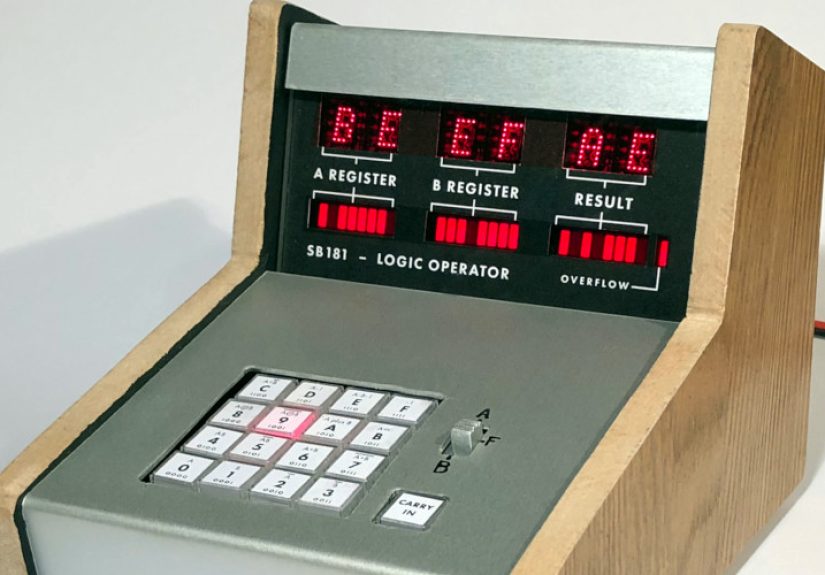
The charm of this machine starts with the idea itself. Instead of building yet another calculator around a modern microcontroller and hiding the magic under layers of firmware, this design turns the arithmetic logic unit, or ALU, into the star of the show. That is deliciously nerdy. It is also deeply stylish. The result feels like something an engineer, science-fiction set designer, and vintage hi-fi collector might have created together after too much coffee and exactly the right amount of stubbornness.
That combination of form and function is what makes the project so memorable. It is not just a retro computing curiosity. It is a reminder that old desktop calculators once looked important. They had presence. They sat on a desk like a promise from the future. And in an age when most calculating happens invisibly inside phones and spreadsheets, a visible, tactile, unapologetically physical calculator feels almost rebellious.
Why This ALU Calculator Feels So Different
Most people hear the word calculator and imagine a familiar decimal keypad, a few memory buttons, and maybe the sad little solar strip that stops working the second you move near a cloud. This machine takes a different road. It is built around the legendary 74181 arithmetic logic unit, a classic 4-bit ALU chip that helped define an era of digital design. Using two of them gives the machine eight bits of processing muscle for hexadecimal work, which means this is not a basic office calculator pretending to be fancy. It is a proper logic-flavored desktop machine with serious retro-computing attitude.
That matters because an ALU is not some decorative vintage badge glued on for effect. It is the computational heart of a processor, the block that handles arithmetic and logical operations. In older computer designs, chips like the 74181 were building blocks for larger systems. Turning that kind of chip into a desktop calculator creates a machine that feels closer to the bones of computing than a normal consumer device. It does not just give answers. It makes you think about how answers happen.
And then there is the styling. This is where the machine stops being merely clever and becomes irresistible. The folded metal console case, wooden end panels, retro typography, and glowing display language all nod to the era when electronics were allowed to look like electronics. No fake minimalism. No glossy black slab trying to look smart by saying nothing. This kind of calculator says plenty, and every inch of it says it with confidence.
The Beauty of Calculator Design Before Everything Went Bland
Electronic calculators changed dramatically in the 1960s and 1970s. Early electronic desktop models replaced mechanical clatter with transistors, chips, and glowing displays, but they did not lose their sense of occasion. If anything, they gained drama. Buttons were chunky. Cabinets were angled. Displays looked like command modules from a science-fiction film. Owning one felt less like buying office equipment and more like parking the future on your desk.
That visual drama was not accidental. Early electronic calculators were expensive, advanced, and aspirational. They needed to communicate value at a glance. A machine sitting in an engineering office, a laboratory, or a finance department had to look worth the money. So manufacturers leaned into bold industrial design: sloped front panels for visibility, wide keycaps for confidence, bright numeric displays for legibility, and housings that made a calculator feel more like an instrument than an appliance.
The ALU desktop calculator borrows that language beautifully. It understands that the golden age of calculator design was never just about nostalgia. It was about visibility. A good vintage-style machine lets you see what it is trying to be. It does not hide behind sleekness. It performs. It announces itself. It has the design equivalent of a clean trumpet fanfare.
How Calculator History Gave This Build Its Soul
To understand why this project hits so hard, it helps to remember the strange and wonderful moment that calculators occupied in technology history. Before pocket calculators became cheap and ordinary, electronic calculators were marvels. Desktop models in the late 1960s represented a huge shift away from bulky mechanical machines. They were quieter, lighter, and more promising than their predecessors, even if they still looked as though they should come with a lab coat and a security clearance.
Then the pace of change became almost absurd. Texas Instruments pushed handheld electronic calculators into the mainstream. Hewlett-Packard raised expectations with the HP-35, turning the calculator from a four-function convenience into a serious scientific tool. Bowmar helped make LED displays iconic. Meanwhile, the same technological push that made calculators smaller and smarter also helped create the microprocessor era. That famous link between calculators and early CPUs is not a side note. It is central to the story.
The Intel 4004 itself emerged from calculator work. That single fact explains why projects like this ALU calculator feel so historically right. The calculator and the computer did not grow up in separate neighborhoods. They were cousins sharing ideas, components, and ambitions. So when a modern builder uses vintage ALU chips to create a calculator that looks like it time-traveled from the 1970s, the result does not feel gimmicky. It feels like a wink to a moment when the future of computing was still sitting out in the open, surrounded by switches and glowing numbers.
Why the 74181 ALU Still Has Such Mythic Appeal
The 74181 has earned a kind of cult status, and not just because the part number sounds like it should be whispered in a candlelit basement full of oscilloscopes. It is loved because it represents a time when digital design was graspable. You could look at the role of a chip, understand what it did, and build something meaningful around it without needing a billion transistors and a software stack taller than a refrigerator.
In practical terms, the 74181 was a powerful building block. It could perform a wide range of arithmetic and logic functions on 4-bit words, and designers could combine chips for wider data paths. That modularity made it useful, but it also made it educational. It embodied the logic of computation in a neat, physical package. For enthusiasts, that makes it more than a component. It makes it a conversation piece with pins.
Using two 74181 chips in a calculator is therefore a technical choice with emotional weight. It tells the user that this machine is not chasing efficiency above all else. It is honoring a lineage. It is saying that older logic hardware still deserves not just respect, but stage lighting.
Retro Style That Does More Than Decorate
Lots of modern products flirt with retro design. Some do it well. Others slap a wood texture on something and call it heritage, which is the industrial-design equivalent of wearing fake glasses to look intellectual. This ALU calculator succeeds because the styling supports the concept rather than distracting from it.
The sloped enclosure makes sense for desk use. The visible display area recalls a time when readouts felt theatrical. The period-accurate font and layout choices reinforce the machine’s identity instead of turning it into parody. Even the use of hexadecimal input adds to that specialized, engineer’s-tool mood. You do not look at this calculator and think, “cute.” You look at it and think, “Who gave mission control a furniture budget?”
That is the difference between nostalgia as decoration and nostalgia as design language. Good retro design does not merely remind you of the past. It revives the values of that past: clarity, presence, tactility, and delight in the machine itself.
What This Machine Says About Modern Computing
One reason retro computing projects keep attracting attention is that they reveal how much modern computing has disappeared into abstraction. Today’s devices are astonishingly capable, but most of their logic is inaccessible. Your phone can navigate a city, edit a video, and emulate a game console from two decades ago, yet it feels sealed, finished, and untouchable. It is miraculous, but not very chatty.
An ALU desktop calculator is the opposite. It invites curiosity. It makes you ask what an ALU does, why hexadecimal matters, how the display is driven, why the enclosure is angled, and what early electronic calculators looked like before the spreadsheet ate the world. In other words, it turns computation back into an object lesson. It makes the process feel local and understandable again.
There is also something refreshing about a machine that does one thing with unapologetic style. Modern devices win on convenience. Vintage-inspired devices often win on meaning. This calculator will not replace the calculator app on your computer. It does not need to. Its job is to remind you that technology can still be specific, tactile, and a little theatrical without apologizing for it.
Examples From Calculator History That Echo in This Design
Desktop calculators of the late 1960s
These machines marked the transition from mechanical to electronic calculation. They still had a desk presence, but they swapped gears and noise for chips and displays. The ALU calculator channels that transition point perfectly. It looks like it belongs to the moment when electronics first started to feel glamorous.
Early LED and display-forward calculators
Once LED displays arrived, calculators became visual performers. The numbers did not just appear; they glowed. That glow helped define the emotional memory of early electronic devices. The ALU calculator taps into that same visual energy by making the display central to the experience, not an afterthought.
HP and the rise of the serious personal calculator
Machines like the HP-35 changed what a calculator could be. They were portable, sophisticated, and aimed at professionals who demanded more than the basic four operations. The ALU calculator is less about portability and more about desktop drama, but it shares the same spirit: build something specialized, memorable, and proudly engineered.
Who This Kind of Calculator Is Really For
Not everyone needs an ALU-based desktop calculator. That is obvious. Most people also do not need mechanical keyboards that sound like a tiny newsroom, yet here we are. Need is not the point. This kind of machine is for people who love the intersection of computing history, industrial design, and hands-on electronics.
It will appeal to retro computing enthusiasts, hardware tinkerers, vintage calculator collectors, designers who appreciate period styling, and programmers who still feel a little thrill when they see hexadecimal done with confidence. It is also for anyone tired of technology that looks anonymous. This calculator has identity, and in a market full of slippery glass rectangles, identity is doing a lot of heavy lifting.
The Experience of Using an ALU Desktop Calculator
The best way to understand the appeal of a machine like this is to imagine it in use. You sit down at a desk. Not a “hot desk” with a sad charging cable and a forgotten sticky note, but a real desk. The kind of desk that deserves walnut, metal, and maybe a task lamp with opinions. The calculator is already there, angled toward you like it has been waiting all morning to prove a point.
You do not poke at it the way you poke at a phone screen. You approach it with intent. The keypad feels deliberate. Each press is a small mechanical event. The display responds like it means it. There is no floating software window, no notification bubble, no accidental brush against a touch surface that opens something you did not ask for. It is just input, logic, output. A compact little drama in three acts.
What makes the experience memorable is that the machine does not disappear. Modern tools are designed to vanish into convenience. This one refuses. You remain aware of the enclosure, the angle, the labels, the glow, the rhythm of the controls, and the fact that the whole thing seems to carry a whisper from the era when “electronic” itself sounded thrilling. It has the emotional footprint of a laboratory instrument and the stage presence of a movie prop.
There is also a subtle pleasure in knowing what is inside. When you use a device built around ALU logic rather than a hidden modern controller doing everything behind the curtain, the calculation feels closer to the surface. Even if you are not tracing each signal in your head, the machine encourages that kind of thinking. It invites you to imagine the bits moving, the functions being selected, the result appearing because actual logic hardware just did its job. That connection between action and mechanism is deeply satisfying.
For retro computing fans, the emotional pull goes even further. A calculator like this can trigger memories of school labs, engineering benches, old catalogs, and a time when technology seemed physical enough to admire from every angle. For younger enthusiasts, it offers something just as valuable: a way to experience the aesthetic vocabulary of earlier computing without needing an entire vintage office full of rare equipment and repair bills.
And then there is the simple truth that it makes desk life better. A good object can do that. A beautifully designed calculator changes the mood of a workspace. It suggests care. It suggests curiosity. It suggests that the person sitting there likes tools that do not merely function, but communicate. This is not about pretending the past was better. It is about rescuing one excellent idea from the past: that useful machines can also have charisma.
In that sense, the ALU desktop calculator offers more than arithmetic. It offers atmosphere. It turns calculation into a small ritual. It makes logic feel visible, and style feel earned. That is a rare trick in modern hardware. It is also why a machine inspired by days gone by can still feel startlingly alive today.
Conclusion
An ALU as a desktop calculator is the kind of project that wins people over before they even understand the schematic. It works because it connects several powerful ideas at once: the history of electronic calculators, the rise of the ALU as a core computing block, the visual language of 1970s industrial design, and the enduring appeal of hardware that invites admiration instead of hiding behind glossy anonymity.
Its stunning style is not a bonus feature. It is part of the argument. This machine reminds us that calculators once looked like the future, and with the right design instincts, they still can. In a world crowded with invisible computation, an ALU desktop calculator stands out by making logic visible, tactile, and gloriously stylish again.