Table of Contents >> Show >> Hide
- Who Are the Wildlings (A.K.A. the Free Folk)?
- Major Wildling Leaders You Need to Know
- Wildling Tribes, Clans, and Creatures Beyond the Wall
- Why the Wildlings Matter to the Story
- “All Wildlings on Game of Thrones”: How to Think About the Full Roster
- Viewer Experiences with the Wildlings: Lessons from Beyond the Wall
- Conclusion
If you only remember the wildlings as “those scruffy people beyond the Wall,”
it’s time for a rewatch. The Wildlings – or, as they prefer to be called,
the Free Folk – are one of the most complex cultures in
Game of Thrones. They’re raiders and refugees, parents and warriors,
comic relief and heartbreaking casualties, often all in the same episode.
This guide to all wildlings on Game of Thrones won’t list
every background extra in a fur cloak (the Wall would fall before we finished),
but it will walk you through the major Free Folk characters, clans, and creatures
that shape the story. We’ll look at leaders like Mance Rayder and Tormund
Giantsbane, fan favorites like Ygritte and Gilly, and the fearsome Thenns and
giants who march south when the real threat – the White Walkers – arrives.
Think of this as your one-stop, spoiler-friendly tour of the people who prove
that “savage barbarian” is really just Westerosi for “neighbor you haven’t met yet.”
Who Are the Wildlings (A.K.A. the Free Folk)?
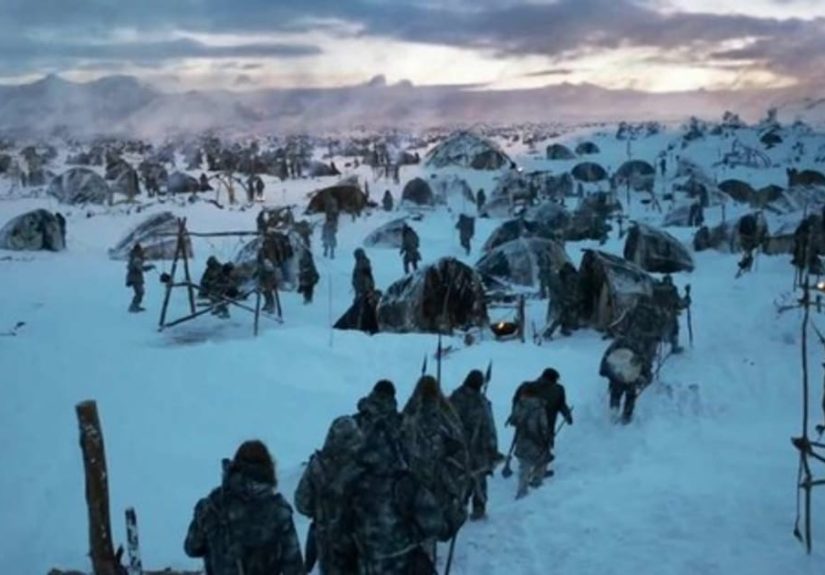
In the Seven Kingdoms, “wildling” is basically a slur. The people north of
the Wall don’t use it. They call themselves the Free Folk
because they refuse to kneel to any southern king or obey the feudal system
that runs Westeros. They see the rest of the realm as “kneelers” – people
who hand over their freedom in exchange for lords, castles, and taxes.
Culturally, the Free Folk are descended from the ancient First Men, just like
the Northerners. They worship the Old Gods, swear oaths in
front of weirwood trees, and live in scattered villages, camps, and fortified
valleys beyond the Wall. Unlike the south, there’s no rigid class system:
leaders rise because other wildlings choose to follow them, not because of
their last name.
Politically, the Wildlings are divided into dozens of rival tribes and clans.
Every now and then, one charismatic figure unites them as
King-Beyond-the-Wall – which is where Mance Rayder comes in.
Most of the time, though, they’re busy raiding, feuding, trading, and trying
not to freeze to death in a land where winter is a lifestyle, not a season.
Major Wildling Leaders You Need to Know
Mance Rayder, the King-Beyond-the-Wall
Mance Rayder is the closest thing the Wildlings have to a legendary CEO.
Once a respected ranger of the Night’s Watch, he deserted, crossed the Wall,
and eventually united a massive coalition of Free Folk as
King-Beyond-the-Wall. He’s not a king in the southern sense;
the wildlings follow him because he’s clever, brave, and persuasive – not
because his dad had a fancy sigil.
In the series, Mance’s big goal isn’t conquering the Seven Kingdoms for glory.
It’s survival. He’s seen what the White Walkers can do and understands that
the only way his people live through the coming winter is by getting south
of the Wall, fast. This puts him directly at odds with the Night’s Watch,
but also draws him into uneasy conversation – and eventual standoff – with Jon Snow.
Mance embodies a central wildling truth: they’re not villains, they’re
refugees running from something scarier than any southern army.
Tormund Giantsbane
If Mance is the brains of the operation,
Tormund Giantsbane is the bearded, hilarious heart.
A fearsome warrior and chieftain, Tormund leads raiding parties,
charges into impossible battles, and tells deeply questionable stories
about how he once nursed from a giantess and drank her milk for strength.
Through Tormund, we see the Free Folk’s humor, loyalty, and stubborn pride.
He starts out as one of Jon Snow’s biggest skeptics but eventually becomes
his closest wildling ally. By the end of the show, Tormund is basically the
face of the Free Folk – the guy who laughs in the dark and still charges forward.
Ygritte
Ygritte might be the most famous wildling of all, thanks to four little words:
“You know nothing, Jon Snow.” A spearwife with a sharp tongue
and a sharper aim, she represents the Free Folk’s fiercely independent spirit.
She’s equal parts warrior, survivalist, and romantic – just with more archery.
Ygritte challenges Jon’s Night’s Watch worldview. Through her, he learns that
the Wildlings have homes, families, and loyalties, not just barbaric tendencies.
Their relationship is tragic, sure, but it’s also the emotional bridge that
convinces Jon the Wall shouldn’t separate “good guys” and “bad guys” – just the living and the dead.
Craster and His Household
Not all wildlings are charming. Craster is the horror story
you tell around the campfire when the fire’s already burned low. He lives
in a fortified homestead south of the main wildling territories, where he
marries his own daughters and sacrifices his newborn sons to the White Walkers.
Craster’s story shows the darkest edges of Free Folk survivalism, and it’s
also the first big hint that there’s a horrifying relationship between humans
and White Walkers. His uneasy alliance with the Night’s Watch – they tolerate
him because his keep is useful – underlines just how morally compromised
everyone becomes north of the Wall.
Osha, the Wildling Turned Stark Ally
Osha starts as a captive wildling who attacks Bran and is
then brought to Winterfell. She ends up as one of the most loyal protectors
the Stark children ever have. Osha is blunt, practical, and deeply aware of
the supernatural threat in the North long before most “civilized” people
take it seriously.
She’s a great example of how the show uses wildling characters to challenge
Northerners’ prejudices. To the average Winterfell guard, Osha is a dangerous
outsider. To the audience, she’s a reliable guide, babysitter, and early-warning system.
Karsi, the Fierce Chieftain
Introduced later in the series, Karsi is a wildling leader
who joins the alliance with Jon Snow. She brings her people to the
Night’s Watch–Wildling negotiations and, at Hardhome, fights bravely against
the dead. Her final moments – hesitating when confronted by undead children –
are some of the most haunting in the show.
Karsi doesn’t get as much screen time as Tormund or Ygritte, but she represents
countless unnamed wildling leaders who are forced to bet their people’s lives
on an uneasy peace with the Watch.
Wildling Tribes, Clans, and Creatures Beyond the Wall
The Thenns
The Thenns are one of the most distinctive wildling clans on
the show. Bald heads, ritual scarification, disciplined formations, and in
the TV version, a taste for human flesh – they’re basically the “elite troops”
of the Free Folk. They come from far to the north in a valley that’s more
fertile and warm than the icy wilderness around it, which makes them better
equipped and organized than many other tribes.
Their appearance at the Wall – and especially their role in the battle for
Castle Black – drives home that wildling society isn’t just one big,
interchangeable horde. There are real cultural differences between clans,
and some are more terrifying than others.
Giants and Mammoths: Wun Wun and Friends
No discussion of all wildlings on Game of Thrones is complete
without the giants. In the show, the giants and their mammoths are technically
among the Free Folk. They live beyond the Wall, ally with the Wildlings,
and march under Mance Rayder’s banner.
The best-known giant is Wun Wun, who steals scenes simply by
existing. Whether he’s charging through a shield wall or single-handedly
wrecking a gate, Wun Wun symbolizes the raw, ancient power of the lands
beyond the Wall. He’s also a reminder that when the Free Folk talk about
“old stories,” they mean it – some of their allies are literally out of legend.
Other Notable Free Folk and Wildling Types
Beyond the major names, the show introduces a long list of Free Folk characters
and archetypes that flesh out Wildling culture:
-
Rattleshirt (the Lord of Bones) – a wildling leader who wears
armor made of bones and embodies the grittier, more brutal side of life
beyond the Wall. -
Spearwives – wildling women who fight alongside the men,
often better than them. Ygritte is the standout example, but we see others
in battles and raiding parties. -
Frozen Shore raiders, cave dwellers, and forest clans – these
groups highlight how varied the terrain is north of the Wall and how
differently people adapt to it. -
Children and elders of the Free Folk – the families fleeing
at Hardhome and other locations remind us that behind every warrior there’s
a village that just wants to live.
Put together, these characters turn the Wildlings from a faceless enemy army
into a mosaic of cultures, accents, beliefs, and survival strategies.
Why the Wildlings Matter to the Story
At first, the Night’s Watch behaves as if its main mission is keeping
wildlings out of the Seven Kingdoms. The Wall is treated like a giant border
fence separating “civilized” people from dangerous raiders. The Night’s Watch
and Free Folk have centuries of bloodshed and mutual hatred between them.
As the series goes on, that entire worldview collapses. The real threat isn’t
the Free Folk; it’s the White Walkers and their army of the dead. Jon Snow,
as Lord Commander of the Night’s Watch, recognizes this and makes the wildly
unpopular choice to ally with the Wildlings. He opens the gates, lets them
through, and uses the Wall not as a barrier between peoples but as a last
line of defense for everyone who’s still breathing.
The transformation of the Wildlings from “invading savages” to “essential allies”
is one of the show’s clearest statements about prejudice, fear, and
the danger of obsessing over borders when the apocalypse is literally
marching toward you.
“All Wildlings on Game of Thrones”: How to Think About the Full Roster
Fans have compiled long lists of every Wildling who appears on-screen,
from background raiders to named chieftains and spearwives. But for story
purposes, you can think of “all wildlings” in a few main buckets:
-
Key leaders – Mance Rayder, Tormund, Karsi, and the
Thenn Magnar, who direct raids and negotiations. -
Bridge characters – people like Ygritte, Osha, and Gilly,
who connect the Free Folk to major southern characters and locations. -
Symbolic figures – Wun Wun the giant, Craster, and the
Lord of Bones, who embody different moral and mythic aspects of life
beyond the Wall. -
Unnamed Free Folk – the families at Hardhome, the warriors
in the Battle of the Bastards, and the survivors who follow Jon and Tormund
at the end of the series.
Taken together, this full roster of wildlings turns the Free Folk into a
parallel society – not a one-note enemy faction. They have jokes, politics,
internal conflicts, and big dreams of their own. The show just happens to
drop a Wall between them and the main cast for maximum drama.
Viewer Experiences with the Wildlings: Lessons from Beyond the Wall
One reason articles about all wildlings on Game of Thrones
keep popping up is simple: the Free Folk are incredibly memorable to watch.
They arrive on-screen as antagonists and leave as some of the most beloved
characters in the series. That journey mirrors a lot of viewers’ personal
experience with the show.
From “Savages” to Sympathetic Neighbors
On a first viewing, it’s easy to buy the Night’s Watch propaganda.
The early seasons frame the wildlings through the eyes of the Watch:
as raiders burning villages and stealing livestock. But as soon as we follow
Jon over the Wall and spend time among them, the camera angle flips.
Suddenly we’re in their camps, hearing their jokes, and watching them argue
over food, strategy, and survival.
For many viewers, this shift is a powerful reminder of how much perspective
shapes our idea of “the enemy.” We start out rooting for the Wall to hold.
By the time Hardhome arrives, a lot of fans are begging for the gates to open.
Freedom vs. Security
The Wildlings also invite us to think about what it really means to be free.
The Free Folk reject lords, taxes, and hereditary power, but the trade-off
is harsh: constant danger, extreme weather, and fragile alliances.
Meanwhile, the “kneelers” enjoy stronger walls and full granaries but
give up huge chunks of their lives to kings and nobles.
Watching the wildlings negotiate with Jon Snow feels like watching two
competing philosophies of life crash into one very cold reality.
Are you willing to risk everything for autonomy? Or would you rather
accept someone else’s rules in exchange for safety? The show never gives
an easy answer – and that’s why the Free Folk resonate beyond the final episode.
Representation, Humor, and Heart
On a more emotional level, many fans love the Wildlings because they bring
a different energy to the series. When the court in King’s Landing is busy
scheming, the Free Folk are cracking jokes around a fire, flirting in the
middle of a snowstorm, or yelling “The horn of winter is sounding!” right
before everything goes sideways.
Characters like Tormund, Ygritte, and Gilly add humor and warmth without
undercutting the stakes. Tormund’s awkward crush on Brienne, Ygritte teasing
Jon, Gilly learning to read – these moments balance out the show’s brutality.
A lot of viewers come for the dragons but stay because they care whether
the Free Folk make it out alive.
After the Credits: Imagining Life Beyond the Wall
The series ends with Jon leaving the ruins of the Night’s Watch and heading
north with Tormund and the remaining Free Folk. For many fans, that final
image is less of an exile and more of a quiet reward. Jon chooses a life
where titles don’t matter, where your worth is measured by what you can do
and how you treat the people beside you.
It’s fitting that his last shot is as part of a Wildling caravan.
By then, we’ve seen enough of their world to imagine what comes next:
rebuilding villages, raising children who don’t care who sat on the
Iron Throne, and telling stories about the time they fought alongside
“some brooding guy with a sword who really liked brooding.”
In the end, the Free Folk leave us with a surprisingly hopeful takeaway.
Even in a story famous for its betrayals and body count, there’s room
for a group of people who refuse to kneel, insist on being heard,
and still find ways to laugh in the snow.
Conclusion
The Wildlings start as a dangerous rumor – “savages beyond the Wall” –
and end as one of the most human, multi-layered groups in
Game of Thrones. From Mance Rayder’s desperate coalition and
Tormund’s legendary beard to Ygritte’s arrow skills and Wun Wun’s
giant heroics, the Free Folk reshape the story’s moral landscape.
If you’re revisiting the series or planning a North-of-the-Wall binge,
keeping track of all wildlings on Game of Thrones helps you
see how the show quietly swaps one simple border war for a complex story
about empathy, survival, and shared destiny. In a world obsessed with thrones,
the people who refuse to kneel end up telling some of its most unforgettable stories.
meta_title: All Wildlings on Game of Thrones Explained
meta_description:
Meet every key wildling on Game of Thrones, from Mance Rayder to Tormund, and explore the Free Folk’s culture, clans, and impact on the series.
sapo:
From feared raiders to essential allies, the Wildlings – or Free Folk – are far more than a faceless horde beyond the Wall. This in-depth guide explores all the major wildlings on Game of Thrones, including leaders like Mance Rayder and Tormund Giantsbane, fan favorites like Ygritte, Gilly, and Osha, fearsome clans such as the Thenns, and legendary giants like Wun Wun. You’ll learn who they are, how their tribes and culture work, why they clash with the Night’s Watch, and how they become crucial in the war against the dead. If you’ve ever wondered who the Free Folk really are and why they matter so much to the story, this is your roadmap to everything wildling.
keywords:
wildlings on Game of Thrones, Free Folk, Mance Rayder, Tormund Giantsbane, Ygritte, wildling clans, Night’s Watch