Table of Contents >> Show >> Hide
- Why Vertical Gardens Work So Well
- The Accessories That Make a Terrain-Style Vertical Garden
- How to Choose the Right Plants for Vertical Garden Accessories
- The Practical Rules Nobody Should Ignore
- Design Ideas for a Vertical Garden That Feels Like Terrain
- Common Vertical Garden Mistakes
- Why the Terrain Look Keeps Winning
- Experiences With Terrain-Inspired Vertical Gardens
- Conclusion
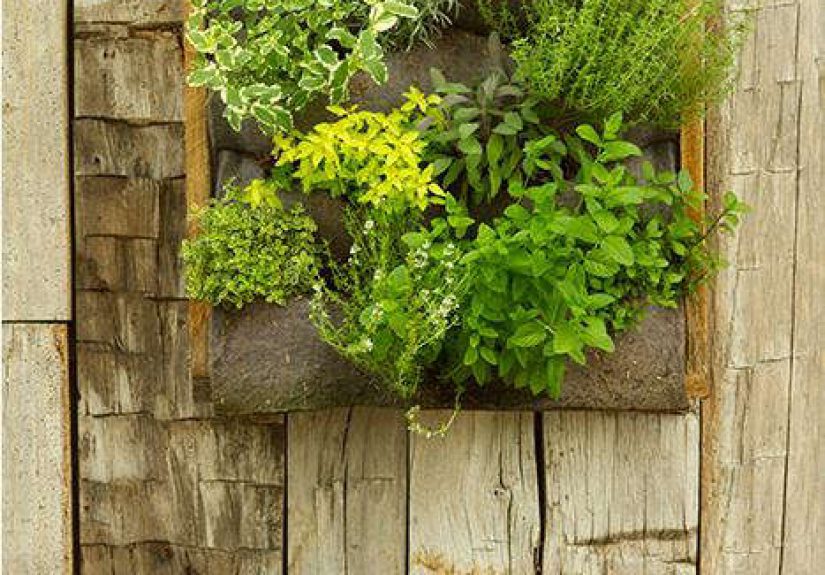
Some people decorate with throw pillows. Some people decorate with candles. And then there are the rest of us, the ones who look at a blank wall and think, “This would be much prettier if it were alive.” That instinct is exactly where vertical gardens shine, and it also explains why the idea feels so at home at Terrain. A vertical garden is not just a clever way to squeeze more greenery into a small footprint. It is a style choice, a mood setter, and, when done well, a small act of rebellion against boring corners.
Terrain has built its identity around garden living that feels tactile, layered, and quietly romantic. That makes it a natural fit for vertical gardening accessories, whether you are styling a tiny apartment wall, a sheltered porch, a kitchen herb display, or a patio that needs more green drama and less visual shrug. The beauty of a Terrain-inspired vertical garden is that it does not rely on a single giant living wall. It can begin with a wall-mounted plant stand, a few hanging planters, a trellis tucked into a container, and a mix of vessels that make plants look intentional instead of accidental.
In other words, vertical gardens at Terrain are not about chasing perfection. They are about building upward with charm, function, and a little swagger. The secret sauce is the accessories.
Why Vertical Gardens Work So Well
Vertical gardens are loved for an obvious reason: they use space efficiently. When floor space is limited, walls, rails, corners, and upright supports become prime real estate. But the practical appeal is only half the story. A vertical arrangement also changes how people experience a room or patio. Instead of plants sitting below eye level like polite little guests, they become part of the architecture. Greenery climbs, hangs, frames, softens, and sometimes steals the whole show.
That is why vertical gardening keeps showing up in design conversations. Indoors, it can turn a bland wall into a focal point. Outdoors, it can add privacy, structure, and more growing room for herbs, flowers, or climbing plants. Even a small setup can create the layered look gardeners love: something tall, something trailing, something textural, and something that makes visitors say, “Wait, where did you get that?”
At Terrain, the appeal is especially strong because the brand’s accessories lean into that layered, collected style. Instead of making a vertical garden look overly engineered or clinical, the pieces tend to feel warm, rustic, sculptural, and display-worthy. That matters. Plants are beautiful, but the hardware should not look like it came from a dystopian office break room.
The Accessories That Make a Terrain-Style Vertical Garden
Wall-Mounted Plant Stands
If you want a vertical garden without committing to a full living wall, a wall-mounted plant stand is the gateway accessory. It gives you elevation and structure while keeping the setup flexible. Terrain’s wall-mounted iron stand approach is a great example of how to display several potted plants securely while preserving an airy look. This kind of accessory works beautifully in a breakfast nook, sunroom, mudroom, or sheltered outdoor zone where you want height without bulk.
The big win here is modular style. You are not planting directly into a wall system. You are styling with pots, which means you can rotate plants by season, swap in herbs when you are feeling domestic, and remove a fussy diva of a fern before it stages a public collapse.
Hanging Planters
Hanging planters are the acrobats of vertical gardening. They lift greenery overhead, free up shelves, and add softness through trailing foliage. Terrain’s hanging planter assortment supports the idea that vertical gardens do not have to live on one wall. They can cascade from the ceiling, porch beams, brackets, or hooks, creating movement and depth around a space.
This is where spillers really earn their paycheck. Think pothos, philodendron, string-of-things, ivy, or trailing herbs in the right light. Hanging planters are especially useful when you want the atmosphere of a vertical garden without the weight or mounting complexity of a larger wall installation.
Trellises and Climbing Supports
Not every vertical garden hangs. Some climb. A good trellis turns a simple pot into a vertical statement, which is why Terrain’s iron trellis pieces feel so relevant to this category. Add one to a container and suddenly a jasmine, mandevilla, sweet pea, or climbing houseplant has somewhere to go besides sideways into your personal space.
Trellises also bring shape. An iron frame tucked into a pot can look sculptural even before the plant fills in. That is a major design advantage for gardeners who want a display that looks good now, not just in six optimistic weeks.
Planters, Stands, and Pedestals
Vertical gardening is not just about what goes on the wall. It is also about how you create levels. Terrain’s collection of planters and plant stands makes this easy because the pieces already come with texture and visual presence. Terracotta, glazed earthenware, cast stone, teak, and iron each change the tone of the garden. Terracotta feels classic and breathable. Steel and iron feel clean and architectural. Stone looks grounded and timeless. Teak adds warmth and polish.
Using a stand or pedestal under a planter can help you stage a “soft vertical” garden, one that builds height in tiers rather than in a single line. This approach is especially effective on patios and porches where you want a lush layered look but do not want to start drilling into masonry on a Saturday.
Plant Markers and Small Finishing Touches
Accessories are not all about structure. Some are about personality. Copper plant markers, garden accents, hooks, brackets, trays, and tool storage all support the vertical garden experience. They help the display feel finished rather than improvised. A set of elegant markers in a kitchen herb wall is both practical and charming. A beautiful bracket can turn a hanging planter into a design feature. A tray beneath an indoor pot can save your shelf, your windowsill, and your relationship with wooden furniture.
These smaller details are very Terrain. They suggest that the garden is not only something you grow, but something you live with.
How to Choose the Right Plants for Vertical Garden Accessories
The best accessories in the world cannot rescue the wrong plant in the wrong place. Vertical gardening works best when plant selection matches light, watering habits, and the size of the container. That sounds unromantic, but so does root rot, and yet here we are.
For indoor setups, lower- to medium-light tolerant plants are often the most forgiving. Pothos, heartleaf philodendron, some ferns, snake plants, and certain trailing or compact houseplants are excellent candidates depending on your exposure. A bright south-facing window offers stronger natural light, while east-facing spaces are often gentler and easier for many foliage plants. If your wall garden is farther from the window than your coffee maker is from your hand in the morning, you may need supplemental grow lighting.
For outdoor vertical gardens, herbs, annual flowers, strawberries, lettuce, climbing vines, and compact ornamentals can all work well. Containers and vertical systems dry faster than in-ground beds, so plant choices should match your willingness to water. A succulent wall can be striking, but it wants a very different moisture routine than a lush herb display.
Texture matters too. A successful Terrain-style composition usually includes a mix of upright forms, trailing forms, and rounded shapes. Combine a climber on a trellis, a trailing plant in a hanging planter, and a structural foliage plant in a pedestal pot, and you suddenly look like someone who understands composition instead of someone who panic-bought greenery during a weekend mood swing.
The Practical Rules Nobody Should Ignore
Drainage Is Not Optional
Healthy roots need oxygen, which means containers need proper drainage. If a planter holds water without a way for excess moisture to escape, you are not creating a lush garden. You are creating a politely disguised swamp. Use pots with drainage holes whenever possible, and pair them with trays or protective surfaces indoors.
Use Potting Mix, Not Garden Soil
Vertical gardens rely heavily on containers, and containers need a lightweight, well-draining potting mix. Garden soil is usually too dense for this job. It compacts easily, drains poorly in shallow spaces, and can suffocate roots. A quality potting mix or soilless container blend keeps moisture and air in better balance, which is exactly what upright systems need.
Expect More Frequent Watering
Vertical gardens and containers tend to dry out faster than traditional beds, especially in heat, wind, or bright sun. Hanging baskets and porous pots may dry especially quickly. On the other hand, overwatering is still possible, particularly in oversized containers or in low light where soil stays damp longer. The answer is not blind routine. It is observation. Feel the mix, check weight, and learn what your system does in your specific space.
Match Material to Environment
The material of your accessory affects performance as much as style. Unglazed clay dries faster than plastic or glazed pottery. Metal pieces can look stunning but may heat up in intense sun. Teak and protected wood tones add warmth but appreciate sensible placement. Heavy cast-stone pieces deliver drama and permanence, but you need to think about weight before mounting or moving anything.
Respect the Wall
Wall-mounted systems are gorgeous, but they should be anchored properly and not overloaded. Plants grow. Soil gets wet. Gravity remains deeply committed to its mission. If you are building a vertical display indoors or on a sheltered porch, choose hardware that suits the wall type and be realistic about how much weight it will hold once watered.
Design Ideas for a Vertical Garden That Feels Like Terrain
The Kitchen Herb Wall
Use a wall-mounted plant stand or a grid of small planters near a bright kitchen window. Add parsley, thyme, oregano, basil, and trailing rosemary if the light is strong enough. Finish with copper plant markers for a polished touch. It is practical, fragrant, and very likely to make you feel more organized than you actually are.
The Porch Layered Garden
Pair a hanging planter overhead, a tall stone or iron planter below, and a climbing vine on a trellis. Add one or two medium-height pots on stands to bridge the levels. This creates the feeling of abundance without cluttering the floor. It also gives you a more immersive green entry point, which is excellent for curb appeal and smug satisfaction.
The Indoor Plant Wall Without the Fuss
Skip the high-maintenance living wall and style an indoor vertical garden with shelves, wall-mounted stands, hanging planters, and pedestal pots. Use foliage in varied leaf shapes and keep the palette cohesive. Think mossy greens, dusty terracotta, dark iron, and soft natural textures. The result feels elevated, organic, and much easier to maintain than a giant wall of thirsty drama queens.
The Romantic Patio Corner
Build a vignette around one sculptural planter, one trellis, one hanging basket, and one lantern or garden accent. This setup works especially well for renters or anyone who wants the feeling of a vertical garden without creating a whole installation. It is small-space friendly and easy to update by season.
Common Vertical Garden Mistakes
The first mistake is treating all vertical garden accessories as purely decorative. They are decorative, yes, but they also shape airflow, light exposure, drainage, and maintenance. A gorgeous pot in the wrong spot is still the wrong pot.
The second mistake is ignoring light. A plant that tolerates low light does not mean it thrives in a dim hallway beside a coat rack and one lonely shoe. Match the plant to the actual conditions, not the conditions you wish you had.
The third mistake is crowding. Vertical gardens need breathing room. Plants grow outward, downward, and toward available light. Leave space between vessels and forms so the arrangement can mature without becoming a leafy traffic jam.
The fourth mistake is choosing accessories with no visual relationship to each other. One of the reasons Terrain’s style works is because pieces feel curated. Materials echo each other. Shapes relate. Finishes complement rather than compete. A vertical garden looks better when it feels collected, not random.
Why the Terrain Look Keeps Winning
Terrain succeeds because it treats gardening accessories as part utility, part atmosphere. That is exactly what vertical gardens need. They are not only about growing more in less space. They are about making space feel better. A hanging planter changes the line of sight in a room. A trellis adds architecture to a pot. A stand gives a plant more presence. A marker, a bracket, or a tray says someone thought about the details.
That is why the phrase “vertical gardens at Terrain” feels bigger than a retail category. It suggests a way of styling plants that is lush but edited, romantic but functional, earthy but still sophisticated. And for people who love both gardening and design, that combination is catnip.
Experiences With Terrain-Inspired Vertical Gardens
One of the most interesting things about building a vertical garden is how quickly it changes the way a space feels. A bare wall is just a wall until you add a mounted stand, a pair of hanging planters, and one climbing plant on a trellis. Then suddenly the room seems softer, taller, and more lived in. Many people expect the transformation to be mostly visual, but the real experience is more immersive than that. You start noticing the direction of the light in the morning. You begin paying attention to which corner stays warm, which shelf dries out faster, and which plant looks happiest after a watering. A vertical garden teaches observation in a very sneaky way.
There is also a ritualistic pleasure to it. With a Terrain-style setup, the accessories do a lot of emotional heavy lifting. The iron, terracotta, copper, teak, and stone textures create an atmosphere before the plants even fill out. In the first few weeks, there is often a phase where the garden looks promising but slightly awkward, like a teenager in a very expensive coat. Then the foliage starts to settle. The trailing plant reaches a little farther. The climber finds the trellis. The herbs perk up. What felt styled begins to feel established.
Indoor vertical gardens are especially rewarding because they turn ordinary routines into small sensory moments. Reaching for basil near the kitchen window, misting a fern before breakfast, rotating a pothos so it grows evenly, or replacing one seasonal plant with another can make a home feel active and seasonal in a very grounded way. It is decor, yes, but it is decor that changes and responds. That makes it more personal than most accessories people buy for their homes.
Outdoor vertical gardens bring a different kind of satisfaction. A porch or patio that once felt flat starts to feel layered and intentional. Guests tend to notice hanging planters and trellised pots immediately because vertical elements naturally pull the eye upward. Even a small setup can create the impression of abundance. That is one of the great tricks of vertical gardening: it can make modest square footage feel lush and generous. It is the garden equivalent of knowing how to arrange furniture so a room looks bigger than it really is.
Of course, the experience is not all poetic sunlight and smug compliments from visitors. There is maintenance. There are moments when one container dries out faster than the others, or a plant decides it dislikes its spot and communicates that by collapsing dramatically. But that is also part of the appeal. A vertical garden is interactive. You edit, adjust, move, prune, and learn. The accessories help make that process easier because they let you swap plants and refine the arrangement without rebuilding the whole system.
Over time, many gardeners find that a vertical garden becomes less about filling space and more about creating a living rhythm in the home. The setup evolves with the seasons, with travel schedules, with plant obsessions, and with changing light. In that sense, the best experience of all is that a Terrain-inspired vertical garden never feels static. It grows with you, occasionally humbles you, and almost always makes the room look better than it did before.
Conclusion
Vertical gardens at Terrain are compelling because they bring together everything modern plant lovers want: better use of space, strong visual impact, and accessories that look as thoughtful as the plants themselves. Whether you begin with a wall-mounted stand, a hanging planter, a trellis, or a cluster of sculptural pots on stands, the goal is the same. Build upward. Layer intelligently. Choose materials that feel beautiful in your home. And make sure the practical details, especially light, drainage, potting mix, and watering, support the style.
Done right, a vertical garden is not a gimmick. It is a living accessory system that turns plant care into part of the design story. And honestly, that is far more interesting than another empty corner pretending it does not need help.