Table of Contents >> Show >> Hide
- Why This Kitchen Combo Works So Well
- Start With the Cabinets: The Backbone of the Makeover
- White Tile Is Where the Personality Sneaks In
- The Butcher Block Island: Warmth, Function, and Character
- How to Keep the Kitchen From Feeling Too White
- A Practical Makeover Plan You Can Actually Follow
- Maintenance: The Less Glamorous but Very Important Part
- Common Mistakes to Avoid
- What This Makeover Looks Like in Real Life
- Experience: What It Feels Like to Live With a White Kitchen Makeover With White Tile & a Butcher Block Island
- Conclusion
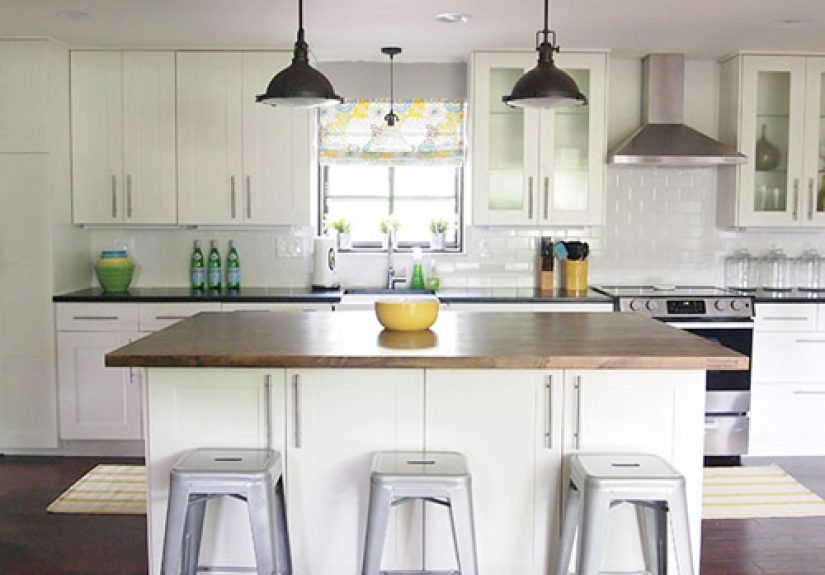
If kitchens had yearbooks, the white kitchen would absolutely win “Most Likely to Never Go Out of Style.” And honestly, it would deserve the crown. A white kitchen makeover has a way of making an older space feel brighter, cleaner, and more intentional without turning your home into a sterile science lab. Add white tile and a butcher block island, and suddenly you get the best of both worlds: crisp and classic meets warm and welcoming.
That pairing works because it solves one of the biggest design problems in an all-white kitchen: how to keep it from feeling flat. White cabinets and white tile reflect light beautifully, bounce brightness around the room, and make even a modest kitchen feel more open. But the butcher block island is the visual exhale. It brings in texture, warmth, and just enough “I bake bread on weekends” energy to make the room feel lived in rather than staged.
If you are planning your own kitchen refresh, this style offers a sweet spot between timeless design and everyday function. It works in farmhouse kitchens, modern kitchens, transitional spaces, cottage-inspired remodels, and even compact galley layouts that need every trick in the book to feel bigger. Here is how to pull off a white kitchen makeover with white tile and a butcher block island in a way that feels polished, practical, and very much worth the trouble of emptying every single cabinet.
Why This Kitchen Combo Works So Well
A white kitchen makeover is popular for a reason. White surfaces make the room feel airy, open, and flexible. They also create a forgiving backdrop for changing styles over time. Want brass hardware now and matte black later? White says, “Sure, I can work with that.” Want to switch from coastal to classic or from Scandinavian to farmhouse? White is unfussy like that.
White tile adds another layer of usefulness. It is not just there to look pretty while you dramatically stir pasta sauce. A backsplash protects the walls from moisture, grease, and splatter, especially behind the range and sink. But visually, it also sets the tone of the kitchen. Classic subway tile leans timeless. Square tile can feel fresh and architectural. Zellige-style tile adds movement and handmade charm. Stacked tile looks clean and contemporary. Same color family, totally different personalities.
Then comes the butcher block island, the warm hero of the story. In a room filled with painted finishes, shiny fixtures, and hard surfaces, wood creates balance. It softens the kitchen, adds natural character, and helps the room feel less one-note. It also makes an island feel more like furniture and less like a giant storage cube planted in the middle of the floor.
Start With the Cabinets: The Backbone of the Makeover
Before obsessing over tile patterns or pendant lights, begin with the cabinetry. Cabinets take up the most visual real estate, so they set the stage for everything else. In this style of kitchen makeover, white cabinets act as the anchor. They brighten the room, simplify the palette, and let the details do the talking.
Pick the Right White, Because Yes, It Matters
Not all whites are created equal. Some lean warm and creamy, which can feel cozy and traditional. Others skew cool and crisp, which can look sharp and modern. The trick is making sure the cabinet color works with your tile, countertops, flooring, and natural light. A white that looks lovely on a paint chip can suddenly look yellow next to a blue-white tile or a gray countertop. Kitchens are sneaky like that.
If your goal is a soft, welcoming look, try an off-white or warm white. If you want a cleaner, more tailored feel, go with a true or slightly cooler white. Either way, sample the paint in the actual room at different times of day before committing. Morning light and overhead fixtures can completely change how the color reads.
Door Style Shapes the Mood
Shaker cabinets are the classic crowd-pleaser for a reason. They are simple, adaptable, and look good in almost every design style. Flat-panel cabinets read more modern and streamlined. Traditional raised-panel doors add more detail and formality. For a makeover that aims to feel fresh but timeless, Shaker-style cabinets are often the easiest win.
If budget is tight, painting existing cabinets and updating the fronts can still transform the room. A full gut renovation is nice in theory, but so is paying your electric bill.
White Tile Is Where the Personality Sneaks In
White tile sounds simple until you realize there are about a hundred ways to make it look completely different. This is where texture, shape, finish, and layout matter more than color.
Best White Tile Options for This Look
Subway tile: The dependable classic. It works in traditional, farmhouse, transitional, and modern kitchens depending on how you lay it out and what grout you use.
Square tile: Clean, a little more architectural, and currently having a deserved design moment. It feels less expected than subway tile without trying too hard.
Zellige-style tile: Slightly imperfect, glossy, and full of movement. Great if you want your white kitchen to feel layered rather than flat.
Stacked tile: A modern alternative to the offset subway pattern. It creates order and a clean-lined look.
Textured or fluted tile: Perfect for adding dimension when the palette stays neutral.
Don’t Ignore Grout
Grout is the quiet coworker in this design team, but it matters. White grout creates a seamless, low-contrast look. Gray grout adds definition and can be more forgiving in a busy family kitchen. A warm beige grout can soften stark white tile and help it relate better to the butcher block island. Small choice, big effect.
Want a more custom look? Run the tile all the way to the ceiling behind the range or window wall. That single move can make the entire kitchen feel more finished and expensive, even if the tile itself is simple.
The Butcher Block Island: Warmth, Function, and Character
If white cabinets and tile are the polished parts of the makeover, the butcher block island is the soul. It gives the eye a place to rest and the kitchen a place to gather. It is where snacks happen, groceries land, homework appears, and guests pretend they are helping while mostly hovering near the good cheese.
Why Butcher Block Works Best on the Island
Using butcher block on the island instead of every countertop is often the smartest move. You get the warmth and beauty of wood without committing your entire perimeter to a higher-maintenance surface. That means you can pair the island with lower-maintenance counters around the edges if you want a more practical everyday setup.
Design-wise, a butcher block island breaks up an all-white kitchen in exactly the right way. It adds contrast without making the room feel choppy. It also makes the island feel like a distinct furniture piece, which is especially appealing in kitchens that open into living or dining areas.
Choose the Right Wood Tone
Maple is classic and lighter in tone, which works beautifully in bright kitchens. Walnut is moodier and richer. Oak offers visible grain and a more natural, textured appearance. The right choice depends on the mood you want and the flooring already in the room.
In many white kitchen makeovers, a medium-toned wood hits the sweet spot. It adds warmth without looking too orange or too dark. If you already have wood floors, do not stress about matching them perfectly. Coordinating is enough. Think cousins, not identical twins.
Make the Island Earn Its Keep
A beautiful island should still be useful. Consider deep drawers for cookware, hidden outlets for small appliances, open shelves for cookbooks, or seating for casual meals. If your kitchen is small, even a compact butcher block island or rolling cart can add meaningful prep space and warmth without crowding the room.
How to Keep the Kitchen From Feeling Too White
A white kitchen should feel bright, not blank. The trick is layering in contrast and texture so the room feels dimensional.
Use Metals Thoughtfully
Hardware and lighting can completely shift the vibe. Unlacquered brass warms up the room and looks especially good with butcher block. Polished nickel keeps things classic. Matte black adds graphic contrast. Stainless steel works well when you want a clean, professional look.
Bring in Natural Texture
Wood stools, woven pendants, linen cafe curtains, ceramic vases, and cutting boards help soften the palette. These details keep the space from feeling like a showroom where nobody is allowed to butter toast.
Let Lighting Do Some Heavy Lifting
White kitchens need layered lighting to avoid looking cold. Use a mix of recessed lights, sconces, pendants over the island, and under-cabinet lighting. Good lighting helps the tile shine, keeps prep areas functional, and highlights the warmth of the wood island top.
A Practical Makeover Plan You Can Actually Follow
Dream kitchens are lovely. So are plans that work in real houses with real budgets. If you are approaching this makeover step by step, here is a sensible order:
1. Evaluate What Stays
Can the cabinet boxes stay? Can the layout remain the same? Can the flooring work with the new design? Saving what is structurally sound can free up money for the finishes that create the biggest visual impact.
2. Refresh the Cabinets
Paint, reface, or replace depending on condition and budget. Swap out dated hardware immediately. It is one of the fastest ways to make the room look current.
3. Install the Tile
Pick the tile layout and grout with care. Even a modest white backsplash can look expensive when it is installed neatly and extended thoughtfully.
4. Add the Butcher Block Island
This can be custom, semi-custom, or even a well-chosen freestanding island. Focus on proportions. The island should fit the kitchen comfortably and allow enough circulation space around it.
5. Finish With Lighting, Stools, and Styling
This is where the room gets personality. Do not rush it. The prettiest kitchens usually look collected, not panic-purchased in one Saturday afternoon.
Maintenance: The Less Glamorous but Very Important Part
A white kitchen makeover is gorgeous, but it does not maintain itself out of gratitude. White tile and white cabinetry tend to show grime faster than darker surfaces, so regular wipe-downs matter. The good news is that the payoff is instant. A quick clean makes the whole room look refreshed.
Butcher block needs more intentional care. Wipe spills promptly, especially water and anything acidic or strongly pigmented. Clean with gentle soap and water, then dry the surface well. Depending on the finish and manufacturer guidance, the wood may need routine conditioning with mineral oil or a food-safe wood treatment. Light scratches can often be sanded and refreshed, which is one reason many homeowners love it despite the extra upkeep.
That maintenance is not a flaw so much as a personality trait. Butcher block ages with use. If you want a surface that looks frozen in time, choose stone everywhere. If you like a kitchen that earns a little patina and tells the truth about how you live, butcher block is charmingly honest.
Common Mistakes to Avoid
Choosing whites that clash
Cabinets, tile, trim, and countertops all need to speak the same visual language. Test samples together in the room.
Forgetting about warmth
An all-white kitchen without wood, texture, or contrast can feel flat. The island helps, but so do lighting, textiles, and styling.
Picking the wrong island size
Bigger is not always better. A kitchen island should improve movement, not become an obstacle course.
Underestimating maintenance
White grout and wood countertops both need care. Go in with eyes open and cleaning supplies nearby.
What This Makeover Looks Like in Real Life
Picture an older kitchen with tired oak cabinets, a short backsplash, poor lighting, and an island that does little more than take up space. Now imagine the transformation. The cabinets are painted a soft white. The backsplash is retiled in white ceramic that runs higher, maybe even to the ceiling behind the range. New hardware adds polish. Under-cabinet lighting gives the room a glow it never had before. And in the center sits a butcher block island that feels like it belongs there, warm and grounded, inviting people to gather.
Nothing in that picture is trendy in a disposable way. That is the beauty of it. This makeover works because it leans on materials and choices that have real staying power. White kitchen cabinets remain beloved because they are flexible. White tile remains useful because it is classic and easy to personalize. A butcher block island remains appealing because natural wood always brings life to a room full of hard surfaces.
In other words, this is not just a pretty makeover for photos. It is a smart one for living.
Experience: What It Feels Like to Live With a White Kitchen Makeover With White Tile & a Butcher Block Island
Living with this kind of kitchen is a little different from merely admiring it online. In photos, you see the clean lines, the glossy tile, the golden wood top, and the magical way sunlight makes everything look expensive. In everyday life, you notice something even better: the kitchen starts working with you. Morning coffee feels calmer in a bright room. Weeknight cooking is easier when the surfaces reflect light well and the layout feels open. The butcher block island becomes command central without ever looking bossy about it.
One of the nicest surprises is how balanced the space feels. White cabinets and white tile can sound stark on paper, but once the butcher block island is in place, the kitchen feels warmer, softer, and more human. The wood keeps the room from feeling over-designed. A bowl of lemons, a stack of cookbooks, or a slightly chaotic arrangement of mail on the island somehow looks charming rather than messy. That is a rare design gift.
There is also a practical comfort to this setup. The white tile backsplash is easy to wipe down after cooking splatters. The bright palette makes it easier to spot what needs cleaning, which is annoying for about three seconds and helpful the rest of the time. You clean a little more often, perhaps, but the reward is immediate. The kitchen looks fresh again almost instantly.
The butcher block island has a different relationship with daily life. It shows wear more honestly than stone, but that honesty can be appealing. A tiny mark from a rushed dinner prep session or a faint shift in patina over time does not necessarily ruin the surface. It often adds character. With proper care, the island starts to feel less like a precious object and more like a trusted piece of furniture. It becomes the place where cookie dough gets rolled, groceries get sorted, and guests lean while pretending not to be in the way.
Socially, this makeover tends to improve a kitchen too. People are naturally drawn to an island, and butcher block makes it even more inviting. It does not have the cold, untouchable energy some polished materials can have. It says, “Go ahead, sit here, chop herbs, talk about your day, steal a cracker.” In an open-plan home, that warmth matters. The kitchen feels connected to the living space instead of cut off from it.
Over time, the biggest benefit may be flexibility. Seasonal decor looks good against white. Different wall colors in nearby rooms still work. Hardware can change. Lighting can evolve. Bar stools can come and go as trends shift or families grow. The foundation stays strong. That is why this makeover style has such staying power. It gives you a kitchen that feels current now without boxing you into one moment forever.
And maybe that is the real charm of a white kitchen makeover with white tile and a butcher block island. It is not just that it looks beautiful on reveal day. It is that six months later, on an ordinary Tuesday, with toast crumbs on the counter and sunlight bouncing off the backsplash, it still feels like one of the best decisions you made for your home.
Conclusion
A white kitchen makeover with white tile and a butcher block island succeeds because it blends beauty with usefulness. The white finishes brighten the room, make it feel larger, and give it timeless appeal. The tile protects the walls while adding style through shape, texture, and layout. The butcher block island brings the warmth, contrast, and practical workspace that keep the kitchen from feeling too polished to live in.
Done well, this makeover does not chase trends. It creates a kitchen that looks inviting, functions better every day, and still leaves room for personality. That is the sweet spot: a kitchen that feels classic, works hard, and looks good whether it is spotless for guests or mildly chaotic because dinner is happening.