Table of Contents >> Show >> Hide
- What Made Mill Valley Beerworks So “Stealable”?
- Start With the Foundation: Reclaimed Wood That Looks Better With Age
- Paint Like a Brewpub: Deep, Toasty, and Slightly Dramatic
- Lighting: Porcelain Pendants and the “Good Beer Glow”
- Tile That Says “Kitchen Means Business”
- Texture and Detail: Pressed Tin, Metal, and “Built by Hand” Energy
- Layout: Communal, Comfortable, and a Little Bit Social
- Decor That Feels Local: Minimal, Useful, and Slightly Nerdy (in a good way)
- Bring the Beerworks Spirit Home: Pairings, Flights, and the “Marin Chill”
- Conclusion: Steal the Look, Keep the Soul
- Extra: The Experience of Mill Valley Beerworks (A 500-Word Vibe Walkthrough)
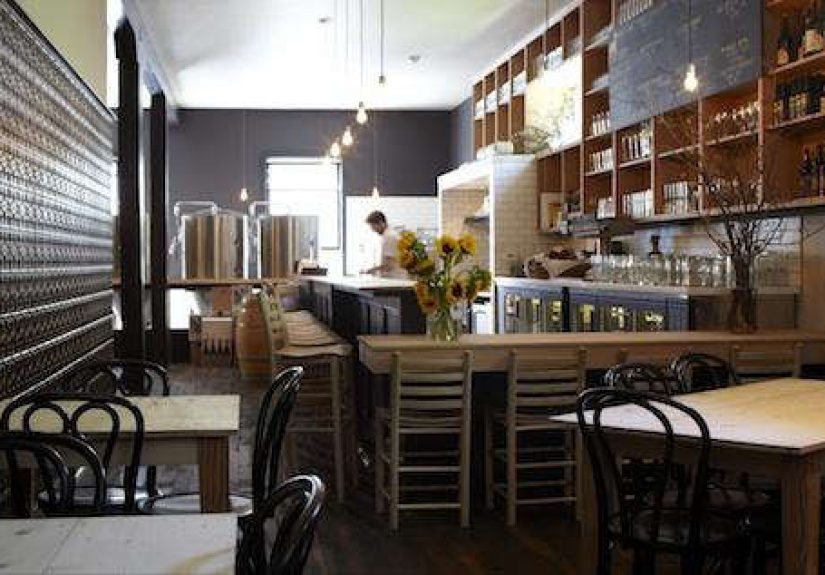
Some places don’t just serve beerthey teach you how to live. Mill Valley Beerworks was one of those rare Bay Area gems: part brewpub, part neighborhood living room, part design lesson in “warm-industrial without trying too hard.” Even though it closed in 2021, the look still hits: reclaimed wood underfoot, pressed-tin texture on the walls, porcelain pendants hanging like punctuation marks, and a vibe that says, “Yes, you can wear hiking shoes to dinner. We won’t tell anyone.”
This is a steal-the-look guide for recreating that Beerworks feelat home, in your own bar nook, in a garage conversion, or even in a small apartment kitchen where your “taproom” is a well-curated fridge shelf. We’ll break down what made the space work, how to replicate it without building permits (or a Catalana brother), and how to keep the design as eco-smart as it was stylish.
What Made Mill Valley Beerworks So “Stealable”?
Mill Valley Beerworks didn’t lean on gimmicks. No fake brewery props. No “man cave” signs that scream, “I own a kegerator and feelings I refuse to process.” Instead, the space was intentionally simple: durable materials, honest finishes, and a layout built for conversation. That restraint is exactly why it’s worth stealing.
Three design principles behind the magic
- Warmth + utility: the space looked good, but everything could take a beatinghigh traffic, spilled beer, messy fries, the occasional enthusiastic toast.
- Industrial, softened: metal, tile, and strong paint colors were balanced with wood texture and warm lighting.
- Sustainability without the sermon: low-VOC paints, reclaimed wood, and smart material choices quietly did the right thingno lecture required.
Start With the Foundation: Reclaimed Wood That Looks Better With Age
The easiest way to get “Beerworks energy” is under your feet. Beerworks famously used reclaimed timber flooringwood with a past life that brings instant character. The trick is choosing boards that feel like they’ve seen stories, not like they were distressed by a machine having a bad day.
How to copy the floor (even if you rent)
- If you can install flooring: look for reclaimed oak or barn wood in wide planks with visible grain and color variation. You want warmthearth tonesmore “old workshop” than “polished showroom.”
- If you can’t install flooring: use a large jute or flatweave rug (warm neutral), then layer a smaller, darker rug near the “bar” area for the taproom feel. Bonus points if it hides crumbs like a professional.
- Finish choice: matte or satin reads more authentic than high gloss. Taprooms aren’t supposed to look like a ballroom.
Why reclaimed wood fits the Beerworks ethos
Reclaimed lumber isn’t just prettyit’s a reuse story. Research and building-industry guidance frequently point out that reusing wood can reduce environmental impacts compared with virgin alternatives, while also keeping quality material in circulation. Translation: you’re stealing a look and doing your part in the “don’t waste good stuff” movement.
Paint Like a Brewpub: Deep, Toasty, and Slightly Dramatic
Beerworks leaned into rich, coffee-forward tones that made the space feel cozy even on foggy Marin evenings. The palette wasn’t loud, but it had backbonelike a stout that refuses to apologize for being dark.
The Beerworks-inspired palette
- Roasty brown: think “French Roast” energywarm, deep, and flattering under soft light.
- Near-black accent: a “Stout” tone for feature walls, trim, or built-ins.
- Bright balance: crisp white tile and light-reflecting surfaces to keep everything from turning into a cave.
Do the eco-smart version: low-VOC (and why it matters)
Beerworks’ use of low-VOC paint is more than a fun bragit’s a practical choice for indoor air. VOCs (volatile organic compounds) can be emitted by many building products and may concentrate more indoors than outdoors. If you’re repainting a room you actually live in, choosing low-emitting paint and ventilating well is a genuinely smart move.
Quick paint plan for normal humans
- Main walls: pick a warm roast-brown for one or two walls (or just the bar wall).
- Accent wall: go near-black behind shelves or a mirror to create depth.
- Ceiling: keep it light to bounce warm light around.
- Test first: dark colors change dramatically from morning to nightlike your personality before and after coffee.
Lighting: Porcelain Pendants and the “Good Beer Glow”
If you steal one thing, steal the lighting. Beerworks’ look is built on classic, utilitarian fixturessimple shapes, porcelain details, and cords that feel more workshop than chandelier. The goal is a warm, inviting glow that makes even a Tuesday night feel like “we should order the fries.”
How to recreate the pendant moment
- Choose simple shades: enamel or porcelain, black or white.
- Use warm bulbs: warm color temperature (not daylight-bright) keeps the space cozy.
- Hang in a rhythm: two or three pendants over a counter/bar reads instantly like a beer hall.
- Dimmer switch: the cheapest “design upgrade” you can buy.
Placement ideas that feel like a taproom
No bar? No problem. Put pendants over a kitchen peninsula, a narrow console table, or a floating shelf “serving station.” Add two stools and suddenly you’ve got the “meet me after work” cornerminus the commute.
Tile That Says “Kitchen Means Business”
Beerworks paired warm, rustic elements with classic white subway tileclean, bright, and timeless. It’s the visual equivalent of a crisp lager: sharp, refreshing, and it makes everything around it look more intentional.
Get the look: white subway + dark grout (with one warning)
White subway tile with charcoal or black grout creates that brewpub contrastgraphic and a little edgy. But dark grout can stain some white glazes if you’re not careful, so choose compatible materials and use grout release/sealer where appropriate. (Your future self will thank you when you’re not scrubbing “mysterious gray haze” off tile at 11 p.m.)
Where tile works best in a Beerworks-inspired space
- Backsplash: behind the sink or “bar prep” area.
- Bar wall: behind shelves to reflect light and show off glassware.
- Bathroom moment: if you want maximum taproom authenticity, make the powder room look like it belongs in a stylish restaurant.
Texture and Detail: Pressed Tin, Metal, and “Built by Hand” Energy
One of the most charming parts of the Beerworks story is that the space was designed and fabricated largely by the founders and familyan approach that shows up visually as handmade, no-nonsense detail.
How to steal the “pressed tin wall” vibe
- Pressed tin panels: use them on one wall (or a half wall) as a feature.
- Budget option: peel-and-stick metal-look panels can mimic the texture if you’re not ready for full installation.
- Paint it dark: the texture pops more in deep brown/black tones than in bright white.
Mix metals the taproom way
Think “functional hardware,” not “high-glam jewelry.” Blackened steel brackets, simple hooks, open shelving supports, and matte finishes all fit. If it looks like it could survive a busy Friday night, you’re on the right track.
Layout: Communal, Comfortable, and a Little Bit Social
Great brewpubs are designed for people, not just photos. Beerworks used an approachable layoutcommunal tables, an open feel, and a flow that made it easy to settle in. Steal that, and you steal the soul.
Steal the seating strategy
- One communal surface: a long dining table, a bench + table combo, or a counter with stools.
- Mix heights: one “bar height” zone and one “sit-and-stay” zone creates the taproom rhythm.
- Comfort matters: add footrests for stools and cushions for benches. People linger when their backs aren’t filing complaints.
Make room for the ritual
Beerworks wasn’t just a place to drinkit was a place to arrive. Build a small ritual station: bottle opener, coasters, a tray for snacks, a place for your “today’s selection.” Suddenly, your home feels like the kind of spot where friends naturally gather.
Decor That Feels Local: Minimal, Useful, and Slightly Nerdy (in a good way)
Beerworks didn’t need clutter. The decor felt local and practical, like the room was assembled by someone who actually uses it. That’s your north star: less “themed restaurant,” more “thoughtful hangout.”
What to add (and what to skip)
- Add: simple shelves for glassware, a chalkboard/whiteboard menu, framed local maps or trail posters, a few plants that can handle benign neglect.
- Skip: neon beer slogans, mass-produced “pub signs,” anything that screams “I bought this in a panic.”
Steal the menu-board charm
A menu board is the easiest way to make a space feel like a working taproom. Write what’s “on tap” (real beer, sparkling water, cold brew, whatever). You’ll be shocked how fast a chalkboard turns your kitchen into a destination.
Bring the Beerworks Spirit Home: Pairings, Flights, and the “Marin Chill”
Beerworks helped launch something biggerFort Point Beer Company’s story traces back to those early Mill Valley days. You can steal that spirit by designing how you host, not just how your room looks.
Host like a brewpub (without turning into a cruise director)
- Offer a “flight”: three small pours (or three tastes) with a quick note about each.
- Make food simple: great bread, good mustard, roasted vegetables, a smart diptaproom energy is about shareable snacks.
- Keep it rotating: the fun is in change. Seasonal picks, local favorites, something new.
Soundtrack and scent: the invisible design
Taprooms succeed because they feel alive but not chaotic. Keep music warm and mid-tempo. And if you can, use real materials (wood, tile, textiles) to soften echonobody wants their laughter to sound like it’s trapped in a subway station.
Conclusion: Steal the Look, Keep the Soul
The Mill Valley Beerworks look works because it’s honest. The materials aren’t precious. The palette is bold but grounded. The lighting is practical but flattering. And the sustainability choiceslow-VOC paint, reclaimed woodare the kind of “quiet better” moves that make a space feel good to live in, not just good to photograph.
If you steal anything, steal the balance: industrial elements softened by warmth, minimal decor guided by function, and a layout built for people. Because the best “taproom aesthetic” isn’t really about tapsit’s about the way the room makes you want to stay for one more round (even if that round is sparkling water and a bowl of chips).
Extra: The Experience of Mill Valley Beerworks (A 500-Word Vibe Walkthrough)
Picture arriving in downtown Mill Valley when the air has that familiar coastal coolhalf fog, half eucalyptus, all “you should probably own a better jacket.” Beerworks sat like a magnet for locals: the kind of place where someone could swing by for a quick beer and accidentally stay long enough to learn a stranger’s dog’s entire life story.
Inside, the first thing you’d notice wasn’t a gimmickit was comfort. The lighting didn’t shout; it warmed. The pendants and dark paint made the room feel intimate, but the bright tile and clean lines kept it fresh. It had that rare restaurant trick: it looked designed, yet it didn’t feel designed at you. You weren’t performing your evening. You were just having one.
The seating encouraged a gentle kind of social life. Communal surfaces made it normal to overhear a conversation about hiking trails, kids’ soccer schedules, or what someone swore was “the best IPA I’ve had all year.” The layout felt open enough for energy to move, but grounded enough that you could settle in without feeling like you were camping in a hallway.
And then there was the practical rhythm: beer plus food that didn’t treat beer as an afterthought. The brewpub model works best when the kitchen understands you’re not there for a single, precious entréeyou’re there for momentum. Something to share. Something salty. Something that makes the next sip better. You could imagine the open-kitchen feel adding to that sense of momentum: a room that’s busy, but not hecticmore “steady craft” than “dinner rush panic.”
Even the surfaces played a role in the experience. Reclaimed wood underfoot makes a room feel anchoredlike it’s been there longer than it has. Pressed-tin texture catches light in a way flat walls can’t, so the space feels richer without adding clutter. It’s the kind of detail you don’t necessarily identify right away, but you feel it. The room has depth. It has patience.
What people remember about places like Beerworks is rarely one single object. It’s the blend: the way warm materials, simple fixtures, and an unpretentious layout make you relax. It’s the sense that you could arrive as you arepost-hike, post-work, mid-week, whateverand the room would meet you there. That’s why the look is worth stealing. Not because it was trendy, but because it was hospitable in a deeply designed way.