Table of Contents >> Show >> Hide
- What Is Chickpea Flour Made From?
- Why Chickpea Flour Is So Popular
- Chickpea Flour Nutrition: Is It Healthy?
- Is Chickpea Flour Gluten-Free?
- What Does Chickpea Flour Taste Like?
- How Is Chickpea Flour Different From Regular Flour?
- Best Ways to Use Chickpea Flour
- Can You Substitute Chickpea Flour for All-Purpose Flour?
- How to Store Chickpea Flour
- Who Should Try Chickpea Flour?
- So, What Is Chickpea Flour Really?
- Kitchen Experiences With Chickpea Flour: What It’s Actually Like to Use
- Conclusion
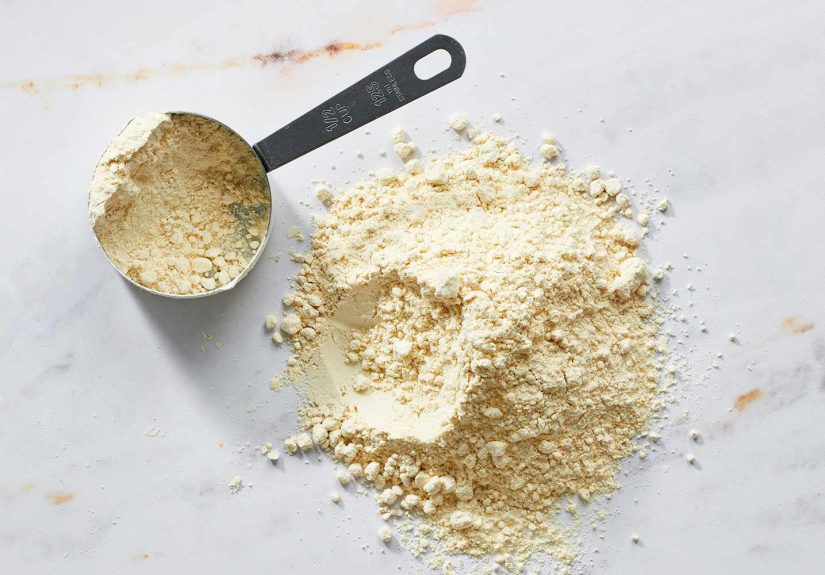
If all-purpose flour is the popular kid in the pantry, chickpea flour is the cool, slightly mysterious transfer student who shows up with better protein, more fiber, and a passport full of delicious ideas. Also called garbanzo bean flour, gram flour, or besan, chickpea flour is exactly what it sounds like: dried chickpeas that have been ground into a fine powder. It has a pale yellow color, a mildly nutty flavor, and a personality that leans savory but can absolutely behave itself in sweet recipes too.
In the U.S., chickpea flour has moved from “hard-to-find specialty ingredient” to “wait, I’ve seen this at my regular grocery store.” And honestly, that glow-up makes sense. Home cooks want ingredients that are versatile, naturally gluten-free, and actually bring something useful to the table. Chickpea flour checks all those boxes while quietly making pancakes, flatbreads, fritters, crackers, and coatings more interesting.
So what is chickpea flour, exactly? How is it different from wheat flour? Is it healthy? And why does it keep popping up in recipes that sound both rustic and fancy? Let’s dig in.
What Is Chickpea Flour Made From?
Chickpea flour is made by milling dried chickpeas into a powder. Depending on the brand or culinary tradition, it may be made from whole chickpeas or from split chickpeas. In many American stores, the names chickpea flour, garbanzo flour, and gram flour are often used interchangeably. In South Asian cooking, you’ll also see the name besan, which is commonly associated with flour made from split brown chickpeas.
That sounds like a tiny detail only food nerds bring up at parties, but it matters a little for flavor and texture. Some versions taste earthier or nuttier than others, and some are milled more finely. Still, for most everyday cooking, these flours live in the same neighborhood and can often be used in similar ways.
The flavor is more pronounced than white flour. Chickpea flour tastes slightly beany, toasty, and nutty. That may sound odd if you are expecting a neutral baking flour, but it is exactly why this ingredient shines in savory dishes. It brings substance. It brings character. It brings “why does this pancake suddenly taste like I know what I’m doing?” energy.
Why Chickpea Flour Is So Popular
Chickpea flour has been used for centuries in cuisines across India, the Middle East, North Africa, Italy, and France. In other words, it is not some trendy internet flour invented last Tuesday. It has serious culinary history. What has changed is that more American cooks now recognize how useful it is.
One reason is nutrition. Chickpea flour generally offers more protein and fiber than refined white flour, which makes it appealing to people who want pantry staples with a little more staying power. Another reason is that it is naturally gluten-free, making it a practical option for people who avoid gluten. And then there is the convenience factor: chickpea flour can thicken soups, bind fritters, coat vegetables, and turn into a quick batter with little more than water, salt, and olive oil.
Basically, it is the overachiever of alternative flours. Annoying in theory. Very helpful in practice.
Chickpea Flour Nutrition: Is It Healthy?
Chickpea flour is often described as a nutrient-dense flour, and that is fair. Because it comes from legumes, it naturally contains plant protein, dietary fiber, complex carbohydrates, and minerals such as iron and magnesium. Compared with refined wheat flour, it usually has a stronger nutritional profile, especially when you are looking for fiber and protein in one ingredient.
That does not mean chickpea flour is a magic health cape you can throw over every recipe and call it wellness. A deep-fried snack made with chickpea flour is still a deep-fried snack. A cookie remains a cookie, even if the flour went to graduate school. But as a flour option, it does bring meaningful benefits.
Potential benefits of chickpea flour include:
- More protein than refined white flour: helpful for satiety and structure in certain recipes.
- More fiber: good for digestive health and helpful for feeling full longer.
- Naturally gluten-free: useful for gluten-free cooking and baking when handled carefully.
- Plant-based nutrition: a smart pantry ingredient for vegetarian and flexitarian meals.
- Minerals and B vitamins: chickpeas are known for contributing nutrients such as folate, iron, and magnesium.
Because chickpea flour is made from legumes, it may also fit nicely into heart-healthy and plant-forward eating patterns. Fiber-rich legumes are commonly recommended as part of balanced diets, and chickpea flour is one more way to work them into meals beyond soup and hummus.
Is Chickpea Flour Gluten-Free?
Yes, chickpea flour is naturally gluten-free because chickpeas are legumes, not wheat, barley, or rye. That makes it attractive for people with celiac disease, non-celiac gluten sensitivity, or anyone who simply wants to experiment with gluten-free ingredients.
But there is one important catch: naturally gluten-free and guaranteed gluten-free are not always the same thing. Cross-contact can happen during processing, packaging, or storage. If you need to avoid gluten for medical reasons, look for products labeled gluten-free and check the packaging carefully.
This matters because a flour can start life as perfectly gluten-free and still get into trouble later. It is the pantry equivalent of having great intentions and terrible roommates.
What Does Chickpea Flour Taste Like?
Chickpea flour has a mild but noticeable flavor. It is nuttier and earthier than all-purpose flour, with a savory edge that becomes deeper when toasted or cooked in oil. Some people love it immediately. Others need one or two recipes to get used to it. That is normal.
If you stir raw chickpea flour into a batter and sniff it, you may notice a bean-like aroma. Once cooked, that flavor softens and becomes more rounded. In pancakes, flatbreads, and fritters, it often tastes warm, toasty, and rich. In baked goods, it tends to work best when paired with flavors that can stand up to it, such as chocolate, spices, nuts, or banana.
How Is Chickpea Flour Different From Regular Flour?
The biggest difference is gluten. Wheat flour contains gluten-forming proteins that create elasticity and structure in dough. Chickpea flour does not. So while chickpea flour is wonderful for many recipes, it will not behave exactly like all-purpose flour in a classic loaf of bread, a fluffy cake, or a flaky pie crust.
It also absorbs liquid differently and can create batters that feel thick, tacky, or surprisingly sturdy. That is actually useful in recipes like savory pancakes, vegetable fritters, and coatings for roasting or frying. In other words, chickpea flour is not a direct clone of wheat flour. It is more like a talented cousin with a different skill set.
Quick comparison:
- All-purpose flour: neutral flavor, contains gluten, ideal for classic baking.
- Chickpea flour: nutty flavor, no gluten, higher in protein and fiber, best for savory cooking and selective baking.
Best Ways to Use Chickpea Flour
If you are new to chickpea flour, do not start by replacing all the flour in your favorite birthday cake and hoping for a miracle. That is how kitchen arguments begin. Start with recipes where chickpea flour’s flavor and texture are an advantage.
1. Savory pancakes and flatbreads
One of the easiest ways to use chickpea flour is to whisk it with water, olive oil, salt, and seasonings, then cook it into a thin pancake or bake it into a rustic flatbread. This includes dishes like socca, farinata, and besan chilla. These recipes are simple, filling, and endlessly customizable.
2. Fritters and pakoras
Chickpea flour is excellent in vegetable fritters because it binds ingredients well and browns beautifully. Add spices, onions, chopped greens, or shredded vegetables, and it suddenly feels like your refrigerator leftovers got a promotion.
3. Coatings for roasting or frying
Because chickpea flour crisps nicely, it works well as a coating for vegetables, fish, or chicken. It can also help create crunchy textures in crackers and snack foods.
4. Thickening soups, stews, and sauces
A little chickpea flour can add body to a sauce or soup. Toasting it first helps deepen the flavor and reduce any raw taste.
5. Gluten-free baking blends
In gluten-free baking, chickpea flour is often best used as part of a blend rather than as the only flour. It contributes structure and nutrition, but most baked goods turn out better when it is paired with starches or lighter gluten-free flours.
Can You Substitute Chickpea Flour for All-Purpose Flour?
Sometimes, yes. Always, no. Chickpea flour can work as a substitute in certain savory recipes, especially pancakes, crackers, batters, coatings, and dense baked items. It can also replace part of the wheat flour in some breads and muffins.
But it is not a universal 1:1 replacement for all-purpose flour in every recipe. Since it has no gluten and a stronger flavor, the results can be very different. Some sources suggest that chickpea flour can replace heavier flours more easily than delicate baking flours, which makes sense. A hearty cracker is forgiving. A chiffon cake is not.
If you want to experiment, start by replacing a portion of the flour in a recipe rather than the whole amount. Think of it as introducing a bold new ingredient politely instead of letting it kick the door open.
How to Store Chickpea Flour
Like other whole-grain and legume flours, chickpea flour contains natural oils that can go stale faster than highly refined flours. Store it in an airtight container in a cool, dry place. If your kitchen gets warm or humid, the refrigerator or freezer is a smarter choice, especially if you do not use it often.
Give it a sniff before using. If it smells bitter, dusty, or “hmm, that seems wrong,” trust your nose. Flour should not smell like regret.
Who Should Try Chickpea Flour?
Chickpea flour is worth trying if you want to:
- add more plant-based protein and fiber to meals
- experiment with gluten-free cooking
- make savory pancakes, flatbreads, or fritters
- explore Indian, Mediterranean, or Middle Eastern recipes
- keep more versatile pantry ingredients on hand
That said, anyone with a chickpea or legume allergy should avoid it. And if you have digestive sensitivities to beans or high-fiber foods, start with smaller amounts and see how your body responds.
So, What Is Chickpea Flour Really?
Chickpea flour is more than a gluten-free substitute or a health-food-store curiosity. It is a time-tested flour made from ground chickpeas that offers a nutty flavor, solid nutrition, and serious versatility. It can help you make quick savory meals, boost the protein and fiber in recipes, and expand your pantry beyond the usual wheat-only routine.
It may not replace all-purpose flour in every corner of your kitchen, and it is not trying to. Chickpea flour has its own lane. And once you learn where it shines, you may find yourself reaching for it more often than expected.
In short, chickpea flour is what happens when humble legumes decide they are ready for a starring role. Frankly, good for them.
Kitchen Experiences With Chickpea Flour: What It’s Actually Like to Use
The first time many people cook with chickpea flour, there is a brief moment of suspicion. You open the bag, look at the pale yellow powder, and think, “So this is flour made from beans. We are really doing this.” Then you whisk it with water, and it behaves differently from wheat flour right away. It thickens fast, feels slightly silky, and gives off a nutty aroma that makes you realize this ingredient is not here to be bland.
A common beginner experience is making a simple chickpea pancake or socca. The batter seems almost too easy: flour, water, oil, salt, maybe black pepper or cumin. Then it hits a hot skillet or oven, and suddenly your kitchen smells warm and toasty, like roasted nuts and fresh bread had an unexpectedly successful collaboration. The edges crisp, the middle turns tender, and the final result feels far fancier than the effort involved. It is one of those rare recipes that makes a cook feel both practical and vaguely European.
Another typical experience is learning that chickpea flour likes bold company. If you use it in a very plain recipe, the flavor can seem stronger than expected. But pair it with garlic, herbs, onions, chili flakes, curry spices, cheese, or olive oil, and it settles right in. It stops tasting “different” and starts tasting intentional. That is often the turning point when someone goes from “interesting” to “I should keep this in the pantry.”
There is also a small but important lesson in texture. Chickpea flour can be wonderfully crisp in fritters and coatings, but it can also become dense if too much is packed into a recipe without enough liquid or rest time. Home cooks often discover that letting a batter sit for 10 to 30 minutes improves the result. The flour hydrates, the texture smooths out, and the finished dish feels less gritty and more cohesive. It is a tiny act of patience with a surprisingly big payoff.
People who try chickpea flour in gluten-free cooking often describe it as a relief ingredient. Not because it mimics wheat perfectly, but because it does something useful on its own. It brings structure. It brings flavor. It does not feel like a compromise. Instead of trying to make a recipe taste “just like the original,” chickpea flour often helps create something delicious in a different way.
And then there is the confidence factor. Once someone successfully makes chickpea flatbread, pakoras, or a savory pancake piled with leftover vegetables, an egg, or a spoonful of yogurt, the ingredient stops feeling niche. It becomes flexible and friendly. It starts showing up in weeknight meals, clean-out-the-fridge lunches, and last-minute dinners when there is not much else going on. That may be the most relatable experience of all: chickpea flour begins as a pantry experiment and ends up becoming one of those dependable ingredients that quietly saves dinner.
Conclusion
Chickpea flour deserves its growing reputation. It is nutritious, naturally gluten-free, versatile, and deeply rooted in global cooking traditions. Whether you want a better-for-you pantry staple, an easier path to savory gluten-free meals, or simply a new ingredient to play with, chickpea flour is worth a closer look. It may not replace every flour in your kitchen, but it does not need to. It just needs one good recipe to convince you it belongs there.