Table of Contents >> Show >> Hide
- Why the “beef” rumor sticks (and why it’s hard to prove like a courtroom drama)
- Meet Frances Bavier: the woman behind the apron
- What “had beef” probably meant in real life
- So what does the historical record actually support?
- After Mayberry: why her retirement story matters to the “beef” question
- Did Andy Griffith and Aunt Bee really “have beef”?
- What this behind-the-scenes story teaches writers and fans
- Viewer Experiences: What People Feel When They Rewatch This Story Today (Extra)
If you grew up believing Mayberry was powered by porch swings, neighborly whistles, and the kind of calm that could cure a bad day in under 30 minutes… you’re not alone. The Andy Griffith Show practically invented “comfort TV” before anyone thought to sell it in a scented candle.
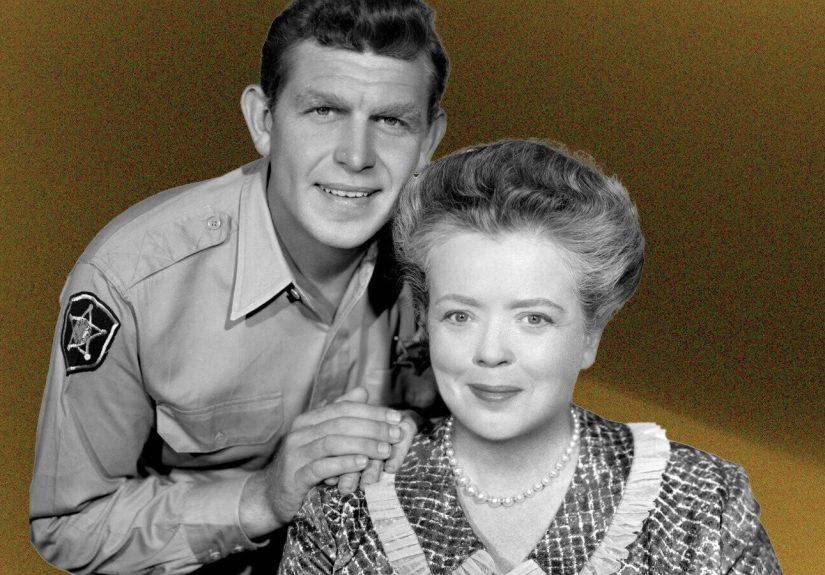
So it’s a little jarring to hear the long-running rumor that Andy Griffith and Frances Bavierbeloved “Aunt Bee” herselfdidn’t exactly spend their breaks swapping pie recipes and harmonizing. The gossip usually gets summed up with one spicy word: beef. And because the internet has the restraint of a raccoon in an unlocked pantry, “beef” quickly turns into “feud,” “war,” or “somebody threw a biscuit.”
The truth is more human, more complicated, and (oddly enough) more interesting. There’s evidence of real friction. There’s also evidence of real affection. And in the middle is a lesson as old as television itself: what looks effortless on camera often takes a lot of effortand a few mismatched personalitiesbehind it.
Why the “beef” rumor sticks (and why it’s hard to prove like a courtroom drama)
Rumors about cast drama thrive on one simple idea: “They looked so happy onscreen, so something must have been wrong offscreen.” It’s the same logic that makes people assume every smiling family photo is hiding a feud over who ate the last deviled egg.
But TV sets are workplaces. Even the warmest sitcom set is still a jobcomplete with long hours, creative pressure, and the occasional clash of temperaments. Add in a smash hit series, intense public attention, and a cast with very different backgrounds, and you don’t need a villain. You just need… humans.
In other words, the “beef” story persists not because Mayberry was secretly miserable, but because it’s believable that a serious, private actress and a comedic lead with a playful on-set vibe might not always click.
Meet Frances Bavier: the woman behind the apron
Frances Bavier didn’t come to Mayberry as a wide-eyed newcomer. By the time she became Aunt Bee, she was already a seasoned performer with years of experience in theater and television. She also wasn’t playing a glamorous star roleshe was playing the emotional spine of the Taylor household: part caretaker, part conscience, part quiet comedic counterweight.
That matters, because many behind-the-scenes stories about Bavier start with the same theme: she approached the work seriously. And when you’re acting opposite a cast that’s loose, jokey, and constantly riffing, “serious” can get misread as “difficult,” “cold,” or “unfriendly.” Sometimes it’s none of those. Sometimes it’s simply professionalism mixed with personality.
It also matters that Bavier became extremely identified with Aunt Bee. She once acknowledged that the character’s sweetness didn’t necessarily match her own temperamentand that kind of typecasting can be emotionally exhausting. When a role becomes your public identity, it can feel like the world is applauding the character while ignoring the person.
What “had beef” probably meant in real life
Let’s be careful with the phrase. “Beef” can imply anything from “they didn’t vibe” to “they tried to set each other’s toupees on fire.” The most credible versions of this story point toward something far less dramatic but more realistic: tension rooted in different work styles, different social needs, and different emotional boundaries.
1) Different energy: comedy camp vs. drama discipline
Andy Griffith (and especially Don Knotts) was working in a comedic rhythm that often depends on timing, spontaneity, and playfulness. Many cast recollections describe a set that could feel like a fun, extended family.
Bavier, by contrast, came from a background where actors may prioritize rehearsal, precision, and staying “in the lane” of the character. If you’re the person focused on keeping the scene groundedand the people around you are cracking each other upyour “calm” can look like “disapproval.”
Neither approach is wrong. They’re just different. And difference, in a workplace, is where “beef” is born.
2) The age and life-stage gap was real
While the show’s core cast developed a friendly dynamic, Bavier was older than several key co-stars, and she was living a different chapter of life. A younger cast may bond through socializing, pranks, and post-work hangouts. Someone olderor simply more privatemay go home, rest, read, or protect their energy for the next day.
In a small ensemble, social distance can get interpreted as personal rejection. It’s not always. Sometimes it’s just how someone survives a demanding schedule.
3) Typecasting and identity fatigue can make anyone prickly
Aunt Bee wasn’t just a role; she became a cultural shorthand. Fans didn’t just recognize Bavierthey recognized her as “Aunt Bee,” as if the character had stepped out of the TV and bought a mailbox in real life.
That kind of recognition sounds flattering until it starts to erase you. If you’ve worked for decades, and the world only wants to talk about one part, you might become guarded. You might even resent how easily the public confuses a performance with a personality.
So yes: it’s plausible that the “beef” was partly about frustrationfrustration with fame, with assumptions, and with the never-ending demand to be wholesome on command.
So what does the historical record actually support?
Here’s the most responsible way to summarize it: multiple sources describe Bavier as intensely private and not always socially connected to the rest of the cast, while other sources show she could also feel genuine warmth toward her “Mayberry family.” That combination isn’t contradictory. It’s complicatedand believable.
Evidence that things could be tense
After her acting career, Bavier’s later years were marked by privacy and seclusion. Reports about her retirement describe a life far removed from Aunt Bee’s cozy kitchensuggesting that Bavier wasn’t seeking fan attention or a public-facing “Mayberry forever” lifestyle. She appeared to value solitude, and in some accounts, that solitude was intense.
When someone is that protective of their private life, it can spill into work relationships. Not because they “hate people,” but because they’re constantly defending emotional boundaries. In that context, a friendly cast might feel like pressure. A playful set might feel like noise. A hit show might feel like a trap: you can’t leave without risking being forgotten, and you can’t stay without being boxed in.
This is where the “beef” rumor gets traction: it’s not hard to imagine that a comedian who thrives on camaraderie and a private actor who thrives on distance would occasionally clash.
Evidence that she also felt connectedand was treated with affection
At the same time, there are accounts suggesting Bavier wasn’t simply an icy outsider. Some stories describe her being addressed as “Aunt Bee” even off camera, which is both sweet and telling: the cast (and especially young Ron Howard) may have blurred the line between the character and the person in an affectionate way.
And that blur can cut two ways. It can feel like lovebeing welcomed into a “family.” It can also feel like identity theftbeing treated as the character when you’re trying to be yourself. If Bavier experienced both, then her reactions could vary depending on the day, the moment, and how overwhelmed she felt.
After Mayberry: why her retirement story matters to the “beef” question
One of the clearest windows into Bavier’s personality is what happened when the cameras stopped. She retired from acting and moved to Siler City, North Carolinaironically close to the fictional geography of Mayberry. But rather than turning into a town mascot, she largely withdrew from public life.
Reports from that period describe her living quietly and privately, rarely leaving her home, and leaving behind an estate that included her house and belongings distributed to institutions rather than a big, glossy Hollywood legacy tour. That doesn’t prove she feuded with Andy Griffith. But it does reinforce the central point: she wasn’t chasing the warm spotlight that fans associate with Aunt Bee.
And once you accept that distinctionAunt Bee the character vs. Frances Bavier the personthe “beef” story becomes less sensational and more understandable. If you expected Bavier to be Mayberry’s eternal hug machine, you were setting her up to disappoint you.
Did Andy Griffith and Aunt Bee really “have beef”?
They likely had what most long-running coworkers have at some point: friction. Maybe even regular friction. The show ran for years. They worked long days. They carried a cultural phenomenon. Not everyone bonds the same way.
But the idea of a cartoonish feudconstant screaming, sabotage, or lifelong hatreddoesn’t match the most grounded versions of the story. What does match is something subtler: a serious, private performer sometimes felt out of step with an ensemble known for warmth and humor. That mismatch can create tension without creating villains.
In fact, one reason The Andy Griffith Show remains so watchable is that it balances different energies: Andy’s steadiness, Barney’s chaos, Opie’s heart, and Aunt Bee’s quiet authority. That kind of balance often comes from people who are not identical off camera.
What this behind-the-scenes story teaches writers and fans
1) On-screen chemistry doesn’t require off-screen sameness
A cast can create a believable family without behaving like a family 24/7. Sometimes the best “TV families” are built by professionals who respect the work more than they enjoy the potluck.
2) Typecasting is a real psychological cost
It’s easy to celebrate fame. It’s harder to live inside itespecially when fame locks onto one role so tightly that it swallows the person. Bavier’s story is a reminder that “beloved character” can be both a career peak and a personal burden.
3) The kindest read is usually the smartest read
If Bavier seemed distant, it might not have been cruelty. It might have been exhaustion, anxiety, privacy, or simply temperament. When we talk about old Hollywood stories, the most responsible approach is to avoid turning real people into memes.
Viewer Experiences: What People Feel When They Rewatch This Story Today (Extra)
For a lot of viewers, learning about “beef” between Andy Griffith and Aunt Bee doesn’t ruin the showit adds a strange new layer to it. Not a cynical layer. More like a “wow, that performance was even more impressive than I realized” layer.
Rewatching as an adult, you start noticing how much emotional labor Aunt Bee does in the Taylor household. She isn’t just cooking meals and keeping the place running. She’s managing moods. She’s smoothing over awkward moments. She’s offering gentle corrections without humiliating anyone. That’s not a flashy job, but it’s a powerful oneespecially in a show that’s built on small-town harmony.
And if you’ve ever been the person in your own family (or friend group) who keeps things calm while everyone else jokes around, Aunt Bee hits differently. You may find yourself thinking, “Oh, she’s the glue.” In that sense, the behind-the-scenes rumor almost makes the character feel more real. Because in real life, the “glue person” doesn’t always feel bubbly. Sometimes the glue person is tired.
There’s also a very modern reaction that happens: empathy for an older actress whose identity got swallowed by one role. Today, people talk openly about boundaries, burnout, and the pressure to perform likability. When viewers hear that Bavier may have been private, guarded, or unhappy with being constantly seen as Aunt Bee, it resonates with the way many people feel about their own “roles” in lifework roles, family roles, even social-media roles. You can be good at something and still feel trapped by it.
Some fans also report a funny emotional whiplash: they’ll watch an episode where Aunt Bee is pure sunshine, then immediately remember, “Right, the actress might not have felt sunshine at all.” But instead of cheapening the scene, it can make the performance feel deeper. Acting isn’t always “being yourself.” Sometimes acting is building warmth on cueday after daywhether you feel warm or not.
And then there’s the classic comfort-TV moment: you finish an episode, you hear the theme in your head, and you realize the show still works. Mayberry still feels like a safe place to visit. Even if the real set had disagreements, the final product offers something rare: gentle storytelling with moral clarity and humor that doesn’t need cruelty to be funny.
In that way, the “beef” story becomes less of a scandal and more of a reminder: art can be generous even when artists are complicated. If anything, it’s a compliment to the castincluding Bavierthat they created something so consistently soothing while living real, messy, human lives off camera.