Table of Contents >> Show >> Hide
- Understanding the Colon: Anatomy and Function
- What Does “Colon Health” Really Mean?
- Colon Polyps: Small Growths With Big Implications
- Colonoscopy: Prevention Disguised as a Procedure
- Other Common Colon Conditions
- How Lifestyle Choices Shape Colon Health
- Colon Health and the Bigger Picture
- Real-Life Experiences and Perspectives on Colon Health (Extended Section)
- Conclusion
The colon might not be a dinner-table topic, but it is absolutely central to overall health, longevity, and disease prevention. From digesting food and absorbing water to hosting trillions of gut bacteria, your colon works hard every single dayquietly, efficiently, and usually without complaint. This article takes a deep, practical look at colon health, anatomy, common conditions like polyps, and why colonoscopy screenings matter more than most people realize. Yes, we’ll even make it approachable (and occasionally fun).
Understanding the Colon: Anatomy and Function
What Is the Colon?
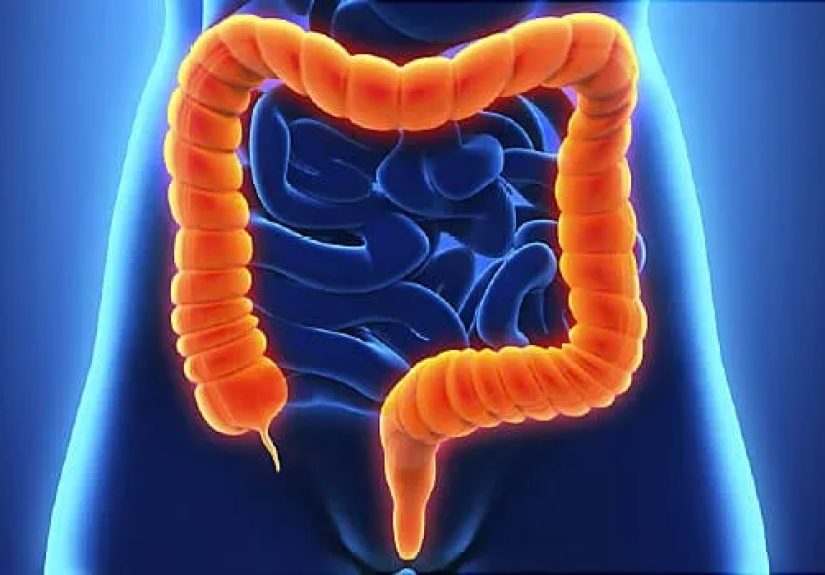
The colon, also known as the large intestine, is the final major segment of the digestive tract. It follows the small intestine and ends at the rectum and anus. While digestion technically begins in the mouth and continues in the stomach and small intestine, the colon’s primary job is refinement: absorbing water, electrolytes, and forming stool.
Main Sections of the Colon
- Cecum: The entry point from the small intestine.
- Ascending colon: Travels upward on the right side of the abdomen.
- Transverse colon: Crosses the abdomen horizontally.
- Descending colon: Runs downward on the left side.
- Sigmoid colon: An S-shaped segment connecting to the rectum.
Each section has a slightly different role, but together they ensure waste moves efficiently while valuable fluids are reclaimed.
The Microbiome: Your Colon’s Hidden Ecosystem
Your colon is home to trillions of bacteria, viruses, and fungicollectively known as the gut microbiome. These microbes help break down fiber, produce vitamins like K and certain B vitamins, regulate the immune system, and even influence mood through the gut-brain axis. When your microbiome is balanced, digestion runs smoothly. When it’s not, problems like bloating, constipation, diarrhea, and inflammation can arise.
What Does “Colon Health” Really Mean?
Colon health is not just about avoiding cancer. It’s about maintaining normal bowel habits, preventing inflammation, supporting beneficial gut bacteria, and reducing long-term disease risk.
Signs of a Healthy Colon
- Regular bowel movements (anywhere from three per day to three per week)
- Minimal bloating or abdominal pain
- Well-formed stool that’s easy to pass
- No unexplained bleeding
Common Warning Signs
Persistent changes in bowel habits, blood in stool, unexplained weight loss, chronic fatigue, or iron-deficiency anemia may indicate underlying colon issues. While not always serious, these symptoms should never be ignored.
Colon Polyps: Small Growths With Big Implications
What Are Colon Polyps?
Colon polyps are growths that form on the inner lining of the colon. They are common, especially as people age, and most cause no symptoms. However, some polyps can slowly transform into colorectal cancer over time.
Types of Colon Polyps
- Hyperplastic polyps: Usually small and low risk.
- Adenomatous polyps (adenomas): The most common precancerous type.
- Serrated polyps: May carry higher cancer risk depending on size and location.
The key takeaway: not all polyps are dangerous, but there’s no reliable way to know which ones are without removing and testing them.
Colonoscopy: Prevention Disguised as a Procedure
What Is a Colonoscopy?
A colonoscopy is a medical procedure that allows doctors to examine the entire colon using a thin, flexible camera. It’s considered the gold standard for colorectal cancer screening because it can both detect and remove polyps in one session.
Why Colonoscopies Matter
Colorectal cancer often develops slowly and silently. By the time symptoms appear, the disease may already be advanced. Colonoscopy interrupts this process by catching problems earlyor preventing them entirely.
When Should You Get Screened?
For average-risk adults, screening typically begins at age 45. Those with a family history of colorectal cancer, inflammatory bowel disease, or genetic syndromes may need earlier or more frequent screenings.
The Prep: Everyone’s Least Favorite Part
Let’s be honestthe bowel prep is the hardest part. Drinking a prescribed laxative solution clears the colon so doctors can see clearly. It’s inconvenient, mildly unpleasant, and absolutely worth it.
Other Common Colon Conditions
Diverticulosis and Diverticulitis
Diverticulosis refers to small pouches that form in the colon wall, especially with age. When these pouches become inflamed or infected, the condition is called diverticulitis, which can cause pain, fever, and digestive upset.
Irritable Bowel Syndrome (IBS)
IBS is a functional disorder characterized by abdominal pain, bloating, and altered bowel habits. While it doesn’t damage the colon, it can significantly affect quality of life.
Inflammatory Bowel Disease (IBD)
Conditions like ulcerative colitis and Crohn’s disease involve chronic inflammation and increase colorectal cancer risk over time, requiring specialized monitoring.
How Lifestyle Choices Shape Colon Health
Diet Matters More Than You Think
A diet rich in fiber from fruits, vegetables, legumes, and whole grains supports regular bowel movements and feeds healthy gut bacteria. Processed meats, excessive red meat, and low-fiber diets are linked to higher colorectal cancer risk.
Movement and Hydration
Regular physical activity helps move waste through the colon, while adequate hydration keeps stool soft and easy to pass.
Alcohol, Smoking, and the Colon
Smoking and heavy alcohol use are both associated with increased colorectal cancer risk. Reducing or eliminating these habits is one of the most impactful preventive steps you can take.
Colon Health and the Bigger Picture
The colon doesn’t exist in isolation. Its health affects immune response, metabolic health, inflammation levels, and even mental well-being. Taking care of your colon is, in many ways, taking care of your entire body.
Real-Life Experiences and Perspectives on Colon Health (Extended Section)
Conversations about colon health often happen behind closed doors, usually right before a scheduled colonoscopy or after an unexpected diagnosis. Many people recall ignoring subtle symptoms for yearsoccasional constipation, unexplained bloating, or mild abdominal discomfortuntil something finally pushed them to seek medical advice. In hindsight, these early signs were invitations to pay closer attention.
One common experience people share is how dramatically their perception of colonoscopy changes after the procedure. Fear and embarrassment dominate beforehand, but afterward, relief takes center stage. Many describe waking up from sedation thinking, “That’s it?”surprised by how quick and painless the exam actually was compared to their expectations.
There are also powerful stories from individuals whose routine screening caught precancerous polyps. They often say the same thing: the procedure may have saved their life. Knowing that something potentially dangerous was removed before it ever became cancer offers peace of mind that lasts for years.
Dietary changes are another recurring theme. People who switch to higher-fiber mealsadding oats, beans, vegetables, and fermented foodsfrequently notice improvements within weeks. Less bloating, more predictable bowel habits, and increased energy become strong motivators to stick with healthier patterns.
For those living with chronic conditions like IBS or ulcerative colitis, colon health becomes a daily consideration. Learning triggers, managing stress, and working closely with healthcare providers helps them regain a sense of control. Many emphasize that understanding their own body mattered just as much as medication.
Perhaps the most universal experience is this: once people start talking openly about colon health, embarrassment fades quickly. What replaces it is empowerment. Knowledge removes fear, and prevention feels proactive rather than reactive. The colon may not get much appreciation, but those who’ve taken the time to understand it rarely regret the effort.
Conclusion
Colon health is not about obsessionit’s about awareness. Understanding anatomy, recognizing risks, maintaining healthy habits, and following screening recommendations can prevent serious disease and support long-term well-being. Your colon does a lot for you. Giving it some attention in return is a smart investment.