Table of Contents >> Show >> Hide
- What Does “Plus Size Pregnancy” Mean?
- Can You Have a Healthy Plus Size Pregnancy?
- Possible Risks to Know About
- How Much Weight Should You Gain?
- Nutrition Tips for Plus Size Pregnancy
- Safe Exercise During Plus Size Pregnancy
- Finding Respectful Prenatal Care
- Questions to Ask Your Doctor or Midwife
- Emotional Health Matters, Too
- Birth Planning for a Plus Size Pregnancy
- Postpartum Recovery and Long-Term Health
- Real-Life Experiences: What Plus Size Pregnancy Can Feel Like
- Conclusion
Pregnancy already comes with enough new vocabulary to make anyone feel like they accidentally enrolled in a medical trivia contest. Add the phrase “plus size pregnancy,” and suddenly the internet can sound either terrifying, judgmental, or weirdly vague. So let’s clear the fog: a plus size pregnancy simply refers to pregnancy in a person who has a larger body, often described clinically as being overweight or having obesity based on pre-pregnancy body mass index, or BMI.
That definition may sound cold, because BMI is a blunt tool. It does not measure kindness, strength, stamina, health habits, family history, or how many times you have already Googled “is this pregnancy symptom normal?” Still, BMI is commonly used in prenatal care because it helps doctors estimate certain pregnancy risks and plan extra monitoring when needed.
The big picture is encouraging: many plus size people have healthy pregnancies and healthy babies. The goal is not shame, panic, or a dramatic “before and after” storyline. The goal is informed care, practical planning, and a medical team that treats you like a whole personnot a number on a chart.
What Does “Plus Size Pregnancy” Mean?
“Plus size pregnancy” is not a formal diagnosis. It is a consumer-friendly phrase used to describe pregnancy in someone who wears plus size clothing or has a higher body weight. In medical settings, providers usually use BMI categories. A BMI of 25 to 29.9 is considered overweight, while a BMI of 30 or higher is considered obesity.
Again, BMI is imperfect. A muscular athlete, a short person with dense body composition, and someone with a long history of weight cycling may all be simplified into a number that misses the story. But during pregnancy, clinicians use BMI because research links higher pre-pregnancy BMI with higher chances of certain complications, including gestational diabetes, high blood pressure, preeclampsia, cesarean delivery, sleep apnea, and challenges with ultrasound imaging.
That does not mean complications are guaranteed. Think of BMI as a weather forecast, not a prophecy. If the forecast says rain is more likely, you bring an umbrella. You do not cancel the entire picnic.
Can You Have a Healthy Plus Size Pregnancy?
Yes. Absolutely. Many plus size pregnant people have uncomplicated pregnancies, vaginal births, smooth recoveries, and babies who arrive beautifully on schedule. The key is early prenatal care, individualized risk screening, steady nutrition, safe movement, and honest conversations with your provider.
A healthy pregnancy is not measured by how tiny your bump looks, how little weight you gain, or whether strangers at the grocery store feel qualified to comment on your body. Spoiler alert: they are not. A healthy pregnancy is about blood pressure, blood sugar, fetal growth, nutrient intake, mental well-being, sleep, movement, and a birth plan that is flexible enough to handle real life.
Possible Risks to Know About
Talking about risk can feel heavy, but it is not meant to scare you. Good information gives you options. When risks are known early, your care team can watch more closely and act sooner.
Gestational Diabetes
Gestational diabetes is diabetes that develops during pregnancy. It happens when the body cannot make or use insulin effectively enough to keep blood sugar in a healthy range. A higher BMI can increase the risk, especially if you also have polycystic ovary syndrome, a family history of type 2 diabetes, or had gestational diabetes in a previous pregnancy.
Most pregnant people are screened between 24 and 28 weeks, but some providers screen earlier if risk factors are present. If you are diagnosed, it does not mean you “failed” pregnancy. It means your placenta is acting like a very powerful hormonal manager, and your body needs support. Treatment may include meal planning, blood sugar checks, physical activity, and sometimes medication or insulin.
High Blood Pressure and Preeclampsia
Higher body weight can raise the chance of gestational hypertension and preeclampsia, a serious pregnancy condition involving high blood pressure and possible signs of organ stress. Warning symptoms can include severe headache, vision changes, swelling that appears suddenly, shortness of breath, or pain in the upper right belly.
Your provider may recommend more frequent blood pressure checks. Make sure the office uses the correct cuff size. A cuff that is too small can give a falsely high reading, which is about as helpful as a bathroom scale with a grudge.
Sleep Apnea
Sleep apnea means breathing repeatedly pauses or becomes shallow during sleep. It is more common in people with higher body weight and can become more noticeable during pregnancy. Loud snoring, daytime sleepiness, morning headaches, or waking up gasping are worth mentioning to your provider.
Treating sleep apnea can improve rest and may support better blood pressure and metabolic health. Pregnancy already makes sleep weird enough; you deserve oxygen and comfort.
Ultrasound and Monitoring Challenges
In plus size pregnancy, ultrasound imaging may sometimes be less clear because sound waves must travel through more tissue. This does not mean your baby cannot be checked. It may mean the scan takes longer, a different probe is used, or a follow-up ultrasound is scheduled.
If the sonographer gets quiet, do not automatically assume something is wrong. Sometimes they are concentrating. Sometimes the baby is facing the wrong direction. Sometimes the baby is practicing advanced-level hide-and-seek.
Cesarean Birth and Anesthesia Planning
Higher BMI can increase the likelihood of cesarean birth, although many plus size people deliver vaginally. If a cesarean becomes necessary, planning matters. Your provider may discuss anesthesia options, operating room equipment, blood clot prevention, and wound care.
This is not about assuming the worst. It is about making sure the team is prepared so you receive safe, respectful, efficient care if plans change.
How Much Weight Should You Gain?
Pregnancy weight gain depends on your pre-pregnancy BMI and whether you are carrying one baby or multiples. For a singleton pregnancy, common guidelines recommend about 15 to 25 pounds for someone in the overweight BMI category and about 11 to 20 pounds for someone in the obesity BMI category.
These are general ranges, not moral grades. Your provider may personalize your target based on your health, appetite, nausea, fetal growth, activity level, and medical history. The goal is not weight loss during pregnancy unless your clinician gives very specific guidance for a medical reason. Restrictive dieting can reduce nutrient intake at the exact time your body is building a placenta, expanding blood volume, and growing a human being with tiny fingernails. That is a big construction project.
Nutrition Tips for Plus Size Pregnancy
Pregnancy nutrition is not about perfection. It is about building meals that support stable energy, healthy fetal development, and manageable blood sugar. A balanced plate often includes protein, fiber-rich carbohydrates, healthy fats, and colorful produce.
Focus on Nutrient Density
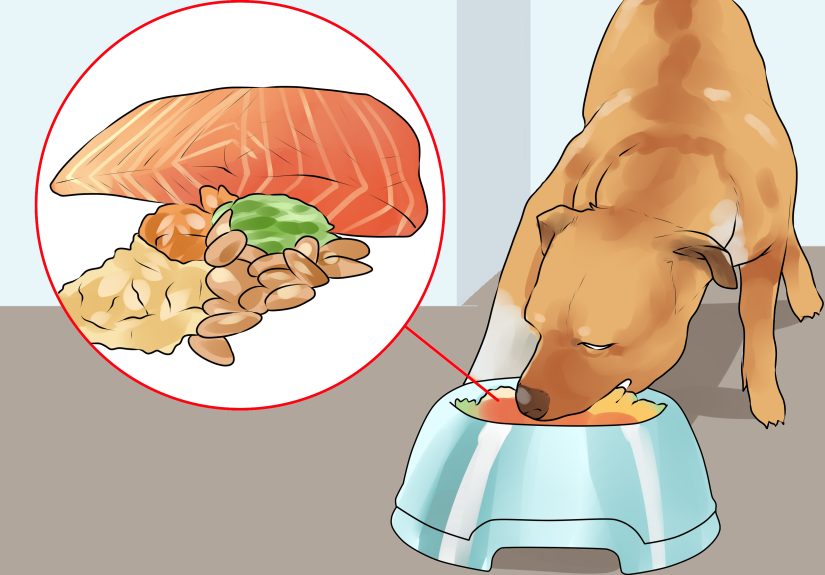
Helpful foods include eggs, beans, lentils, Greek yogurt, lean meats, fish low in mercury, tofu, nuts, seeds, vegetables, fruit, oats, brown rice, whole-grain bread, avocado, and olive oil. These foods provide protein, iron, calcium, folate, choline, vitamin D, omega-3 fatty acids, and other nutrients important during pregnancy.
A prenatal vitamin is usually recommended, but it is a backup singer, not the whole band. Food still matters.
Do Not Skip CarbsChoose Them Wisely
Carbohydrates are not the villain. Your baby’s brain uses glucose, and your body needs energy. The trick is choosing carbs that come with fiber and nutrients. Think berries, apples, beans, sweet potatoes, whole grains, and vegetables rather than relying mostly on sugary drinks and refined snacks.
If you have gestational diabetes, a dietitian can help you pair carbs with protein and fat to reduce blood sugar spikes. For example, toast with eggs may work better than toast alone. Fruit with peanut butter may be more satisfying than fruit by itself.
Food Safety Still Counts
Pregnancy changes the immune system, so foodborne illnesses can be more serious. Avoid unpasteurized dairy, undercooked meat or eggs, high-mercury fish, and refrigerated deli meats unless heated properly. Wash produce, separate raw meats from ready-to-eat foods, and cook foods to safe temperatures.
Safe Exercise During Plus Size Pregnancy
For many pregnancies, moderate movement is recommended unless a provider says otherwise. Walking, swimming, stationary cycling, prenatal yoga, and low-impact strength training can support blood sugar, mood, circulation, and stamina for labor.
A common goal is 150 minutes of moderate-intensity activity per week. That can sound like a lot, but it breaks down to 30 minutes on five days. It can also be divided into smaller chunks. Ten minutes after breakfast, ten after lunch, and ten after dinner still counts. Your body does not require exercise to arrive in a fancy matching set.
Stop and call your provider if you have vaginal bleeding, chest pain, dizziness, regular painful contractions, fluid leaking, severe shortness of breath before activity, calf swelling or pain, or decreased fetal movement later in pregnancy.
Finding Respectful Prenatal Care
Respectful care is not a luxury item. It is part of good medicine. Plus size pregnant people deserve exam tables that feel safe, gowns that fit, blood pressure cuffs in appropriate sizes, clear explanations, and providers who can discuss risk without turning every conversation into a lecture about weight.
If a provider makes you feel dismissed, blamed, or ignored, you are allowed to ask questions. Try saying, “Can we talk about the specific health markers you are watching and what I can do to support them?” or “I understand BMI is one risk factor. What else are we considering in my care plan?”
A good provider should be able to discuss blood sugar, blood pressure, nutrition, movement, fetal growth, and delivery planning without making you feel like your body is a problem to be solved.
Questions to Ask Your Doctor or Midwife
Here are practical questions that can make appointments more useful:
- What weight gain range is appropriate for me?
- Should I be screened early for gestational diabetes?
- Do I need extra blood pressure monitoring?
- Will I need additional ultrasounds to check growth or anatomy?
- Is aspirin recommended for my preeclampsia risk profile?
- What symptoms should make me call right away?
- Does the hospital have equipment that accommodates higher-weight patients?
- Can I meet with a dietitian who understands pregnancy and weight-neutral counseling?
Emotional Health Matters, Too
Plus size pregnancy can bring emotional baggage, even when you are excited. Some people worry about being judged at appointments. Some feel invisible in maternity fashion. Some hear comments from relatives who suddenly act like they have a medical degree from the University of Unsolicited Opinions.
Your mental health is part of prenatal health. Anxiety, depression, body image stress, and past experiences with weight stigma can all affect how you feel during pregnancy. Support can come from therapy, a pregnancy support group, a trusted friend, a doula, or a provider who listens well.
You do not have to love every body change to respect your body. You can feel grateful, annoyed, amazed, tired, hungry, emotional, and powerful all in the same afternoon. Pregnancy is not subtle.
Birth Planning for a Plus Size Pregnancy
A birth plan should be useful, not rigid. For plus size pregnancy, it may help to discuss labor positions, fetal monitoring options, anesthesia timing, IV placement, mobility, and cesarean backup plans. If you want an epidural, ask whether an early anesthesia consult is helpful. If you hope for an unmedicated birth, ask what movement and support options are available.
Also discuss postpartum care. People with higher BMI may have a higher risk of blood clots, wound healing issues after cesarean, and breastfeeding challenges related to positioning or delayed milk supply. Early support can make a real difference.
Postpartum Recovery and Long-Term Health
After birth, your body needs recovery, not punishment. Rest, hydration, nourishing food, gentle movement when cleared, and follow-up appointments all matter. If you had gestational diabetes, postpartum glucose testing is important because gestational diabetes increases future type 2 diabetes risk.
Breastfeeding, if you choose it and it works for your situation, may offer metabolic benefits, but it is not the only way to be a good parent. Formula feeding, combination feeding, pumping, nursing, and changing plans are all valid. Babies need food and love. Parents need support and sleep. Everyone needs fewer judgmental comments.
Real-Life Experiences: What Plus Size Pregnancy Can Feel Like
One common experience in plus size pregnancy is learning how to advocate for yourself without feeling like you are “being difficult.” For example, imagine arriving at your first prenatal visit and noticing the blood pressure cuff feels painfully tight. Instead of quietly accepting the number, you can ask, “Do you have a larger cuff?” That one sentence can change the accuracy of your care. It is not demanding. It is medical common sense wearing comfortable shoes.
Another real-life moment may happen during ultrasound appointments. A plus size patient might need a longer scan or a repeat anatomy scan because the baby’s position and body tissue make imaging harder. That can feel scary if nobody explains it. A supportive sonographer might say, “We got many views today, but we need a few more pictures when the baby is in a better position.” Clear communication turns panic into patience.
Shopping can also become oddly emotional. Some people find adorable maternity clothes everywhere; plus size pregnant people may find three sad racks, two beige tunics, and one pair of leggings apparently designed by someone who has never met a thigh. The practical solution is to look for stretchy basics, maternity bike shorts, belly bands, nursing-friendly tops, wrap dresses, and supportive bras early. Comfort is not vanity. Comfort is survival when your ribs, hips, and bladder are all negotiating separate contracts.
Food experiences can vary widely. One person may enter pregnancy determined to eat quinoa bowls and salmon, then spend eight weeks surviving on crackers, cold fruit, and the only cereal that does not trigger nausea. Another may have gestational diabetes and feel overwhelmed by glucose checks. In both cases, the best approach is flexibility. Pregnancy nutrition should be realistic enough to survive morning sickness, budget limits, cravings, family meals, and the occasional emergency grilled cheese.
Movement can also look different from the glossy prenatal fitness videos. A plus size pregnant person may feel best walking slowly after meals, doing water aerobics, stretching hips before bed, or using a chair for strength exercises. The win is not looking athletic. The win is feeling a little more mobile, sleeping a little better, or keeping blood sugar steadier.
Emotionally, many plus size parents describe a mix of pride and defensiveness. They may be thrilled to feel kicks but braced for comments about their belly size. They may want medical honesty but not weight stigma. The most helpful care teams recognize both truths: higher BMI can affect pregnancy risk, and every pregnant person deserves dignity. A plus size pregnancy is not a “lesser” pregnancy. It is a pregnancy that may need smart planning, respectful monitoring, and the same celebration every growing family deserves.
Conclusion
Plus size pregnancy means navigating pregnancy in a larger body, often with extra screening and planning based on BMI-related risk factors. But risk is not destiny. With early prenatal care, appropriate weight gain guidance, balanced nutrition, safe movement, accurate monitoring, and respectful providers, many plus size people have healthy pregnancies and healthy babies.
The best approach is not shame-based. It is evidence-based, body-aware, and practical. Ask questions. Request the right equipment. Report symptoms early. Build meals that nourish you. Move in ways that feel safe. Choose a care team that treats you like a person, not a chart label. Your body is doing serious workand it deserves support, not side-eye.